


A prairie gem in Transcona

Advertisement
Hey there, time traveller!
This article was published 19/07/2019 (2559 days ago), so information in it may no longer be current.
Viewed from the noise and chaos of Regent Avenue West, it doesn’t look like much.
A stretch of tall grass with shrubs peppered in, and a stand of trees in the background. You might assume it’s a vacant lot waiting for an interested developer to create something worthy of human interest.
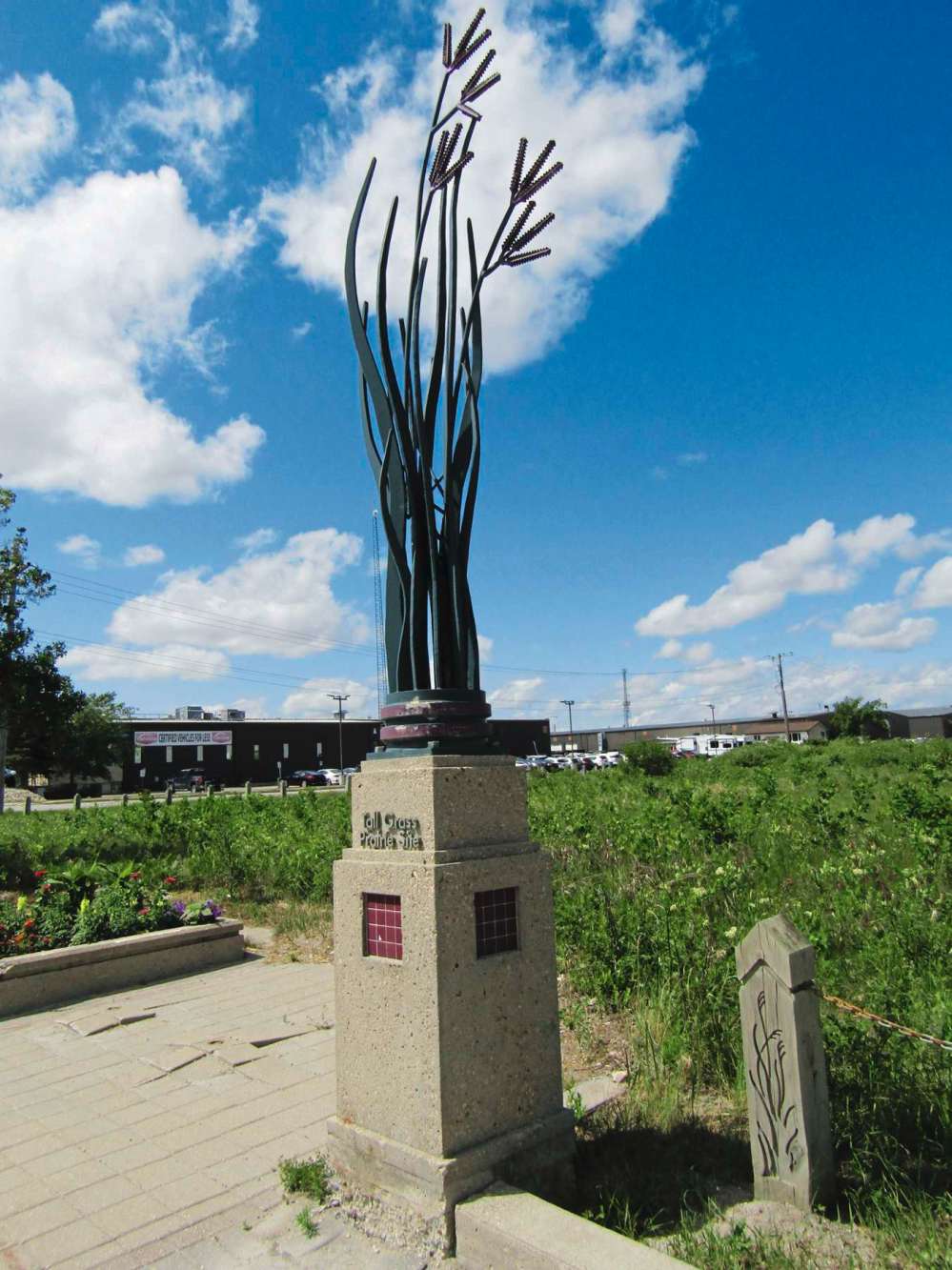
But the untouched quality of this patch of land has a purpose.
The Rotary Tall Grass Nature Park, located at Regent Avenue West and Bradley Street in Transcona, is a rare example of a wet prairie landscape that has never been ploughed. An easy limestone trail under one kilometre weaves through the park’s native grasses and wildflowers.
If you drive here, you can park on Bradley Street and follow the trail to the end and back again (sorry, no looped trail here). Wear sunscreen and bug spray in the summer months, and be prepared for soggy conditions after rain.
A sign greets you at the start of the trail and from here you’ll wander through the prairie portion of the park. Tall grasses dance in the wind, and through them you’ll see flashes of colour thanks to a variety of wildflowers.
Big bluestem, also known as turkeyfoot, is a beautiful maroon-coloured grass that stands tall amongst the other vegetation here. The turkey reference comes from the seed heads resembling turkey feet.July brings blooms of purple prairie clover, yarrow, harebell, prairie rose, goldenrod, cutleaf anemone, Philadelphia fleabane, false sunflower, and silverweed, which provide a smattering of purples, yellows, whites, and pinks.
Each month in spring, summer, and fall brings with it a different batch of blooms, so the park is a great place to visit year-round. Winter offers a magical snowy landscape with only the bare bones of plants remaining.
Watch birds dart back and forth between the larger shrubs, and try to catch a glimpse of the variety of insects that call the park home, including butterflies and moths, bees and other pollinators, spiders, ladybugs, and even snails in puddles.
Eventually, you’ll reach the small forested area located at the back of the park. Here, you’ll find aspen, dogwood, and sandbar willow, and some much-appreciated shade on hotter days.
Depending on how many times you stop to admire the flora and fauna, the round-trip walk could take you 30 minutes, or more than an hour.Enjoy the trail and be sure to leave everything as you found it!
Melody Rogan is a community correspondent for Radisson. You can email her at preeneditorial@gmail.com
Our newsroom depends on a growing audience of readers to power our journalism. If you are not a paid reader, please consider becoming a subscriber.
Our newsroom depends on its audience of readers to power our journalism. Thank you for your support.
Our newsroom depends on a growing audience of readers to power our journalism. If you are not a paid reader, please consider becoming a subscriber.
Our newsroom depends on its audience of readers to power our journalism. Thank you for your support.
Advertisement Advertise With Us
Advertisement Advertise With Us