



Knowledge-sharing through the web
Woman teaches others how to be food secure through dehydration practices
Advertisement
Hey there, time traveller!
This article was published 15/03/2021 (1874 days ago), so information in it may no longer be current.
When Audrey Logan walks into a grocery store — which is maybe once a year — she feels like “a deer in headlights.”
She recalled one trip in 2019 when she bought bacon.
“It was on sale for $3.99, so I bought 10 (packages),” she said. “It takes time to go through it all because I don’t eat it all at once. One pound of bacon I can make six meals from.
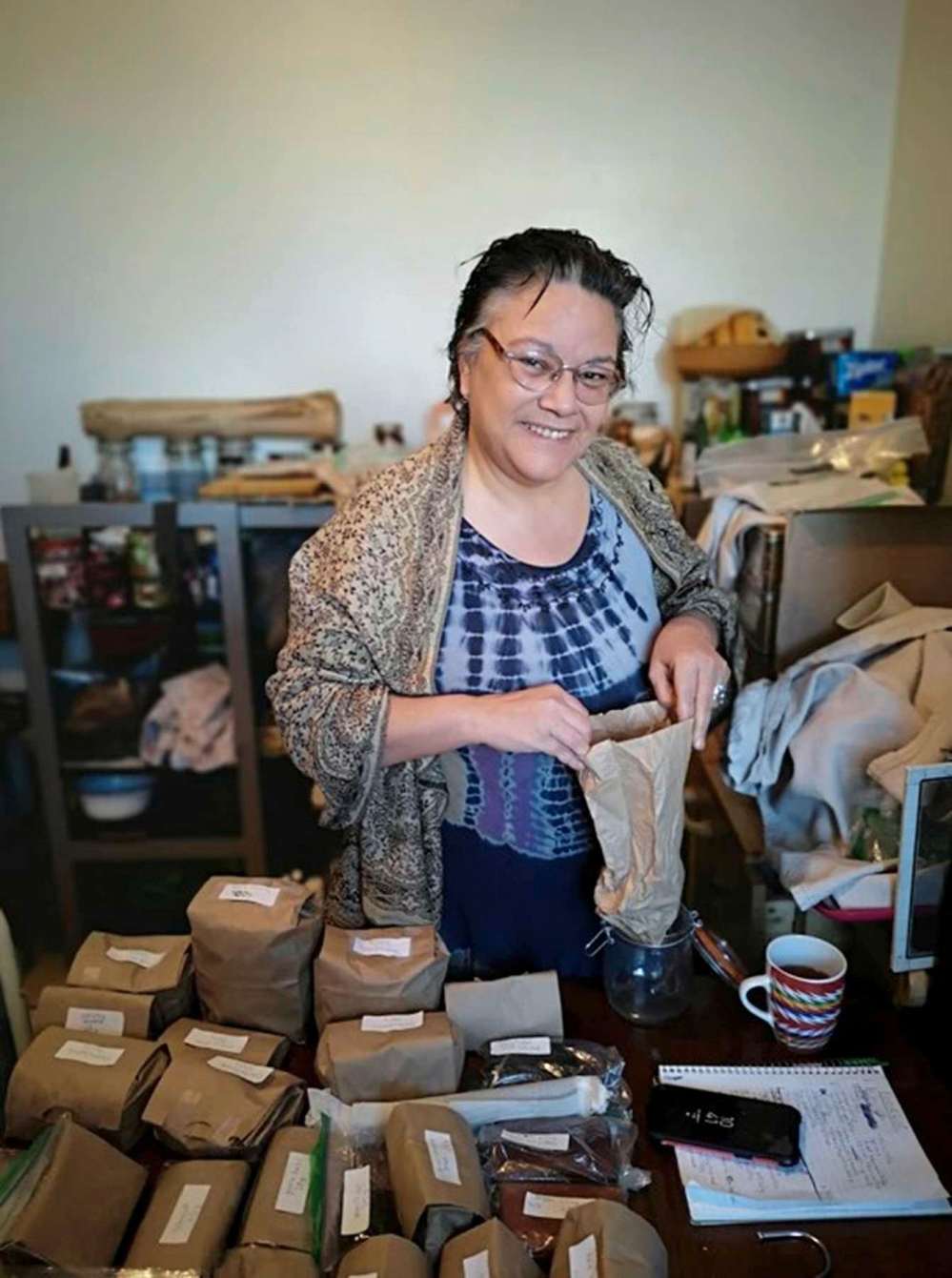
“I only eat when I’m hungry, which turns out to be only once a day, and an occasional snack in between, but I don’t even feel the urge to snack because I’m full.”
Logan said she was diagnosed with idiopathic pulmonary fibrosis last year, an incurable disease that results in scarring on the lungs, making it difficult to breathe. The life expectancy of a person with IPF is reduced to two to five years on average from the diagnosis date, without a lung transplant.
Logan also lives with a permanent spinal injury and cannot work as a result. With a food budget of $5 a day, foraging, gardening and dehydrating food is Logan’s way of surviving — and she’s sharing her knowledge to teach others to become self-sustaining, too.
“There is no access to healthy foods unless you are from a certain economic group, and not just an economic group but what’s around you; there’s what we call food deserts throughout a city that should not have any,” she said. Food deserts are described as areas with physical and economic barriers to access to healthy food.
There are practical and cultural reasons behind the method — it can reduce food waste and it’s cost-effective. Dehydrated foods also maintain their nutrients for longer. The practice can build appreciation for and connection to food, as well.
Changing her diet and relying on dehydrated foods also helped Logan lose weight and her diabetes went into remission, she said, because she stopped consuming processed and commercialized foods.
Logan, who is Nehiyaw (Cree) and Métis, incorporates Indigenous teachings in her knowledge-sharing on Instagram and Facebook. Traditionally, dehydration was a way to preserve food throughout the winter months when food was scarce.
The name of Logan’s project, which she said is not really a project but a way of living, is Dehydration Nations. Through her storytelling and educational social media posts, she hopes to spread knowledge to communities that are struggling economically and to help them become more sovereign.
Last year, with a grant from Indigenous Climate Action, Dehydration Nations sent food dehydrators to 12 communities in northern Manitoba, where food insecurity is especially rampant due to high food prices, regulations on traditional food gathering, geographic isolation and policy issues, research shows.
Logan recently led a workshop to teach the communities how to use the appliances.
Logan has been partnering with writer Anna Sigrithur and business consultant Laura Tyler to expand her online presence. The trio also developed a zine which details recipes, instructions and knowledge on food dehydration. Visit dehydrationnations.com to learn more.