



Take potential pet’s lifespan into account

Advertisement
Hey there, time traveller!
This article was published 28/06/2016 (3452 days ago), so information in it may no longer be current.
There is no debate that our life is improved by sharing it with pets. Not everyone is a pet person, granted. For those of us that are pet people, we find the addition of a companion animal into our lives can increase the enjoyment of that life immeasurably.
Some companion animals have big responsibilities on top of being a buddy. Seeing eye, seizure detection, PTSD support, these are just a few of the jobs a companion animal can be asked to do. Jobs that are life-changing, and the bond that grows outside the job is pretty special too.
For a pet that is not a working animal, there are other things to consider. Commitment is a big thing in pet partnership. We are making an obligation to a fellow resident of this earth, pledging to provide for them all that they need, for their lifetime.
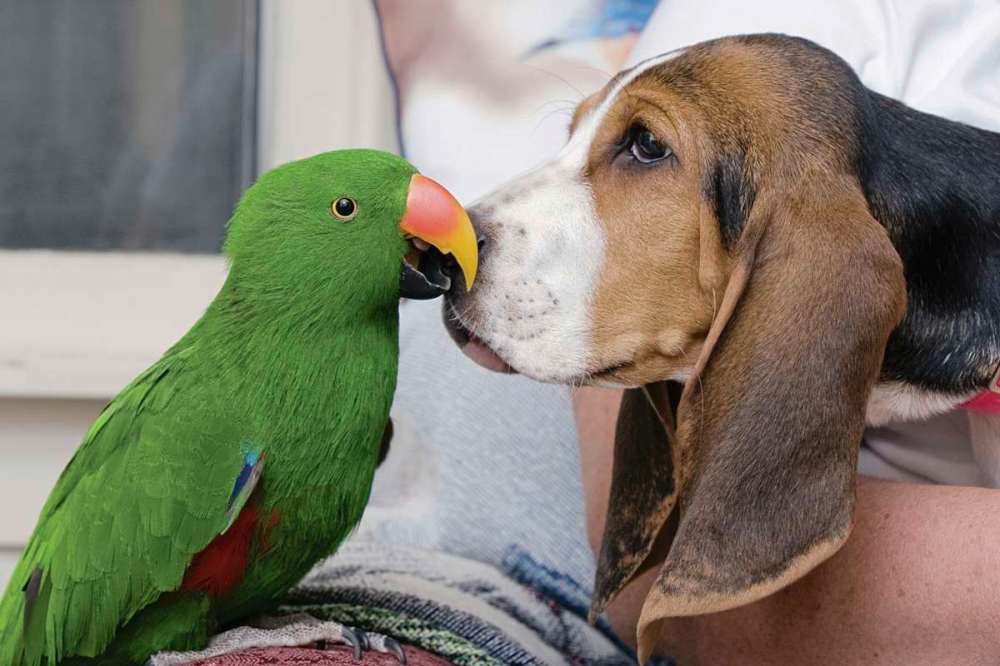
Too often, lifespan considerations aren’t taken into account during the research going into that decision, or how a pet’s lifespan will bridge our lifestyle changes. We don’t know for sure how our lives will change, but we have a general idea of where we want to get to, and those factors can be calculated into a decision.
A betta, a hamster or a rat, these are animals that will be with us a short time, three or four years at most. They are easy to take with us though changes in our lives. They don’t add a huge amount of interaction into our lives, but just having another living thing in the room can sometimes lighten one’s spirits.
A guinea pig, rabbit or bearded dragon is a five- to 10-year commitment. They will be with us a considerable time, and if we’re planning to travel the world three years from now, we have to plan how these pets will be cared for at that time.

A budgie, a gecko, a cat or dog can live 10 to 20 years. That is a considerable commitment to make, and needs a stable lifestyle to properly care for that animal, or at least a backup plan of someone who can take over care.
Parrots or turtles/tortoises can live as long, or longer, than we do. These can be multigenerational pets, and require a lot of consideration before getting one.
Adopting an older one of these animals is another option, as there are many that can outlive their owners, and sometimes family members aren’t capable of taking over the care of one of these very special pets.
Finding a home for an older animal is always difficult. Many people want a brand-new baby pet. For those willing to adopt an older pet, there are rewards beyond the fact that the pet should come already trained. Choosing a re-homed animal takes a special person, and both parties are usually rewarded through the decision.
Contact Jeff with your questions or ideas at aardvarkpets@shaw.ca or visit www.aardvarkpets.com
Jeff McFarlane
Pets Are People, Too
Jeff McFarlane is the owner of Thrive Pet Food Market. Contact him with your questions or ideas thrivepetfoodmarket@shaw.ca or visit www.thrivepetfoodmarket.com
Our newsroom depends on a growing audience of readers to power our journalism. If you are not a paid reader, please consider becoming a subscriber.
Our newsroom depends on its audience of readers to power our journalism. Thank you for your support.
Jeff McFarlane
Pets Are People, Too
Jeff McFarlane is the owner of Thrive Pet Food Market. Contact him with your questions or ideas thrivepetfoodmarket@shaw.ca or visit www.thrivepetfoodmarket.com
Our newsroom depends on a growing audience of readers to power our journalism. If you are not a paid reader, please consider becoming a subscriber.
Our newsroom depends on its audience of readers to power our journalism. Thank you for your support.
Advertisement Advertise With Us
Advertisement Advertise With Us