



Tips for changing your pet’s diet

Advertisement
I get a lot of questions about changing your pets’ diets. Either from one brand to another, or one format to another. The key to diet change is determining if you are going better or worse, and how hard the current diet is on the pet’s digestion.
While the comments I will make pertain to normally healthy dogs, there are always some exceptions. In general, though, following these guidelines works for most pets.
Your pet’s digestive system operates best on an “ancestral” or “species-appropriate” diet. This means that when they are fed something similar to what they would have eaten in the wild, the gut is used to working with that format, and switching between foods in that format should not be an issue.
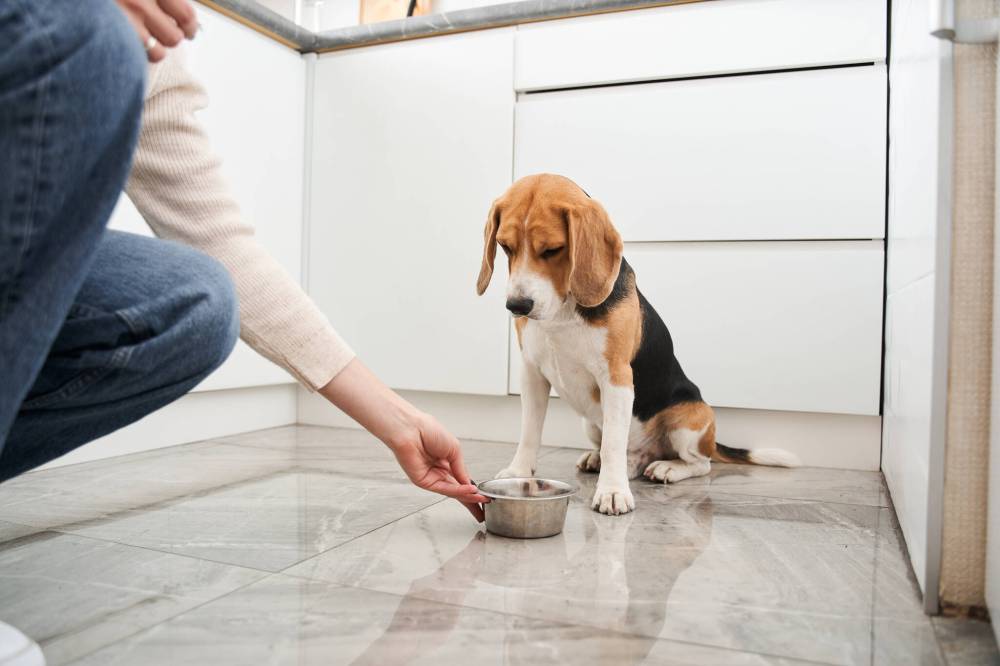
Adobe Stock photo
The guidelines for making changes to your pet’s diet are relatively simple, but it will take a little time to make a complete transition.
Pets can acclimate to ultra-processed kibble foods, but digesting those is stressful on the gut, and it’s very easy for the gut to get upset. When moving from one ultra-processed kibble to a different one, it is recommended to blend the two, using 25 per cent new food for a few days, then a 50/50 mix for a few days, switching to 75 per cent new food for a few days, and taking a week or longer to complete the transition. This way, the pet will get used to any difference between the foods, any of which can upset the digestive process if the change is too rapid.
In general, moving up a level to a cleaner food, is not an issue, but coming down a level can be trouble. If you are feeding a higher-end dry food and have to use a grocery store brand in a pinch, look out. This can be a real issue when travelling, especially when you forget your pet’s regular food. So, always remember their food. You should also plan ahead to ensure you can get it where you’re going or bring enough to last the trip.
Moving from an ultra-processed kibble to a baked food usually isn’t an issue, as the new food should be easier to digest. Likewise, moving to a freeze dried, dehydrated or frozen food should be similar. If they are made well, these are all “species-appropriate” diets, and most pets will adapt without issue or complaint. Many pet-owners have noted a lifetime of issues with loose stools and have just accepted that was how it was going to be — but, when they changed to a raw food, those issues cleared up almost overnight. Other options to reduce looseness include adding probiotics, which is never a bad idea, generally. Fibre sources such as psyllium husk or slippery elm can also help combat diarrhea.
Switching between brands and proteins with raw food is not usually a problem. Because the gut is working with foods it was designed to digest, things usually are fine. If there is a large difference in vegetable or fat content, you may see an issue, but if you stick to well-made, balanced foods that list a nutritional analysis on the package, it is easy to make sure you aren’t changing things up too radically. Then, because you are free to mix and match proteins and brands, you get a lot better balance of nutritional opportunities.
Jeff McFarlane
Pets Are People, Too
Jeff McFarlane is the owner of Thrive Pet Food Market. Contact him with your questions or ideas thrivepetfoodmarket@shaw.ca or visit www.thrivepetfoodmarket.com
Our newsroom depends on a growing audience of readers to power our journalism. If you are not a paid reader, please consider becoming a subscriber.
Our newsroom depends on its audience of readers to power our journalism. Thank you for your support.
Jeff McFarlane
Pets Are People, Too
Jeff McFarlane is the owner of Thrive Pet Food Market. Contact him with your questions or ideas thrivepetfoodmarket@shaw.ca or visit www.thrivepetfoodmarket.com
Our newsroom depends on a growing audience of readers to power our journalism. If you are not a paid reader, please consider becoming a subscriber.
Our newsroom depends on its audience of readers to power our journalism. Thank you for your support.
Advertisement Advertise With Us
Advertisement Advertise With Us