


Pets need more than kibble

Advertisement
Pet nutrition is a huge business, with some of the largest corporations heavily invested in the industry. We are inundated daily with ads on TV or in our socials with advertising shouting the benefits of this food or that. Even more in our socials, we see individuals making videos or reels about how they found better health for their pets though nutrition. I am very pleased that many of those are getting people to question the contention that pet food is little brown pebbles.
We see influencers talking about food they make at home, everything from crock pot recipes to fully balanced raw foods with supplementation. While they are inspiring, most people look at the video and then say to themselves “Who has that time?” and then scoop another cup of kibble into their pet’s bowl.
More companies are coming out with products that claim they are “un-kibbles” and are less processed and more appropriate for your pet. This is a great trend, and some of these products are truly game changing. But many simply have the same ingredients as kibbles, just processed in a different way. As always, reading the ingredient panel of a label will reveal so much about the product.
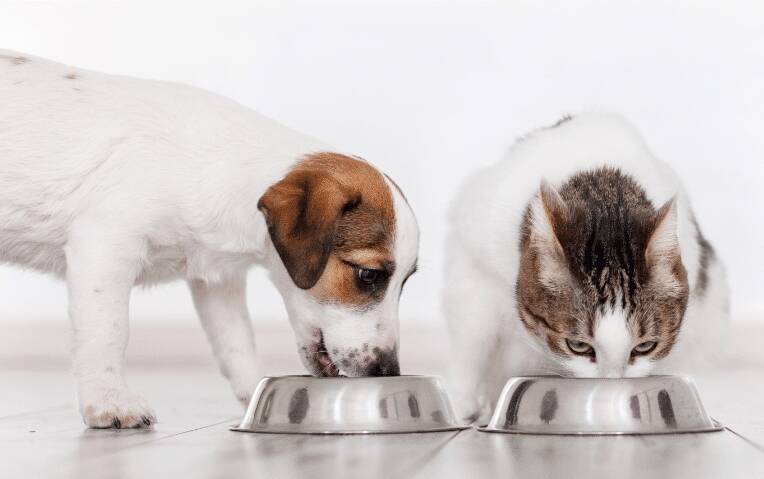
File photo
Pets columnist Jeff McFarlane is glad to see more pet owners question the contention that pet food is little brown pebbles.
Meat will always be the first ingredient on any pet food today, there’s no way a company wouldn’t make sure that is the case. But meat first does not mean mostly meat. Many meat ingredients start off with more moisture in them than other ingredients, so while the “before processing” weight lets them be listed first on the label, many times, after the water is removed, they would move down the ingredient list, sometimes many spots. Yes, this is deceptive, but a standard marketing tool in the industry.
If a product has many meat ingredients before any plant products, it will, of course, have more meat in it. Since our carnivore pets are designed for meat proteins, this is much better. But still, they may have a lot of plant proteins and carbs that they just do not need in a non-kibble product. Kibbles need the starches to make that crunchy nugget. Fresh, air dried, freeze dried or dehydrated foods do not. But plant based proteins and carbs are much more affordable ingredients, so they are often used. So read that label carefully. Many offerings may seem much better than kibble, but the ingredients can be much the same.
Since lower processed foods retain more of their nutrition, less synthetic vitamins and minerals need to be added. Many can create a fully balanced food without any additional vitamins. If the bag says “balanced to AAFCO standards”, that’s a pretty good sign that it has what your pet needs, and if it says that and “no synthetic vitamins,” that’s an even better sign.
Fresh or frozen products have the advantage of being hydrated, meaning the pet has to drink less water. For a dog, not that important, they can drain a water dish in seconds. But for a cat, hydration is a big factor. We have a lot of issues with urinary tracts in cats, like infections, blockages, or stones. Many of these are linked to cats getting only dry foods, and not being able to properly hydrate because cats have a hard time drinking. They are designed to get their water from their prey, so their tongues never developed the gulping method of drinking. Basically, to hydrate, cats dip their tongues into the water and what sticks to their tongues is what they get. So it is very hard to get enough water, which is why even vets will recommend that you feed some wet foods to any cat.
But again, just because a product is less processed — fresh or frozen — does not mean it is made with better ingredients or had better nutrition than other foods. They are more likely to, but some manufacturers are promoting foods as being better, however when you read the labels, they are full of carbs and plant based proteins.
Anyone who reads my column regularly knows my feelings about pet nutrition, and the reasons I have those feelings. Yes, I sell raw pet foods, many that are 100 per cent meat. I don’t use raw foods because I sell them, though. I sell them because I use them, and believe they are the best option for our pets. It is my experience that feeding a variety of different, balanced raw foods is the optimal option for our pets.
Lately, it occurred to me that in my conversations with people about the benefits of raw, many have been wary because of things they’ve been warned about. What dawned on me is that most of the cautionary advice is coming from people that have never fed raw.
When you talk to someone who does feed raw, they will be happy to tell you all the benefits, and show you their shiny, healthy, vibrant pets. The most important question there, though, is “Would you ever go back to dry?”
I don’t know of anyone who would voluntarily go back to dry foods. And that, my friends, says it all.
Jeff McFarlane
Pets Are People, Too
Jeff McFarlane is the owner of Thrive Pet Food Market. Contact him with your questions or ideas thrivepetfoodmarket@shaw.ca or visit www.thrivepetfoodmarket.com
Our newsroom depends on a growing audience of readers to power our journalism. If you are not a paid reader, please consider becoming a subscriber.
Our newsroom depends on its audience of readers to power our journalism. Thank you for your support.
Jeff McFarlane
Pets Are People, Too
Jeff McFarlane is the owner of Thrive Pet Food Market. Contact him with your questions or ideas thrivepetfoodmarket@shaw.ca or visit www.thrivepetfoodmarket.com
Our newsroom depends on a growing audience of readers to power our journalism. If you are not a paid reader, please consider becoming a subscriber.
Our newsroom depends on its audience of readers to power our journalism. Thank you for your support.
Advertisement Advertise With Us
Advertisement Advertise With Us