


The fascinating ways animals survive winter

Advertisement
Hey there, time traveller!
This article was published 01/02/2019 (2678 days ago), so information in it may no longer be current.
I find that January and February are the most difficult winter months to get through, don’t you?
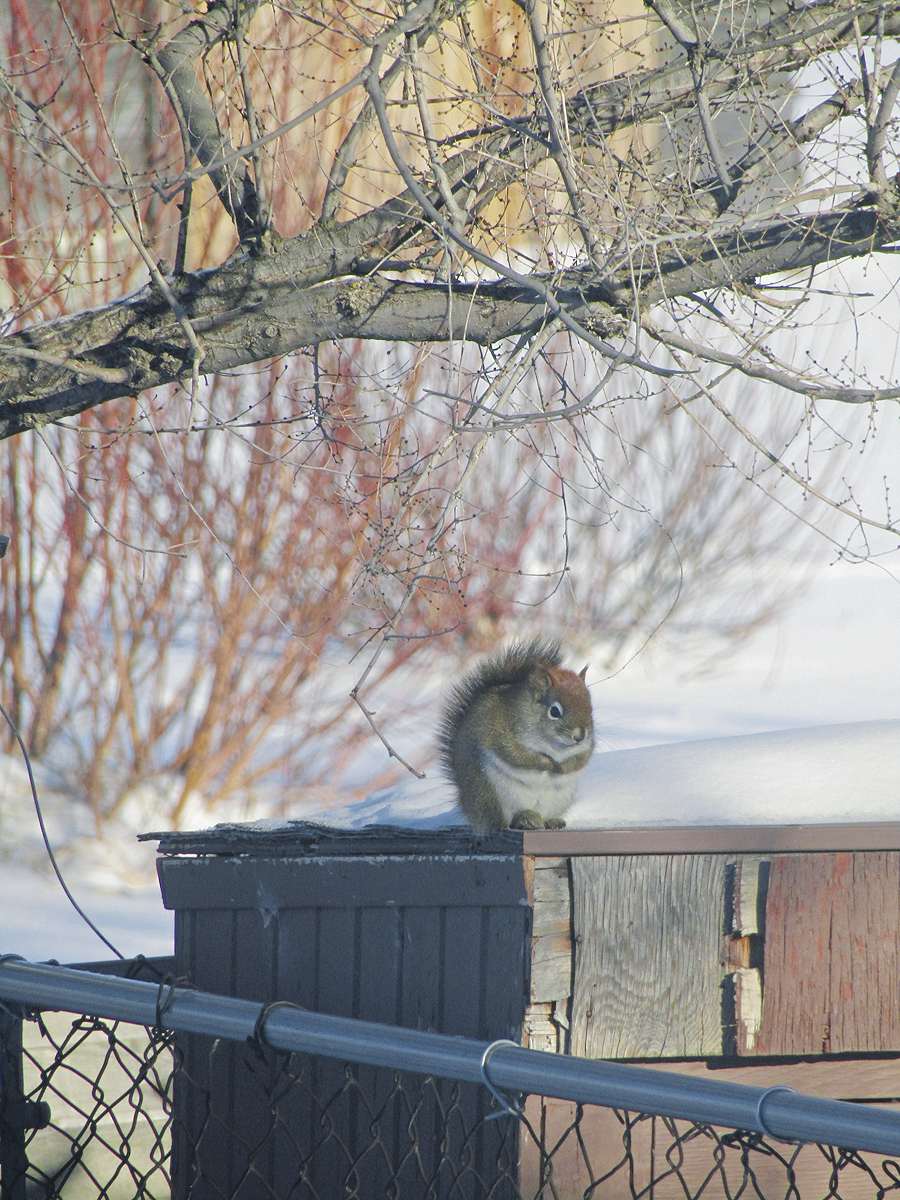
The frigid temperatures and harsh winds result in a lot of time spent inside, wrapped in blankets and watching the frosty world from the comfort of my living room.
Just outside the window, I’ve placed a well-stocked bird feeder, and I’m always amazed at the variety of wildlife it attracts this time of year.
Besides the obvious feathered visitors, such as woodpeckers, chickadees, and sparrows, there are also feisty red squirrels, skittish cottontail rabbits, and a family of curious deer.
It’s hard to believe that anything can brave the extreme winters we have without heaters and hot chocolate, and I want to know what these hardy creatures’ survival secrets are.
As it turns out, birds have some incredible techniques for dealing with the winter weather. Chickadees are able to expand by 30 per cent a part of their brain that deals with memory in order to find where they’ve previously stashed food.
When it’s at its coldest outside, chickadees can also drop their core temperatures down to allow themselves to enter a nightly hypothermic state, which helps them use less energy.
Another important trick many overwintering birds use is puffing their feathers up to create air pockets that act as insulation from the cold. They also alternate standing on one leg and tucking the other up into their feathers to keep their little feet warm.
Cottontail rabbits survive winter by being less picky about what they eat. Once there is enough snow on the ground to limit access to other food sources, cottontails will resort to eating bark from young trees and shrubs. They also seek shelter wherever possible, from the weather and from hungry predators such as owls and coyotes.
Deer rely on their ability to slow their metabolisms down during the winter and will move less to conserve energy. They’re able to use fat stores in their body to make it without nutritious food sources until spring. They also grow a thick winter coat that helps keep them warm.
Squirrels are notorious for stashing food to nibble on throughout the winter months, and will beat the cold by shivering, packing on a bit of fat, and sometimes even sharing dens to stay warm. I often see them out on even the coldest of days, so I guess they’re doing something right!
Melody Rogan is a community correspondent for Radisson. You can email her at preeneditorial@gmail.com
Our newsroom depends on a growing audience of readers to power our journalism. If you are not a paid reader, please consider becoming a subscriber.
Our newsroom depends on its audience of readers to power our journalism. Thank you for your support.
Our newsroom depends on a growing audience of readers to power our journalism. If you are not a paid reader, please consider becoming a subscriber.
Our newsroom depends on its audience of readers to power our journalism. Thank you for your support.
Advertisement Advertise With Us
Advertisement Advertise With Us