


Time to end breed-specific dog ban

Advertisement
Winnipeg has so many positive things going for it. We moved here 26 years ago to start a business and a new life, escaping the hustle and bustle of Toronto. It was the best move of our lives, and we are so grateful to our friends and neighbours for being just the best you could want.
One dark mark on the city, though, is the continued existence of breed-specific dangerous pet legislation in the City of Winnipeg’s bylaws. The banning of pit bulls was widespread in many jurisdictions around the globe in the 1980s, and Winnipeg enacted its own ban in 1990. Meant to protect Winnipeggers from potentially dangerous dogs, the bylaw’s original intent seemed logical.
In the decades since, sentiment has grown away from breed-specific bans in many places, spearheaded by many rescue groups, which were finding it harder and harder to place dogs that could potentially be seen as pit bulls. Many municipalities have rolled back or revised their pit bull bans, preferring instead to use “dangerous dog” designations, that can mean any dog, regardless of breed, which poses a threat to public safety.
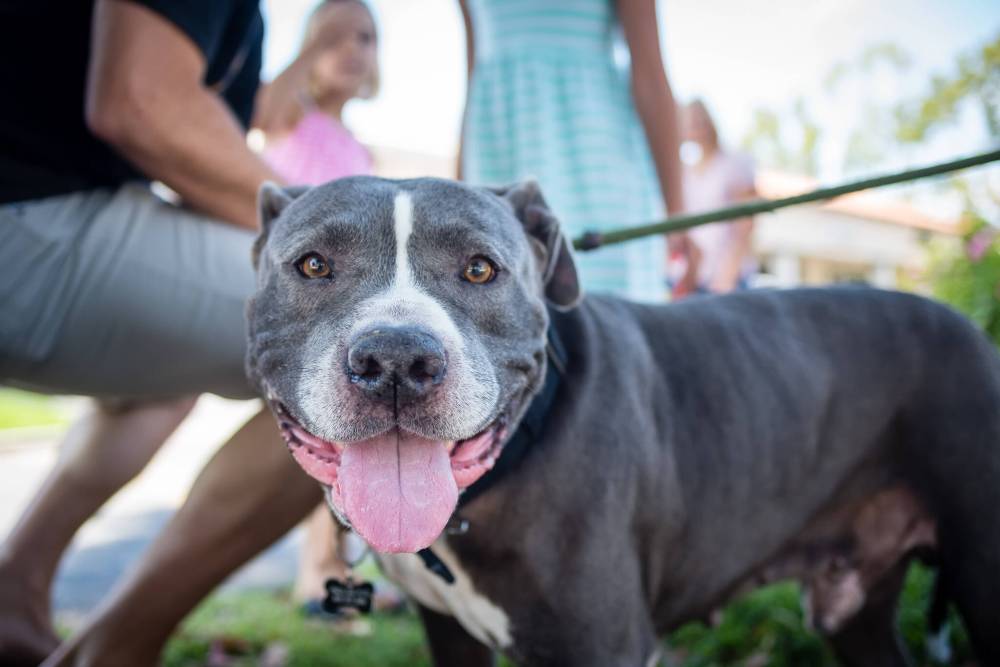
Adobe Stock photo
Because Winnipeg responsible pet ownership bylaw includes provisions for dangerous dogs, the city does not need its breed-specific dog ban, pet columnist Jeff McFarlane argues.
Dog fighting is a despicable and deplorable practice that has almost been eliminated from society. But the stigma of how pit bull breeds excelled in that arena has dogged their existence, creating a false impression that all pit bulls are dangerous. Many people not intimately aware of the breed believe they are pure evil and untrainable.
Like any dogs, pit bulls can be dangerous. But so can Labradors, poodles, and even Chihuahuas if not properly trained and controlled.
Today, people who are involved with pit bulls, either in rescue, foster or ownership, believe they have been unfairly judged and restricted. Unlike owners of non-pit bull breeds, they are aware of the potential dangers of their dogs and work vigilantly to prevent any incident from happening.
No one is saying that all pit bulls are meek and mild pets suitable for families with small children. Likewise, they are not all bloodthirsty killers. Rescuing a pit bull requires assessing it and placing it into an appropriate situation, with caregivers who are conscious of the care and training that their charge requires.
The number of Tik Toks and reels that feature pit bulls with babies, or rabbits and ducklings is quite interesting. Of course, clickbait happens when you put things together that people generally would not imagine. But the sentiment holds, not all pit bulls are beyond redemption.
Winnipeg has a responsible pet ownership bylaw, with very distinct provisions for the handling of “dangerous dogs.” If a dog is deemed dangerous to the public, it can have measures enforced on how it is to be cared for, housed, restrained, muzzled, etc. such dogs, if not cared for appropriately, or if they are involved in an incident, can be seized and/or destroyed.
This dangerous dog provision is not assessed based on the breed of the pet. It is also why advocates of pit bulls, in addition to many veterinarians and even the Winnipeg Humane Society have called for the removal of the breed-specific ban. Any dog, pit bull or not, is subject to the dangerous dog provision, so there is no need at all for the pit bull ban.
In 2022, Winnipeg city council narrowly voted against ending the breed-specific ban.
As the 2026 civic election approaches, the fight to remove the ban continues, and if you want to get involved, there are many groups out there.
Most importantly, with an election coming, find out where your council and mayoral candidates stand on the issue, and let them know you will not vote for someone who wants to preserve this illogical ban.
Jeff McFarlane
Pets Are People, Too
Jeff McFarlane is the owner of Thrive Pet Food Market. Contact him with your questions or ideas thrivepetfoodmarket@shaw.ca or visit www.thrivepetfoodmarket.com
Our newsroom depends on a growing audience of readers to power our journalism. If you are not a paid reader, please consider becoming a subscriber.
Our newsroom depends on its audience of readers to power our journalism. Thank you for your support.
Jeff McFarlane
Pets Are People, Too
Jeff McFarlane is the owner of Thrive Pet Food Market. Contact him with your questions or ideas thrivepetfoodmarket@shaw.ca or visit www.thrivepetfoodmarket.com
Our newsroom depends on a growing audience of readers to power our journalism. If you are not a paid reader, please consider becoming a subscriber.
Our newsroom depends on its audience of readers to power our journalism. Thank you for your support.
Advertisement Advertise With Us
Advertisement Advertise With Us