


A smackerel of honey at École Leila North
Pilot project aims to make community aware of bees’ contribution to the environment
Advertisement
Hey there, time traveller!
This article was published 26/05/2017 (3375 days ago), so information in it may no longer be current.
The bees are buzzing at École Leila North Community School with a new urban beekeeping project launched in partnership with BeeProject Apiaries.
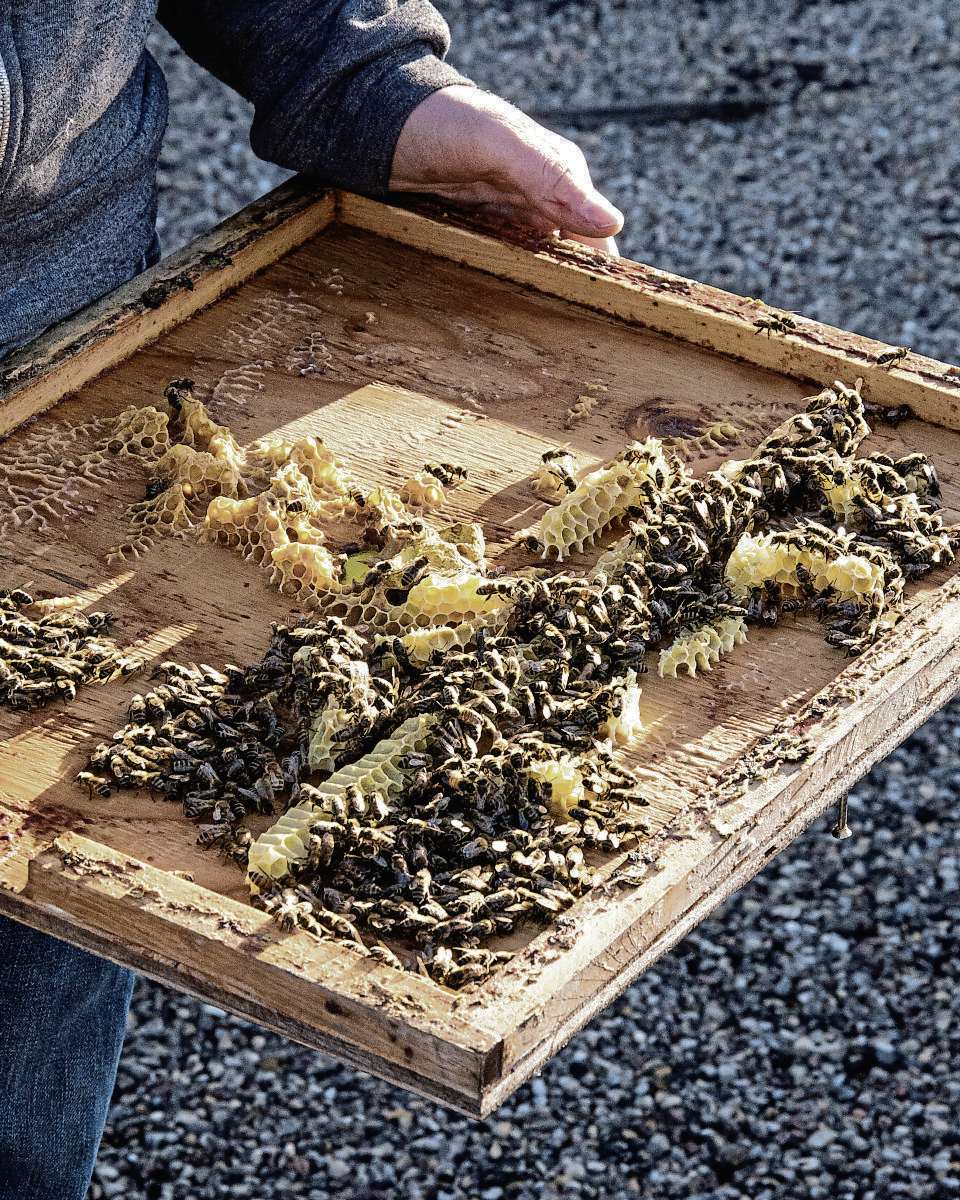
Just in time for the spring bloom, principal Scott Shier, vice-principal Jenny Hughes and food and nutrition teacher Ashley Fempel watched as Chris Kirouac, co-owner of BeeProject Apiaries installed two hives on the school’s rooftop. École Leila North Community School is the first educational site in Manitoba.
BeeProject Apiaries’ goal is to introduce the idea that urban settings are the best for honeybees. Kirouac said bees are responsible for the production of one third of the overall agricultural produce in the world. The pollination process ensures we get colour and nutrition to our diet.
He explained that there are some factors causing the decline of the bee population. There’s a combination of diseases and pests that target the honeybee. Other issues are due to chemical usage in rural areas such as pesticides, and habitat decline.
“They need flowers to make nectar and get pollen from,” he said. “With removing the natural habitat, the natural flowers and plants, we are losing some of that nutrition for them. So the areas on the countryside where monoculture farming is the predominant way of farming, it can be quite hard on keeping honeybees healthy.”
Shier said the school’s teachers and staff try to include a sustainability aspect in every lesson. Partnering with BeeProject was something they felt fit their community and helped educate their students a little more, he added.
BeeProject will come to the school and teach the kids about the importance of bees and how they work to produce honey, but Shier said he and the students are much more knowledgeable already. In a week they’ve learned how bees contribute to the environment and the difference between bees and wasps.
“Our main purpose with everything that we do is the education piece of it,” Shier continued. “We want our students always to be leaders. The knowledge of sustainability and what sustainability means allows them a wider scope where they can go in the world.”
Each hive has approximately 10,000 bees and one queen. The rooftop area was selected because it is out of public reach and offers the honeybees a clear flight path above students, staff and community members.
“Typically bees get a bad rap, but they are actually very docile and won’t sting unless they feel threatened,” Kirouac said.

Hughes said the students’ relationship with bees changed ever since they started learning about the project.
“(The students) have seen very minimal of them (bees) on ground level, but what we have seen has been positive, and the kids know they are safe,” Hughes said. “By placing them on rooftops, bees are out of reach…and it provides them with a safe location to do what they would normally and naturally do in an urban setting.”
The honeybees will help pollinate surrounding trees as well as flowers in the school yard and neighbourhood. The honey from the hive will also be more flavourful because of the variety of plants and flowers available to the bees.
BeeProject will be visiting the school every one to two weeks to check on the hives which should produce 20 to 25 kilograms of honey by July. The school is working on developing a business model to sell the honey to the community, with proceeds going towards growing and maintaining the hive project and planting bee-friendly trees and flowers.
“People in the community have said they are excited to taste honey from their neighbourhood,” Shier said.
BeeProject is currently only hosting urban hives at organizations. They are on the process of getting authorization from the city to place hive in residences. To learn more about BeeProject and their urban beekeeping program or host an urban hive, go to beeproject.ca