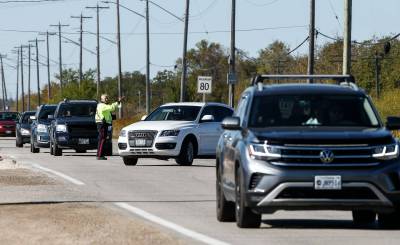
At the same time the Winnipeg Police Service was saying their officers were burnt out from overtime and needed reinforcements — read: more police officers hired — they also seemed to be stationed in every grocery store, looking a little bored, doing something called “special duty” overtime.
This got Free Press summer intern Matthew Frank thinking: what exactly is special duty policing and who benefits from it? He filed a freedom of information request asking for data on the clients Winnipeg police have billed for this off-duty overtime work.
From there, he and I combed the data to find trends, discovering that Loblaw was the biggest buyer of special duty time — but taxpayers were also paying via the city and the provincial governments’ use of the service.
As for who benefits from it, that depends on who you ask.
Officers say it’s a perk of an often-stressful job, and retailers say it helps combat shoplifting. But critics call it a “cash cow.”
The mayor, for his part, says he is “open” to changing the city’s current position on hiring special duty officers for traffic purposes.
-Katrina Clarke