|
As a food reporter and longtime CSA subscriber, I thought I had a pretty good handle on the local food landscape. Hoo boy, was I wrong.
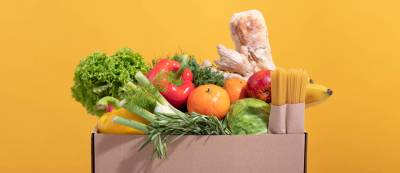
Last week, I published a made-in-Manitoba grocery list (which you can download here) to assist shoppers in the current wave of patriotic consumerism.
My goal was to include a mix of products available at major supermarkets and specialty grocers, as well as an overview of the produce and protein grown and sold by local farmers. Easy peasy, right?
Advertisement

I spent weeks combing through business websites of varying quality, food and beverage databases, ag news, commodity group announcements, farmers’ market listings and the social media pages of many, many small producers. I also joined the masses peering intensely at product labels in store aisles.
An aside: I love that the grocery store is a living gauge for public sentiment. It’s a rare common space where people from all walks of life converge and where major social and economic shifts can be felt in real time. The grocery store is where I first experienced widespread masking and social distancing in 2020, and it’s now a venue for visible political distancing in the wake of President Trump’s trade war with Canada.
But, back to the grocery list. This project had an extra layer of complication because the definition of “made-in-Manitoba” is murky and sometimes impossible to discern.
Eggs are a good example of this. While most of the eggs at the supermarket came from local egg farms, they’re processed and graded in facilities owned by large national companies.
Likewise, lots of the milk and meat sold in stores may hail from Manitoba livestock, but the industrial production line is so vast the resulting products aren’t entirely local.
Coffee beans don’t grow in Manitoba, but there are local roasters making their own blends.
You’ll also notice Old Dutch is absent from the list. While the chip-maker’s Canadian head office is located in Winnipeg (right next to the Free Press building, in fact, which means the area is often awash with the smell of frying potatoes), the company was actually founded in Minnesota and remains American-owned.
Making this grocery list was illuminating and inspiring. While it might not be easy or feasible in every season, it is entirely possible to fill your fridge and pantry with Manitoba-made food. We’re lucky to have such a bounty of options.
I hope this grocery guide has been helpful! I’d love to hear if you’ve been using it or if you’ve adjusted your shopping habits in light of the never-ending nastiness coming from our southern neighbours.
|