|
This past week the Assembly of First Nations expressed deep disappointment and outrage after the Senate rejected an amendment to bill C-9 (the Combatting Hate Act) that would have rendered residential school denialism a punishable crime.
For those who don’t know about the Combatting Hate Act, proposed by the governing federal Liberal party, the bill is intended to address the rising amount of hate crimes, hate speech, and intimidation of vulnerable communities.
For a bill that seeks to reduce conflict, it sure has created a lot of it.
Among other things, it seeks to define what “hate speech” is, make it a crime to interfere with a group’s ability to access places of worship, schools, daycares, seniors’ residences, and community centers and prohibit the public display of certain symbols associated with hate against an identifiable group (such as a Nazi insignia).
A few days ago, Nunavut Senator Nancy Karetak-Lindell put forward an amendment to the bill to make it a crime when anyone is found to be “willfully promoting hatred” against Indigenous peoples by condoning, denying or downplaying the residential school system.
In a vote of 32-41, the amendment was rejected.
The bill, however, did pass and is now on the way to becoming Canadian law.
That law just won’t include residential school denialism.
Residential school denialism is not the denial of the existence of residential schools but “the rejection or misrepresentation of basic facts about residential schooling to undermine truth and reconciliation efforts . . . in ways that ultimately protect the status quo as well as guilty parties.”
Those who disseminate residential school denialism claim they have a right to free speech. What if, though, this “free speech” is predicated on misinformation, built on ideas lacking any legitimate research, and preys on the ignorance of those who were taught very little — if anything — about Indigenous peoples?
Then it’s something else.
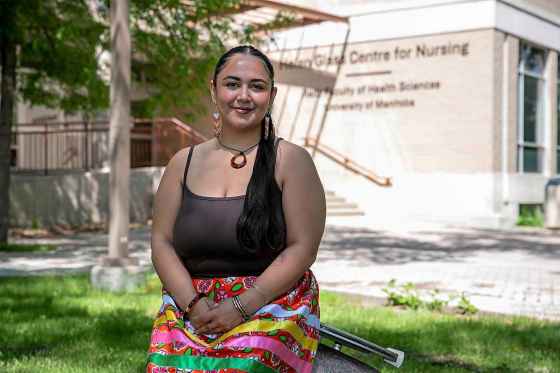
Full disclosure: I have lots of thoughts on residential school denialism.
I have spoken, and given many interviews on residential school denialism.
My University of Manitoba colleague Sean Carleton and I have even co-edited a book of essays coming out in September called Truth Before Reconciliation: Confronting Residential School Denialism featuring more than a dozen residential school survivors, researchers and academics.
In case it isn’t obvious by this point, the issue is not whether residential school denialism is wrong but whether it should be criminalized. Many Canadians think it should be.
The majority of Canadian senators don’t agree.
There is much precedence in criminalizing hate speech in Canada, though. In 1970, the federal government amended the Criminal Code of Canada to include provisions that made publicly inciting hatred and willfully promoting hatred against identifiable groups an indictable offence.
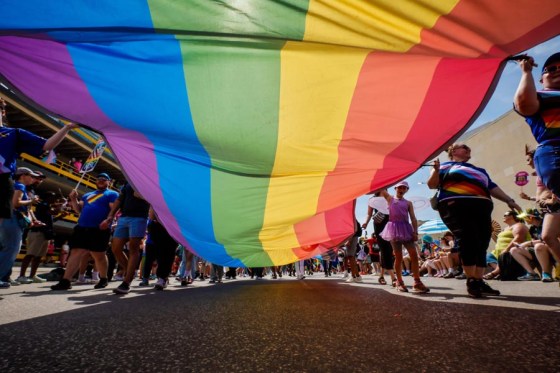
Since this time, certain groups, such as LGBTQ2S+ peoples, have received important protections.
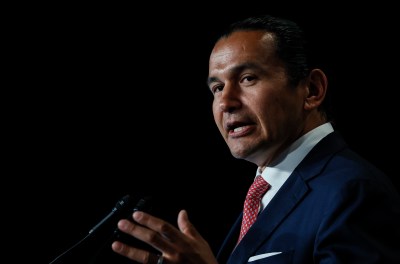
So have Jewish people, who Prime Minister Mark Carney has vowed to protect and even created a national council to advise the government on how to deal with anti-semitism.
As the prime minister has said, bill C-9 will criminalize expressions of prejudice or bias against Jewish individuals, communities or institutions and stop the scourge of anti-semitic violence, vandalism, harassment and intimidation that infects Canadian society.
The problem is, though, you can’t simply decide one marginalized group gets protection from hate while others — especially those who receive as much, if not more — do not.
To do so is to embolden the kind of divisions and conflicts that bill C-9 seeks to stop.
|