|
Bullies — whether in business or on the playground — are often best handled by refusing to play their games.
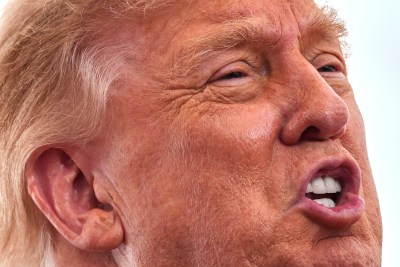
In the case of international trade, it’s Donald Trump who is the bully. In the case of the Winnipeg Jets, it’s Connor Hellebuyck trying to bully general manager Kevin Cheveldayoff into a trade.
We can bang the drum of civic pride all we want, but for both the Jets organization and Hellebuyck, hockey is a business. Mark Chipman is trying to fill his stands and empty his beer coolers while Hellebuyck is trying to line his pockets and scratch one more item off his hockey bucket list.
Nothing is wrong with either scenario, except in Hellebuyck’s case, this: he signed a contract and committed to being a Jet for life. That makes Chevy well within his rights to hold out for the deal he wants in a trade. The netminder’s only option is to refuse to report.
If that happens, Chevy would be in the right to say, “Thanks for clearing up $8.5 million in cap space. Let us know when you change your mind.”
Sometimes, parking an asset and not setting dangerous precedent is a better option than selling it for a meagre return just to get a deal out of the way.
Until something happens, it’s my opinion the media should park this story, as well. Truth is, aside from the Jets’ “no update” and Hellebuyck’s announcement, we really don’t know anything. But we won’t, sadly.

Jets GM Kevin Cheveldayoff shouldn’t cave to Connor Hellebuyck’s trade demand until the right deal is offered. (Tony Gutierrez / The Associated Press files)
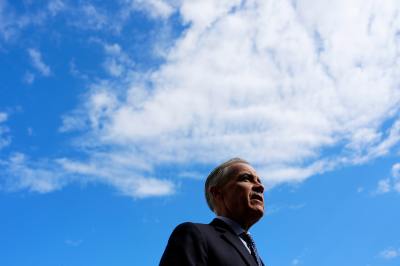
Speaking of games, Mark Carney is refusing to play Trump’s, and if Bloomberg News reports of a massive trade, security and co-operation deal with the European Union set to be signed Sept. 16 are correct, it’s likely the right call. According to Carney, the U.S. wanted veto power over Canada’s trade deals.
Of course, the U.S. administration rocketed to the airwaves to proclaim the collapse of the trade deal was Canada’s fault. Keep in mind this is the same administration that wants to downplay the Smoot-Hawley tariffs, as well as the devastating economic impact of nearly identical tariffs in 1890 that cost William McKinley a U.S. Senate seat, so take any denial with several grains of salt.
Canada’s response to McKinley’s 50 per cent tariffs? Defensive nationalism, counter-tariffs on U.S. goods and a rejection of American annexation efforts. Sound familiar? The effects on American prices cost the Republicans control of Congress and the White House and the law was replaced by a lower-tariff structure in 1894.
Advertisement

Putting the U.S. denials of fault to a lie, however, is Trump himself. When asked if the U.S. added last-minute items to the pact, Trump’s response was, “That sounds like me.”
Of course the newest threat is to bar the sale of Bombardier jets in the U.S. until they are fully made in America. One small problem: a significant portion of the Montreal-based business’s construction is already done in the U.S., at plants in Kansas, Texas and Indiana, which employ 3,500 Americans.
It all just boggles the mind.
|