FIVE STORIES ON TURTLE ISLAND
1. Last week, the Assembly of First Nations released a new assessment report which shows there is a $19-billion “infrastructure gap” between Canadian education systems and those that exist on First Nations reserves.
The report studied 395 schools located on reserves across Canada and found that more than 225 First Nations schools are overcrowded, 77 First Nations schools require immediate replacement, and housing is essential for recruiting and retaining qualified educators to come teach on First Nations.
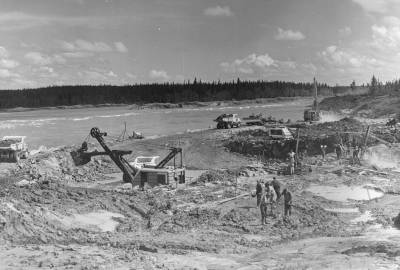
2. A big vindication arrived for the community of Opaskwayak Cree Nation late last week when a federal court ruled in favour of their claim Canada has had a “fiduciary duty” to consider and help protect the community’s traditional lands which have been devastated by the Grand Rapids hydroelectric dam since the 1960s.
The case, argued last February, proves the federal government must compensate the community with approximately $27 million.
3. The much-hyped Toronto International Film Festival (TIFF) is happening now and Indigenous filmmakers are making their usual splash.
Cree filmmaker and actor Cody Lightning’s new feature film Smudge the Blades is getting a lot of buzz, and premiered at the festival.
Indigenous filmmakers from across the world often première their films at TIFF and here’s a great listing of some that will make their debut.
Speaking of Lightning, please join me in sending much love to his family after their mother, the remarkable filmmaker Georgina Lightning, was tragically killed on Sept. 5 while on a film shoot.
4. Sapotaweyak Cree Nation is on alert after a 21-year-old man was found dead from a what is being called an animal attack but “not a bear.”
Community leadership issued a memo advising residents to avoid walking alone, especially at night.
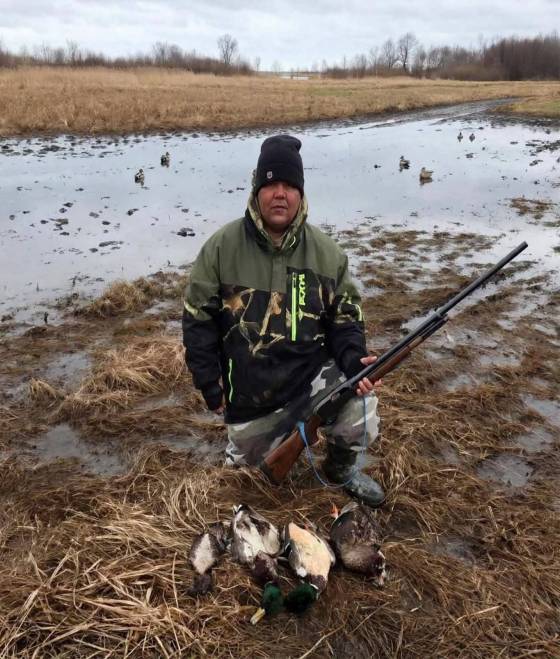
Moses Campeau was an avid outdoorsman, his grieving mother said. (Facebook)
5. In the south, the Federal Bureau of Investigation — which has a special legal jurisdiction when major crimes happen on tribal lands in the United States — is offering a “minimum reward” of US$25,000 to anyone who can help solve more than 50 unsolved decades-old cases of homicides and missing persons in Native American communities.
The epidemic of missing and murdered men and women on tribal lands has been an ongoing issue the FBI has been pursuing for quite some time now but this offer of money for tips to solve crimes is a new turn.
IN PICTURES

North of North actors Zorga Qaunaq (left) and Anna Lambe (centre) and show co-creator Alethea Arnaquq-Baril (right) on Monday. The Winnipeg Art Gallery-Qaumajuq partnered with North of North for a Crafted on the Catwalk show. (Mikaela MacKenzie / Free Press)
RECONCILI-ACTION OF THE WEEK
Every week I highlight an action, moment, or milestone forwarding reconciliation, illustrating how far Canada has come — and how far the country has yet to go.
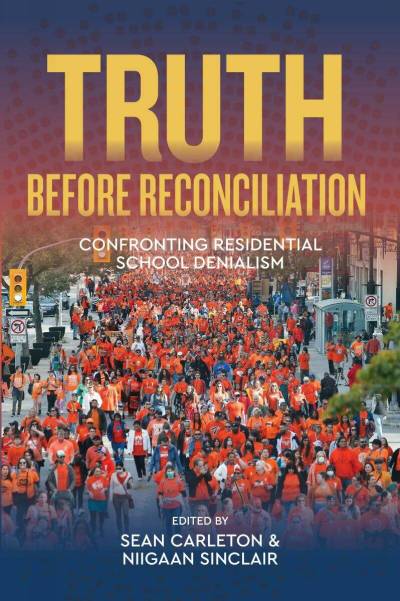
The reconciliaction of the week is to my co-editor Sean Carleton and the 23 colleagues, residential school survivors and other relations who participated in creating our collective book Truth Before Reconciliation: Confronting Residential School Denialism, which is being launched this week at McNally Robinson.
The book went on sale two weeks ago and has already landed on “must-read” lists. Here’s an early review by academic Sheila Jones, if you’re curious.
For anyone who wants to learn more about residential school denialism, I’ve written and spoken on the subject, but this book offers many more takes from other legitimate and credentialed researchers and leaders from across the country.
As described on the book jacket, Truth Before Reconciliation is “a valuable tool to help develop the historical and information literacy needed to identify and combat denialism and anti-Indigenous racism as we collectively build a more honourable future for all.”
|