Winnipeg Free Press | Newsletter
|
Reconciliation’s role in combatting HIV
|
|
For weeks, Indigenous leaders and advocates in Manitoba have been holding public health events to combat the stigma surrounding HIV. Manitoba is currently an epicentre for a severe HIV outbreaks, with 20 cases per 100,000 people — a rate three times higher than the rest of Canada.
This has prompted provincial health officials to declare a public health emergency.
First Nations, Inuit, and Métis peoples in this province are disproportionately impacted by HIV, with seven in 10 of individuals in the Manitoba HIV program self-identifying as Indigenous.
Of those people, Indigenous women and northern residents are most often affected.
My colleague, CBC producer and longtime CBC Indigenous contributor Lenard Monkman recently produced a documentary about this subject.
Statistics in the 2025 Manitoba HIV Program Update report also identify Manitoba’s outbreak is heavily related to the ongoing issues of addiction, poverty and lack of suitable housing.
Preventing HIV, therefore, isn’t just about sexual education but understanding the historical, political and social causes that lead to infections.
I hope that everyone understands that HIV, like any disease, doesn’t discriminate; however, it is discrimination — particularly of the socioeconomic and racial variety — that leads to increasing cases of HIV.
Combating HIV means combating social divisions and therefore embedding ourselves in reconciliation.
|
|
Niigaan Sinclair, Columnist
|
|
|
|
Advertisement

|
FIVE STORIES ON TURTLE ISLAND
-
Indigenous leaders in Ontario are demanding accountability after some city officials in Niagara Falls suggested the relocation of First Nations evacuees negatively affects tourism. Last year, hotels in the city housed almost 5,000 people from various First Nations communities in Manitoba due to forest fires. The mayor of Niagara Falls says he wants to support a “Team Canada” approach but he argues life in Niagara Falls is affected. As he says: “We’ve got a lot of unhoused people, but the fact is they’re living in a hotel room. How long can you stay in a 300-square-foot hotel room with your family? You want to get out, you get stir-crazy, so they’re walking around and it’s leading to other issues, too, like, trying to educate them, schooling, they want to go play in the park — it’s just too much at one time for one city.”I got some news for you Mr. Mayor: this is Canada.
-
-
-
This week, the United States Supreme Court struck down U.S. President Donald Trump’s executive order to end birthright citizenship, reaffirming the more than 100-year-old understanding that nearly all of those born in the United States are citizens. I’ve written several times about Trump’s attempt to end birthright citizenship and how this impacts Native Americans who are considered “domestic dependent nations” and only receive U.S. citizenship because of the Indian Citizenship Act passed by Congress in 1924. This would have been threatened by Trump’s executive order but not now (or not until the next executive order, anyways).
-
IN PICTURES
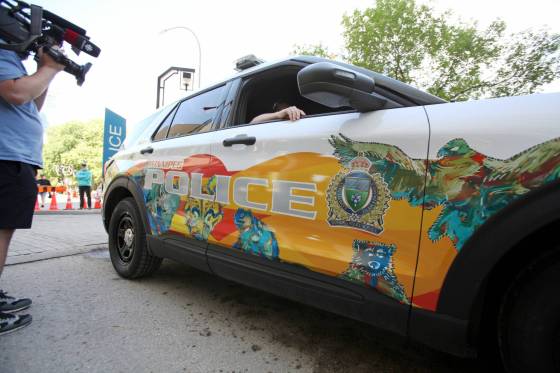
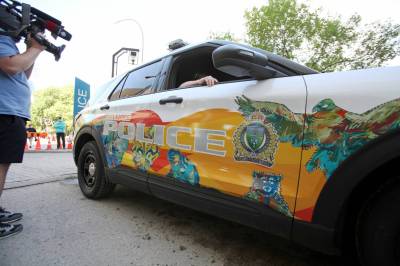
A new Winnipeg Police Service cruiser emblazoned with Indigenous art was unveiled on Tuesday. The cruiser is to be used by community relations officers at special events. (Erik Pindera / Free Press)
RECONCILI-ACTION OF THE WEEK
Every week I highlight an action, moment, or milestone forwarding reconciliation, illustrating how far Canada has come — and how far the country has yet to go.
The reconciliaction of the week is all of the amazing performers who delighted audiences at the 17th annual sākihiwē festival, which took place June 25 to 28 at venues throughout the city.
Performers included Métis fiddle veteran Darren Lavallee, singer/songwriter Kenzie Love, fiddle player Kieran Maytwayashing, rapper KNG JMZ, hip-hop artist Big Tones, Juno-winning soul-folk act Celeigh Cardinal, pop artist Jessa Sky, Mutti Mutti songman Kutcha Edwards, R&B-soul singer-songwriter LOV, Yanyuwa and Wardaman singer/songwriter Dr. Shellie Morris, Red River Métis and Franco-Manitoban artist Willows, and indie folk/rocker Tinge.
A highlight for me was once again seeing Cree music legend Winston Wuttunee and the youth throat singers from the Tunngasugit Inuit Resource Centre. A huge miigwech to sākihiwē festival director Alan Greyeyes and all the tireless work he and his staff do to bring the best and brightest in Indigenous music to this place.
|
|
Advertisement

|
WHAT I'VE BEEN WORKING ON
Winnipeg Free Press | Newsletter
|
LOCAL NEWS
Melissa Martin:
Recovering, together
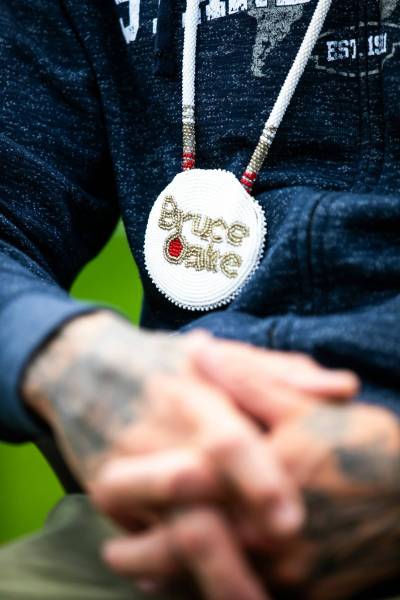
Respect, unconditional care drive Bruce Oake Recovery Centre staff as they lead participants from the darkness, despair of addiction
Read More
|
OPINION
|
ARTS & LIFE
|
FROM FURTHER AFIELD
|
|
Share:


|
Download our News Break app


|

|
|