FIVE STORIES ON TURTLE ISLAND
1. There continues to be fallout fromCBC’s bombshell report revealing the RCMP spied on Indigenous leaders and infiltrated organizations with informants from the 1960s to the 1980s. I’ve been on record saying this discovery undermines the entire country as a whole.
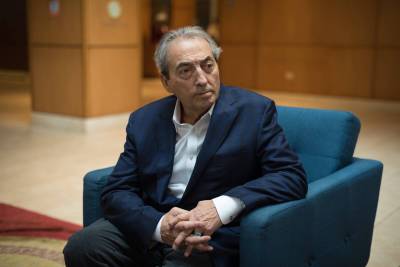
This week, the family of renowned Indigenous leader and former national chief of the National Indian Brotherhood (the forerunner to the Assembly of First Nations), George Manuel, spoke out, demanding “RCMP informers” who “betrayed” the organizations they claimed to work for expose themselves.
This story will reverberate for years and validates what many Indigenous leaders have suspected of federal authorities from the past and into today.
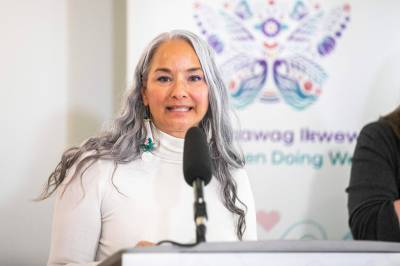
An inquiry, which AFN National Chief Cindy Woodhouse-Nepinak called for this week, appears to be the only way to find objective answers and build any trust between First Nations and the federal government.
2. This week, the Canadian Human Rights Tribunal (CHRT) approved a $5.8-billion First Nations child-welfare deal between the federal government and First Nations in Ontario, ending a portion of a decades-long discrimination case surrounding how systemic poverty and racism have led to Indigenous children ending up in the child-welfare system.
In October 2024, First Nations chiefs at the Assembly of First Nations rejected a proposed $47.8-billion, 10-year federal deal aimed at reforming on-reserve child welfare, arguing the deal lacked proper consultation, fell short of eliminating discrimination and didn’t provide enough long-term security. This resulted in chiefs in Ontario negotiating their own deal a few months later.
In 2016, the tribunal ruled the federal government “willfully and recklessly” discriminated against First Nations children on reserve who are in the child-welfare system by knowingly underfunding programs meant to help them. The tribunal ordered Canada to end its discrimination by making a deal with First Nation communities.
Now that First Nations in Ontario have come to an agreement, though, when will First Nations in the other nine provinces and three territories begin their negotiations?
3. A pretty fascinating court case began this week as a First Nations man is suing the attorney general of Manitoba over the fact that his house arrest impinges on his right to freedom of religion under Canada’s Charter because it does not allow him to participate in ceremonies, engage with medicines such as smudging and be on the land.
Ernest Hart, who has a history of addiction but is now sober, was found guilty of arson, assault, mischief, and theft under $5,000 and is not allowed to leave his apartment for nine months. He says having access to his traditional spirituality is essential for him to lead a better life.
In Canada, incarcerated individuals retain their fundamental freedom of religion, as protected under Section 2(a) of the Canadian Charter of Rights and Freedoms, provided religious practices do not compromise prison safety, security or the rights of others.
4. The federal NDP leadership contest is over, with Avi Lewis winning in a resounding first-ballot victory, but another leadership candidate made quite an impression on the party faithful: First Nations politician and health and social work advocate Tanille Johnston.
Johnston, a member of the We Wai Kai First Nation and councillor for Campbell River City in British Columbia, told APTN news that working with Indigenous communities and courting Indigenous voters should be a central focus for rebuilding the party.
In one of his first acts as federal NDP leader, Lewis held a very public meeting with Manitoba Premier Wab Kinew, in which he said he has a “lot to learn” from Kinew.
Also notable is that Lewis named Winnipeg Centre MP and well-known Indigenous leader Leah Gazan (who also endorsed his leadership bid) to his leadership team.
5. Anyone who has been to Canada’s north knows that food insecurity — the ability for a community to have enough food to feed itself sustainably and without financial or social debilitation — is a critical issue.
For months (and in the wake of ongoing protests) the federal government has been reviewing the Nutrition North Canada program, the federal program introduced in April 2011 intended to improve access to perishable, nutritious foods by subsidizing northern retailers by way of price reductions at the point of purchase.
Currently 124 isolated northern communities in Yukon, the Northwest Territories, Nunavut, Alberta, Saskatchewan, Manitoba, Ontario, Quebec and Newfoundland and Labrador benefit from the federal government’s Nutrition North Canada program. The program provides grants to fund Indigenous-led projects that focus on food security and access.
This week, Canada’s federal government announced $2 million to focus on nine Indigenous-led, food-insecurity research projects primarily in Nunavut and the Northwest Territories.
IN PICTURES
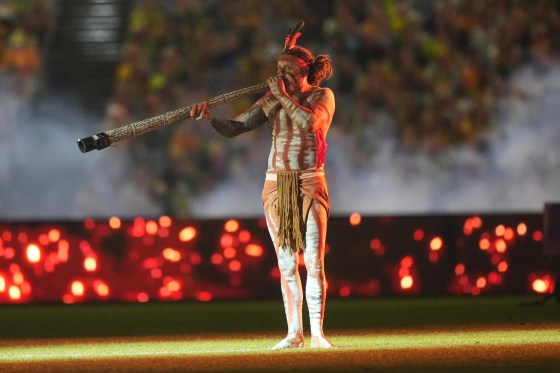
An Aboriginal man blows a didgeridoo at the start of the closing ceremony ahead of the Women’s Asian Cup soccer final between Japan and Australia in Sydney on Saturday. (Mark Baker / The Associated Press)
RECONCILI-ACTION OF THE WEEK
Every week I highlight an action, moment, or milestone forwarding reconciliation, illustrating how far Canada has come — and how far the country has yet to go.
This week’s reconcili-action of the week is a personal one and a HUGE congrats and AHO! to the team right here in Treaty One who this week unveiled their work on Ishkodens, the new online dictionary for Northwesten Ontario and Manitoba Anishinaabemowin speakers and students.
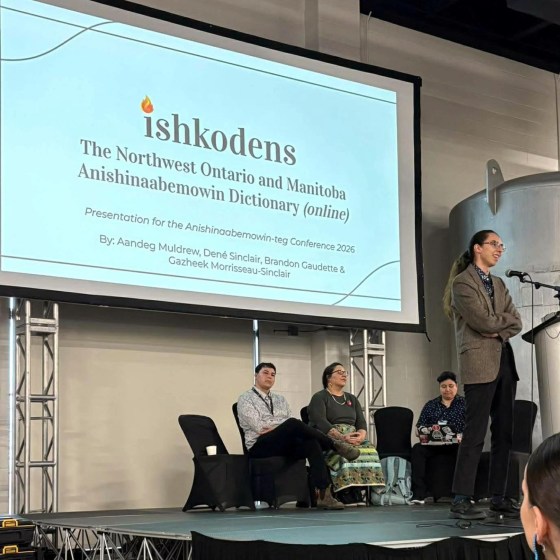
“Ishkodens,” the new online dictionary for Northwesten Ontario and Manitoba Anishinaabemowin speakers and students is announced at the conference. (Supplied photo)
At the Anishinaabemowin Teg language conference in Ontario this past week, Anishinaabe language teachers and advocates Aandeg Muldrew, Brandon Gaudette, and my two sisters, Dené Sinclair and Gazheek Morrisseau-Sinclair, unveiled the project to attendees and showed the beautiful distinctiveness of the Ojibwa spoken in this territory and how members of the public can see it soon.
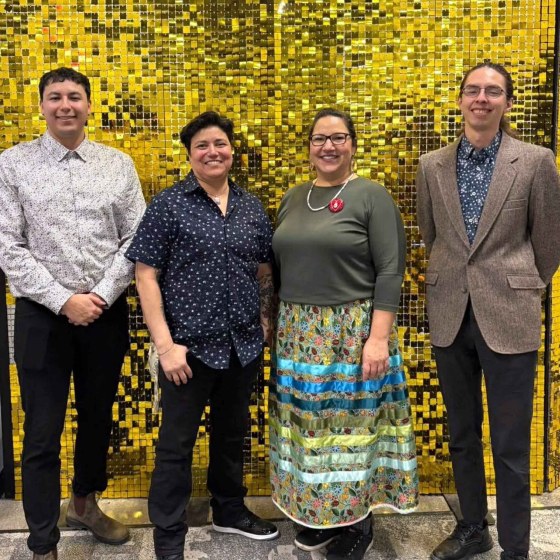
From left: Brandon Gaudette, Dené Sinclair, Gazheek Morrisseau-Sinclair, Aandeg Muldrew (Supplied photo)
Up to this point, people in Manitoba have had to rely primarily on Ojibwa resources spoken in Minnesota, which is a different dialect from the Anishinaabemowin spoken here.
Nishin! Congratulations!
|