Winnipeg Free Press | Newsletter
The Wrap
Weekday Evenings
Today’s must-read stories and a roundup of the day’s headlines, delivered every evening.
Sign up for The Wrap

|
The Wrap: ‘No wrong door’ review, a scandal in curling, and safe-supply vending machines
|
|
Good evening. Here’s a look at what our newsroom has been working on today:
|
'That needs to change'
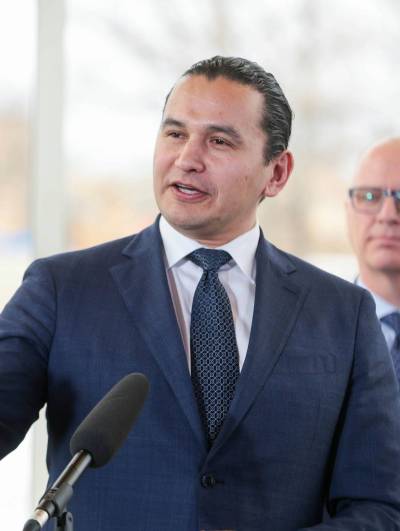
Manitoba Premier Wab Kinew has asked the head of Manitoba’s civil service to review the province’s “no wrong door” policy. The request comes after last week’s allegations by former Progressive Conservative cabinet minister Sarah Guillemard that a former MLA, whose name she did not reveal, groped her at a gala event in March 2017 when she was a rookie politician.
Kinew said the review will identify whether the policy — which allows political staff to report harassment directly to the Public Service Commission, the executive council clerk or both — needs to be strengthened or updated.
Winnipeg Free Press | Newsletter
The Wrap
Weekday Evenings
Today’s must-read stories and a roundup of the day’s headlines, delivered every evening.
Sign up for The Wrap
Advertisement

|
'I was entirely shocked and devastated'
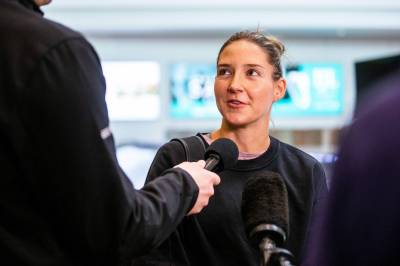
Briane Harris’s absence from Canada’s national women’s curling championship has officially been explained: she was declared ineligible to compete after testing positive for traces of the banned substance Ligandrol.
“As best as can be determined at this time, Ms. Harris was unknowingly exposed to the banned substance through bodily contact,” her lawyer said in a statement.
“In the circumstances, Ms. Harris is therefore keen to clear her name and will seek to expedite any process of mechanism to facilitate such vindication.”
|
'They can just get what they need'
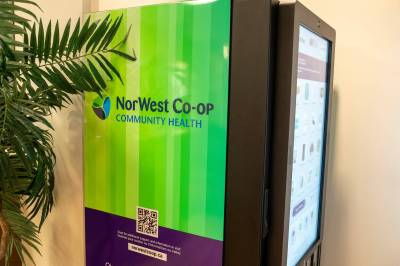
People will soon be able to use a vending machine to access harm-reduction, cultural and seasonal supplies — such as naloxone kits, condoms, smudge kits and socks — at a medical clinic in northwest Winnipeg
“We’re hoping to… remove that barrier where people might not get the harm reduction supplies they need because of the unknown, or shame that they might feel talking to people about it,” says a facilitator at the clinic.
Data collected from the machines will be used in research about what harm reduction tools people most need.
|
Canada & World
|
|
Advertisement

|
Local
|
Opinion
|
Arts & Life
|
Sports
|
Business
|
|
Share:


|
Download our News Break app


|

|
|