|
When it comes to the automotive business, as goes the U.S., so goes Canada.
Wonder why one of the most popular body styles in Canada — the hatchback — all but disappeared? It’s because nobody was buying them in the U.S.
Honda wasn’t going to continue importing its excellent Civic hatchback to North America just for Canada. (Honda’s current Civic hatchback is just a sedan with a big back door: it’s not really a hatch the way its previous flatpack Civics were.)
The cost of obtaining regulatory approval for a vehicle sold only to a market one-tenth the size of our neighbour makes no sense.
The SUV, either real sport-utilities or pretenders such as the Nissan Kicks or Toyota CH-R (no disrespect intended, they’re decent vehicles, but available as front drivers only, they can’t really be called SUVs), rose to prominence primarily to satisfy U.S. demand.
It’s U.S. demand — combined with higher profit margins — that drove automakers to start pushing SUVs, almost completely abandoning cars altogether. Ford, for instance, sells only the Mustang. If it weren’t for the Malibu, Chevrolet would also be limiting its car selection to sports cars (Camaro, Corvette).
Given all that, what does Donald Trump’s election as U.S. president mean for the Canadian government’s goal of 100 per cent electric vehicle sales by 2035?
Let’s just say it doesn’t look good.
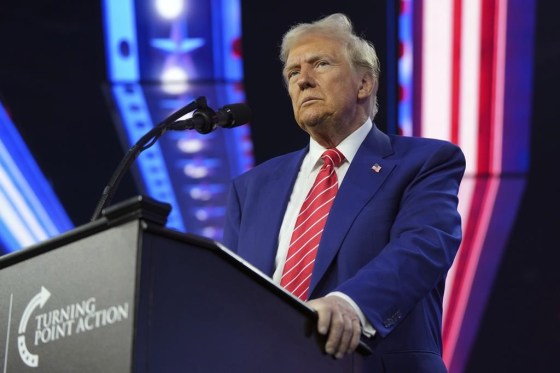
U.S. president-elect Donald Trump (Rick Scuteri / The Associated Press)
Trump plans to end U.S. federal incentives on EVs, effectively increasing their prices by US$7,500. Why he would do this, despite his buddy Elon Musk selling EVs himself, is simple: few of Tesla’s models qualify, as prices have to be less than US$55,000 for cars and US$80,000 for SUVs.
That’s certainly going to chill industry enthusiasm for EVs, and we’ve already seen some rollbacks, such as Ford abandoning plans to build EVs in Oakville, Ont., and switching to heavy-duty fossil fuel-powered pickups.
“What’s driven adoption in the U.S. has been very significant interventions by governments at both the state and federal levels. There’s been a lot of money injected to make sales happen and if that’s backed off, I think the timelines get longer,” said Stephen Beatty, who is retiring this month as corporate secretary of Toyota Canada.
Advertisement

Combine that with Quebec pausing its provincial rebate, B.C. curtailing its incentive and the likely election of the Conservatives in Canada, who, speculation suggests, will follow Trump’s lead on federal incentives, and it’s easy to see why enthusiasm will wane. That election is looking like it will be sooner rather than later, now that NDP Leader Jagmeet Singh has hopped aboard the non-confidence train.
Beatty, and David Adams, president of Global Automakers of Canada, say electrification is inevitable, it’s just the timelines that might change.
Getting prices down to where an EV is competitive without an incentive — as well as ramping up new battery technologies such as solid state, which promises greater range, faster recharging and reduced risk of fires — will be critical.
|