The last word After nearly four decades of fighting injustices and for the underdog, Free Press columnist pens his final column
Read this article for free:
or
Already have an account? Log in here »
To continue reading, please subscribe:

Digital Subscription
One year of digital access for only $205*
- Enjoy unlimited reading on winnipegfreepress.com
- Read the E-Edition, our digital replica newspaper
- Access News Break, our award-winning app
- Play interactive puzzles
*First annual payment billed as $205.00 + GST for one year. This annual subscription will automatically renew at $233.00 + GST every 52 weeks (10% off the regular annual price of $259.35). Offer available to new and qualified returning subscribers only. Cancel any time.
To continue reading, please subscribe:
Add Free Press access to your Brandon Sun subscription for only an additional
$1 for the first 4 weeks*
- Enjoy unlimited reading on winnipegfreepress.com
- Read the E-Edition, our digital replica newspaper
- Access News Break, our award-winning app
- Play interactive puzzles
*Your next Brandon Sun subscription payment will increase by $1.00 and you will be charged $17.95 plus GST for four weeks. After four weeks, your payment will increase to $24.95 plus GST every four weeks.
Read unlimited articles for free today:
or
Already have an account? Log in here »
Hey there, time traveller!
This article was published 26/01/2018 (3155 days ago), so information in it may no longer be current.
It’s a good idea to know how you’re going to end a story before you begin it.
Or so I suggest to aspiring writers.
I remember deciding how this column would begin five years ago, before I really understood how difficult it would be to end it.
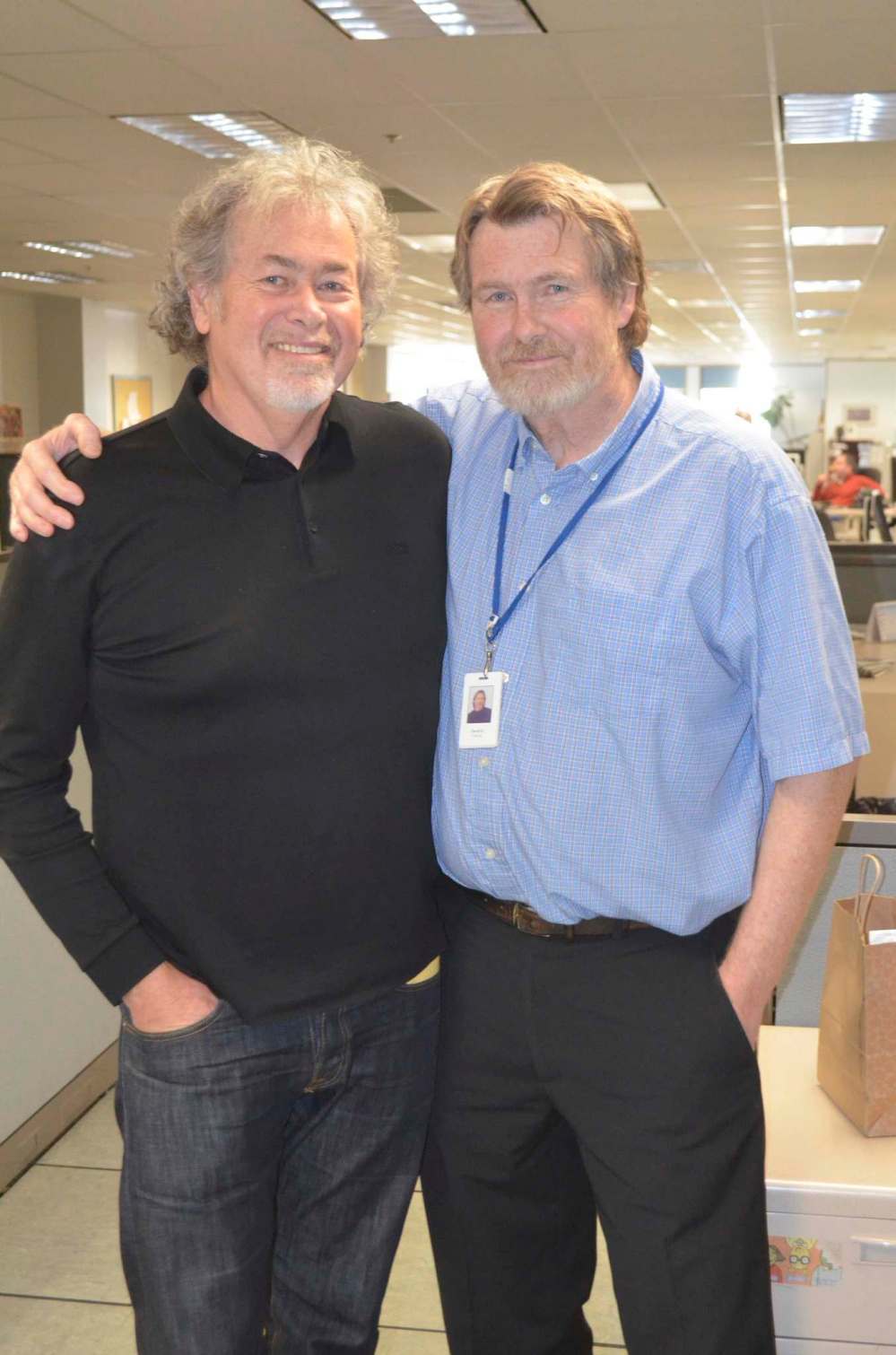
It was March 7, 2013, and I was fighting back tears as I walked into the Free Press building on the way to a newsroom retirement party where cake would be cut and words of appreciation spoken. My then 63-year-old kid brother Dave — who spent most of his own newspaper career being as private as I’ve been public — was retiring from the Free Press and leaving me behind.
Of course I was happy for Dave, especially because he was so happy.
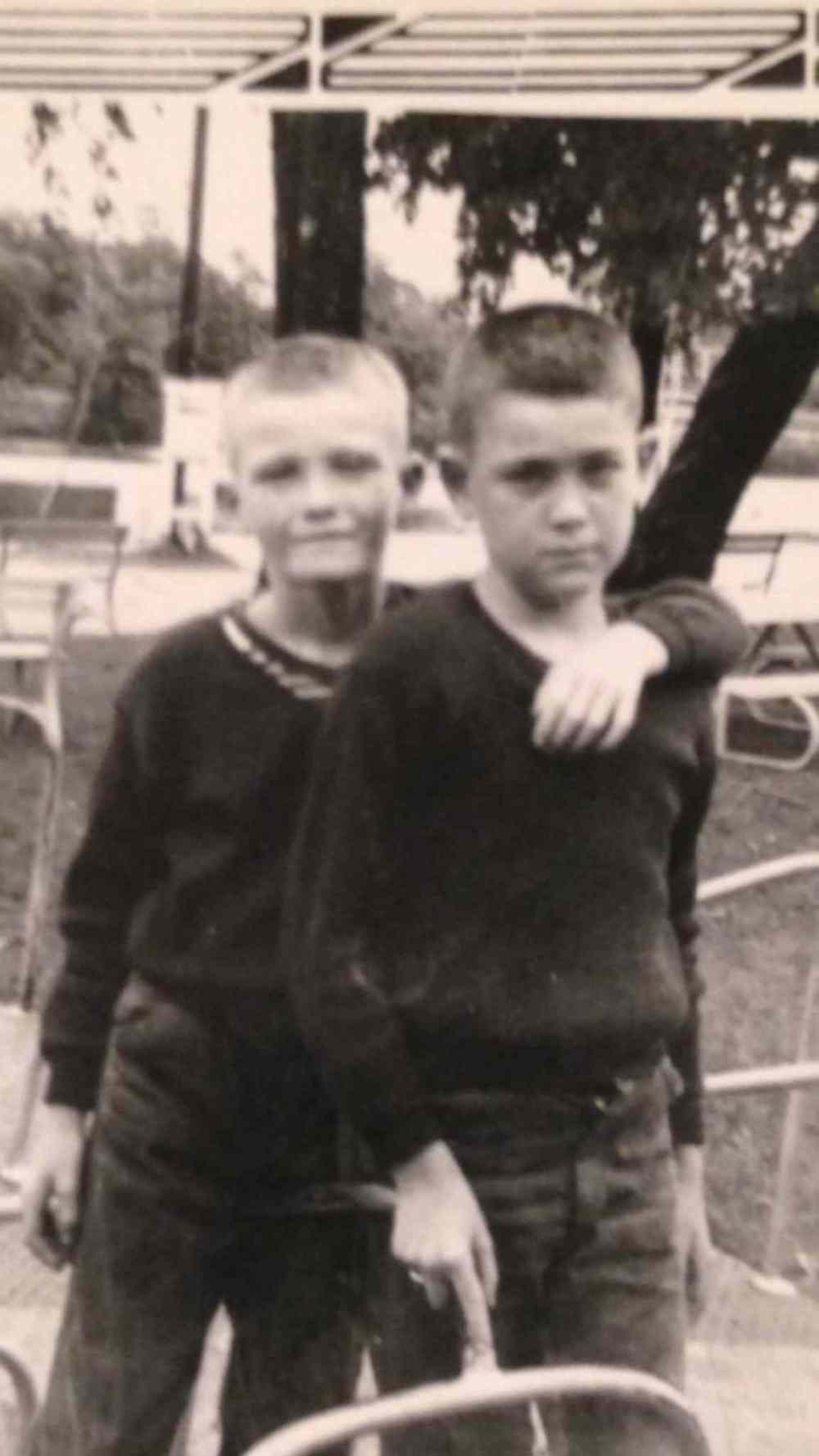
But it didn’t feel the same for me, even as we posed for a last photo together in the newsroom and Dave put his arm around his big brother’s shoulder the way I noticed later he had been doing in black-and-white snapshots dating back to our childhood.
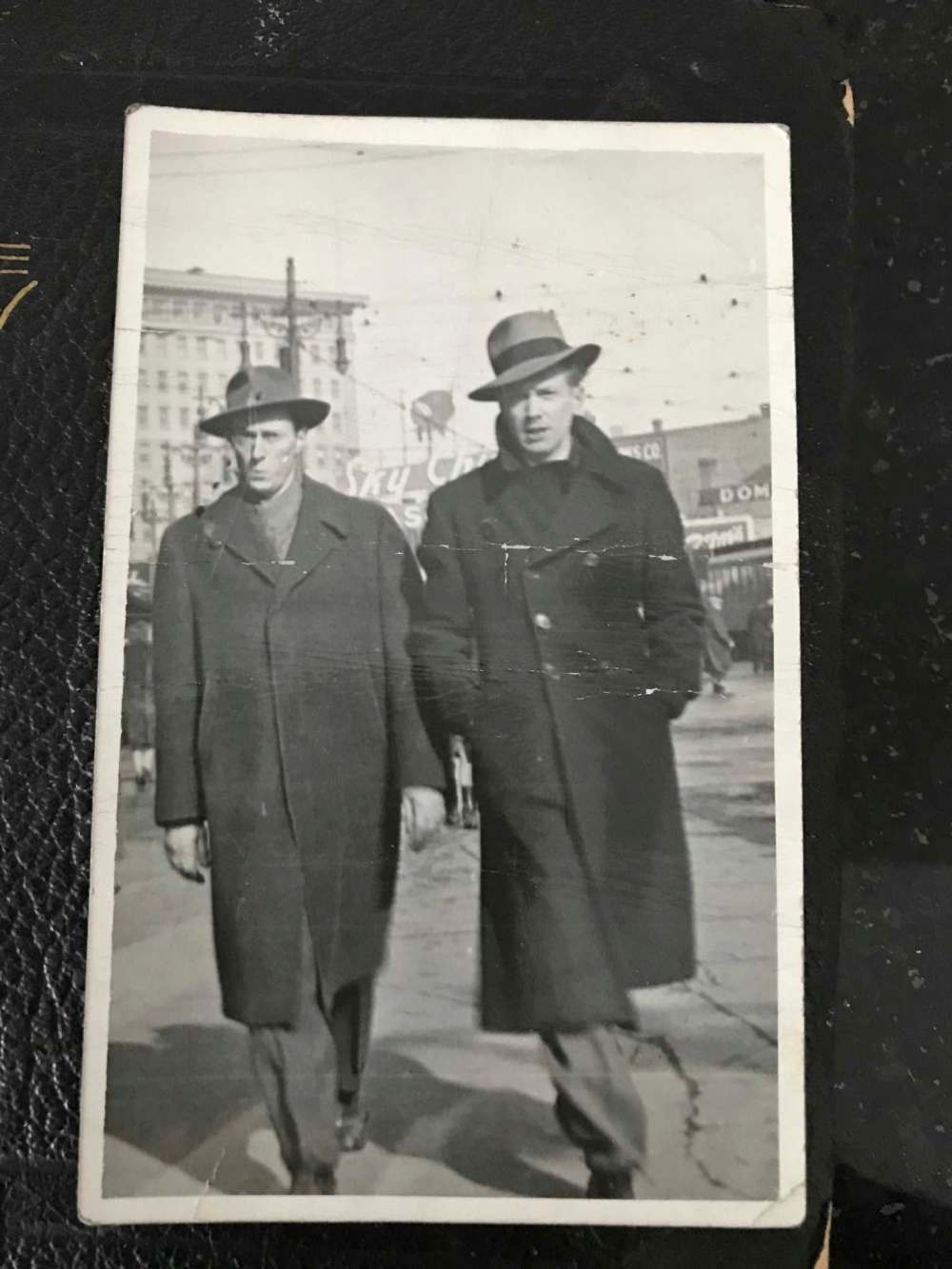
I was feeling left behind and alone because I knew what his retirement meant. That I would become the last of four Sinclair men — including my father Gordon Sr., and his own younger brother Clayton — to have worked in the Winnipeg Free Press newsroom over a span of nearly 80 years. How much that family legacy meant to me was suggested by the way I introduced myself to readers on July 14, 1981.
“My birth certificate read Gordon Sinclair, and my birthright said newspapers.”
Those were the first words, in my first column.
What follows now are my last in my last column.
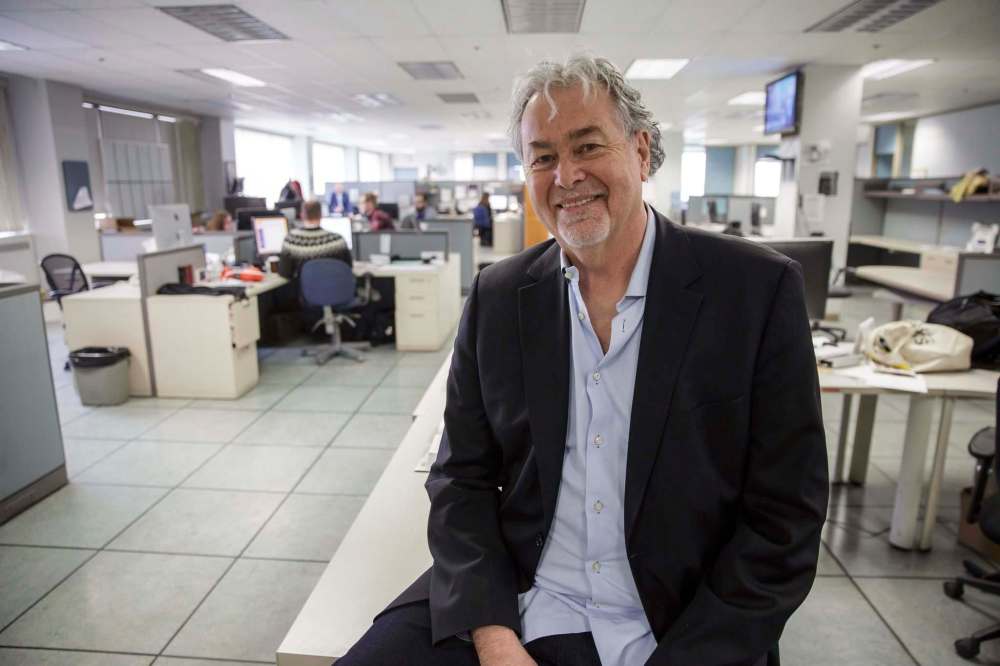
On Monday, in an email to my newsroom colleagues titled, “Saying farewell,” I announced my long promised and, for some, eagerly anticipated retirement, after nearly 37 years of writing a column about the city where I was born and its people. I had told management when I turned 65 that I would be gone before my 70th birthday, which now happens to be a month away. In that note to the editorial staff, I said there would be no cake cutting in the newsroom, and no wake anywhere else.
“I say wake,” I told my colleagues, “because that’s how a goodbye gathering would feel to me; leaving you and a career that goes back 50 years has that deep a feeling of loss for me.”
I explained in my email that being at the office Christmas party the previous month — shaking hands with everyone and wishing them well — was my own way of having a quiet, unannounced farewell.
That’s how I wanted to end it.
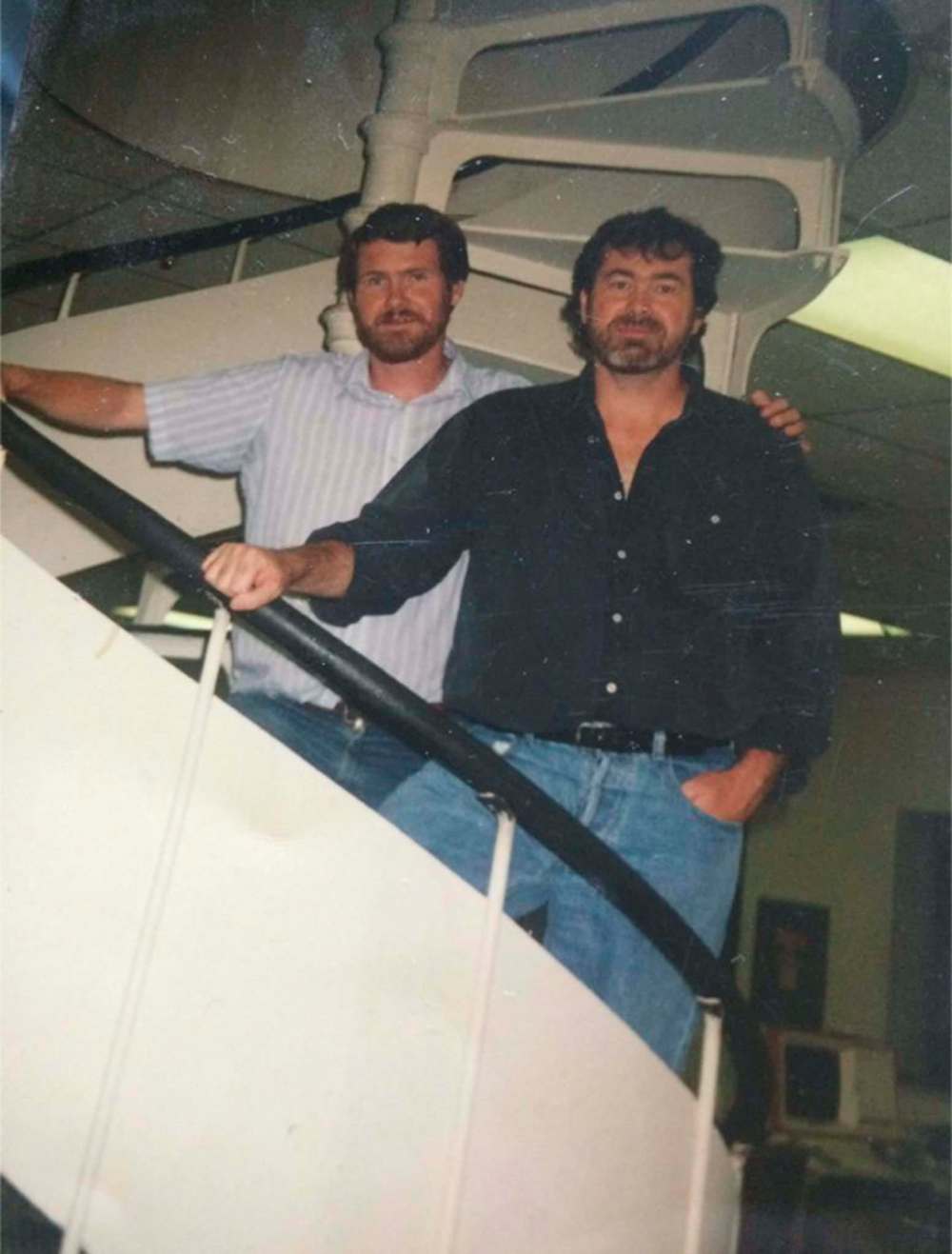
How it began is a somewhat happier story.
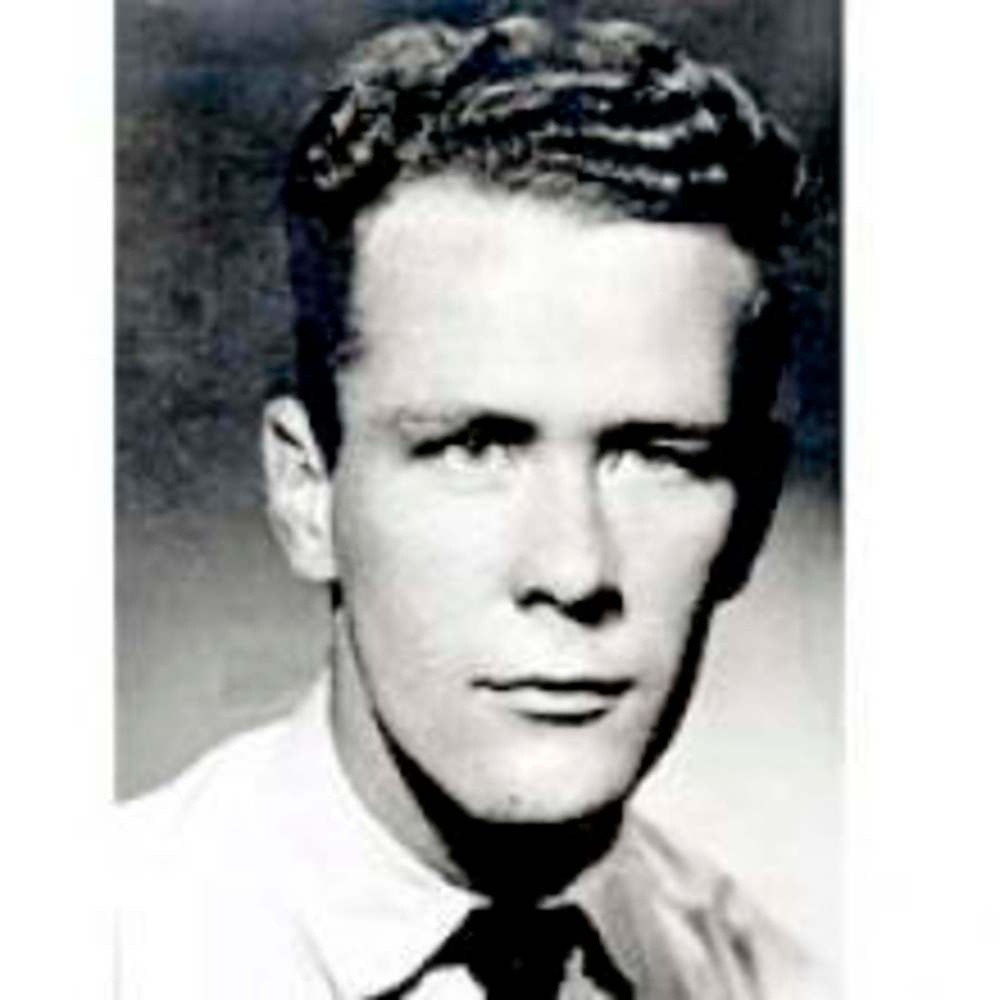
I was born to a father, who was a Free Press reporter at that time, and a brown-eyed, dark-haired beauty of mother with a troubled background as an orphaned child.
Looking back, it’s clear it was our parents who influenced our career paths and the kind of people and journalists we would become. Our emotionally fragile mother’s year-long admission as a psychiatric patient in Selkirk, when I was 11 and Dave was nine, would create an all-too-often unhealthy need within me to rescue people. And that trying to help people would come to form so much of what the column would become.
It was my father, though, who would gently guide Dave and me into a career in newspapers, starting by teaching us a work ethic as Free Press carrier boys. By the time our dad became city editor, he would take his two little boys down to an otherwise deserted Saturday Free Press newsroom where, while he did some book work and the police radio crackled in the background, we rolled copy paper into Underwood typewriters and pecked away pretending to be reporters. By the time I was 16, my dad had arranged a job for me as a summer-student copy boy at the rival Tribune. But it would be decades before I realized what he had really done and how he had done it so seamlessly.
Without saying anything, without pressure or a hint of what he hoped would happen, he simply opened the door to a newsroom.
And let me walk in and learn for myself.
It was a decade later, in the early 1970s — after I had been appointed the Edmonton Journal’s northern reporter based in Yellowknife — before my dad offered a clue about what he expected would happen when he opened that door.
“I always knew you could write,” he said.
And that’s all he said.
On a snowy day two years later, with a Transit strike starting and a morning deadline looming, reporter Ritchie Gage noticed his boss leaning against a newsroom filing cabinet, a hand to his head.
My father was having a stroke.
Twenty-four hours later he was dead at the age of 54.
It would be five years before his two surviving sons would be working together in the Free Press newsroom where they had briefly started their reporting careers. That introductory first column would follow. The second would concern a man I noticed eating out of a garbage receptacle on Selkirk Avenue.
If it hadn’t been for Murray Burt, the managing editor who hired me, there would have been no beginning and now ending to my career as a columnist, and for that I owe the man who became a dear friend a public thank you.
As I wrote back on my 25th anniversary, initially I had a romanticized, Runyanesque concept of what the column should be. I envisioned myself hanging out in a downtown bar somewhere, like the legendary American columnist Mike Royko had done at Chicago’s Billy Goat Tavern. Maybe writing about colourful characters with nicknames like Bowling Ball Bill and Jimmy The Pickled Egg.
The reality I learned even while having to produce five columns a week back then, the writing was a small part of the job. People, especially people who had a phone and a problem, dominated my day and night. Often it was the readers who were telling me what mattered and what I should write.
I was there to simply lend them my voice. And, more importantly, the power of the Free Press.
This week, after announcing my retirement to the newsroom, I texted and called some friends, both here and across the country. One of them was Ken Myron, a longtime journalist pal from our days together in Yellowknife. He asked how long I’d been writing the column; when I told him he was amazed.
“It’s hard to believe you had that much to say,” Ken deadpanned.
I was still laughing when he corrected himself.
“Actually, it’s not that hard to believe.”
More laughter.
Of course, as I was suggesting, there is no way I could have written so much for so long without the help of you, the readers. As a result, people reporting injustices became a common column theme. As did Indigenous issues that I had become acutely aware of during my two-year posting in the Northwest Territories.
In October 1988, I remember trying to wipe away tears at my newsroom desk while listening on the phone to a Indigenous mother who called to share her grief. She had returned to her downtown apartment after attending an Alcoholics Anonymous meeting to discover the 11-year-old son she left to babysit the younger children had hanged himself with one of her scarves.
That column, unlike the thousands of others I can’t remember now, has never left me.
Neither, of course, has the series of columns about a city police shooting that led to the death of Indigenous leader J. J. Harper. That Winnipeg watershed event in March 1988 was the story that, for some, would define my career. The shooting, and the police handling of it, would force an election-bound NDP government to create the Aboriginal Justice Inquiry and ultimately compel change that created a more inclusive, culturally aware and sensitive Winnipeg Police Service.
What I wrote about the Harper shooting would brand me for many — particularly those in the city police service — as a cop hater.
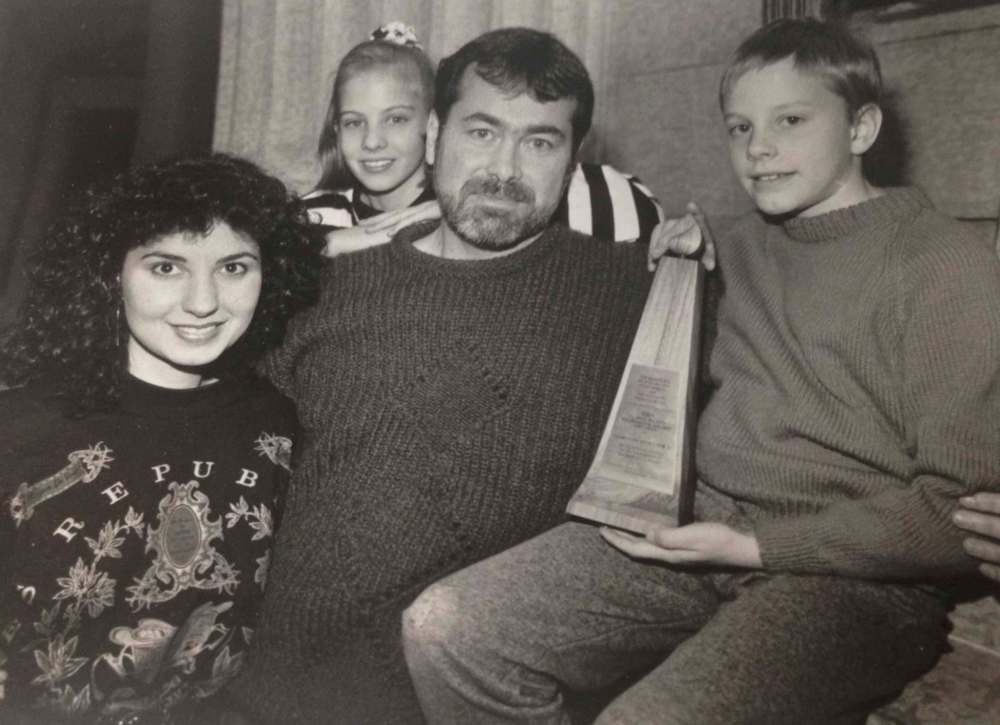
The Manitoba Human Rights Commission didn’t see it that way when they honoured that series of investigative columns with their 1989 human rights journalism award. Included on the trophy was a quote that resonates even more today than it did three decades ago.
“ ‘Nowadays, truth is the greatest news.’ — Thomas Fuller, M.D., 1732.”
What makes me happiest about what I’ve done?
Confronting powerful institutions when they wouldn’t tell the truth and misused their privileged power.
That and, of course, helping people when I could.
But, over the years, that came with a personal price.
In 1992, after management of that day began randomly killing columns, and around the time I was tipped on a story about an incident involving police abusing an Indigenous man who had wandered into an after-shift party at the Alexander Docks, I was banished to reporting. It would be a year before management backed away from a labour arbitration hearing and reinstated the column.
The people at the top of the newspaper would soon be gone, but my problems at the office wouldn’t be. Later, there would be more harassment from a different boss for a different reason, which led to a six-month stress leave from which I didn’t want to come back. But, with the help of future Free Press Editor Margo Goodhand, who nurtured me through the transition back to work, I survived to write again.
Until today.
How do I feel now, other than a sense of loss?
I feel as if I haven’t done enough.
But, after working so hard for so long, I also feel I’ve had enough.
My wife Athina understands. Still, this week she told me that when someone asked her what she would miss most about my retiring from the newspaper, she said reading the column. Then Athina smiled and made a request.
“Can you still write three a week for me?”
And now, this is how it ends.
It was 42 years ago today, Jan. 27, 1976, that my dad died as a result of neglecting his health and never-ending stress of never-ending deadlines.
He wouldn’t want that for me.
All he wanted was for his sons to have a good job and to experience the joy of journalism and the privilege and responsibility that goes with being a newspaperman.
Which is why my father opened that door to a newsroom.
The door I’m now closing.
Gently closing, that is, with a sense of gratitude to Free Press readers for my long and lucky career.
Which brings me back once more to my brother’s retirement and how he handled it.
At the time Dave confided to our lifelong best friend, Jamie Macleod, that he wanted to “disappear like a ghost.”
That’s how I feel now, too.
So don’t be surprised if one day you think you’re seeing me when you aren’t — as my big, bearded and comedic Free Press columnist pal Doug Speirs suggested in an email he sent my way this week.

“Went to a hockey game not long ago,” Doug wrote, “and one of the ushers looked me in the face and said: ‘Nice to see you, Mr. Sinclair. Enjoy the game.’ And I did.”
What’s that old expression?
Oh, yeah.
Leave ’em laughing.
gordon.sinclair@freepress.mb.ca
History
Updated on Friday, January 26, 2018 12:25 PM CST: Updates link info
Updated on Friday, January 26, 2018 12:39 PM CST: Fixes formatting
Updated on Friday, January 26, 2018 12:54 PM CST: Changes formatting
Updated on Friday, January 26, 2018 8:56 PM CST: fixes typo