Maulings, cullings and a ‘war zone’ Injured, malnourished, dead dogs litter First Nation’s roads; rescuers plead for funding, oversight
Read this article for free:
or
Already have an account? Log in here »
To continue reading, please subscribe:
Digital Subscription
One year of digital access for only $1.44 a week*
- Enjoy unlimited reading on winnipegfreepress.com
- Read the E-Edition, our digital replica newspaper
- Access News Break, our award-winning app
- Play interactive puzzles
*Billed as $5.77 plus GST every four weeks. After 52 weeks, price increases to the regular rate of $19.95 plus GST every four weeks. Offer available to new and qualified returning subscribers only. Cancel any time.
To continue reading, please subscribe:
Add Free Press access to your Brandon Sun subscription for only an additional
$1 for the first 4 weeks*
- Enjoy unlimited reading on winnipegfreepress.com
- Read the E-Edition, our digital replica newspaper
- Access News Break, our award-winning app
- Play interactive puzzles
*Your next Brandon Sun subscription payment will increase by $1.00 and you will be charged $17.95 plus GST for four weeks. After four weeks, your payment will increase to $24.95 plus GST every four weeks.
Read unlimited articles for free today:
or
Already have an account? Log in here »
Hey there, time traveller!
This article was published 07/02/2025 (620 days ago), so information in it may no longer be current.
One dog riddled with bullets lies in a puddle of water on the side of a road, dirty enough to blend into its surroundings.
Another canine is seen half buried in garbage, next to an empty bottle of booze and pop cans.
Dead dogs are a common sight on Sandy Bay Ojibwa First Nation, which animal advocates describe as hell on Earth — a community plagued by overpopulation and neglect.
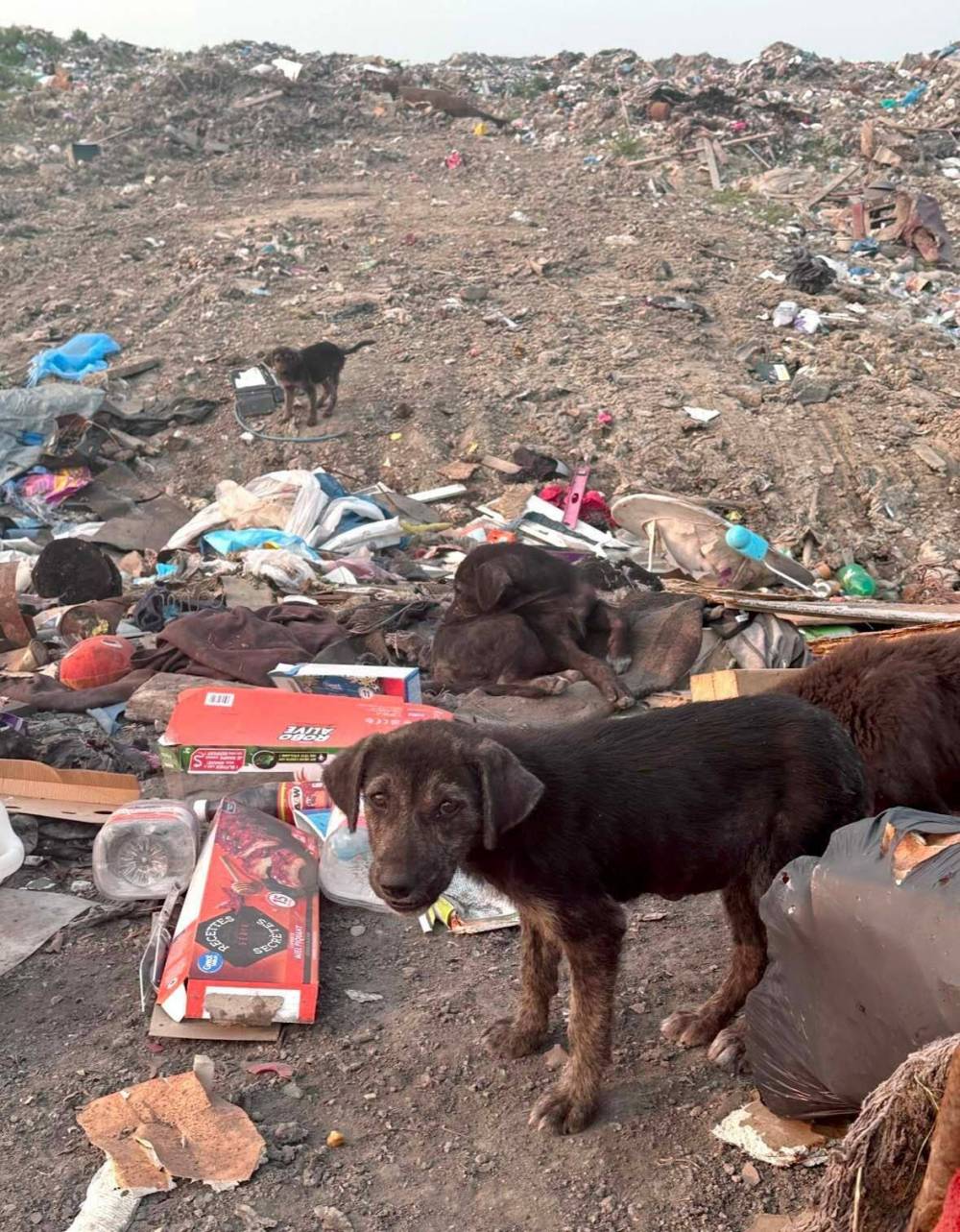
Nicole Sellers photo
Photos and videos from Sandy Bay show animals from the out-of-control dog population appearing injured or dead, some bullet-ridden.
Nicole Sellers, an emergency dispatcher in western Manitoba who volunteers to rescue dogs and cats in her spare time, said many Manitoba First Nations have issues with wild dogs, but the situation is particularly dire in Sandy Bay.
Sellers said the First Nation, located about an hour north of Portage la Prairie, is littered with dead dogs discarded on roads or at the landfill.
“Some of the communities will take the dogs out of the community and shoot them,” Sellers said. “But Sandy Bay basically shoots them on the spot. I’ve had text messages from some of the community members saying they’re at work and they hear all these gunshots going off. They can’t work, and they say it’s traumatizing.”
Sellers said she’s had dogs shot right in front of her while she’d been trying to rescue them, while others who were spayed or neutered in previous visits have suffered a similar fate.
“It’s just really sad,” she said. “I felt like what I thought a war zone would be like.”
The horrors she and other advocates have witnessed have left them pleading for more funding and better oversight from the province.
The Free Press reviewed dozens of photos and videos from Sandy Bay, including some in the last couple of weeks, showing animals that appear severely injured, malnourished or deceased, including dogs that have frozen to death and others littered with bullets — victims of cullings intended to control the out-of-control population.
“I’m not proud of that solution but something needed to be done.”–Sandy Bay Chief Trevor Prince
Sandy Bay Chief Trevor Prince posted a message on Facebook on Jan. 21, refuting a now-deleted post that 300 dogs had been killed in the community.
Prince wrote he did not hire anyone to purge the dog population. Advocates claim stray dogs in the community have a $50 bounty. But even collared animals are being shot.
“We’ve had a dog population problem in our community for many years as there is in most First Nation communities,” he wrote.
Prince did not respond to calls, emails and social media messages from the Free Press.
The chief wrote that packs of dogs roam around school grounds, raising concerns over the safety of school children. He also said random attacks have taken place in the community, including on his stepdaughter.
SUPPLIED
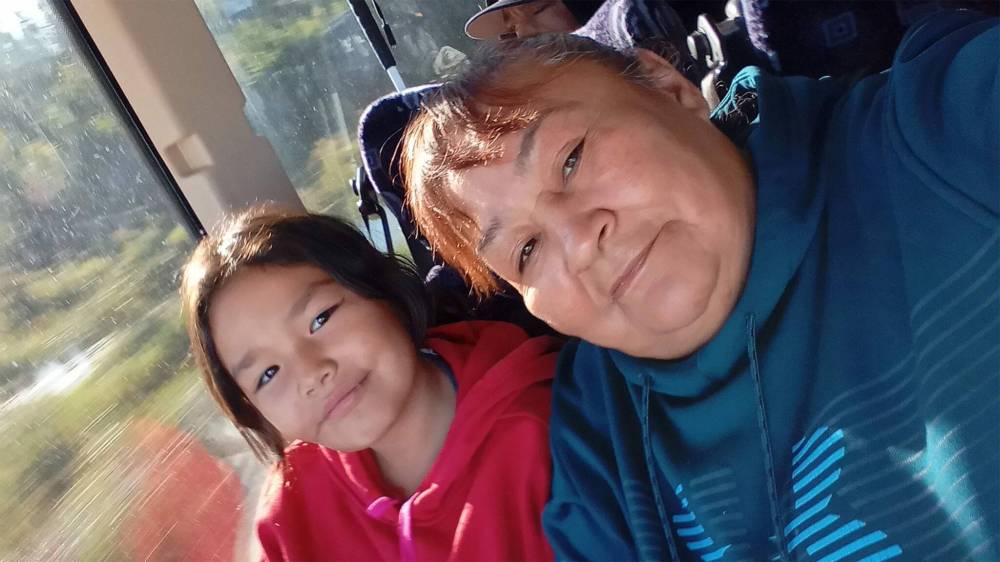
Lorraine Trout with granddaughter Heavenly Monias, 9. The child was mauled by a pack of 10 dogs in Norway House in August.
“I understand that spay and neuter clinics is a solution to control the dog population, that’s a long-term solution,” he wrote. “An immediate solution was needed for the aggressive ones that were attacking people in public.
“I’m not proud of that solution but something needed to be done.”
Related Articles
Manitoba funds more dog sterilizations in rural, remote areas



Prince said he’s received hate messages in response to the culling and offered to allow people to come into the community and rescue the dogs.
A pack of 10 dogs mauled Lorraine Trout’s nine-year-old granddaughter while she was walking home one evening in Norway House Cree Nation last summer.
The attack left a deep gash on the child’s face, and multiple puncture wounds in her chest and arm, injuries that required her to be flown to Winnipeg’s Health Sciences Centre.

In the immediate aftermath, Norway House captured some dogs and put them in cages before they were taken away.
The band office implemented a bylaw mandating residents register and leash their dogs.
Trout said Thursday the problem persists, saying many people hid their dogs while the community was on high alert and efforts to alleviate the problem in the northern First Nation only lasted a couple of days.
“Nobody comes here,” Trout said. “I kept taking pictures, and nobody was doing anything about it. And it’s starting again.”
Chief Larson Anderson, who could not be reached for comment Thursday, told the Free Press in December they cull on a case-by-case basis, and only when absolutely necessary. He said he wishes to work with community members to take responsibility for their animals.
Not everyone co-operates, Sellers said.
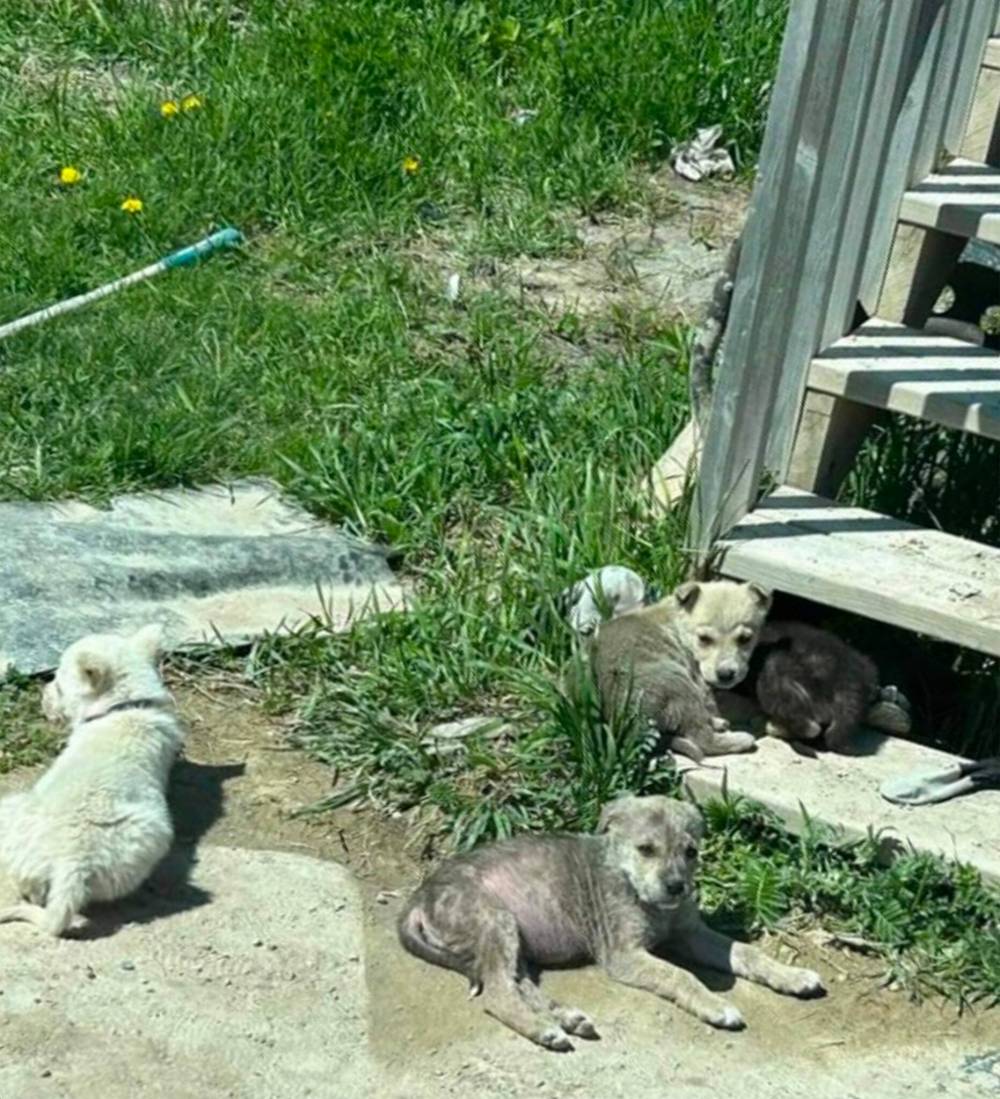
Nicole Sellers Photo
Last March, 45 animal welfare organizations called for $2.5 million annually from the province for spay and neuter programs, as well as an action plan to address puppy mills and backyard breeding practices.
She spoke of watching dogs eat other dogs, and seeing others with mange and significant physical injuries.
Nearby veterinary care is lacking. The closest vet — a 30-minute drive northwest of the community — closed suddenly last year after the vet died. The next closest is 45 minutes southwest in Gladstone.
Last March, 45 animal welfare organizations declared a state of emergency in the province due to animal overpopulation.
In an open letter, they asked the government to step in and provide support and resources to assist animals in need.
They called for $2.5 million annually from the province for spay and neuter programs, along with money for food and supplies and an action plan to address puppy mills and backyard breeding practices.
In response, the province launched the Northern and Remote Veterinary Care Initiative and gave $200,000 to the Winnipeg Humane Society to expand its One Health Program, which runs mobile spay and neuter clinics in northern and remote communities.
Agriculture Minister Ron Kostyshyn said Wednesday the province conducted 25 mobile clinics in communities in 2024, providing care to more than 1,700 animals, including 1,200 spay and neuters.
Sandy Bay and Norway House were not among the communities visited.
“It’s like PTSD at this point … I get anxiety just thinking about going there.”–Chelsea Kork, director of K9 Advocacy Manitoba
“It’s a good start for our province, and I look forward to working to improve the program,” Kostyshyn said. “We know we have more to do.”
Kostyshyn said he strongly encourages people to report animal welfare issues and that it’s important the province’s chief veterinary officer is involved.
The money barely scratches the surface of the problem, said Chelsea Kork, director of K9 Advocacy Manitoba, which rescues dogs and cats from rural First Nations.
“It was kind of a slap in the face,” Kork said. “Our rescue alone, one single rescue, we spend $350,000 yearly on vetting. One hundred thousand doesn’t go very far.”
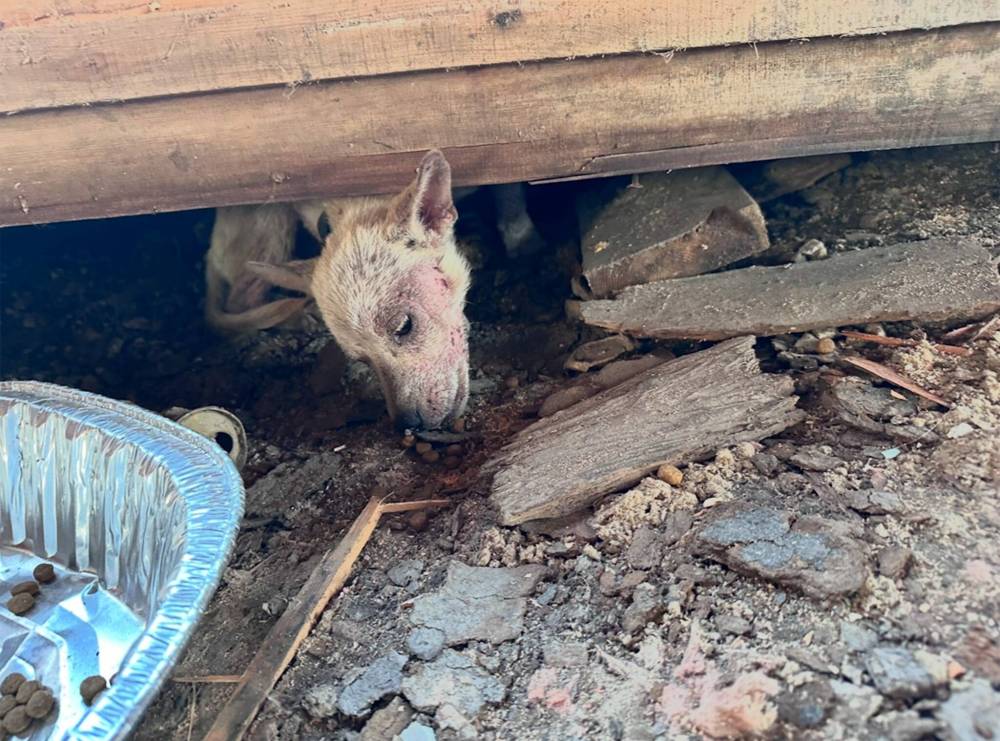
Nicole Sellers Photo
An emergency dispatcher in western Manitoba who volunteers to rescue dogs and cats says many Manitoba First Nations have issues with wild dogs, but the situation is particularly dire in Sandy Bay, which is located about an hour north of Portage la Prairie.
She said the province needs more bylaws and an animal control officer to enforce them.
Kork no longer goes to Sandy Bay.
“It’s like PTSD at this point,” she said. “I get anxiety just thinking about going there.”
If it’s not there, it’s somewhere else.
Kork said a dog was taken in Tuesday night from Bloodvein River First Nation that had been stabbed in the head.
“This is what we’re dealing with here,” Kork said.
Kork said it’s not uncommon for her organization to bring in dogs and find bullets lodged inside them when they are X-rayed.
“For us, it’s normal. When they do the cull days, how many of those dogs are shot, but not shot to kill, and they die a slow, painful death where they bleed out? Tons, I’m sure.”
scott.billeck@freepress.mb.ca

Scott Billeck is a general assignment reporter for the Free Press. A Creative Communications graduate from Red River College, Scott has more than a decade’s worth of experience covering hockey, football and global pandemics. He joined the Free Press in 2024. Read more about Scott.
Every piece of reporting Scott produces is reviewed by an editing team before it is posted online or published in print — part of the Free Press‘s tradition, since 1872, of producing reliable independent journalism. Read more about Free Press’s history and mandate, and learn how our newsroom operates.
Our newsroom depends on a growing audience of readers to power our journalism. If you are not a paid reader, please consider becoming a subscriber.
Our newsroom depends on its audience of readers to power our journalism. Thank you for your support.