Top titles Free Press reviewers share their best books of 2025
Read this article for free:
or
Already have an account? Log in here »
To continue reading, please subscribe:

Digital Subscription
One year of digital access for only $205*
- Enjoy unlimited reading on winnipegfreepress.com
- Read the E-Edition, our digital replica newspaper
- Access News Break, our award-winning app
- Play interactive puzzles
*First annual payment billed as $205.00 + GST for one year. This annual subscription will automatically renew at $233.00 + GST every 52 weeks (10% off the regular annual price of $259.35). Offer available to new and qualified returning subscribers only. Cancel any time.
To continue reading, please subscribe:
Add Free Press access to your Brandon Sun subscription for only an additional
$1 for the first 4 weeks*
- Enjoy unlimited reading on winnipegfreepress.com
- Read the E-Edition, our digital replica newspaper
- Access News Break, our award-winning app
- Play interactive puzzles
*Your next Brandon Sun subscription payment will increase by $1.00 and you will be charged $17.95 plus GST for four weeks. After four weeks, your payment will increase to $24.95 plus GST every four weeks.
Read unlimited articles for free today:
or
Already have an account? Log in here »
Hey there, time traveller!
This article was published 12/12/2025 (303 days ago), so information in it may no longer be current.
Amidst the hustle and bustle and stress of holiday shopping, one of the world’s most literate countries chooses to keep it simple, focusing on a gift that can make you laugh, cry or expand your mind: books.
For over 80 years, Iceland has been home to an annual literary holiday tradition called jolabokaflod — the “Christmas book flood” — where friends and family exchange books as gifts on Christmas Eve and spend the ensuing days reading their new books.
It’s such a widely popular tradition that Icelandic authors and publishers plan their literary calendars around releasing new books in the lead-up to jolabokaflod season.
Whether you’re looking to start a new literary holiday tradition of your own or are simply looking for that next great read, Free Press reviewers have sounded off on their favourite fiction, non-fiction, poetry and more. Skál!
— Ben Sigurdson, literary editor
FICTION

Atmosphere: A Love Story
By Taylor Jenkins Reid
Taylor Jenkins Reid’s novels are always star-powered. While her usual fare is celebrity, Atmosphere’s star power is celestial — think Top Gun but with astronauts (and none of the machismo).
Inspired by Sally Ride and the first class of female astronauts trained at Houston’s Johnson Space Centre in the 1980s, Atmosphere follows a magnetic cast of characters you can’t help but fall in love with.
The Overview Effect in novel format, the book’s a profound love letter to the universe and all its mysteries, as well as to humanity and our precious planet. The last few pages will have you sobbing. It’s perfect.
— Katrina Sklepowich
Black Cherokee
By Antonio Michael Downing
The coming-of-age story of a young girl of both African-American and Cherokee heritage, in Black Cherokee we follow Ophelia Blue from age seven to 19 as she explores her identity and searches for acceptance.
Accompanied by rich, authentic dialogue and a soundtrack from the 1990s and early 2000s, the novel is a tender and affirming story of the meaning of home and family.
— Zilla Jones
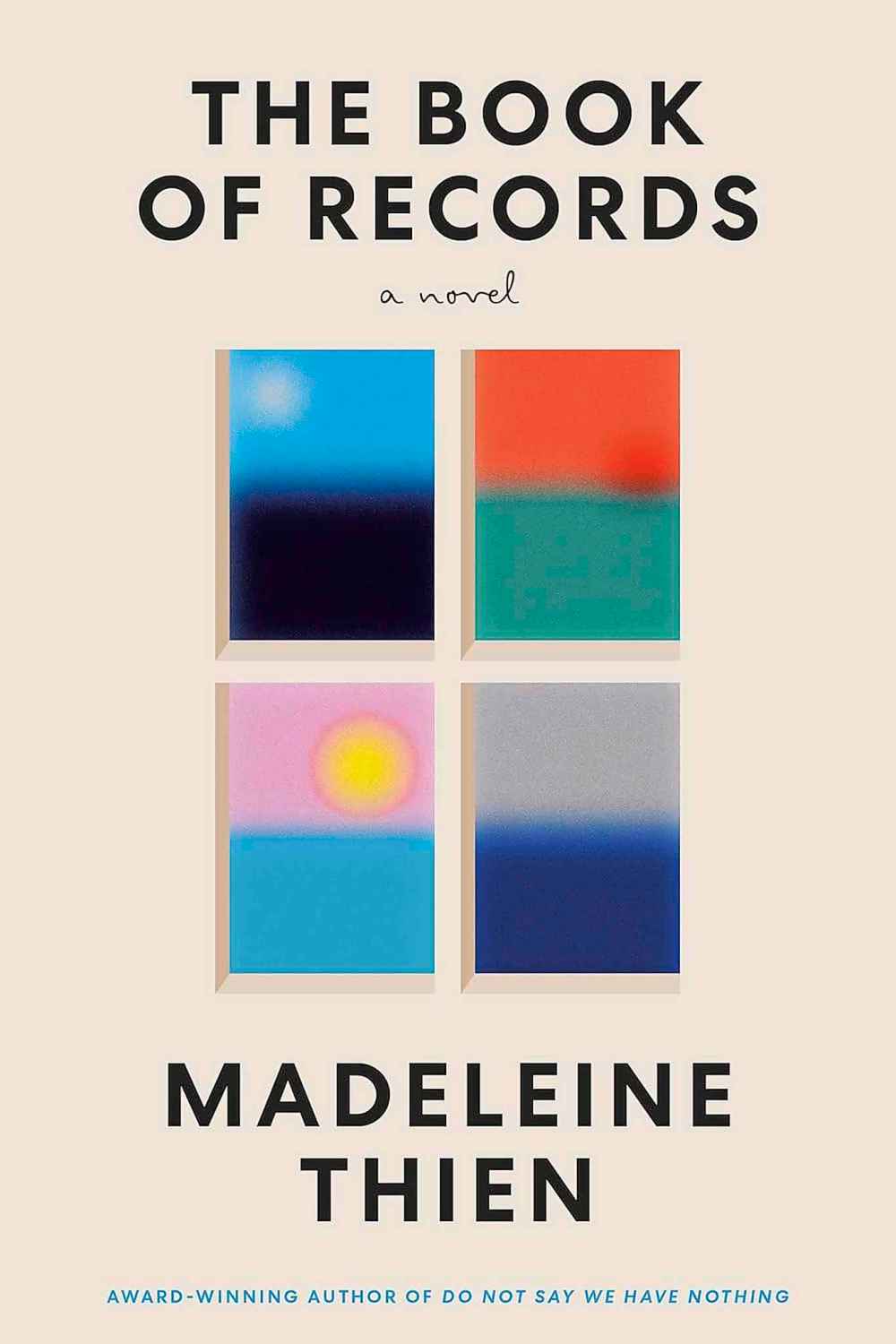
The Book of Records
By Madeleine Thien
Poetic, political and philosophical, Madeleine Thien’s The Book of Records begins at The Sea, a futuristic enclave and labyrinth of secret doors, stairwells and passageways that serve as a temporary refuge for people on their way to other, presumably safer destinations than from where they have left.
Set both in the future and in the past, the novel is beautifully written, brilliant in concept and frighteningly relevant to the current moment as the topics of totalitarianism, war, displacement, climate crisis, intellectual freedom and faith continue to dominate every headline.
— Sharon Chisvin
The Café with No Name
By Robert Seethaler, translated by Katy Derbyshire
The stories in Robert Seethaler’s slender book about the poignant micro-dramas in the usually overlooked lives of a “found family” in Vienna in the 1970s are told with warmth and surprising insights.
— Gene Walz
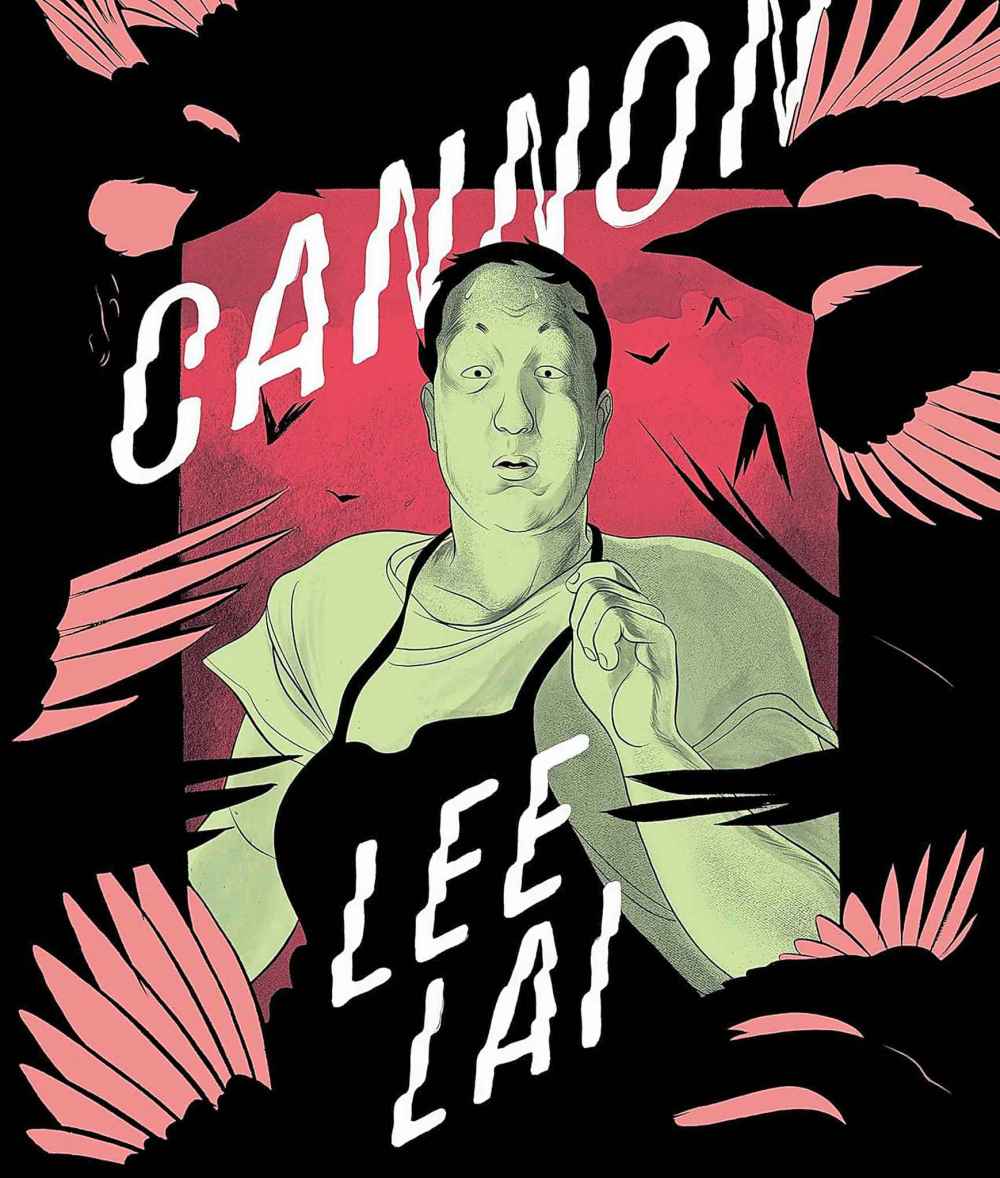
Cannon
By Lee Lai
Lee Lai’s masterful follow up to 2021’s acclaimed Stone Fruit is a deftly layered slice-of-life graphic novel about family, friendships, queerness and mental health.
The eponymous Cannon is an outstanding restaurant employee, a dutiful daughter and granddaughter and a long-suffering best friend.
As Lai’s stunning composition and wry dialogue build moments of genuine humour and devastation, Cannon’s selfless path to burnout feels both inevitable and achingly real.
— Nyala Ali
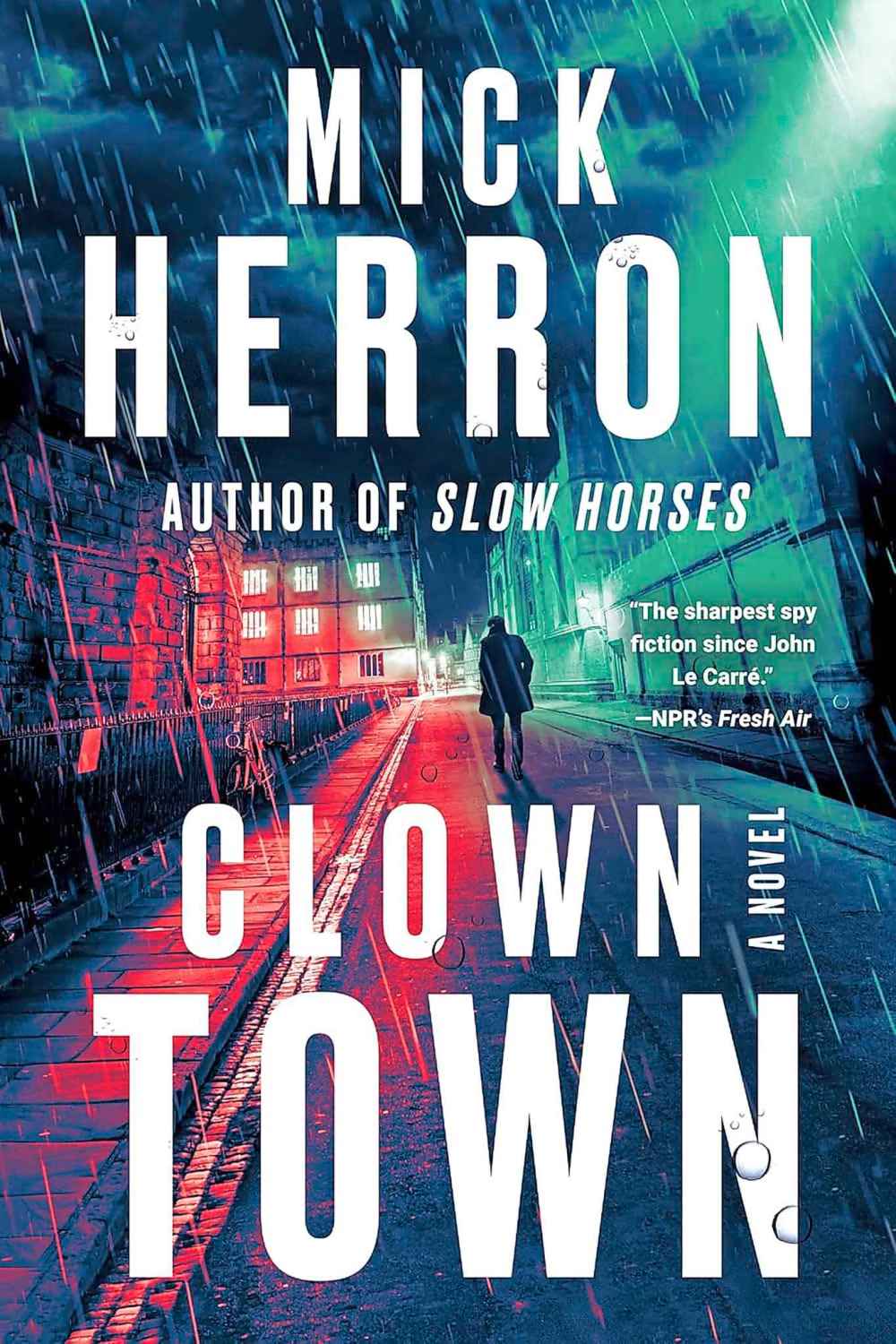
Clown Town
By Mick Herron
Jackson Lamb and his band of misfits, failed spies, are back in the decrepit Slough House in London where they have been dumped by Britain’s espionage service, MI5.
The Slow Horses, as they are called, are yet again drawn into nefarious espionage missions, ancient and new, in British author Mick Herron’s ninth Slow Horses novel, a series that spawned the popular AppleTV+ adaption.
Herron, a deft writer and a masterful wit, has the Slow Horses trying to untangle a mess that includes a British spy service debacle during The Troubles in Northern Ireland and an off-the-books assassination of a Russian agent, both of which threaten the service’s head.
The ending ups the ante for another great novel.
— Chris Smith
MIKAELA MACKENZIE / FREE PRESS FILES David Bergen, author of Days of Feasting and Rejoicing.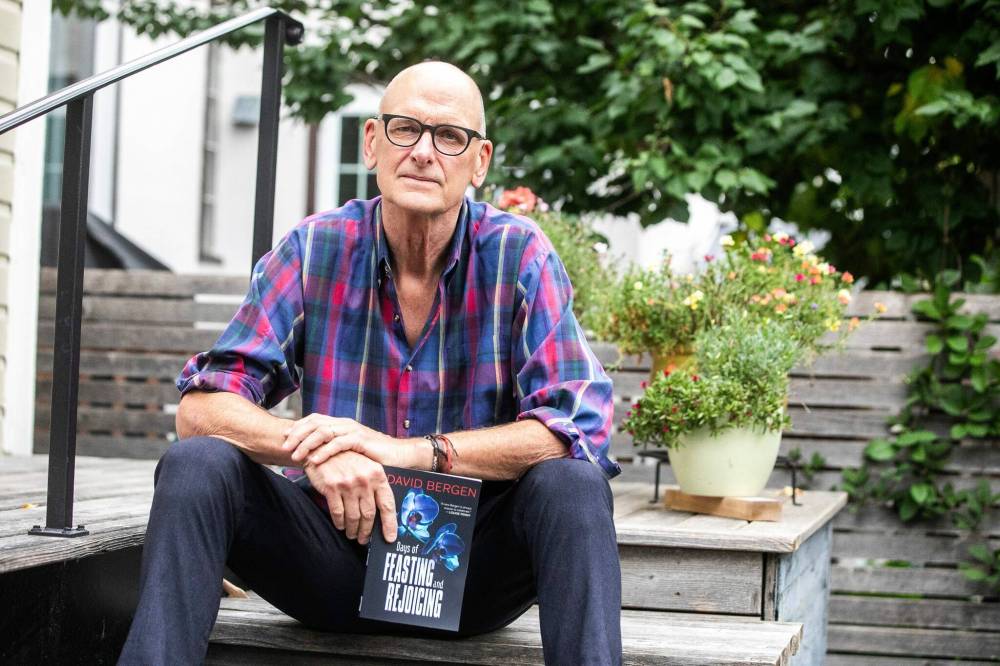
Days of Feasting and Rejoicing
By David Bergen
Set in Thailand, Winnipeg novelist David Bergen casts a spell in this slow burn of Hitchcockian suspense featuring a fascinating, unreliable narrator.
It’s an homage to Patricia Highsmith’s The Talented Mr. Ripley that Bergen makes his own and turns into a wickedly addictive neo-noir.
— Craig Terlson
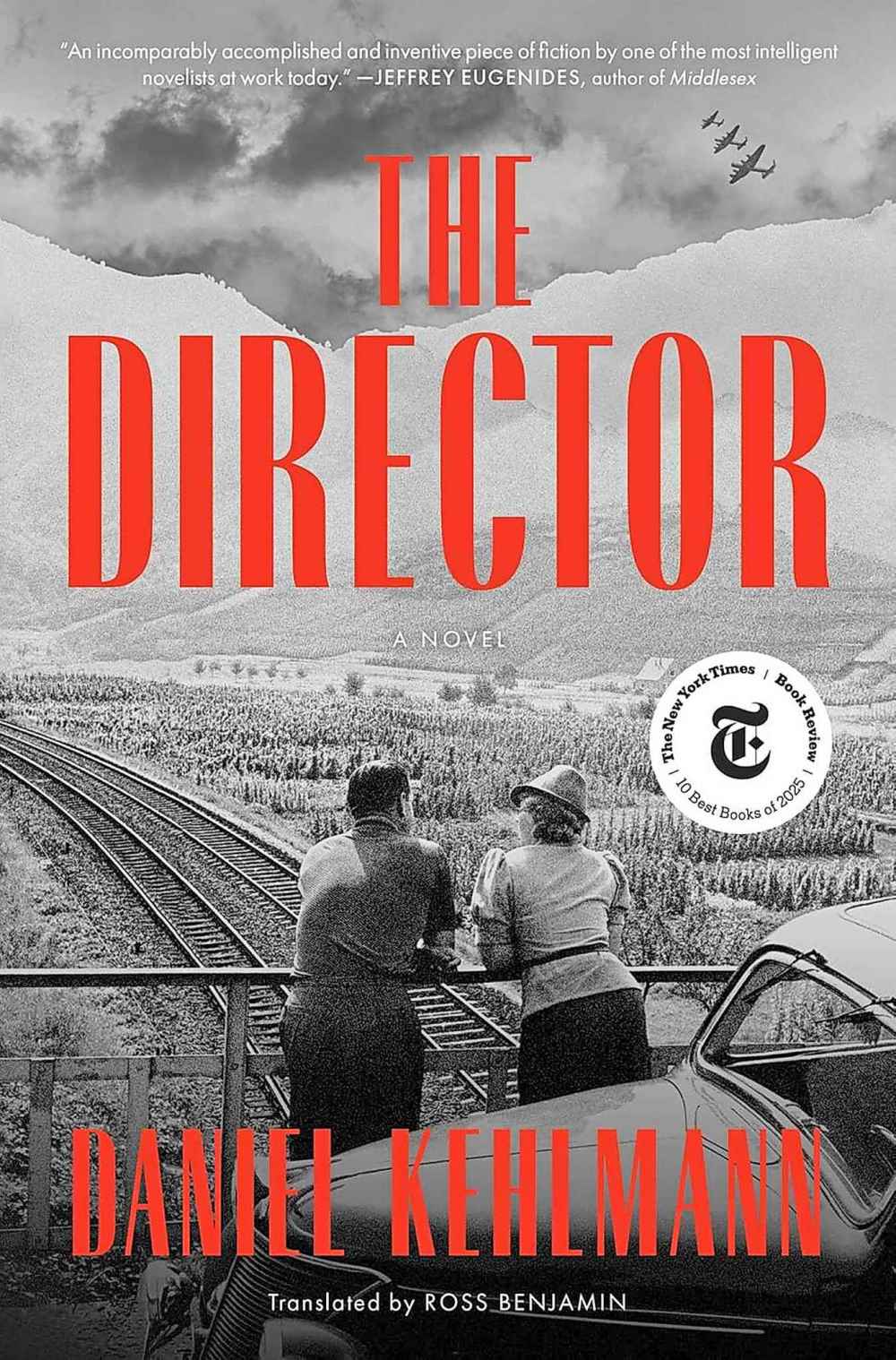
The Director
By Daniel Kehlmann, translated by Ross Benjamin
In this darkly funny and deeply intelligent novel, German writer Kehlmann charts the choices made by the Austrian-born film director G. W. Pabst during Nazi rule.
With writing so subtle it’s difficult to mark the exact moment at which the filmmaker falls into complicity, The Director tests the boundaries between art, power and moral responsibility, evoking life under totalitarian rule with exacting precision and scathing effect.
— Alison Gillmor
Dream Count
By Chimamanda Ngozi Adichie
Dream Count is a searing account of the lives of four African women now living in the United States.
In Ngozi Adichie’s hands, the womens’ memories of their failed romantic relationships and the mistakes they made before and after emigrating are elevated to become incisive, often very funny observations on race, class and gender.
The book is both a stinging indictment of America’s justice system and a joyful celebration of sisterhood.
— Zilla Jones
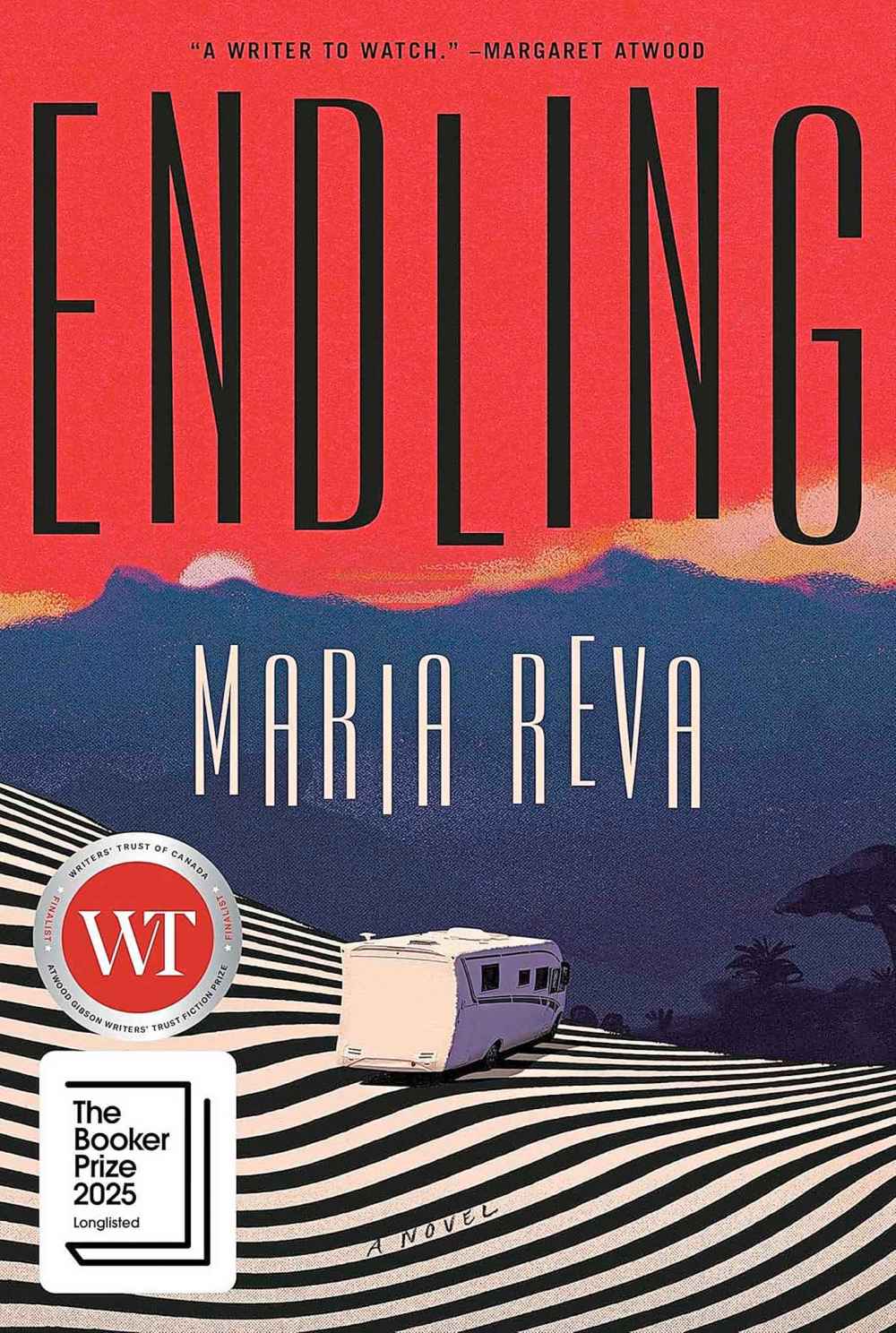
Endling
By Maria Reva
Winner of the Atwood Gibson Writers’ Trust Fiction Prize, Reva’s full-length debut follows a snail scientist in Ukraine who works in the bridal tourism industry on the side, and who helps a pair of co-workers/activists take a group of bachelors hostage to try and bring down the patriarchal business.
But when Russia invades, the plan — and the narrative — are thrown into chaos, with Reva masterfully ramping up the tension without sacrificing her wry sense of humour.
— Ben Sigurdson
Flesh
By David Szalay
This year’s Booker Prize winner synthesizes the Montreal-born author’s preoccupation with men’s physicality and isolation into one propulsive story. István has a relationship with a married woman that ends in tragedy.
The protaganist shows no emotion as his social status rises and falls. By leaving gaping holes in István’s narrative, Szalay allows his readers to complete the story themselves.
— Greg Klassen
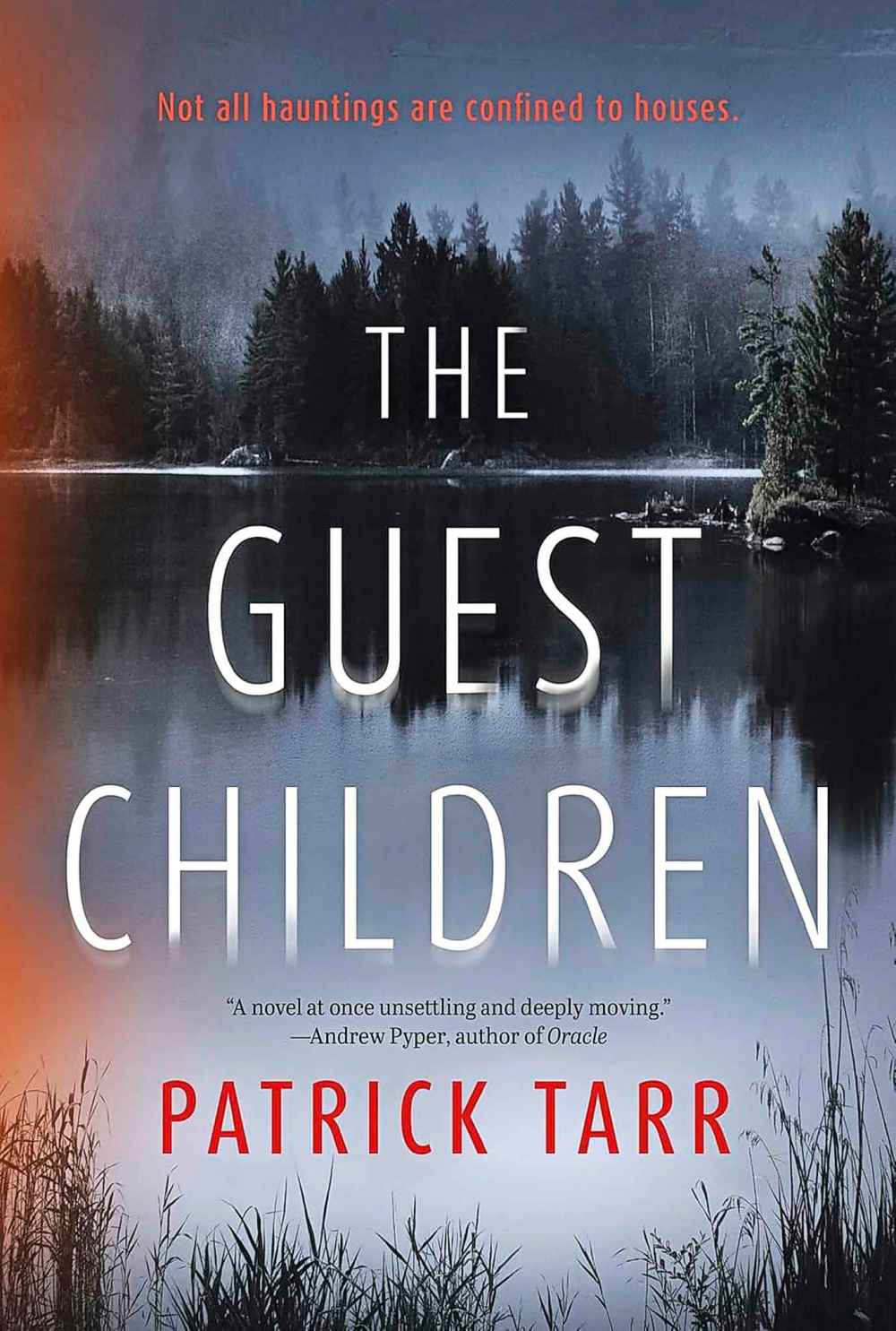
The Guest Children
By Patrick Tarr
After their parents die in the Blitz, Frances and Michael Hawksby are sent to Canada for safety’s sake. However, shortly after arriving at their aunt and uncle’s decrepit and haunted inn deep in the Canadian Shield, the siblings disappear.
Randall Sturgess strives to discover what became of the children despite his recurrent nightmares and dissociative fugues making that nearly impossible.
Reminiscent of Shirley Jackson’s The Haunting of Hill House and Henry James’s The Turn of the Screw, this creepy read is perfect for late nights when you’re acutely aware of every creak and cry.
It’s also a well-researched, vivid and compassionate story about trauma, guilt, grief and war’s extortionate costs.
— Jess Woolford

Horse Girl Fever
By Kevin Maloney
Readers who enjoy dark humour, hapless male protagonists and the wild rides that poor choices inevitably lead to will get a real kick out of Kevin Maloney’s Horse Girl Fever.
This collection of 14 short stories from the Oregon-based indie-lit author of The Cult of Loretta and The Red-Headed Pilgrim is built up on equal parts slapstick humour, pathos and enduring empathy, and is peppered throughout with Gen X pop culture references and literary allusions aplenty.
While the volume is slim enough to ingest in one sitting, microdosing Maloney is also rather enjoyable.
— Sheldon Birnie
The Hunger We Pass Down
By Jen Sookfong Lee
A haunting and haunted exploration of intergenerational trauma, The Hunger We Pass Down follows four generations of Chinese women as they survive the occupation of Hong Kong during the Second World War, escaping to Canada, and the traumas and literal ghosts they bring with them.
Lee deals with difficult subject matter without ever tipping into exploitation or sensationalism and though the characters may be doomed, you can’t help but hope they might just be able to escape the ghosts of the past.
— Keith Cadieux
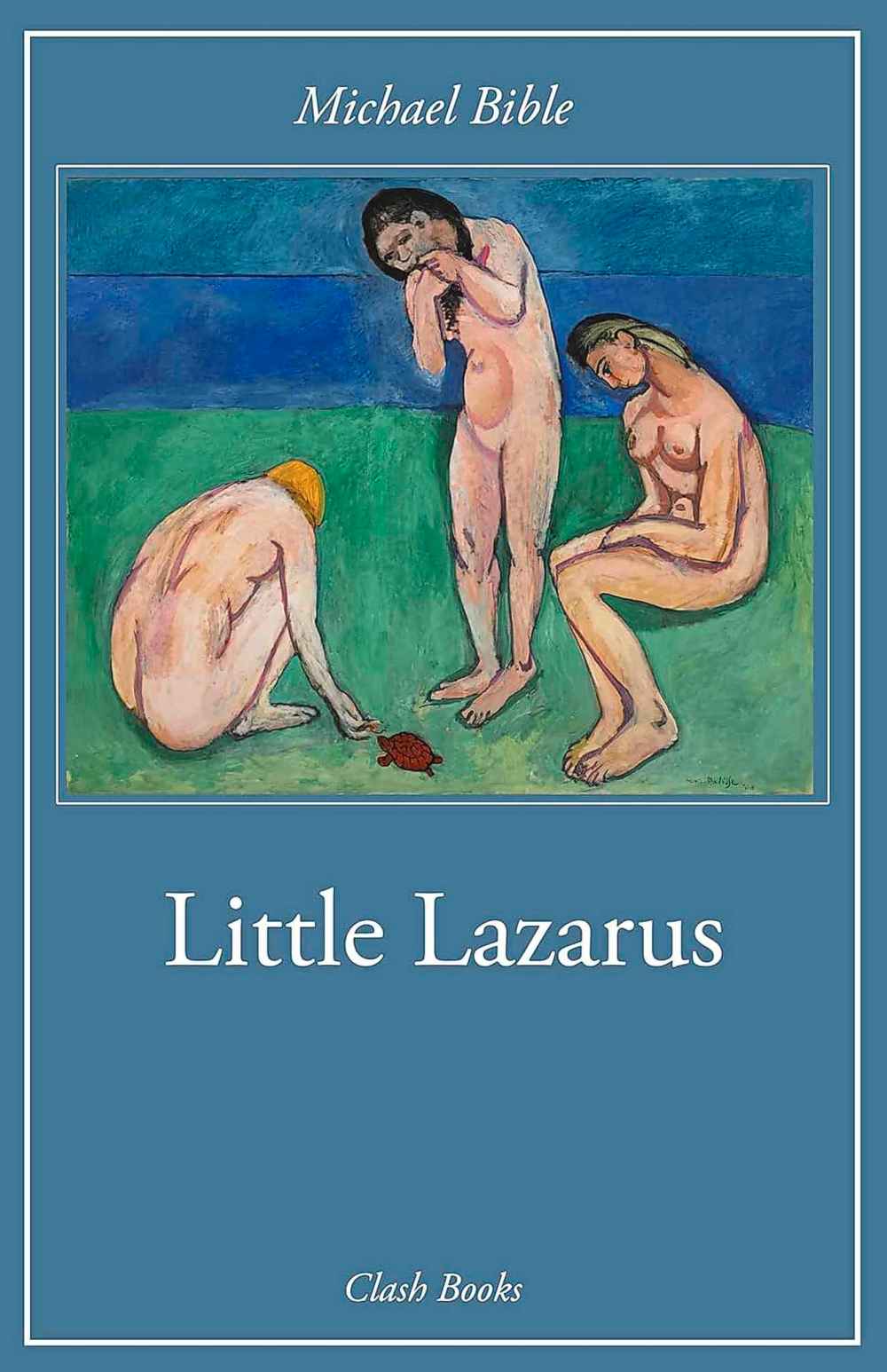
Little Lazarus
By Michael Bible
North Carolinian Michael Bible’s fourth novel begins with the creation of everything and the birth of dreams in an ancient tortoise’s mind, then zooms into that same tortoise’s modern-day descendants and their roles in the lives of two horny teenagers on the cusp of a car crash.
Using a storyteller’s sparse prose, Bible creates a moving (and frequently funny) tension between cosmic scope and a more acute, earthbound sense of fate’s opacity, encouraging readers to consider the contingency of a life.
—Matt Horseman
The Marionette
By Terry Fallis
If you’re looking for a hopeful tale to balance the increasingly discouraging state of the world, this comic thriller — about a thriller writer working undercover for CSIS in Mali — could pull the right strings.
Bestselling Canadian fiction author Terry Fallis’s signature style is on display: wit, humour, intrigue and lots of heart.
— Deborah Bowers
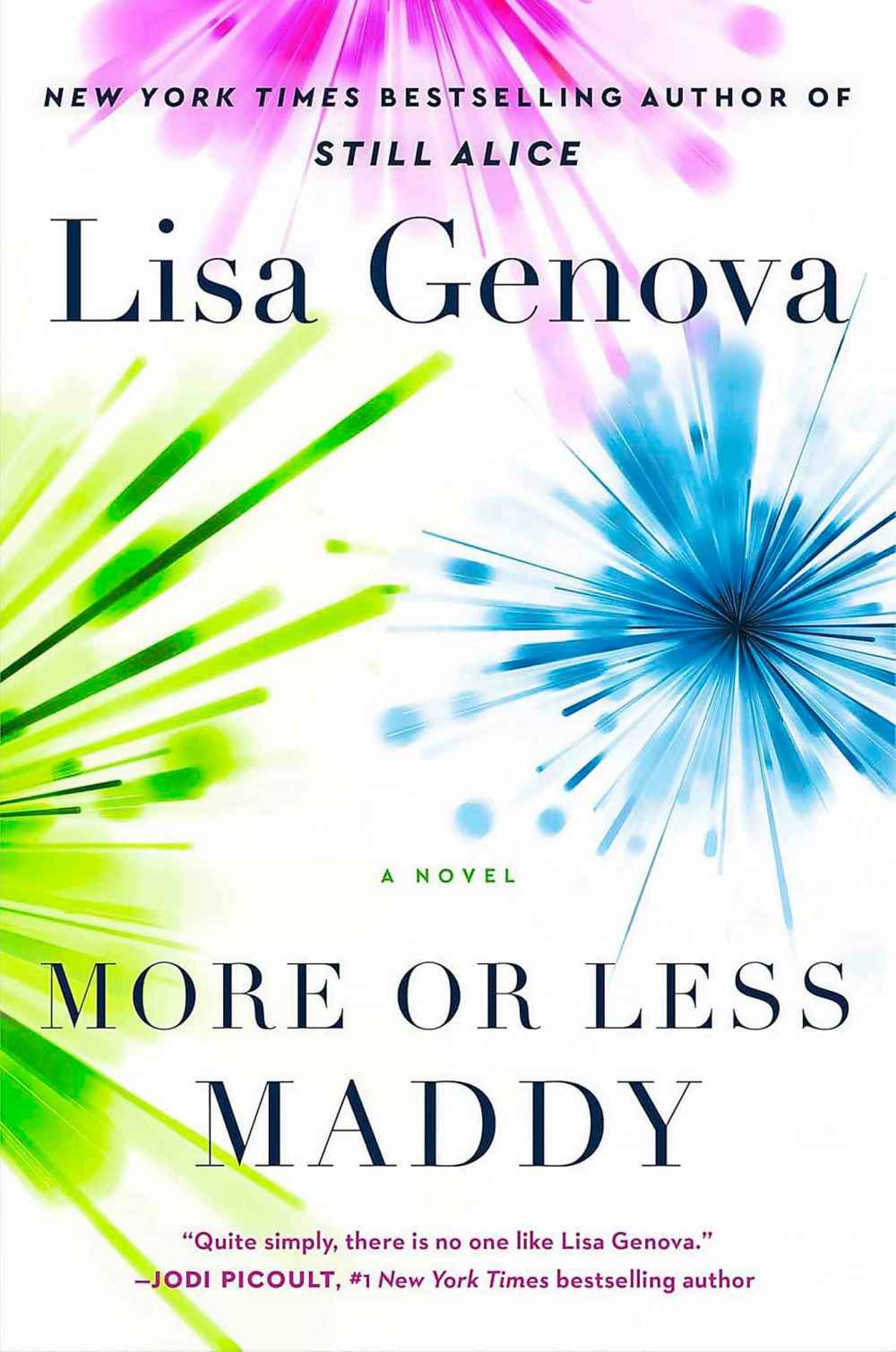
More or Less Maddy
By Lisa Genova
Ten months after my review, I am still recommending More or Less Maddy and all of Dr. Genova’s novels to my friends.
Genova, a Harvard-educated neuroscientist, maps our emotional and cognitive interiors tackling early onset dementia, head trauma and, in her latest, a young bipolar woman confronting hypermania and a desire to do stand-up.
As a mentally ill stand-up myself, Genova understands the assignment — not just the trauma, but our tribe and how to write jokes. It’s a rare trifecta. It’s Jodi Picoult meets Oliver Sacks.
— Lara Rae
The Mysterious Case of the Missing Crime Writer
By Ragnar Jonasson
Fans of Scandi Noir mysteries will recognize the author from his successful Hulda series, Dark Iceland series and the novel Reykjavik that won him international attention. This new book is the second of a series featuring the continued maturing of young detective Helgi Reykdal.
Agatha Christie fans will enjoy the author’s affection and homage to the queen of crime and the slow but steady revelations that come from Helgi’s polite but dogged interview style.
— Ron Robinson
The River is Waiting
By Wally Lamb
In American Wally Lamb’s sixth novel, a heartbroken father asks himself if he can ever be forgiven for causing the death of his child.
It’s a heart-shattering saga about addiction, trauma, redemption and the healing power of relationships. The River Is Waiting was worth the nine-year wait since Lamb’s last novel.
— Kathryne Cardwell
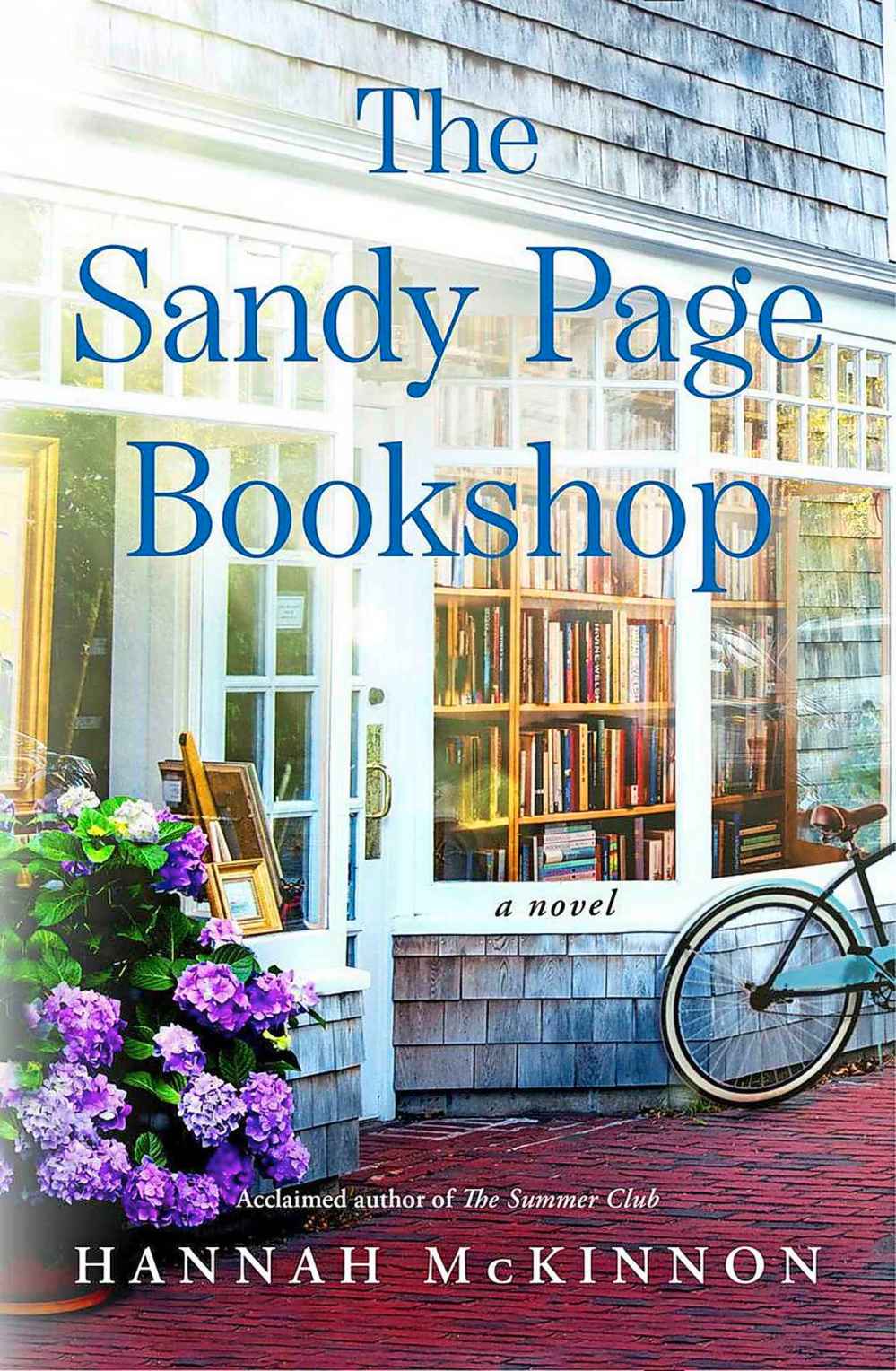
The Sandy Page Bookshop
By Hannah McKinnon
An author known for her “perfect beach reads,” for developing a well-stocked bookshop as a popular setting and for presenting the narrative from four distinctly different characters’ points of view: sounds like a great combination, and it is.
Connecticut author Hannah McKinnon succeeds in making all four main characters, Leah, Luke, Eudora and Lucy, likable and fun to follow, in a novel that takes place in a pleasant part of Cape Cod.
— Dave Williamson
Seeing You Home: Stories
By Catherine Hunter
In a remarkable collection of stories, Winnipeg’s Catherine Hunter deals with dying and the recovery from grief.
Her power as poet and storyteller combine in the best of the stories to offer a moving experience of how the grace of living overcomes the power of death.
— Rory Runnells
The Spirit of Scatarie
By Lesley Crewe
Part historical fiction, part war bride epic, part… ghost story?
Voiced by a 19th-century shipwreck spirit, Crewe’s 14th novel shares the life stories of three babies born on a remote fishing island off the coast of Cape Breton on Christmas night, 1922. But what Scatarie lacks in living amenities, it makes up for in community.
An enjoyable read, sure to trap readers into the narrative — perfect to while away the holidays.
— GC Cabana-Coldwell
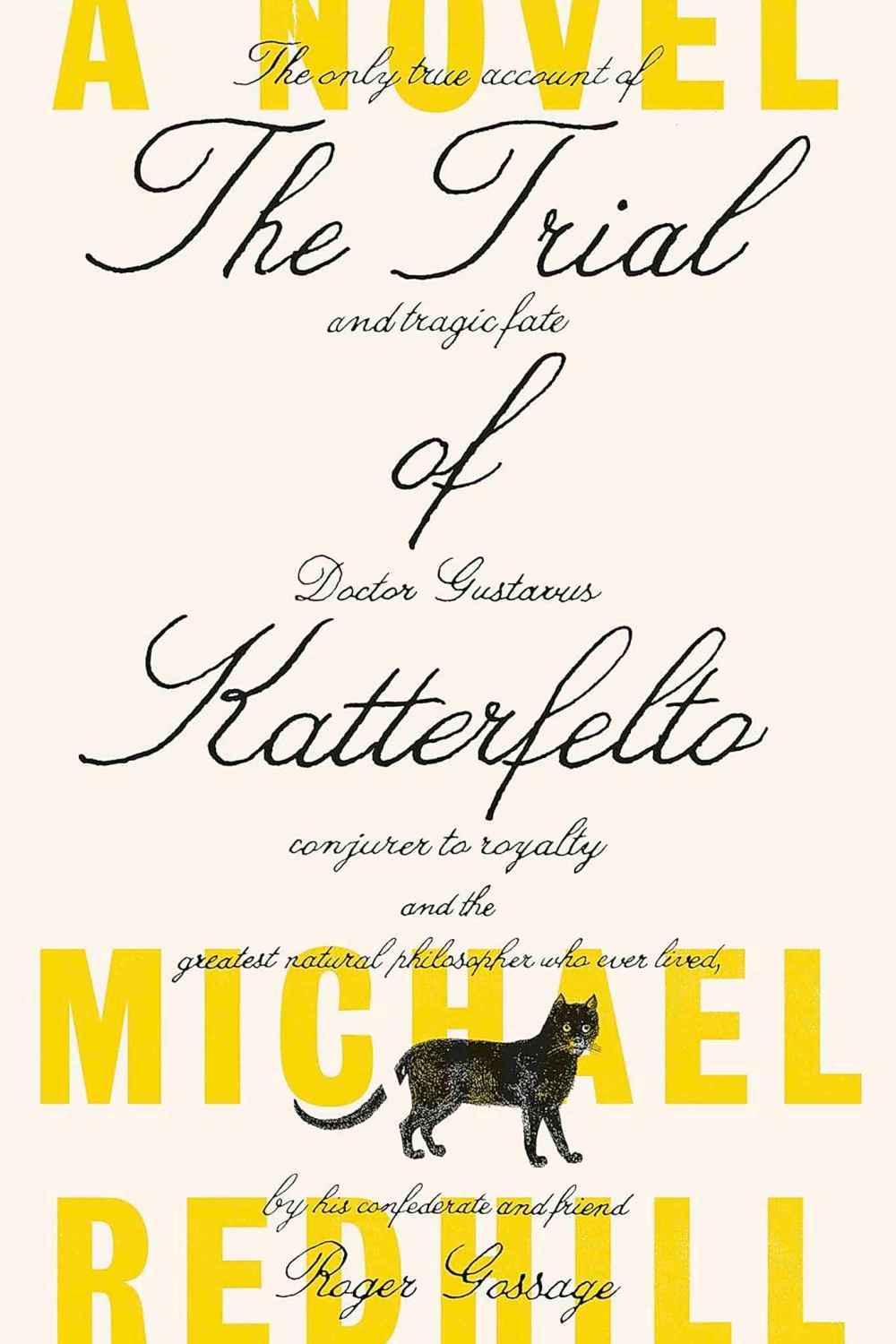
The Trial of Katterfelto
By Michael Redhill
Katterfelto, an 18th-century Houdini and scientist, finds an enigmatic horn, out of which comes a voice that calls itself “Seerie” from “Tronno.”
Redhill is at his best, offering a mystery story without a simple solution and a historical novel that doesn’t stay in the past.
Humane and timely, this second book in his Modern Ghosts trilogy doesn’t require any knowledge of the first instalment, the Giller-winning Bellevue Square.
— Reinhold Kramer
Twice
By Mitch Albom
Most famous for his novel Tuesdays with Morrie, the latest work of fiction by the Michigan-based Albom is magical and uplifting — it is part fantasy, part time travel and also a love story.
Short, light and easy to read, this may well be a cozy winter’s night read.
— Cheryl Girard
Vera, Or Faith
By Gary Shteyngart
Set in a near-future, eerily familar dystopian America, Shteyngart’s precocious 10-year-old Vera Bradford-Shmulkin struggles to keep her family together while working to uncover the truth about her Korean-born birth mother.
The Russian-born American satirist’s comedic chops are in fine form, albeit less barbed, allowing the endearing, wise-beyond-her-years Vera to win over the reader with her curiosity, her charm and her smarts.
— Ben Sigurdson
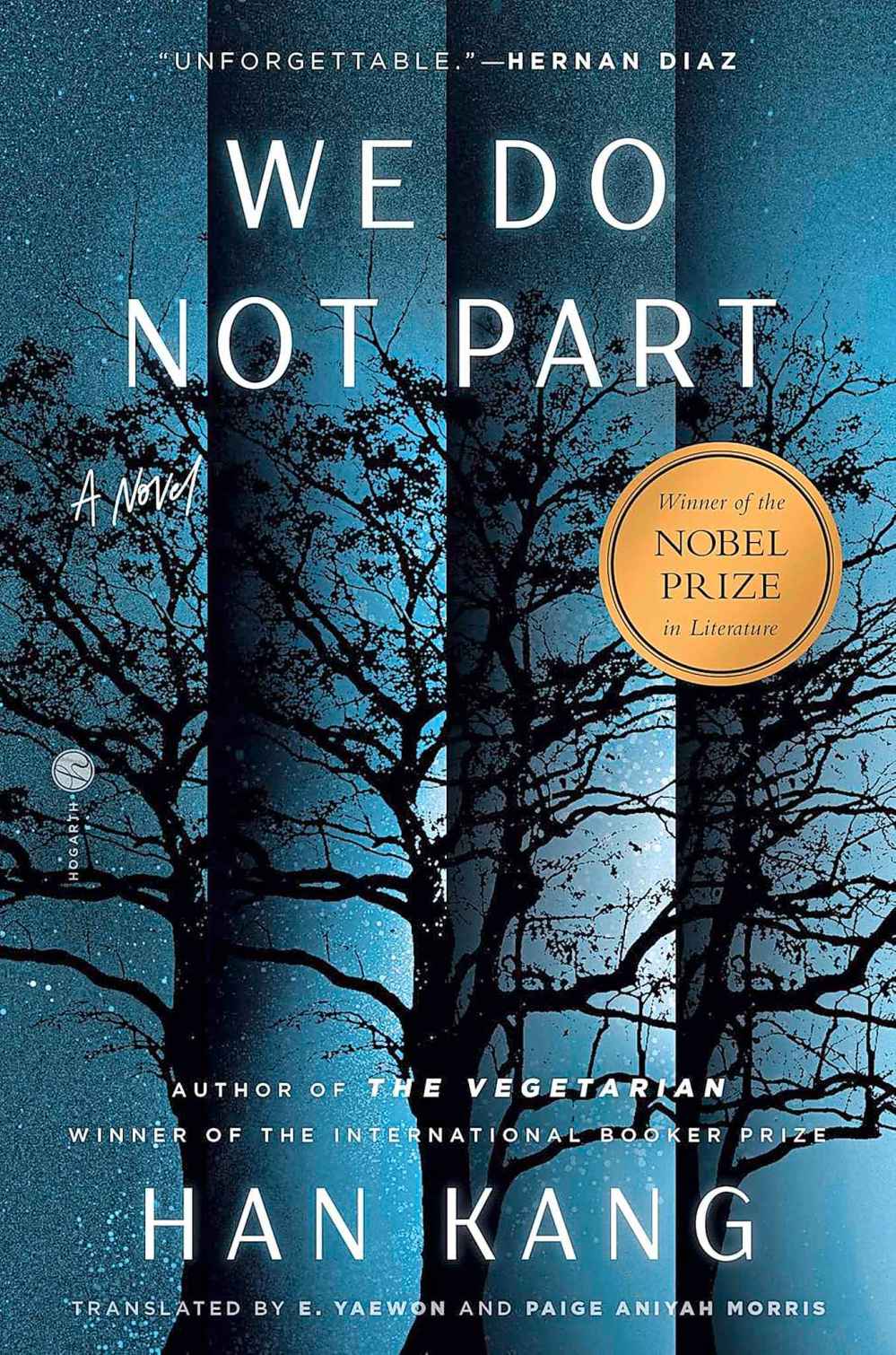
We Do Not Part
By Han Kang, translated by e. yaewon and Paige Aniyah Morris
This powerful and haunting novel by Nobel prize-winning South Korean author Han Kang follows the friendship of two women, a novelist and a documentarian, and the journey to save a bird in a snowstorm.
In mesmerizing shifts between dream state and reality, the novel unearths, amongst gorgeous descriptions of tree trunks and snow crystals, the devastating details of the 1948 Jeju massacre, and underscores the ability — the imperative, even — of art to bear witness to human atrocities and the small acts of humanity found therein.
— Sara Harms
What We Can Know
By Ian McEwan
Part environmental dystopia, part literary mystery, the distinguished British writer’s 19th novel highlights his gift for clever plotting and gimmicky premises.
An Oxford literary scholar, in an environmentally damaged 2119, is searching for the original copy of a poem written 100 years earlier.
It’s as though Margaret Atwood had melded The Year of the Flood with Alias Grace.
— Morley Walker

When the Moon Hits Your Eye
By John Scalzi
This very silly book by award-winning sci-fi author John Scalzi asks: “What if, one day, the Moon suddenly turned to cheese?”
When the Moon Hits Your Eye is basically a collection of vignettes exploring the consequences of the Moon’s unexpected transformation, from the obvious physical changes to how the transformation would affect everyday life on Earth, including politics, media, religion and the stock market. (Spoiler: NASA wouldn’t be happy.)
— Chris Rutkowski
When We Were Real
By Daryl Gregory
The Seattle sci-fi writer’s funny and imaginative journey is set on a bus tour through the “North American Impossibles” — a series of anomalies that appeared at the same time the human race learned our lives are all part of a computerized simulation.
— Alan MacKenzie
Wild Life
By Amanda Leduc
An inventive, fresh novel with strange towers of fire, talking hyenas in trenchcoats and intercontinental trains gliding over the Atlantic (with tracks anchored to the ocean floor), Leduc creates a Canadian form of magical realism in a story that is odd, mystical and at the same time deeply authentic. It is also dazzling.
— Craig Terlson
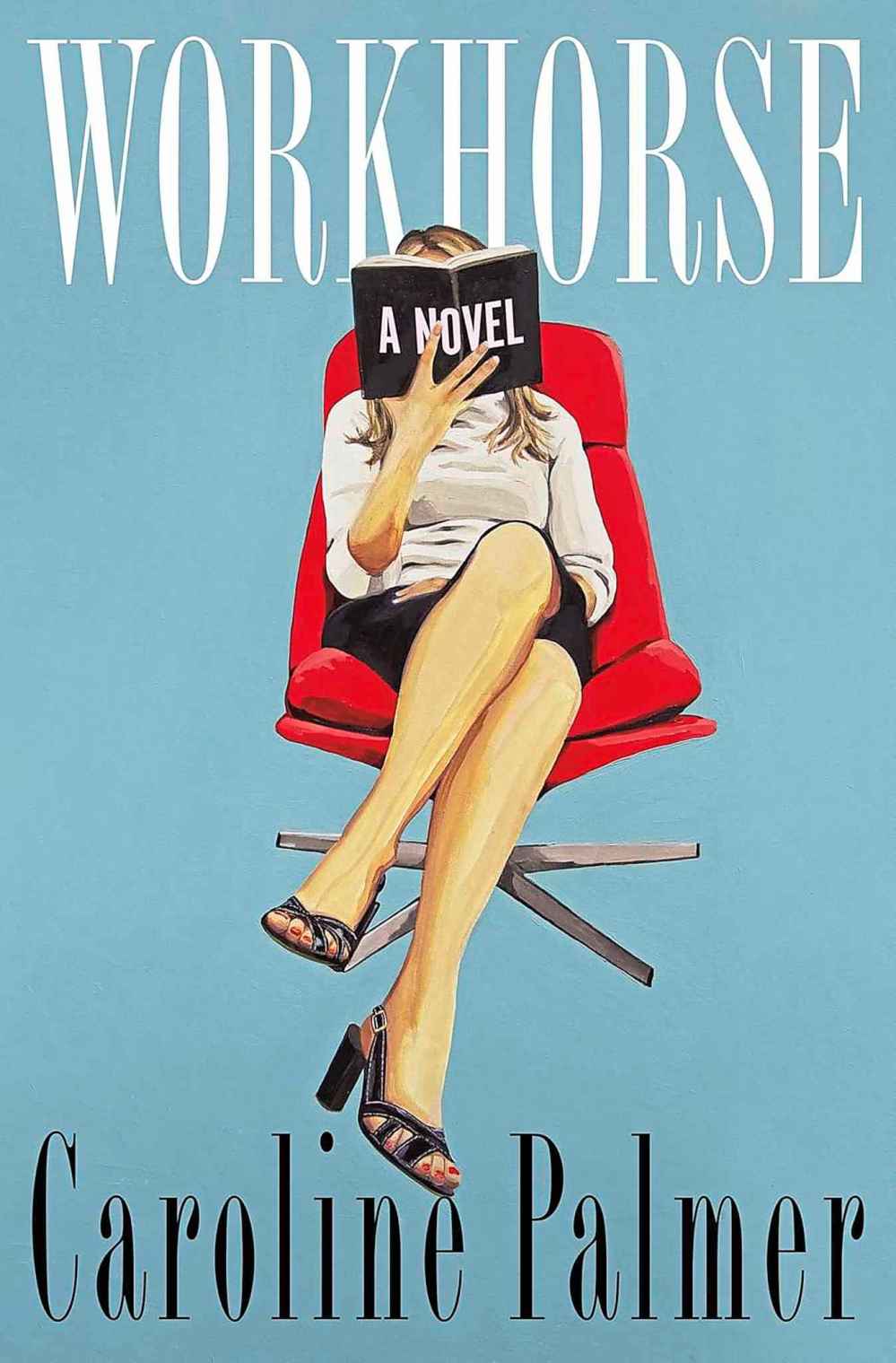
Workhorse
By Caroline Palmer
Set in the heady milieu of fashion magazines circa 2000 — all expense accounts, cocktail galas and access to the accessories closet — this soapy but dark debut from former Vogue.com editor Palmer plunges readers into the world of the workhorses (regular people who slog in the trenches in hopes of a byline) and show horses, the glamorous, connected souls who rise without effort (or even talent).
It’s a searing look at ambition, gilded with satire and led by a fascinating protagonist who will go to any lengths to succeed.
— Jill Wilson
You Weren’t Meant to be Human
By Andrew Joseph White
A vivid, visceral tale of body horror in which the autistic, pregnant protagonist must deal with abuse, transphobia and the ever-whispering threat of the malevolent Hive, a scuttling collective of vermin that wants the baby for its own purposes.
Harrowing and compelling, shot through with dark humour and moments of grace.
— David Jón Fuller
NON-FICTION
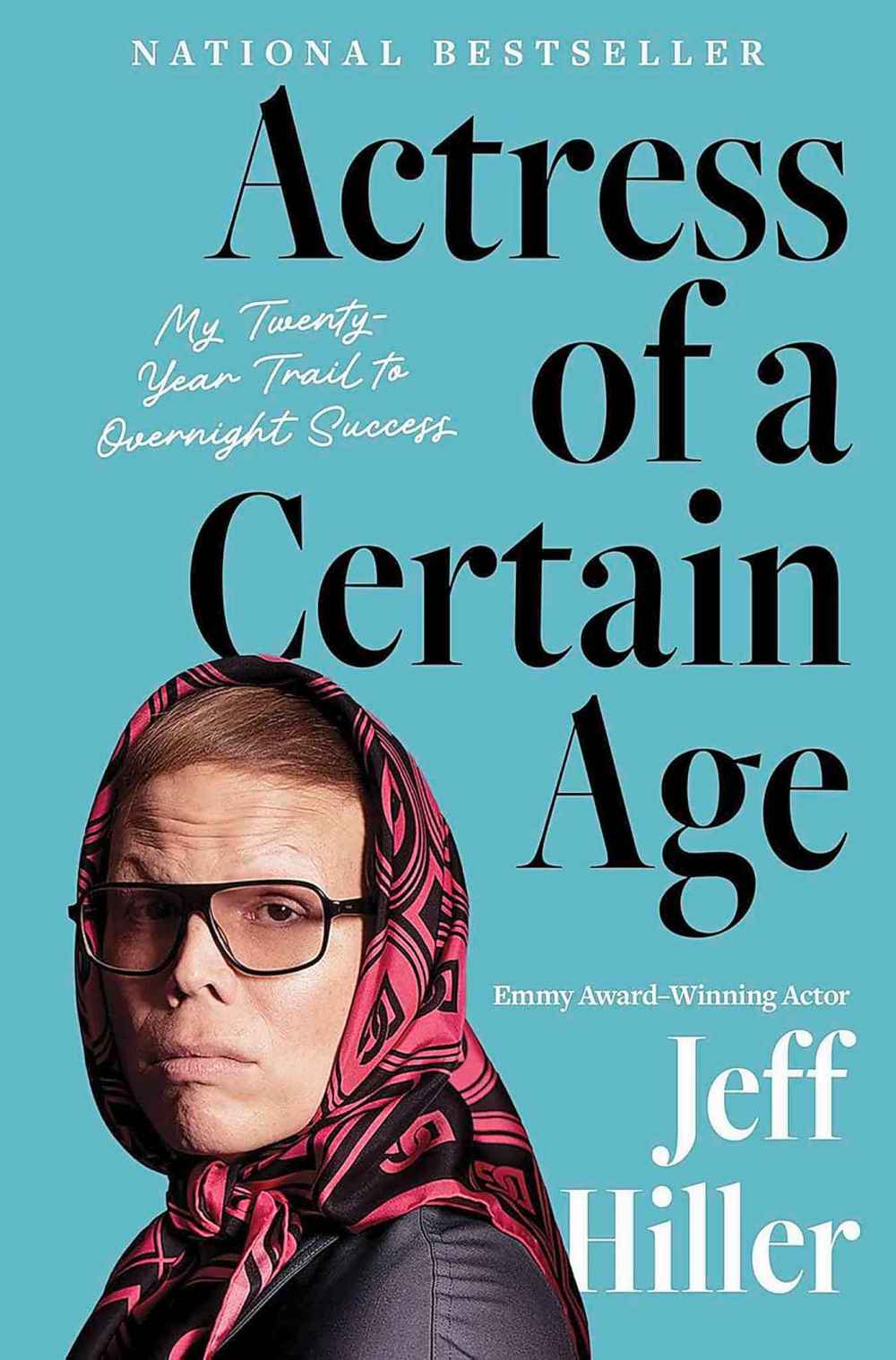
Actress of a Certain Age: My Twenty-Year Trail to Overnight Success
By Jeff Hiller
You don’t have to be a fan of Somebody Somewhere to enjoy this delightful memoir from the HBO dramedy’s breakout star.
The newly minted Emmy winner delivers dishy dirt from his 20 years of bit parts and under-the-radar scene-stealing, while recounting, with humility and humour, his unlikely road — via small-town Texas, Christian college and community outreach — to celebrity.
— Jill Wilson
Against the Grain: Defiant Giants Who Changed The World
By Terry O’Reilly
The advertising guru and broadcaster is on to something different here. In his latest book it’s perseverance that is the thread running through five different categories and characters.
He wants to draw our attention to entertainment, business and industry, politics, science and medicine as well as sports.
A book of short and encouraging and uplifting essays that makes it a read for teens as well as adults.
— Ron Robinson
Beyond the Rink: Behind the Images of Residential School Hockey
By Alexandra Giancarlo, Janice Forsyth and Braden Te Hiwi with the 1951 Sioux Lookout Black Hawks
Beyond the Rink is the shameful history of everyday religions, in concert with government, killing the identity of Indigenous children and replacing it with the conduct and values of whites.
The result was that the kids grew up in a purgatory of social and cultural confusion that stamped them unfit for either culture.
The book is well documented, and the writing is lucid.
— Barry Craig
MIKAELA MACKENZIE / FREE PRESS FILES Roger Turenne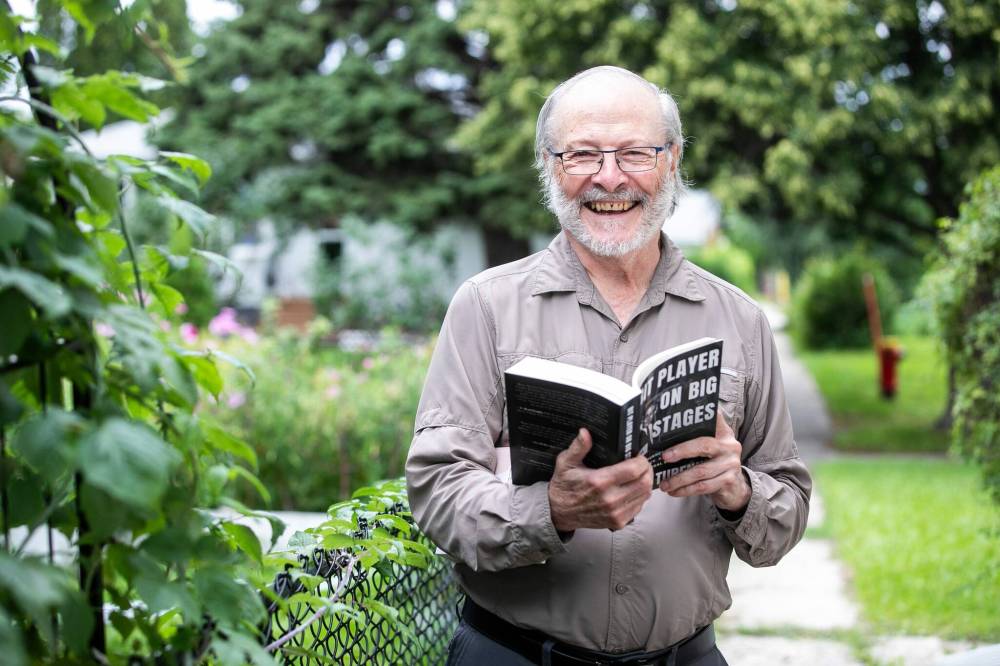
Bit Player on Big Stages: A Journey Through Diplomacy, Advocacy, and Cultural Survival
By Roger Turenne
The life of a diplomat and advocate might seem glamorous, with its travel and opportunities for making a difference in the world, but it can also involve struggles and anxiety.
In this fascinating account, Roger Turenne describes his career as a Canadian diplomat, working in places as diverse as Africa and Sweden before returning to Canada to obtain official status for French in Manitoba and to help protect wildlife and the environment.
For its insights into one person’s influence on the world around him, this book is worth reading.
— Susan Huebert
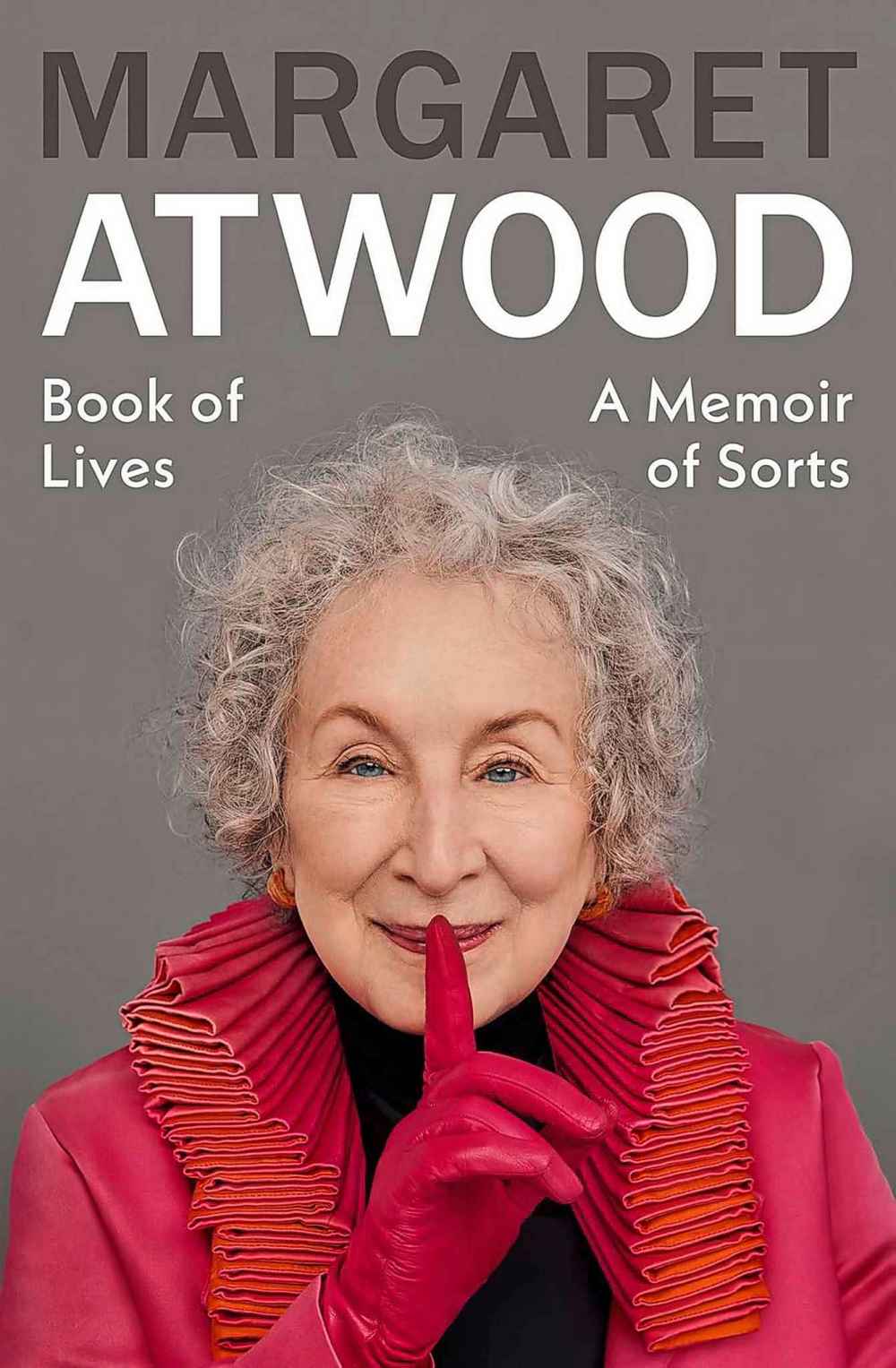
Book of Lives: A Memoir of Sorts
By Margaret Atwood
A conventionally structured memoir, Book of Lives is an absorbing must-read for anyone interested not just in the grande dame of Canadian letters, but in North American cultural development in the second half of the 20th century.
Clocking in at almost 600 pages, this is not a small tome. But interesting and often funny details pop off virtually every page.
— Morley Walker
The Broken King: A Memoir
By Michael Thomas
“My story is of broken men, each of whom, at one time, had to transform their legacy and in doing so transform themselves and the inheritance of those to come.”
So begins Michael Thomas in the opening lines of his powerful memoir, a blunt but beautiful treatise on fatherhood, addiction, intergenerational trauma, mental illness, police brutality and being Black in America.
— Kathryne Cardwell
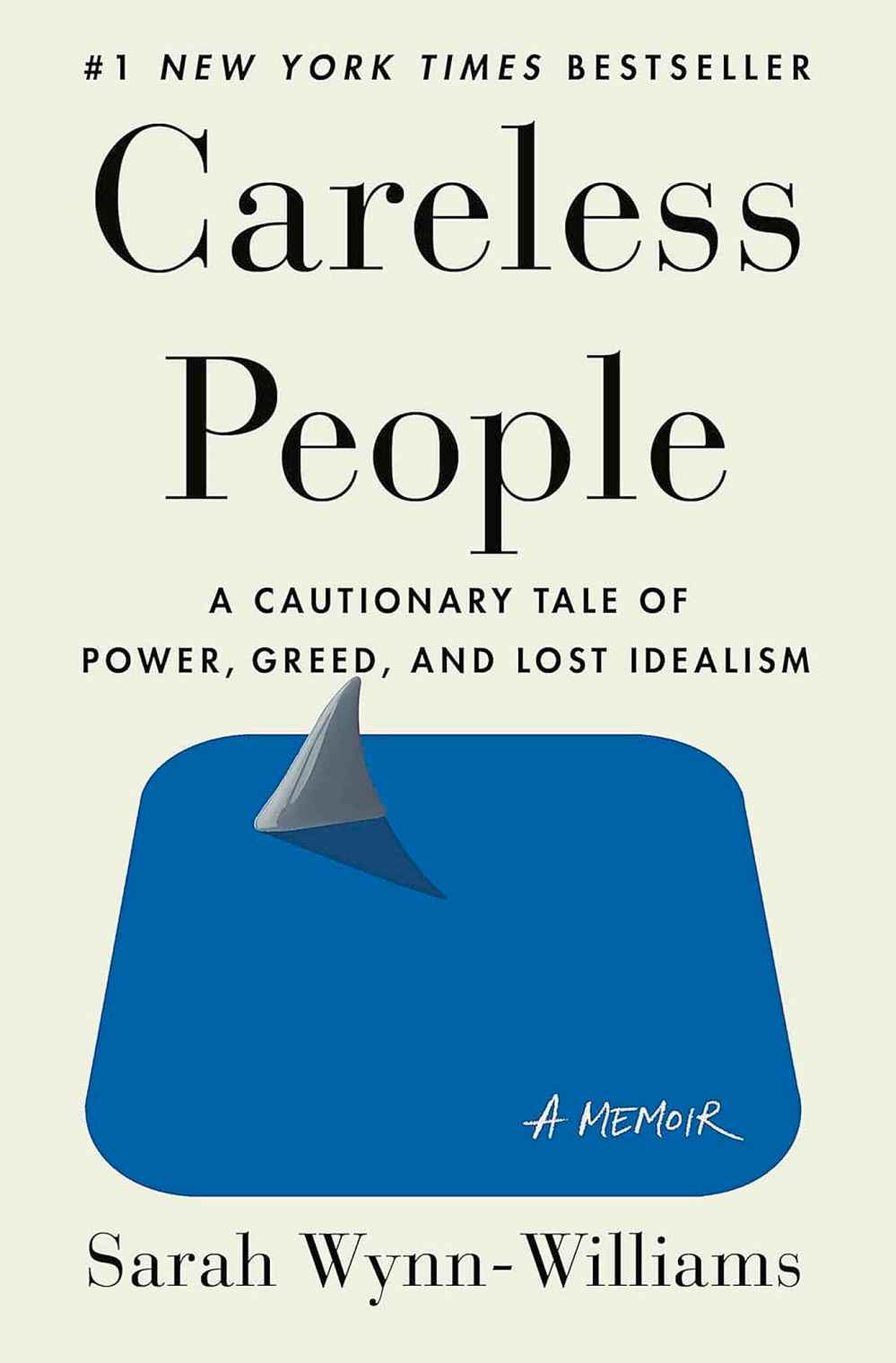
Careless People: A Cautionary Tale of Power, Greed, and Lost Idealism
By Sarah Wynn-Williams
Cultural criticism at its finest, Sarah Wynn-Williams holds nothing back as she exposes the carelessness, indifference, and malfeasance at Facebook.
This unflinching, behind-the-scenes memoir reveals how CEO Mark Zuckerberg and former COO Sheryl Sandberg created one of the world’s most influential political tools while failing to put up appropriate guardrails to prevent human rights atrocities and the erosion of democracy.
While the story itself is an unfortunate reality, the writing is propulsive and makes you appreciate the courage it takes to stand up corporate greed and blow the whistle.
—Rochelle Squires
Changeover: A Young Rivalry and a New Era of Men’s Tennis
By Giri Nathan
A gripping, kinetic profile of the two players currently dominating men’s professional tennis — Jannik Sinner and Carlos Alcaraz.
The author offers a keen eye for detail, a knack for careful listening and a thorough knowledge of the modern game, delivered with a delicate balance of empathy, skepticism and humour.
Accessible for tennis newcomers yet illuminating for seasoned followers of the sport.
— Jordan Ross
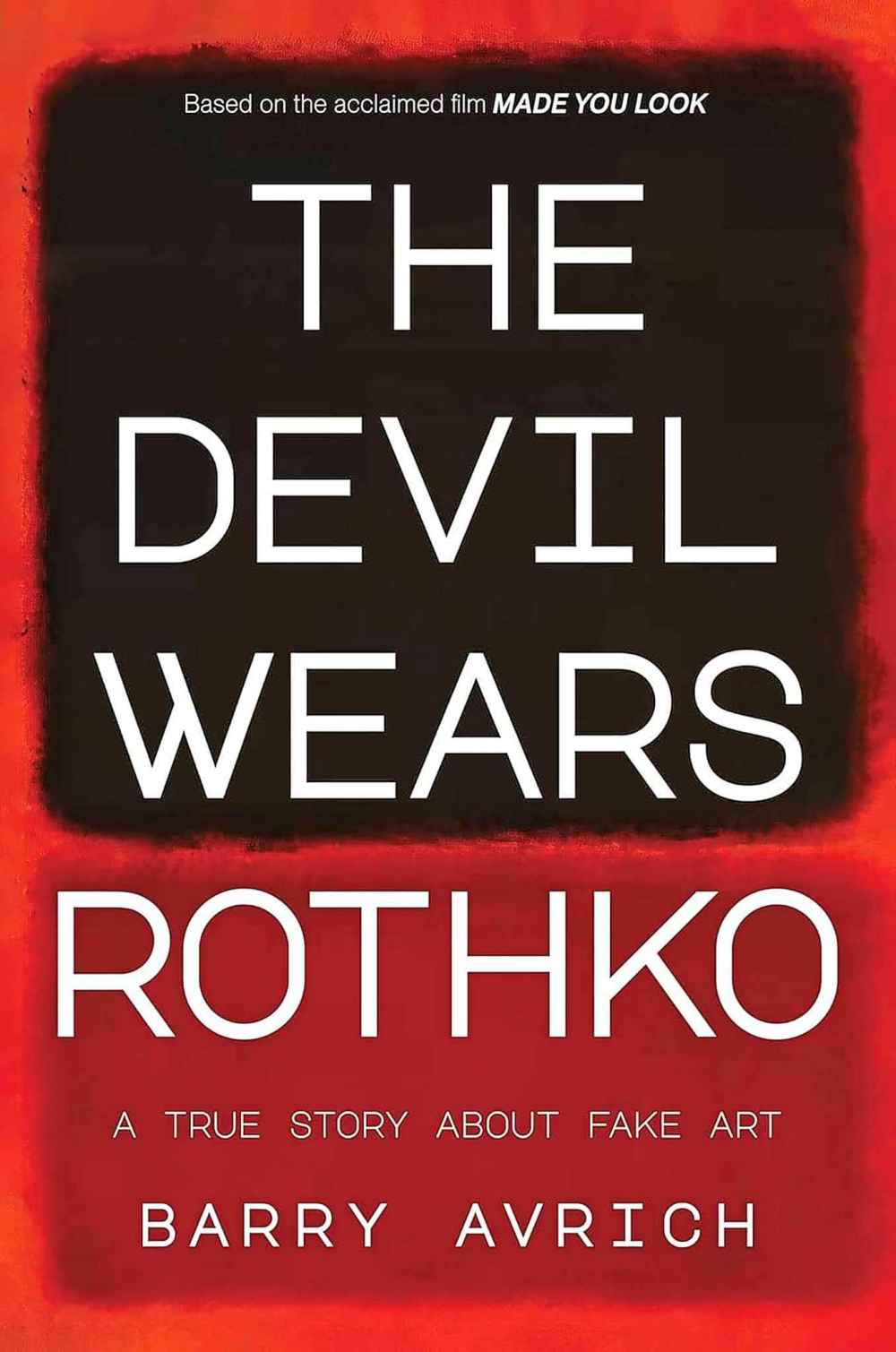
The Devil Wears Rothko: A True Story About Fake Art
By Barry Avrich
This true-crime book involves a venerable New York art gallery that purchased fake paintings from a forgery ring and sold them to clients to the tune of US$80 million over 14 years.
It’s a cautionary, thought-provoking story that sheds light on art fraud, the gullibility of art lovers and the sophistication of the criminals who prey on them.
— Bev Sandell Greenberg
Enshittification: Why Everything Suddenly Got Worse and What to Do About It
By Cory Doctorow
This can’t be nostalgia talking — no one is nostalgic for 2018. Yet it really is the case that the internet, at least, was markedly better back then.
How, in a supposedly competitive market, can so many technology-based services be so much worse while squeezing our pocketbooks ever more?
It’s hard to believe that every founder turned villain, from Elon Musk to Mark Zuckerberg to Jeff Bezos to Tim Cook, is using the same playbook to turn every good thing on the web into garbage, but once you see the pattern you can’t unsee it.
— Joel Boyce
MIKAELA MACKENZIE / FREE PRESS FILES Scott Oake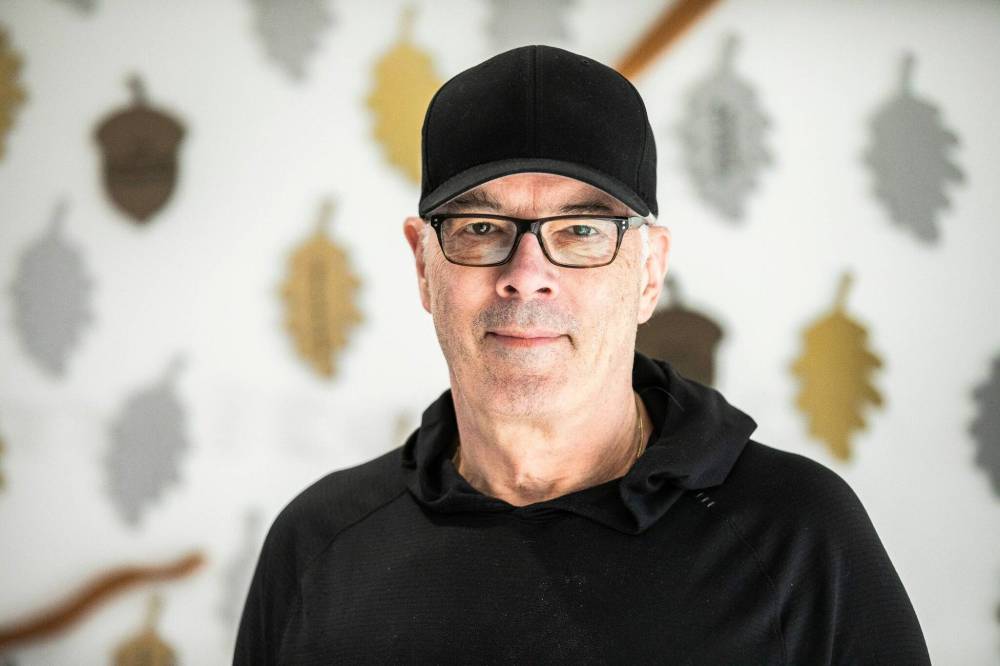
For the Love of a Son: A Memoir of Addiction, Loss, and Hope
By Scott Oake
Raw, emotional, and deeply rooted in creating a better Winnipeg and a better society, Scott Oake opens up about his son Bruce’s addiction, the painful struggle to support him and his eventual passing.
Despite the despair that Scott and late wife Anne experienced, For the Love of a Son is a testament to the never-ending love we have for our children and the hope we have for all children in this city.
— Matt Henderson
Girl on Girl: How Pop Culture Turned a Generation of Women Against Themselves
By Sophie Gilbert
Girls Gone Wild, “teen sex comedies,” the rise of internet pornography: the culture of the late 1990s and early 2000s were particularly punishing for women and girls.
In this frequently harrowing treatise, Atlantic writer Sophie Gilbert offers an incisive survey of an era defined by the objectification, infantilization and hyper-sexualization of girls, and how that influence is still felt today.
— Jen Zoratti
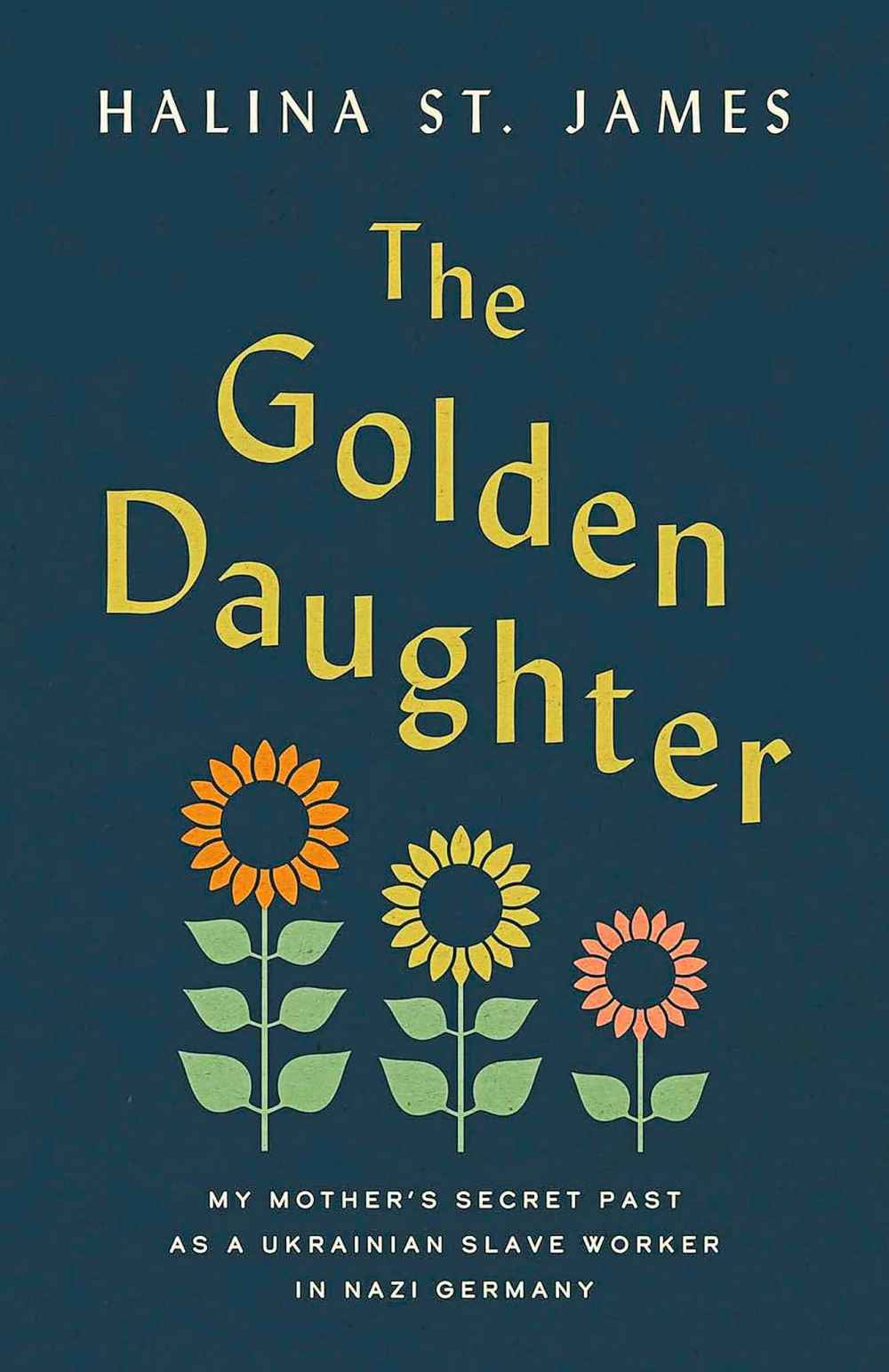
The Golden Daughter: My Mother’s Secret Past as a Ukrainian Slave Worker in Nazi Germany
By Halina St. James
The Golden Daughter is the intimate and powerful memoir of a daughter and her mother, the latter taken by the Nazis from her Ukrainian homeland in February 1943 and forced to work as a slave in Germany during the Second World War.
It is a story of a complicated relationship, of betrayal and of abandonment, but also of forgiveness, love and new beginnings.
— Cheryl Girard
Hidden Guests: Migrating Cells and How the New Science of Microchimerism Is Redefining Human Identity
By Lise Barnéoud
Michrochimerism — when cells from one person circulate in the body of another and go and do things — was something I hadn’t heard of until I read this book.
A fascinating plunge into the mysteries of bodies, this reminder that we are open to one another on the level of our cells, and even contain each other, is giddy, exciting, possibly unsettling and generally awe-inspiring.
It’s full of facts I can’t stop telling people about.
—Seyward Goodhand
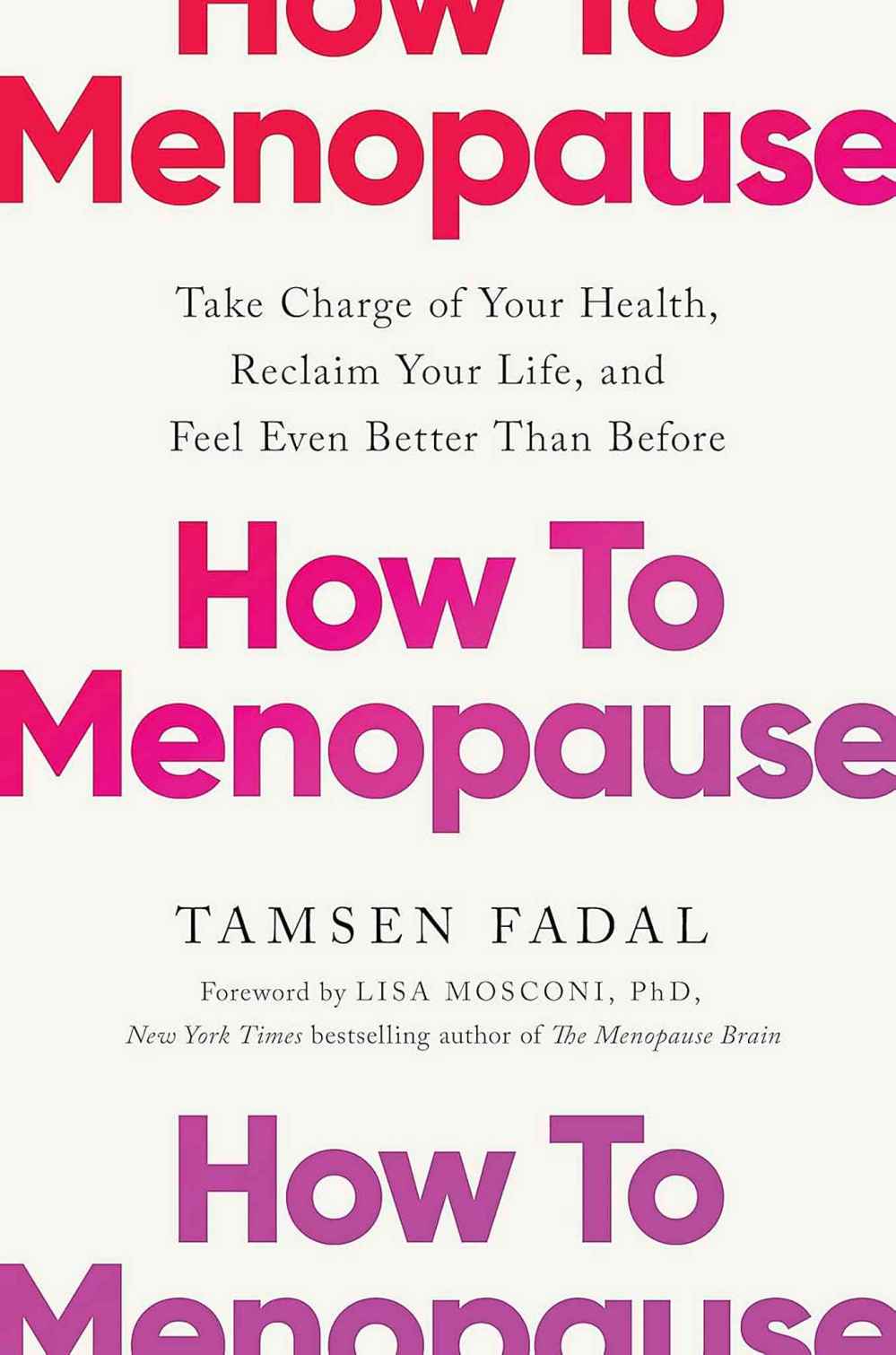
How to Menopause: Take Charge of Your Health, Reclaim Your Life, and Feel Even Better than Before
By Tamsen Fadal
For women in search of menopause advice, the landscape is a tricky one to navigate. Separating the snake oil from the science requires facts.
Tamsen Fadal — an Emmy award-winning journalist, documentary filmmaker and menopause advocate — offers research, interviews and first-hand experiences in this accessible how-to.
— Deborah Bowers
It Must be Beautiful to be Finished: A Memoir About My Body
By Kate Gies
Written in brief, lyrical vignettes, this heartfelt memoir by Toronto author Kate Gies focuses on the fact that she was born with only one ear.
The book explores how Kate’s physical problem affected her psychologically and socially from childhood to adulthood. A
t the same time, the story delineates her ongoing struggles with the attitudes of the medical system.
— Bev Sandell Greenberg
Joyride: A Memoir
By Susan Orlean
New Yorker magazine writer and bestselling author Susan Orlean recently turned 70 and has written a candid and positive memoir that interweaves details of her life experiences with creative suggestions on how to write.
Orlean has lived in many parts of the U.S. and produced books on such varied topics as animals, libraries and Saturday night in America.
Her meticulous research and lively style have made her career truly a “joyride” that any reader will enjoy.
—Dave Williamson

King Of Kings: The Iranian Revolution
By Scott Anderson
After a career as an award-winning foreign correspondent, American Scott Anderson has written the definitive history of the 1978 overthrow of Iran’s King of Kings, Light Of The Aryans, Shadow of God on Earth — shah Mohammad Reza Pahlav.
It’s a classic tragedy of an aloof tyrant who “made the fatal mistake of believing his own propaganda.”
But more importantly in today’s world, it is a chronicle of the jaw-dropping ineptitude of American intelligence community.
— Gerald Flood
Looking at Women Looking at War: A War and Justice Diary
By Victoria Amelina
With conflicts being waged around the world, many might wish for an insider’s perspective.
Before becoming a victim of the conflict between Russia and Ukraine, war crimes investigator Victoria Amelina began but never finished a compelling account of how Ukrainians have been coping with the long years of war in their country.
Although the book can be depressing at times, it is also a story of resilience and hope.
— Susan Huebert
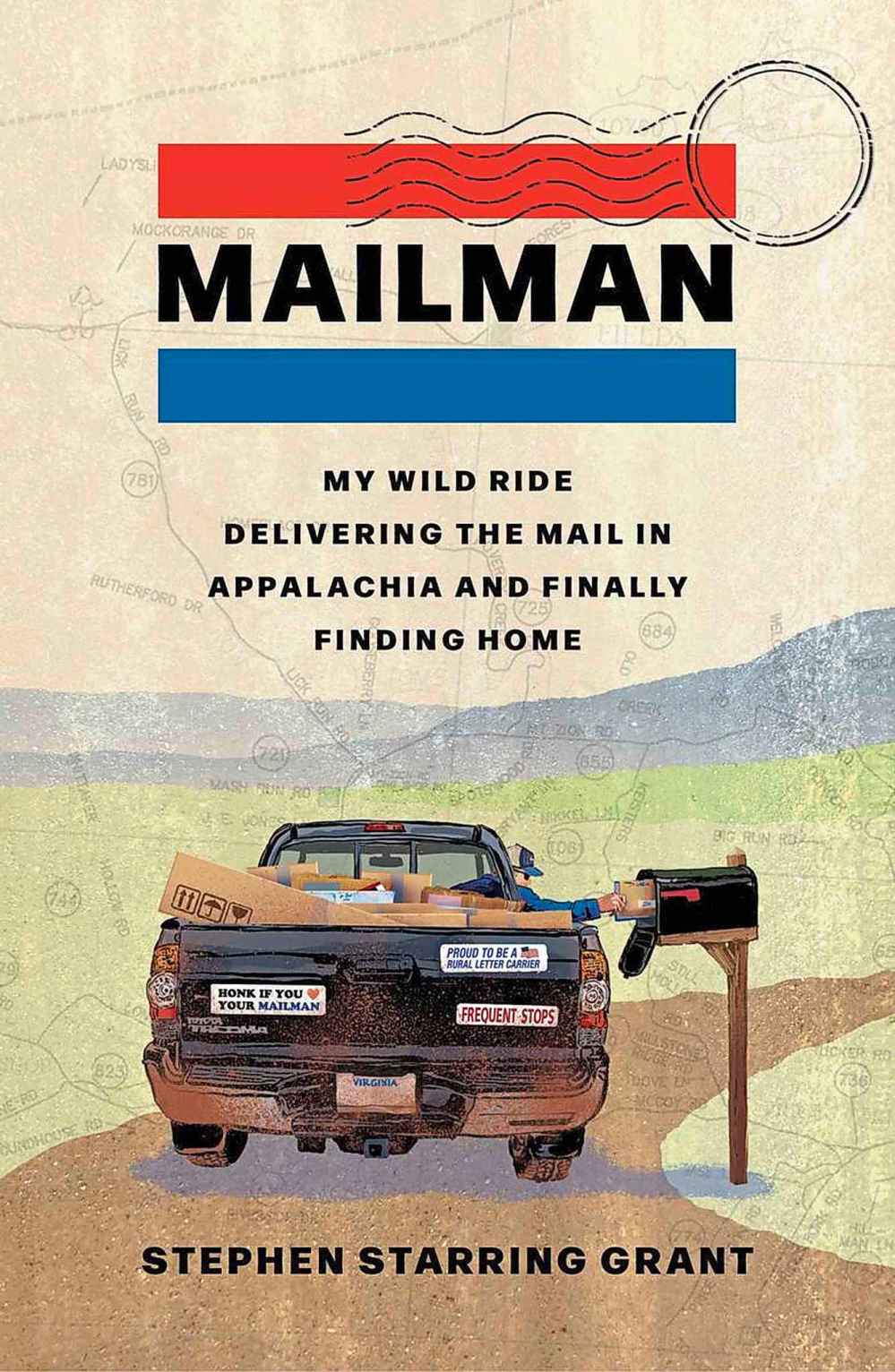
Mailman: My Wild Ride Delivering the Mail in Appalachia and Finally Finding Home
By Stephen Starring Grant
Stephen Grant’s memoir of his year after being laid off during COVID, and after a prostate cancer diagnosis, Mailman provides many insights into the job of delivering the mail, and often soars into truths about society, politics and other human interactions. It is hilarious, touching, and often inspirational.
— Bill Rambo
Mother Mary Comes to Me
By Arundhati Roy
After years of struggling to distance herself from her domineering mother, Roy is astonished at the depth of her grief after her mother dies.
In her memoir, the award-winning author shares the story of her unusual childhood and explores how always being different in a conservative Indian society led to her own rebellion as an adult.
—Andrea Geary
Nature’s Genius: Evolution’s Lessons for a Changing Planet
By David Farrier
By definition we can never know if hope springs eternal. But the lesson of the past four billion years indicates that there’s no reason to expect otherwise, according to author David Farrier, who argues that the genius of Nature — evolution — remains the key to the survival of life on Earth, despite all the climate perils.
All it needs is a little help from scientists in such fields as gene-editing and alternative food research.
Oh yeah, and a bit of faith in humanity.
— Gerald Flood
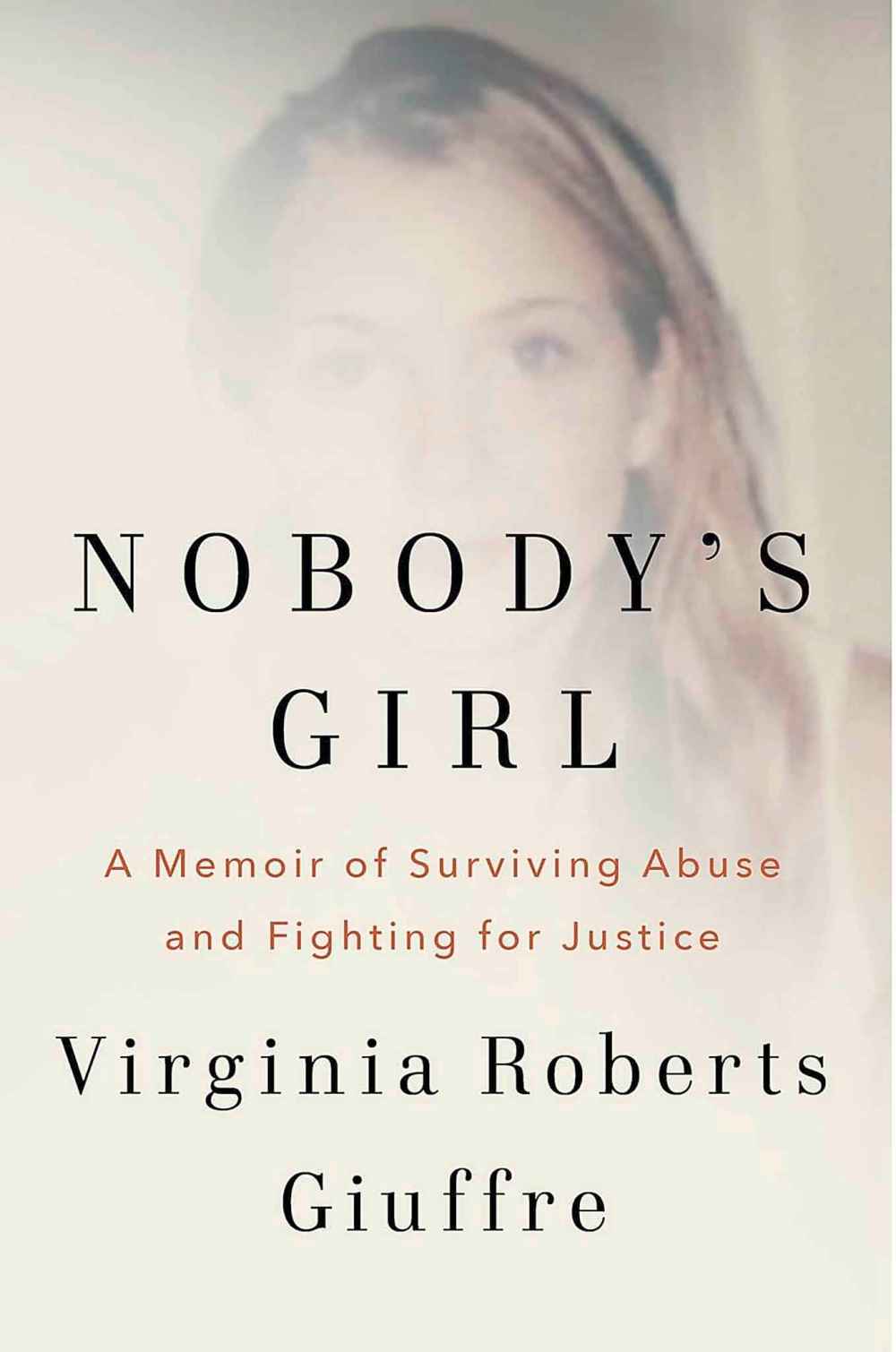
Nobody’s Girl: A Memoir of Surviving Abuse and Fighting for Justice
By Virginia Roberts Giuffre
Recognized for her central role in exposing and imprisoning elite sex traffickers Jeffrey Epstein and Ghislaine Maxwell, Virginia Roberts Giuffre at last tells her incredible story in this propulsive and important book.
From happy child to sexual abuse victim to mother to warrior, Giuffre’s account of her traumas and transformations is unsparing and generous.
Although Giuffre ended her life in April, her awe-inspiring spirit and hunger for justice live on in this unforgettable, full-throated cry for an end to the horrific crime of sexual trafficking.
— Jess Woolford
On Book Banning: Or, how the new censorship consensus trivializes art and undermines democracy
By Ira Wells
A quick hitter by punch-above-its-weight publisher Biblioasis, On Book Banning is a pocket-sized provocation for educators to help arm themselves against those who wish to remove books from libraries.
Ira Wells presents a compelling case for all of us to be wary when anyone on the right or left suggests we should eliminate books — all the while stuffing young hands with smartphones.
The next time someone demands to remove a book, ask them for three suggestions that they would add.
— Matt Henderson
On the Ground: My Life as a Foreign Correspondent
By Brian Stewart
Former CBC television reporter Brian Stewart’s remarkable personal memoir doubles as a discerning take on recent Canadian and global history.
It’s leavened by explorations of foreign-correspondent risks and trauma, and resultant mental-health fallout, that make it far more than a standard retiree-journalist recounting.
— Douglas J. Johnston
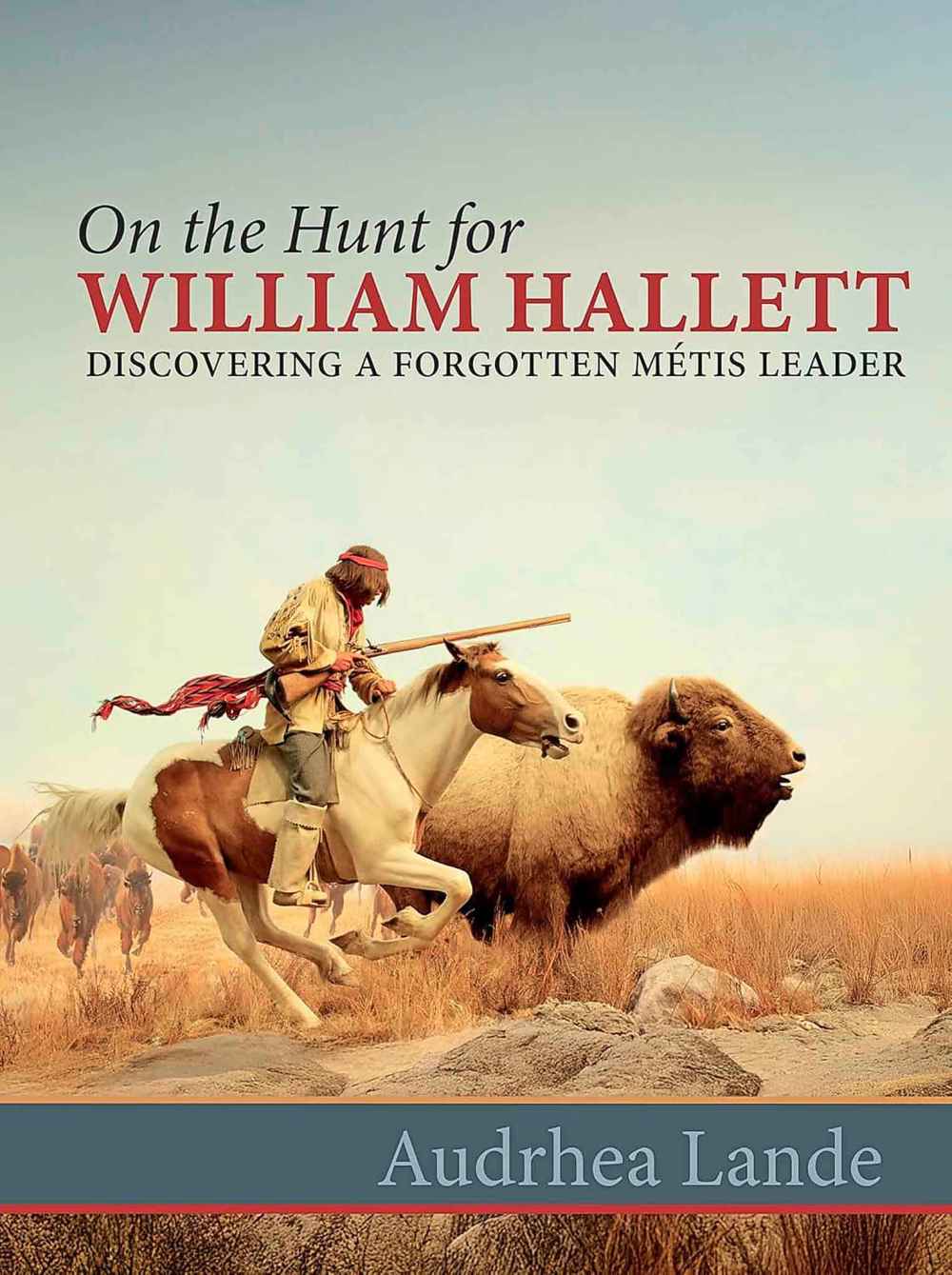
On the Hunt for William Hallett: Discovering a Forgotten Métis Leader
By Audrhea Lande
Relatively short but well-researched, this assessment of key events surrounding the 1869 insurrection at Red River challenges readers to reconsider the historical importance of one of Louis Riel’s staunchest opponents.
Lande’s retelling of Manitoba’s birth in 1870 reveals some questionable political motivations that became its labour pains.
— Joseph Hnatiuk
One Day, Everyone Will Have Always Been Against This
By Omar El Akkad
A powerful indictment of Western society that purports to value the principles of justice, but which shrugs its shoulders at the slaughter of 100,000 Palestinians in Gaza.
Political interests and the possibility of profit matter more than lives — and the rationale that everyone is a suspected member of Hamas, including the nearly 50,000 children killed or injured.
Former Globe and Mail reporter and now winner of the 2025 National Book Award for non-fiction in the U.S., El Akkad holds up a mirror for our supposed liberal society to examine.
What we see is a disturbing reflection.
— Harriet Zaidman

Portage & Main: How an iconic intersection shaped Winnipeg’s history, politics, and urban life
By Sabrina Janke and Alex Judge
An engaging history of the corner of Portage and Main is provided by two local podcasters. From saloons to skyscrapers, the authors showcase riots and celebrations, investors and strikers, cars and parades, hockey fans and jaywalkers and even a 64-foot cake.
Barricaded or open, this iconic intersection reflects the often complicated, and sometimes just weird, story of Winnipeg.
— Mary Horodyski
Ripper: The Making of Pierre Poilievre
By Mark Bourrie
Political leaders can be divided into “weavers” and “rippers;” the former are consensus builders who bring people together, while the latter seek power by tearing things apart.
Mark Bourrie’s Ripper: The Making of Pierre Poilievre clearly places the Conservative Party leader in the second category.
Rushed to print before the April federal election, Ripper has attracted many readers, most likely Liberal supporters.
— Christopher Adams
JEFF MCINTOSH / THE CANADIAN PRESS FILES Jennifer Jones
Rock Star: My Life on and Off the Ice
By Jennifer Jones
Canada’s golden girl of the curling world delivers more than game tips in this heartfelt, insightful autobiography.
Known for an ability to perform at high levels under intense pressure, Jones, widely regarded as the greatest female curler of all time, weaves her curling story into the personal and personnel highs and lows of her iconic career.
Now a broadcaster and motivational speaker, Jones shares her extensive life experiences in Rock Star. As her dad often told her: Ya done good, kid.
— GC Cabana-Coldwell
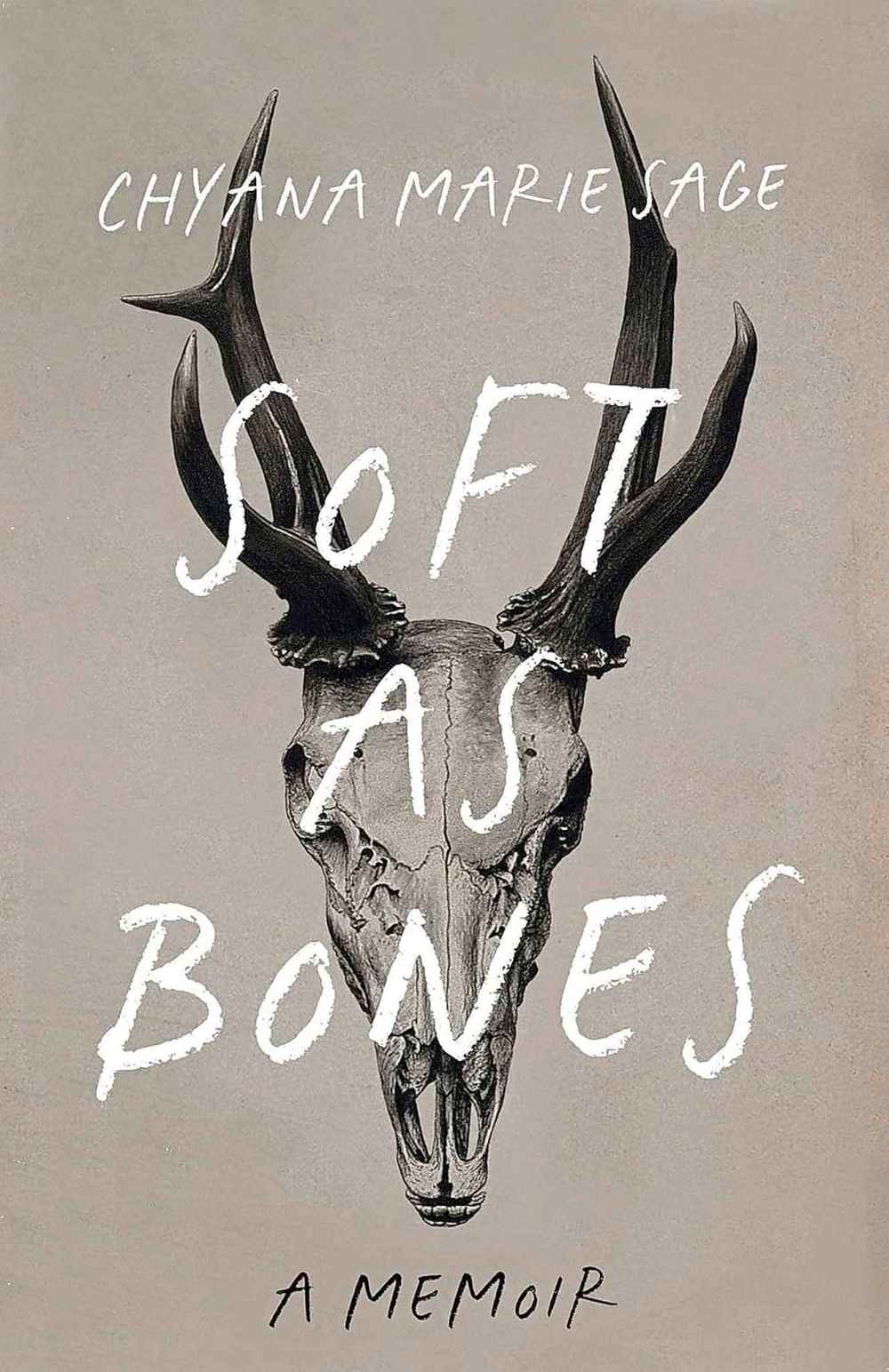
Soft as Bones: A Memoir
By Chyana Marie Sage
The debut work by Cree writer Chyana Marie Sage, Soft as Bones might be the richest memoir that expresses the need for healing through land, language and community.
Growing up on the Canadian Prairies and forced to endure the relentless power of racialized colonial-capitalism, Sage courageously speaks to the undeniable tenacity Indigenous youth have to not only survive, but thrive in a world that is hell-bent on keeping them down.
Soft as Bones should be mandatory reading for all educators in Winnipeg.
— Matt Henderson
Source Code: My Beginnings
By Bill Gates
Source Code: My Beginnings focuses on Bill Gates’ childhood and up to when, against his parents’ wishes, he dropped out of Harvard University to co-found, with Paul Allen, what eventually became Microsoft.
This is the first of what Gates plans to be a three-volume set of memoirs. This engaging work will captivate those interested in the history of computers and the story of a precocious boy genius.
— Christopher Adams
Till We Meet Again: A Canadian in the First World War
By Brandon Marriott
Historian Brandon Marriott has written a sort of microcosm of the First World War, detailing the experiences of one soldier and his comrades.
The hardships and dangers they faced — poison gas, rat-infested trenches, shelling, assaults on enemy positions — are brought vividly to life. It is an unflinching depiction of the grim reality of war.
— Graeme Voyer
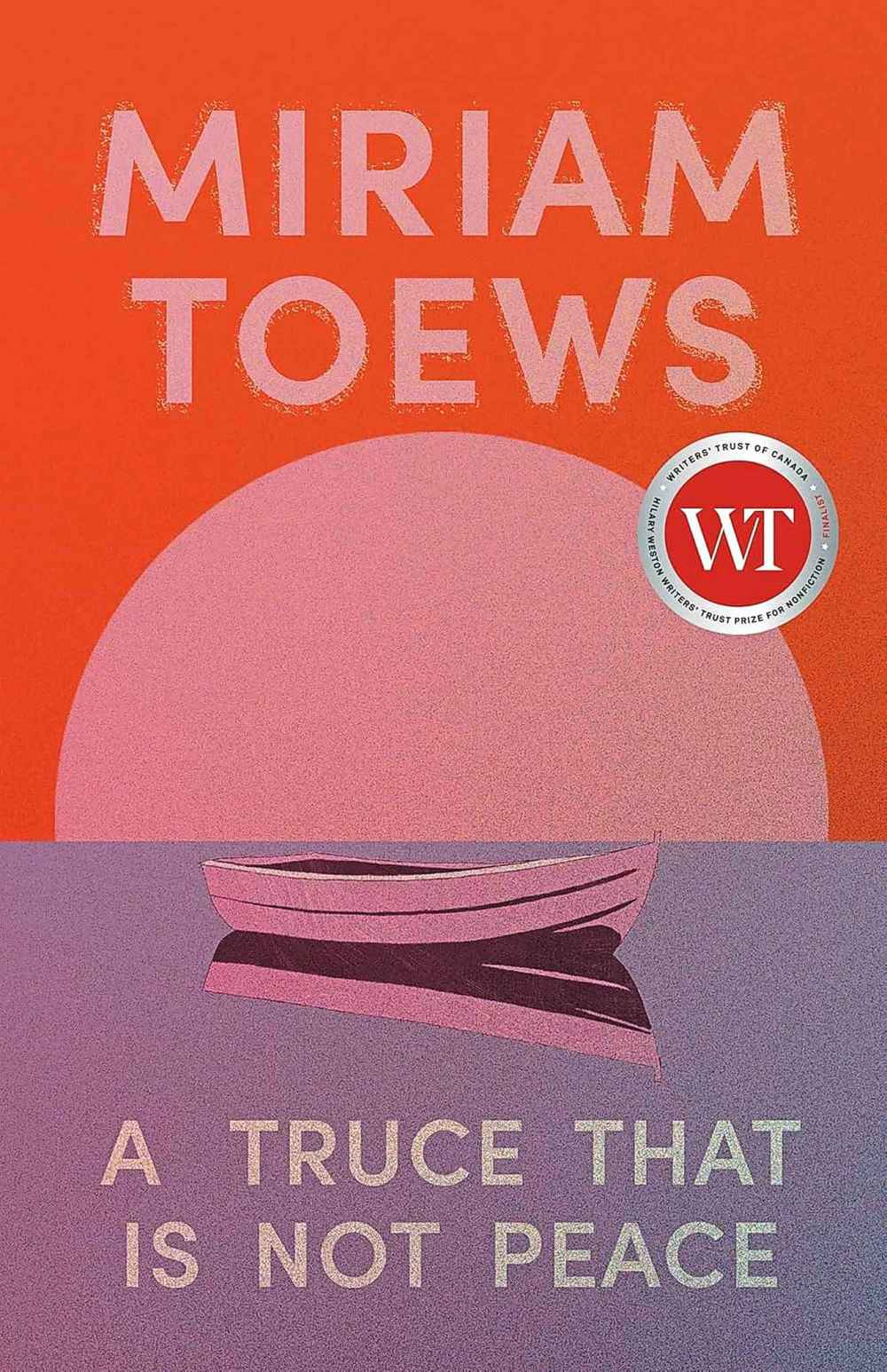
A Truce That Is Not Peace
By Miriam Toews
Miriam Toews has always drawn on autobiographical elements in her fiction, but in this sometimes harrowing, often hilarious hybrid memoir, the former Winnipegger offers a more factual account of her family history, in particular the deaths by suicide of her father and sister.
Held together by her distinctive narrative voice — intimate, frank, funny, occasionally furious — Truce seamlessly merges everyday domestic details with philosophical investigations into language, narrative and the nature of memory.
— Alison Gillmor
Unseen: How I Lost my Vision But Found my Voice
By Molly Burke
Molly Burke is a young, well-known public speaker, a popular social media influencer and an advocate for the disabled. She is also blind.
Her memoir tells the story of a young girl who learns to deal with the tragic lows and the highs of her disability. Unseen is informative, inspiring, sassy and at times joyful — much like the writer herself.
— Cheryl Girard
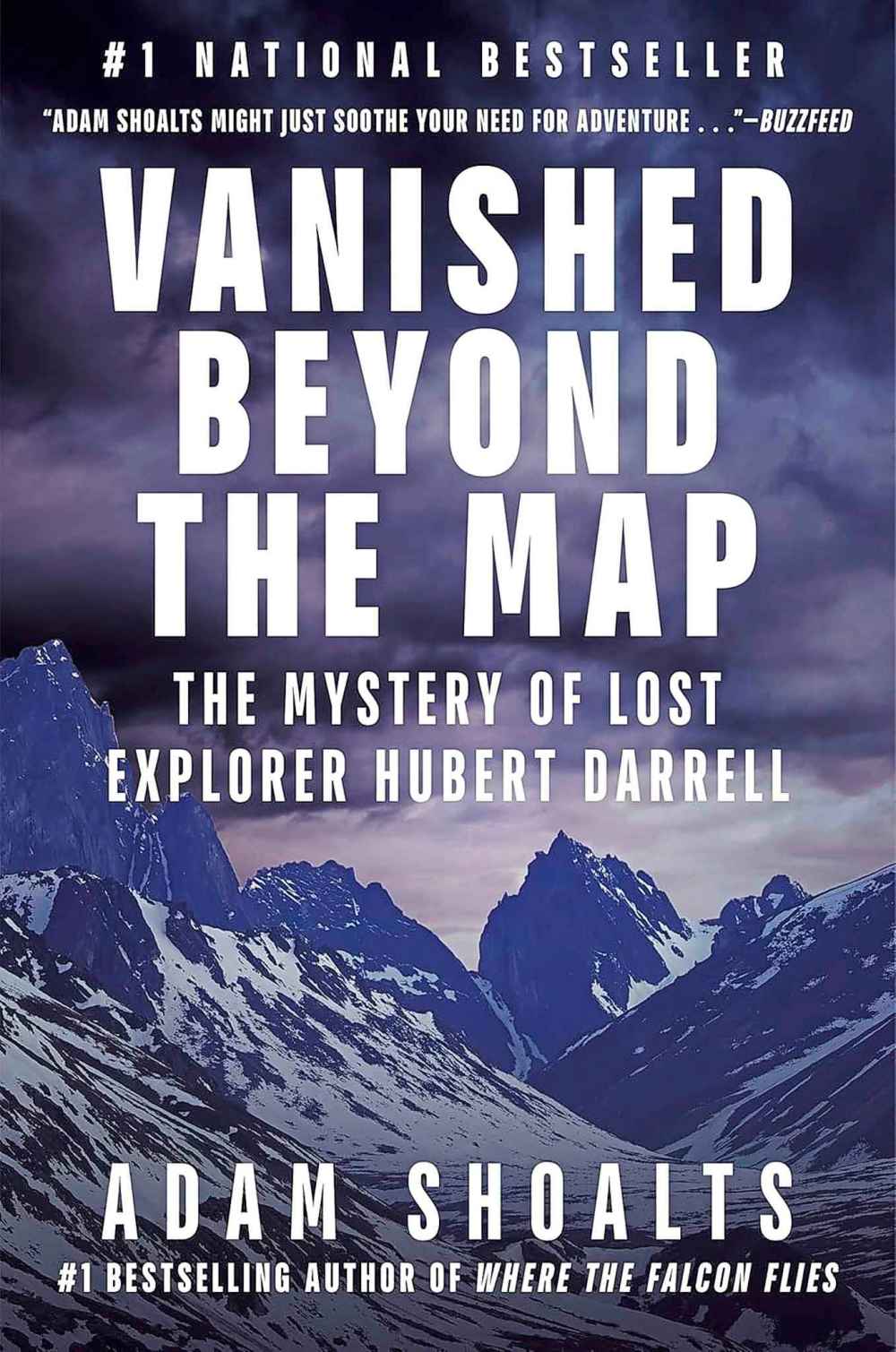
Vanished Beyond the Map: The Mystery of Lost Explorer Hubert Darrell
By Adam Shoalts
Canadian explorer Adam Shoalts, author of a half-dozen books about his northern adventures, expands his range in this new volume by combining wilderness trips, biography and cold case detective work in an intriguing tale of little-known but well-respected early 20th-century solo explorer Hubert Darrell.
Shoalts became enchanted by the life of the solo prospector, guide and explorer, and by solving the mystery of how he died.
He has crafted a hybrid adventure book that combines his forte of taking readers on his wilderness explorations with a new investigative angle. It’s a cold case in a cold, cold land, if you will.
— Chris Smith
POETRY
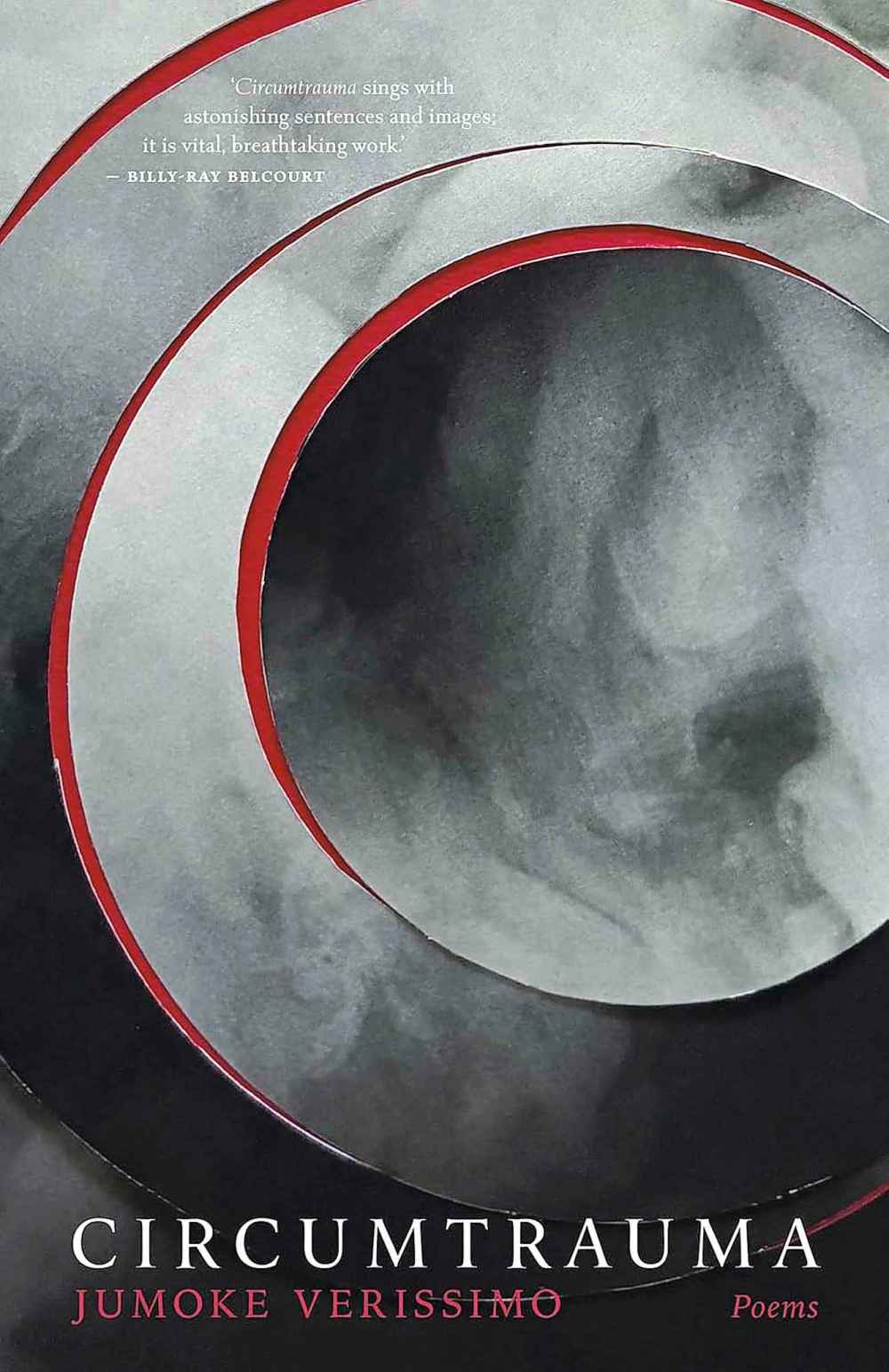
Circumtrauma
By Jumoke Verissimo
In her tour de force, Circumtrauma, Jumoke Verissimo uses Ifá, a system of divination that operates on binary logic, computer code, and a cut up citational practice to consider the afterlife of the Nigeria-Biaffra War.
This structure both amplifies a multiplicity of voices and the silences that ensnare them in the post-war trauma.
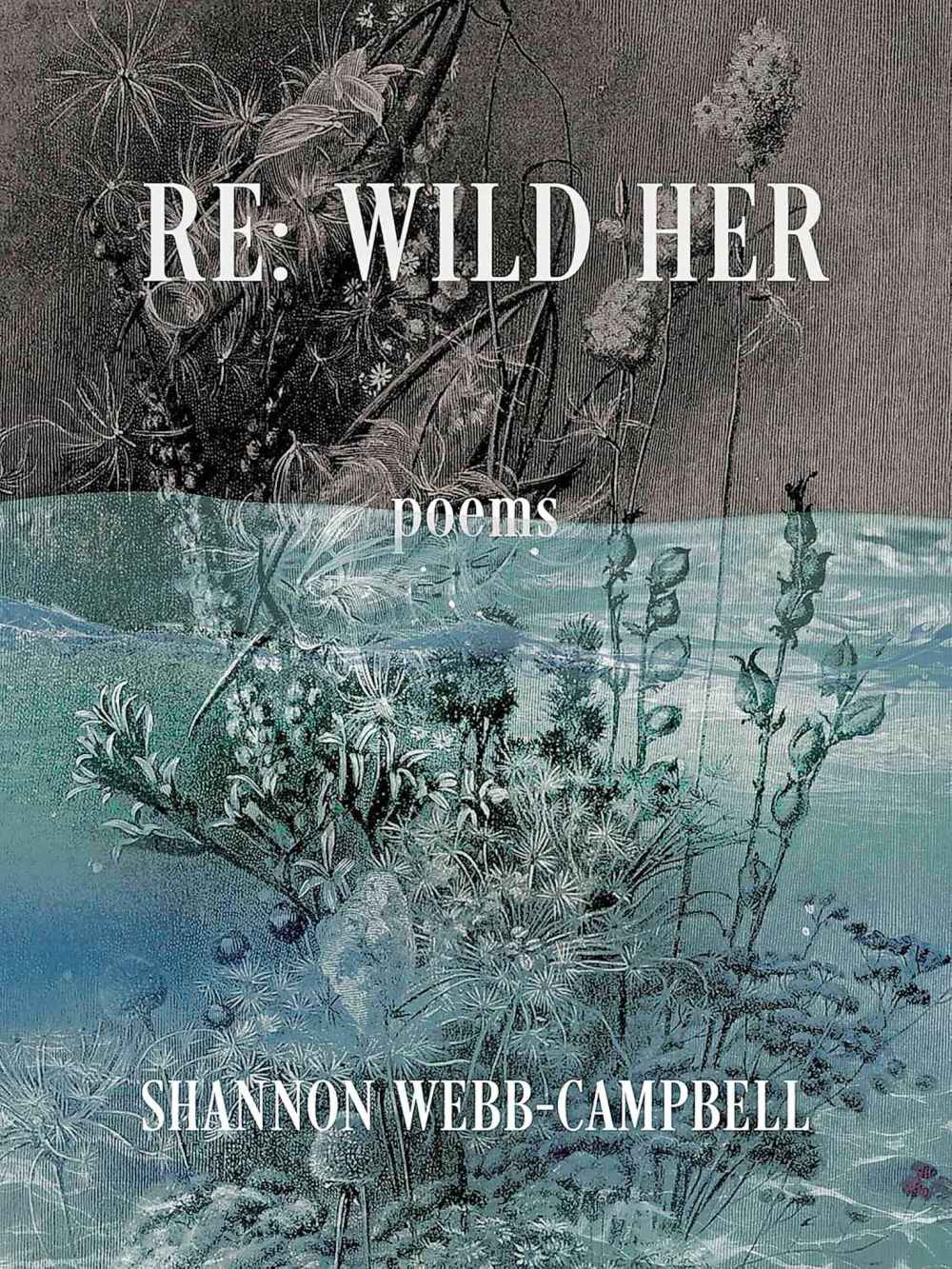
Re: Wild Her
By Shannon Webb-Campbell
The poems in Shannon Webb-Campbell’s quietly propulsive collection, Re:Wild Her, travel the world, cultures and histories, gathering tenderness and claiming pleasure and expansiveness.
The collection is propelled by a subtle, incantatory rhythm that evokes the ebb and flow of the tide.
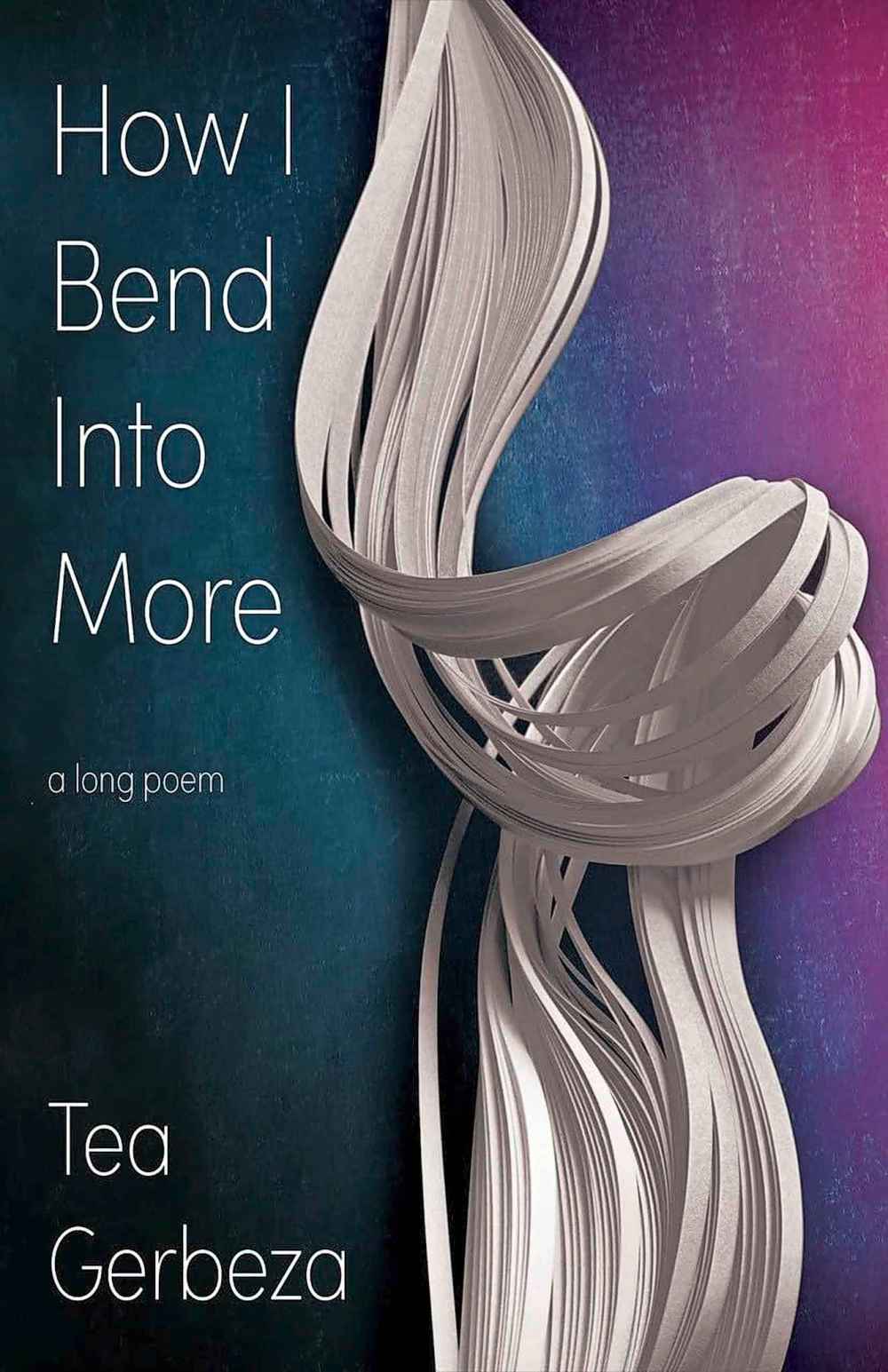
How I Bend Into More
By Tea Gerbeza
Tea Gerbeza’s astonishing début, How I Bend Into More, showcases a singular voice and integrated use of lyric and visual techniques.
One of the book’s many strengths is the way Gerbeza marshalls formal innovation and emotional expressiveness with which she approaches the difficult question of the way pain and trauma are enmeshed in the speaker’s sense of self.
— melanie brannagan frederiksen
CHILDREN’S
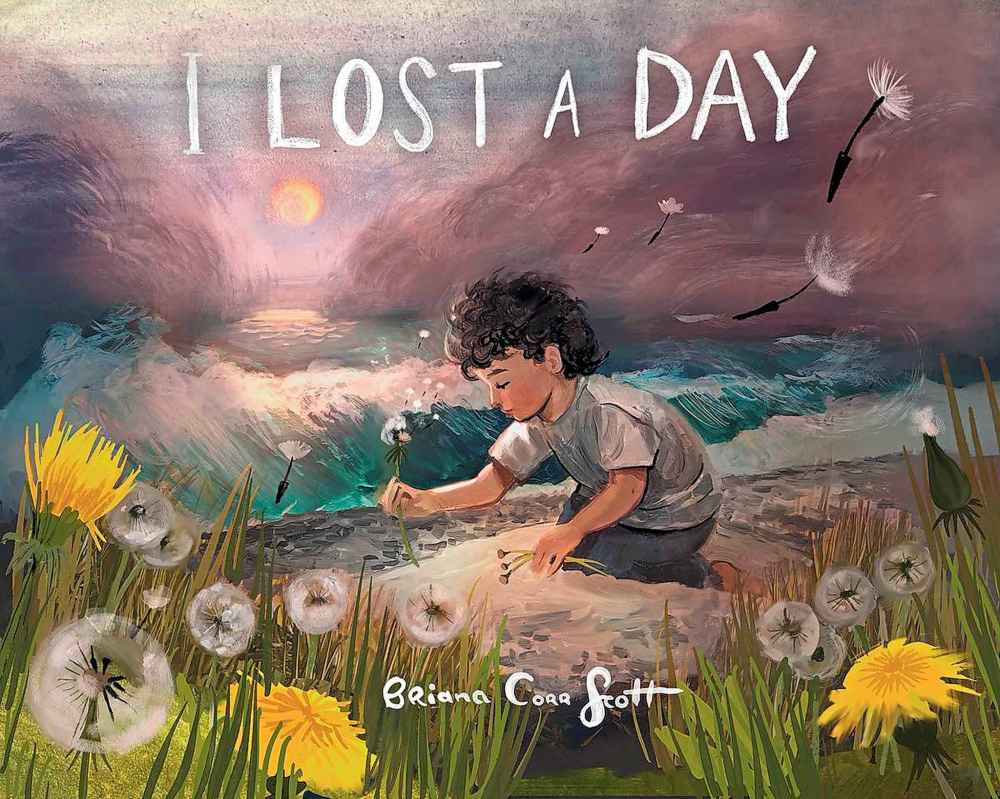
I Lost a Day
By Briana Corr Scott
Gentle rhyming poems document the different ways we can “lose a day” — depression, anger, wonder, rehearsal and play are just some ways the hours can fly by.
But there’s no such thing as a wasted day: “Yarn that is tangled/Can always be wound… In the days that I lost/It was me that was found.”
Scott’s watercolour paintings illustrate the moods and colours of these formative moments in a child’s life.
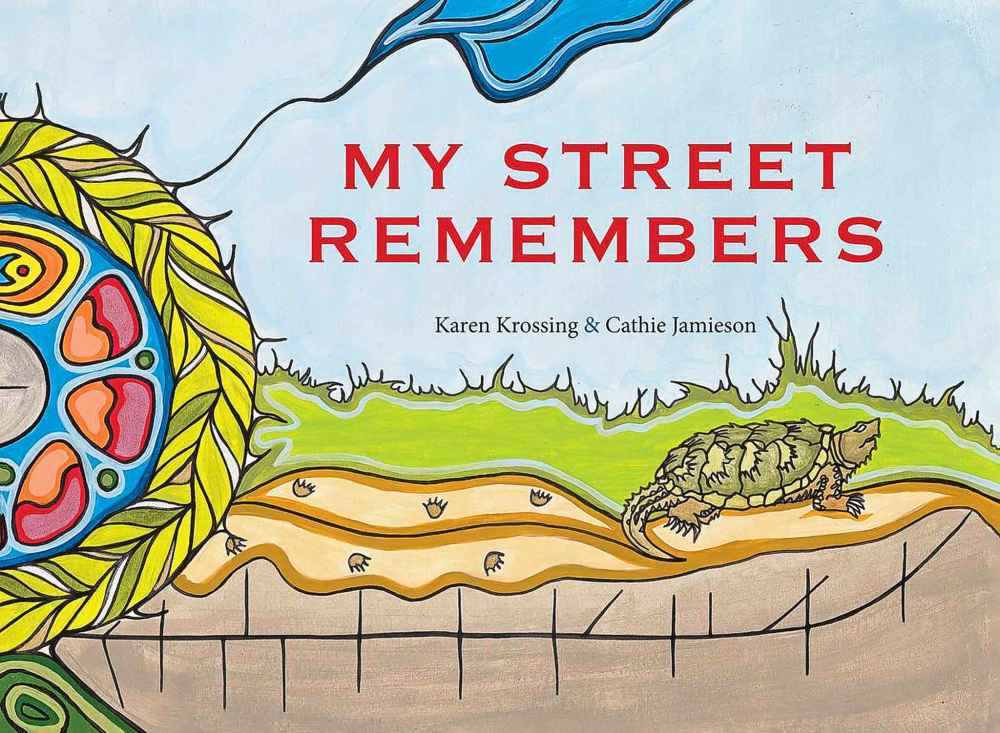
My Street Remembers
By Karen Krossing and Cathie Jamieson
Local history comes alive when we think back to who lived on the land before our houses were built.
Streets where we live now once had animals grazing, Indigenous people hunting and gathering, then settlers declaring ownership, bringing war and changing the environment utterly.
The focus of My Street Remembers is on changes to Indigenous lives on Danforth Street in Toronto, leading up to the Truth and Reconciliation Commission and the apology for the harms done.
Useful to apply the same lessons to any community.
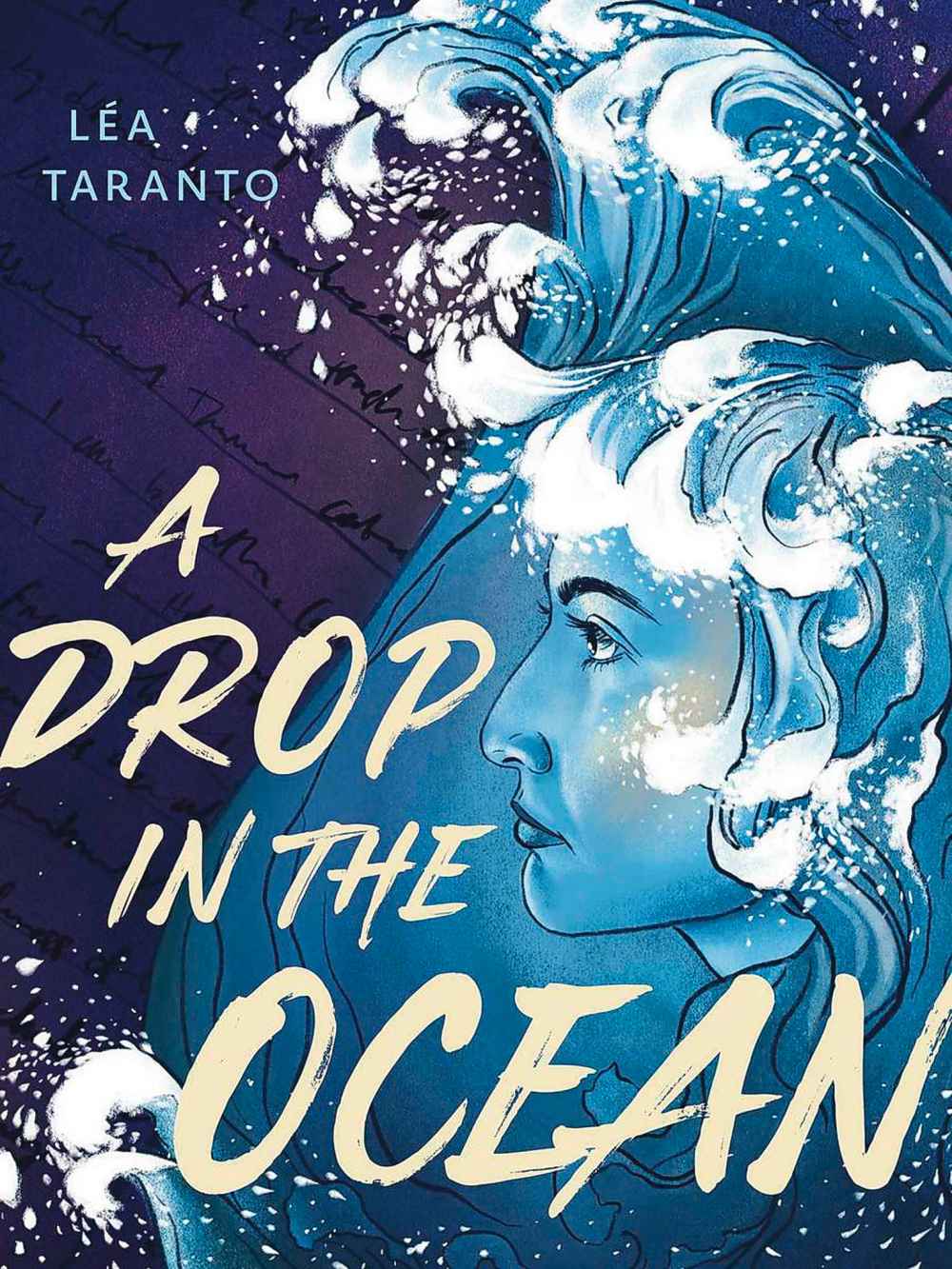
A Drop in the Ocean
By Léa Taranto
A gripping story about a 16-year-old girl’s struggle with mental illness. Mira’s been in and out of psychiatric programs to contain her obsessive compulsive disorder, anorexia and other forms of control, and thinks that only by physically abusing herself can she atone for her very being.
It’s painful for her, for the staff, her fellow patients and her family to watch.
First-time author Taranto uses her own experiences to inform this raw, heartbreakingly honest narrative which teens will find compelling.
— Harriet Zaidman