Big plans for small modular reactors As Manitoba energy deficit looms, StarCore Nuclear seeks government support in push for power-generating demonstration site at former Whiteshell Laboratories
Read this article for free:
or
Already have an account? Log in here »
To continue reading, please subscribe:

Digital Subscription
One year of digital access for only $205*
- Enjoy unlimited reading on winnipegfreepress.com
- Read the E-Edition, our digital replica newspaper
- Access News Break, our award-winning app
- Play interactive puzzles
*First annual payment billed as $205.00 + GST for one year. This annual subscription will automatically renew at $233.00 + GST every 52 weeks (10% off the regular annual price of $259.35). Offer available to new and qualified returning subscribers only. Cancel any time.
To continue reading, please subscribe:
Add Free Press access to your Brandon Sun subscription for only an additional
$1 for the first 4 weeks*
- Enjoy unlimited reading on winnipegfreepress.com
- Read the E-Edition, our digital replica newspaper
- Access News Break, our award-winning app
- Play interactive puzzles
*Your next Brandon Sun subscription payment will increase by $1.00 and you will be charged $17.95 plus GST for four weeks. After four weeks, your payment will increase to $24.95 plus GST every four weeks.
Read unlimited articles for free today:
or
Already have an account? Log in here »
Hey there, time traveller!
This article was published 12/12/2025 (279 days ago), so information in it may no longer be current.
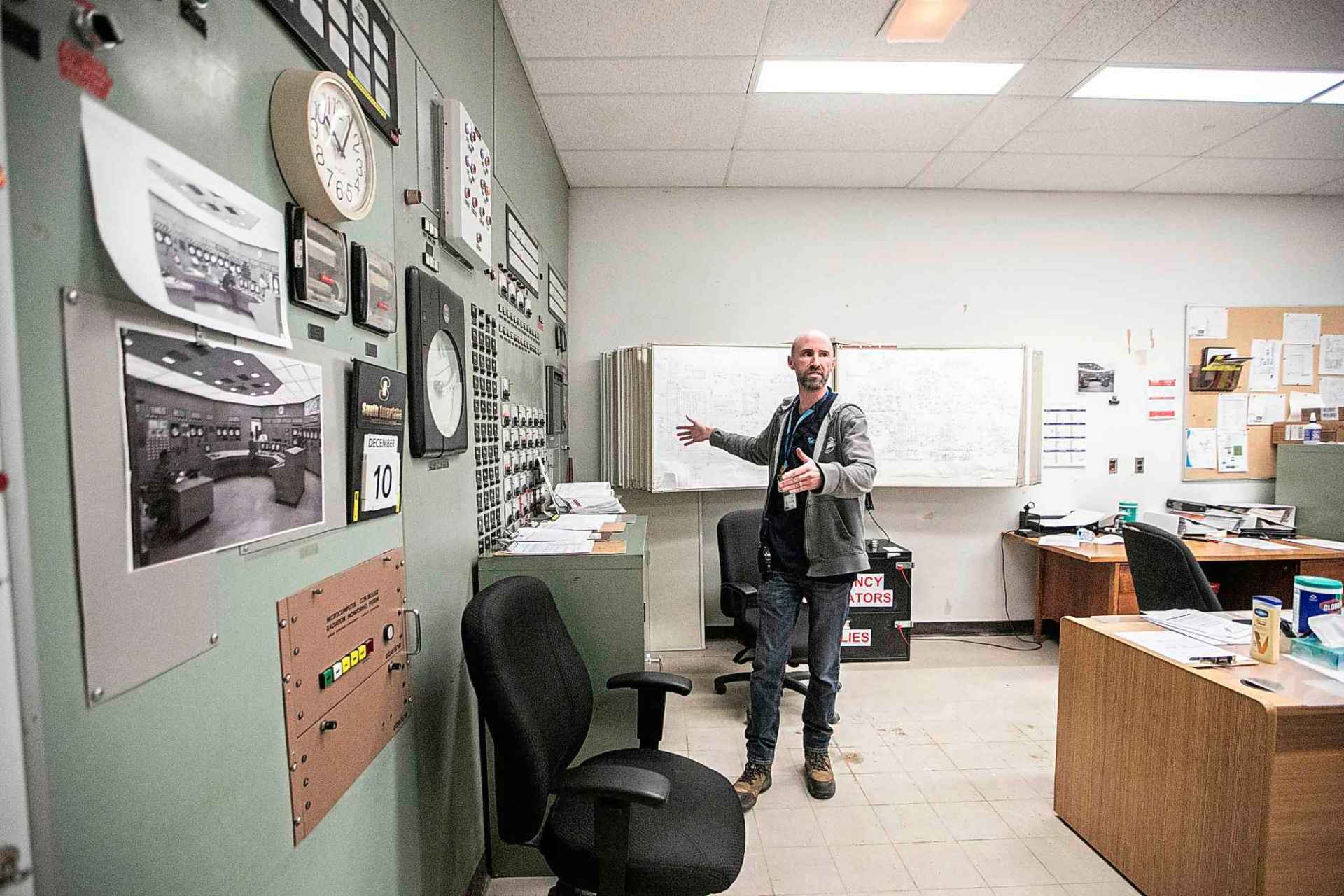
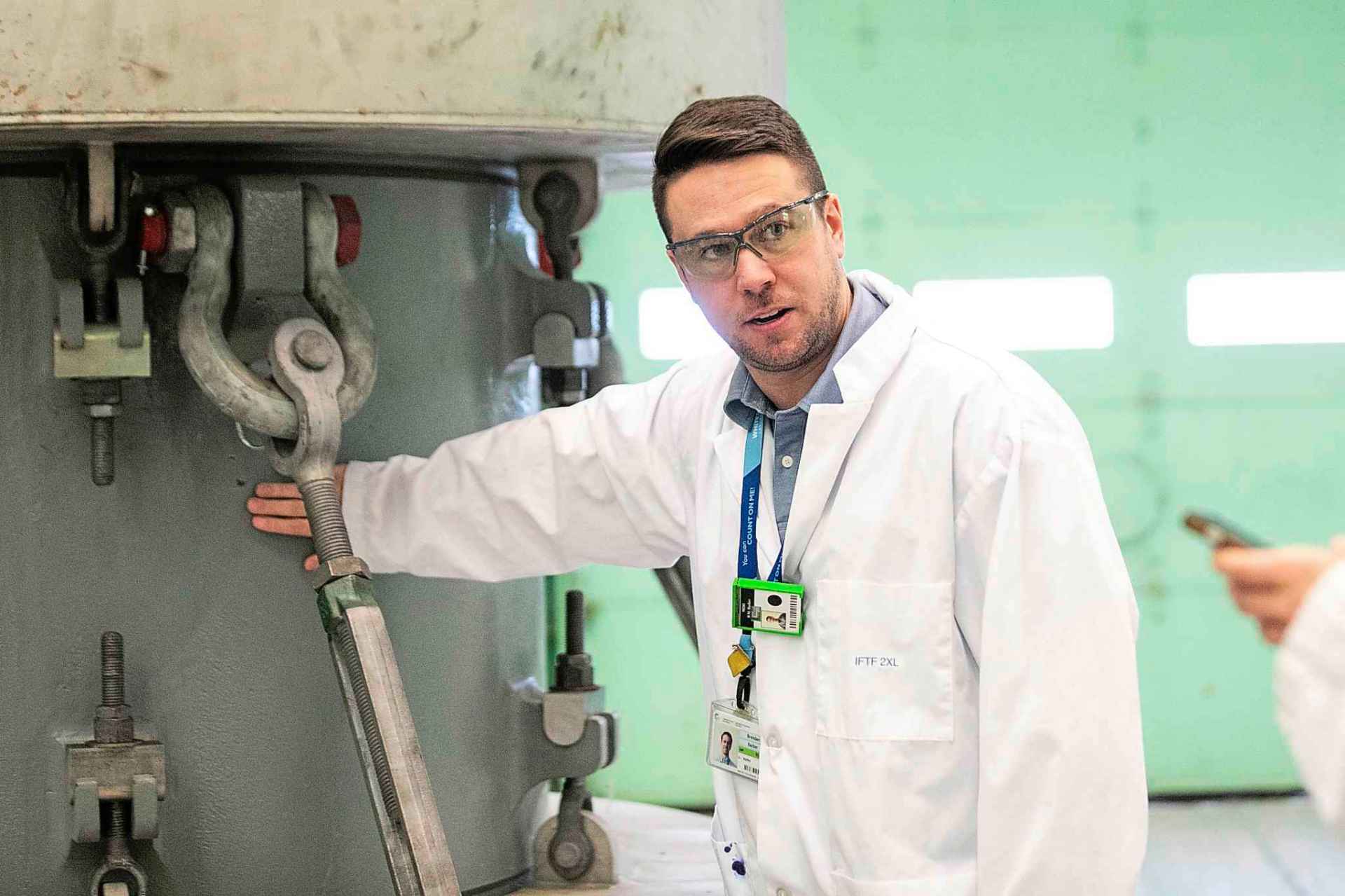
PINAWA — Within a half-minute, Brendan Barber had crossed from open to closed, operational to decommissioned — as is common at his workplace. All he’d done was stride across a room.
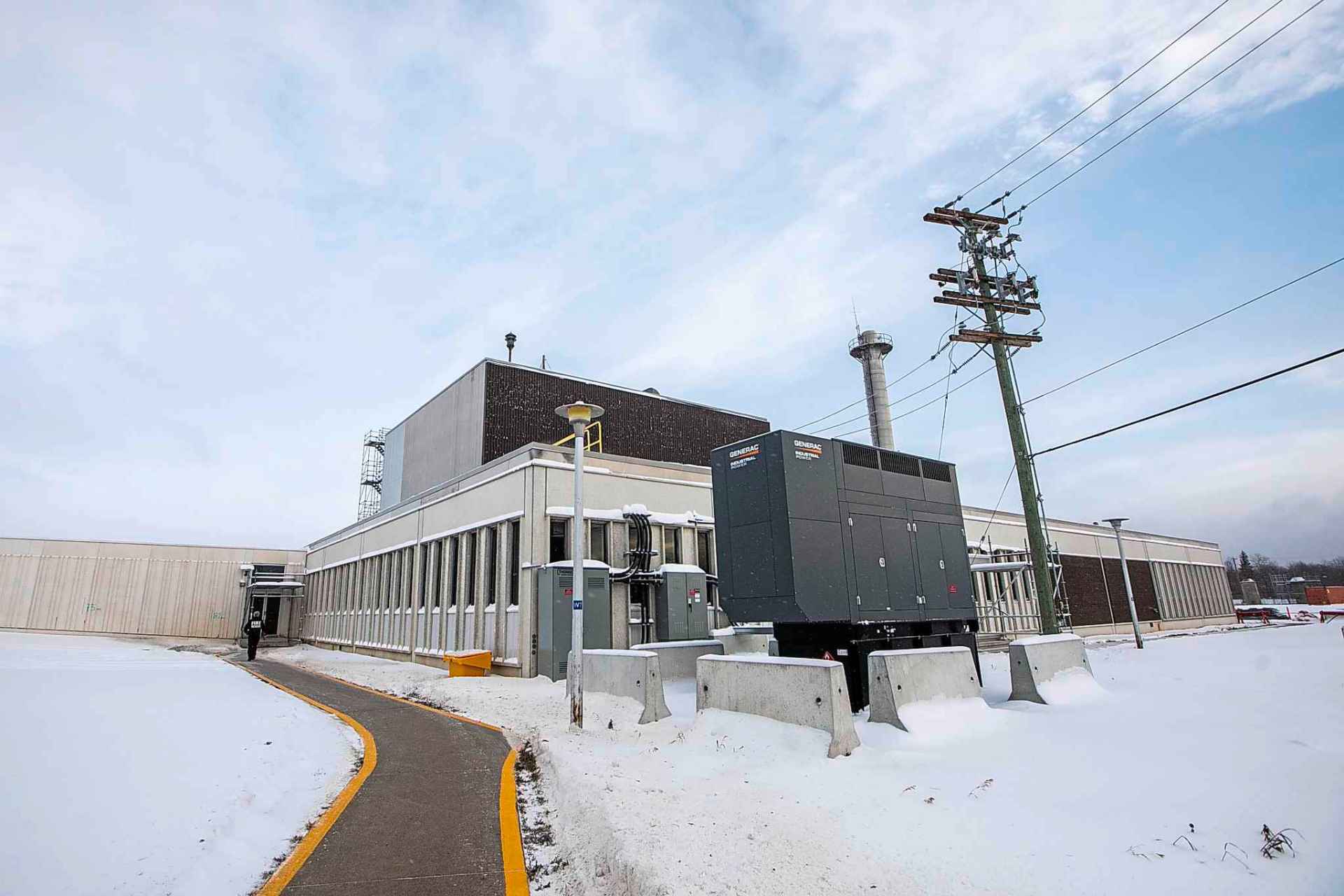
The former Whiteshell Laboratories nuclear site has been closing, piece by piece, since the late 1990s. The process is expected to finish in the 2030s.
Waiting in the wings is StarCore Nuclear, a company that’s pushed for seven years to build a nuclear energy test site on the southeast Manitoba campus. It’s ready to go, the founder said, but it hasn’t received the government support it’s seeking.
A seemingly growing voice is calling for new nuclear energy creation — via small modular reactors (SMRs) — in Pinawa and elsewhere. SMR production has been left off several key Manitoba government plans.
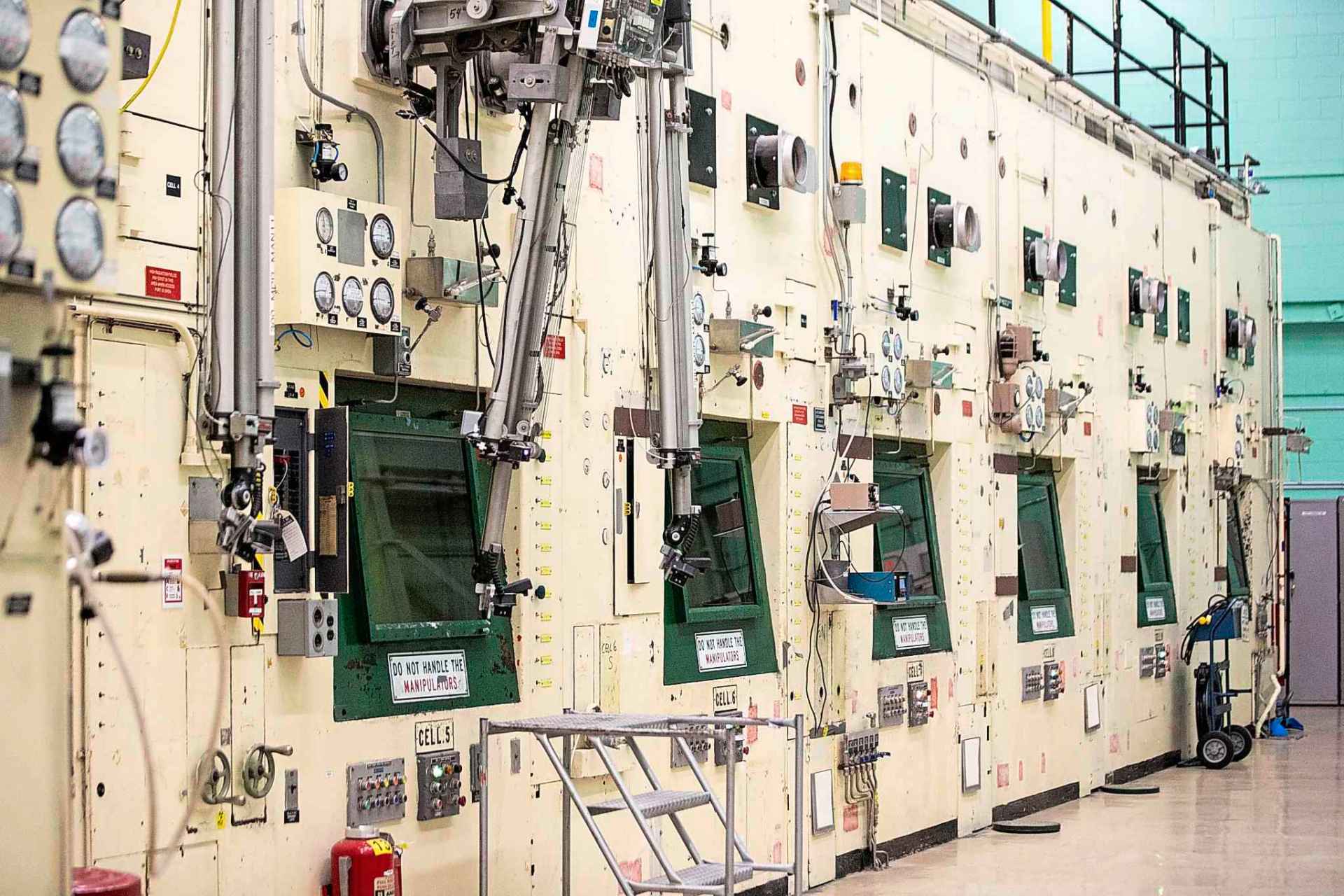
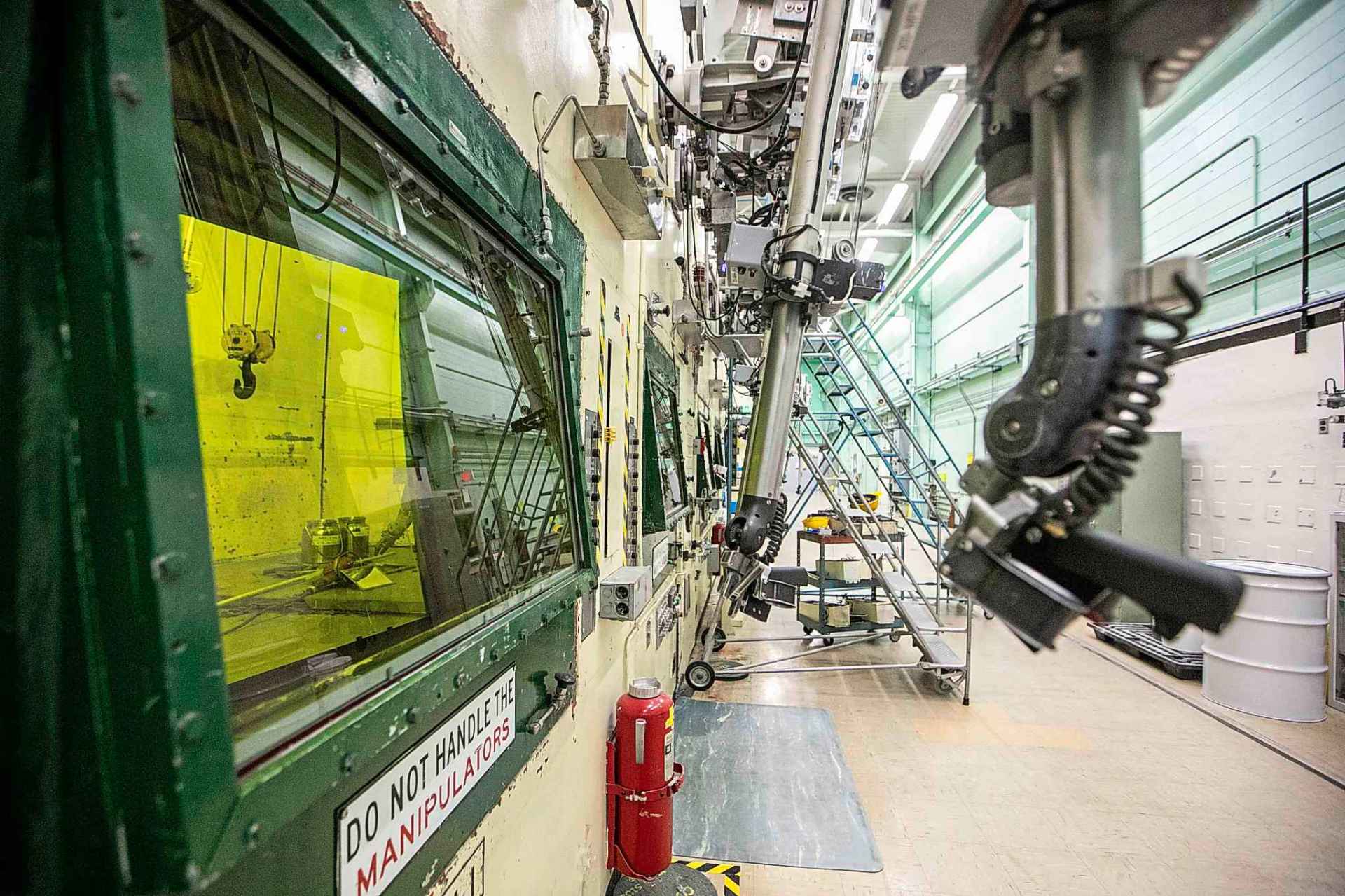
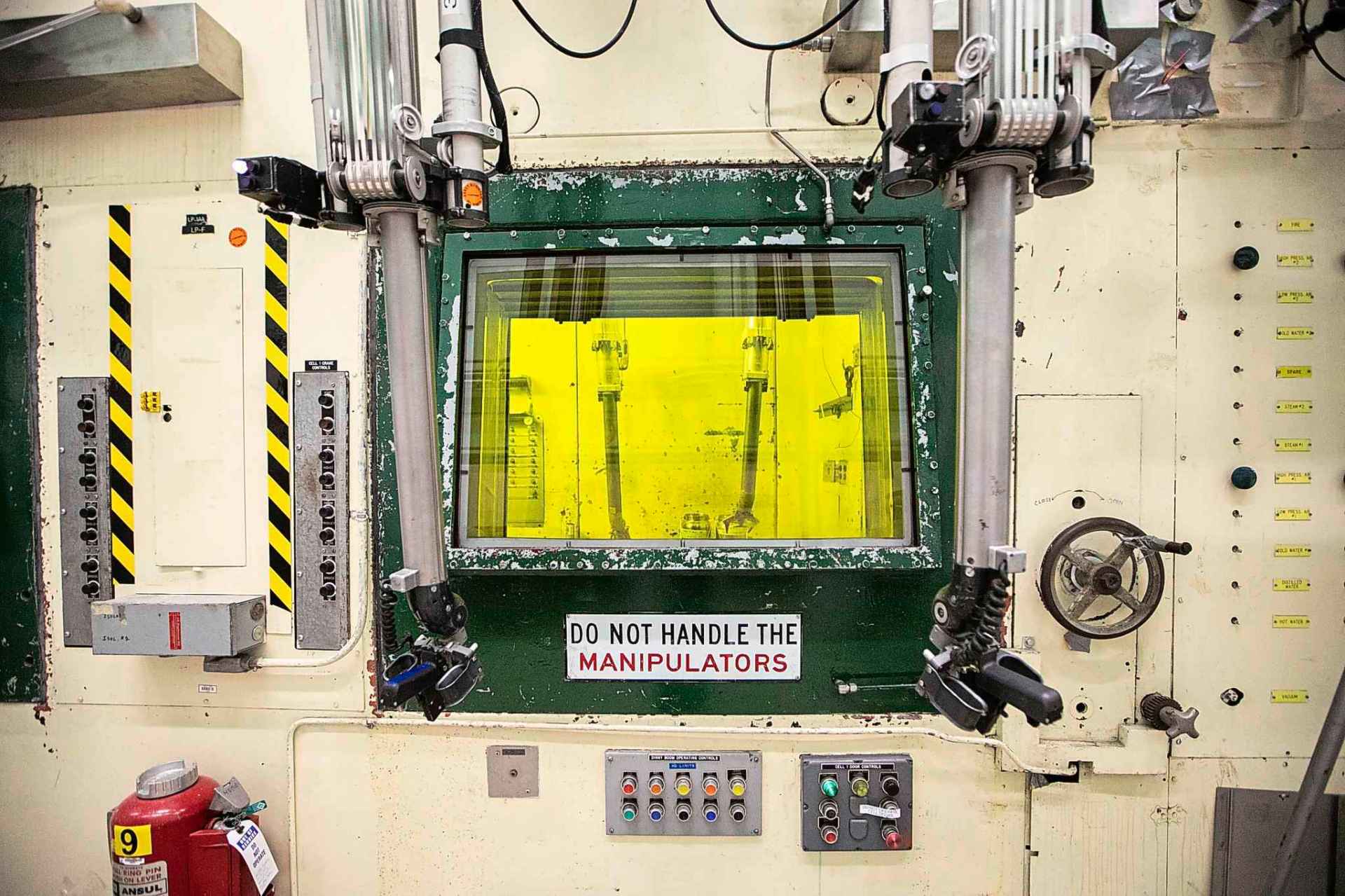
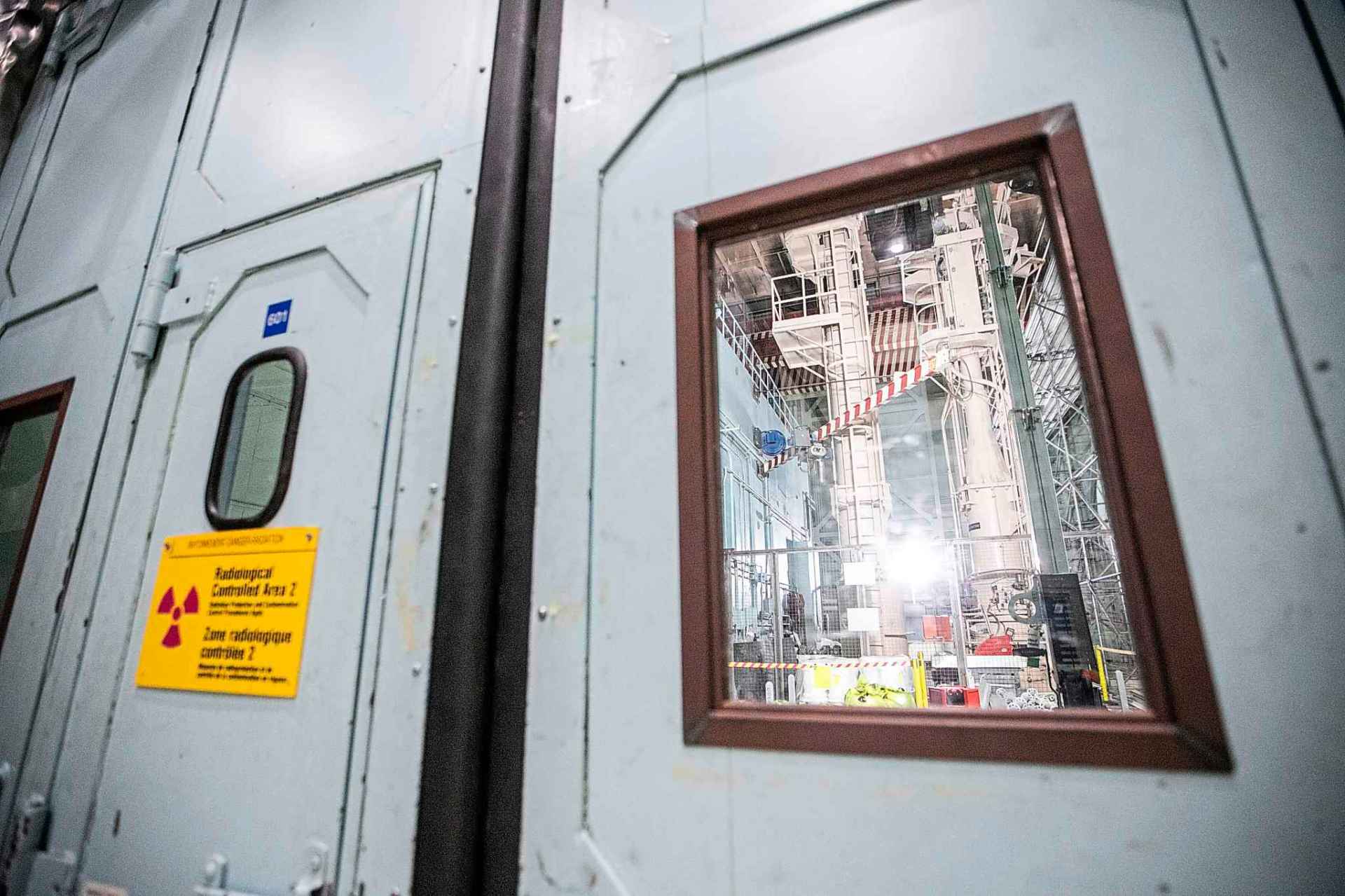
“So this is seven panes of lead glass,” said Barber, motioning to a window.
MIKAELA MACKENZIE / FREE PRESS Brendan Barber shows hot cells at the former Whiteshell Laboratories.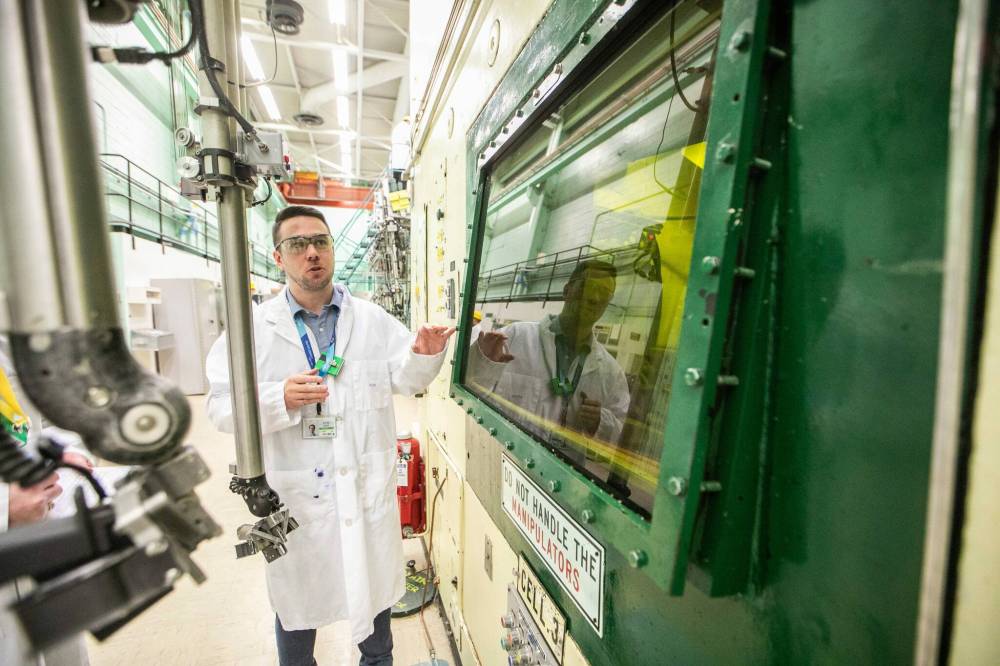
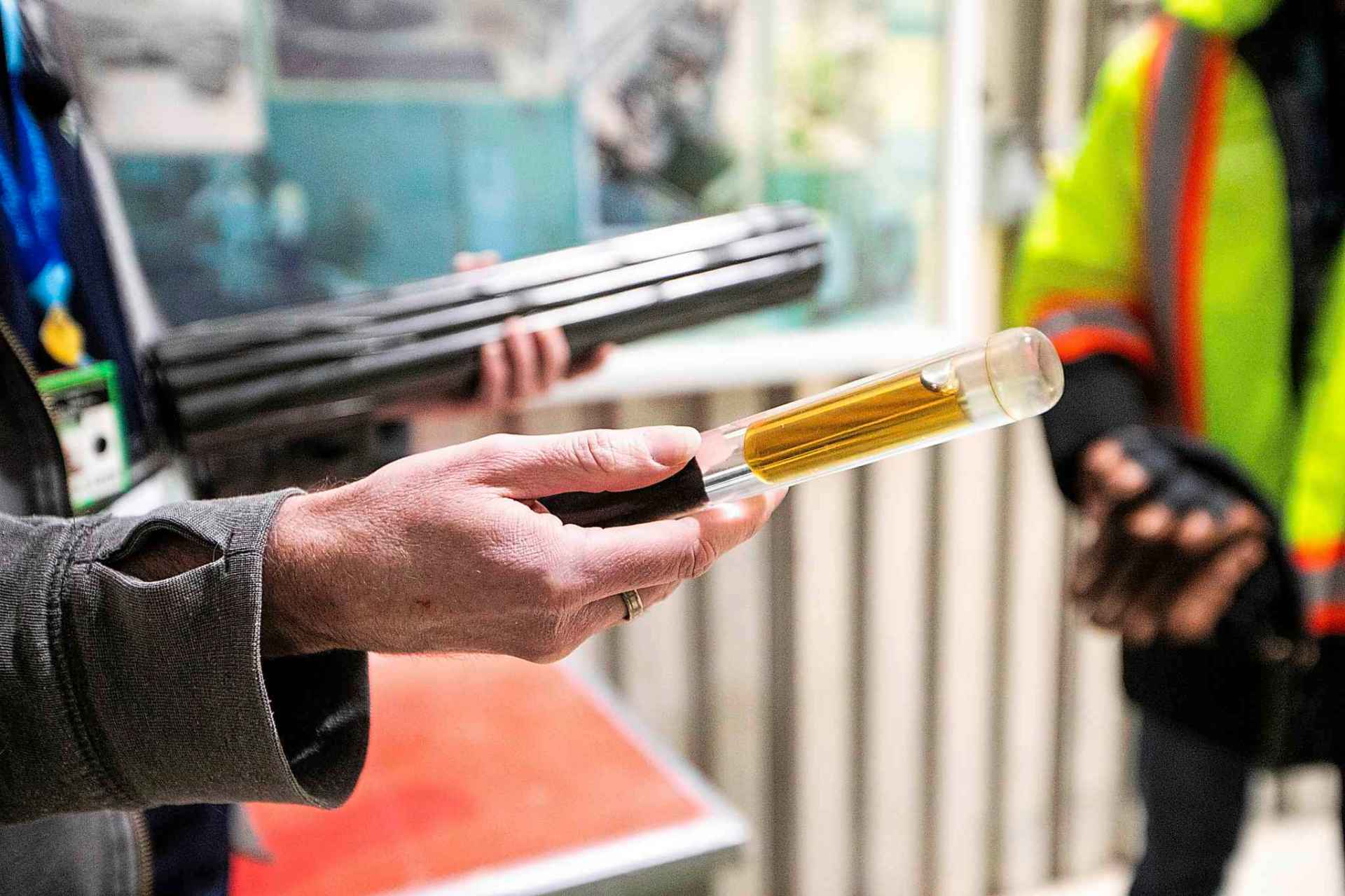
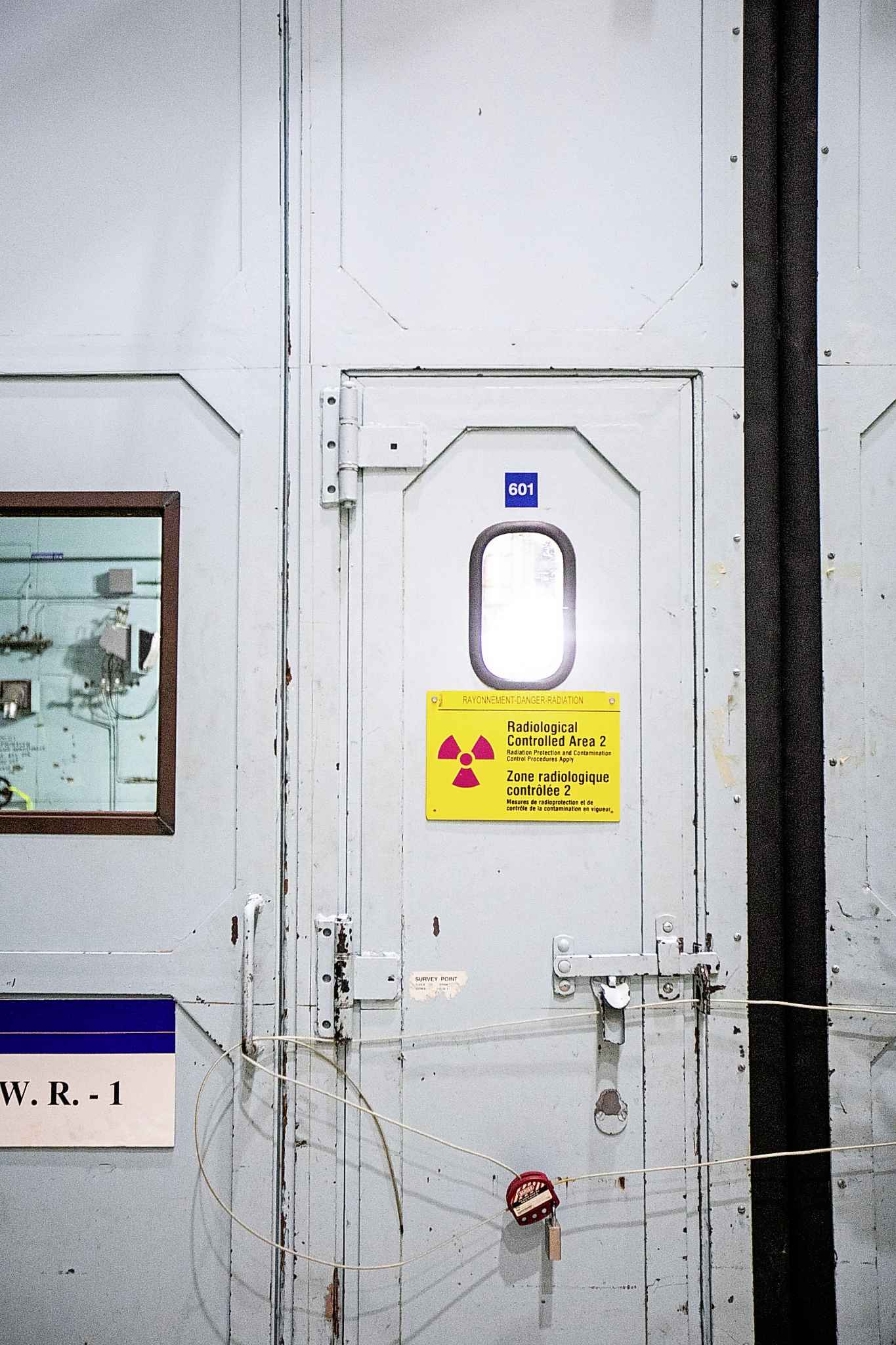
Radioactive materials sit behind the 1.4-metre-thick glass, which is interspersed with mineral wrap. Researchers on the other side direct a robotic arm to move items. Lately, staff have been reconditioning historic waste.
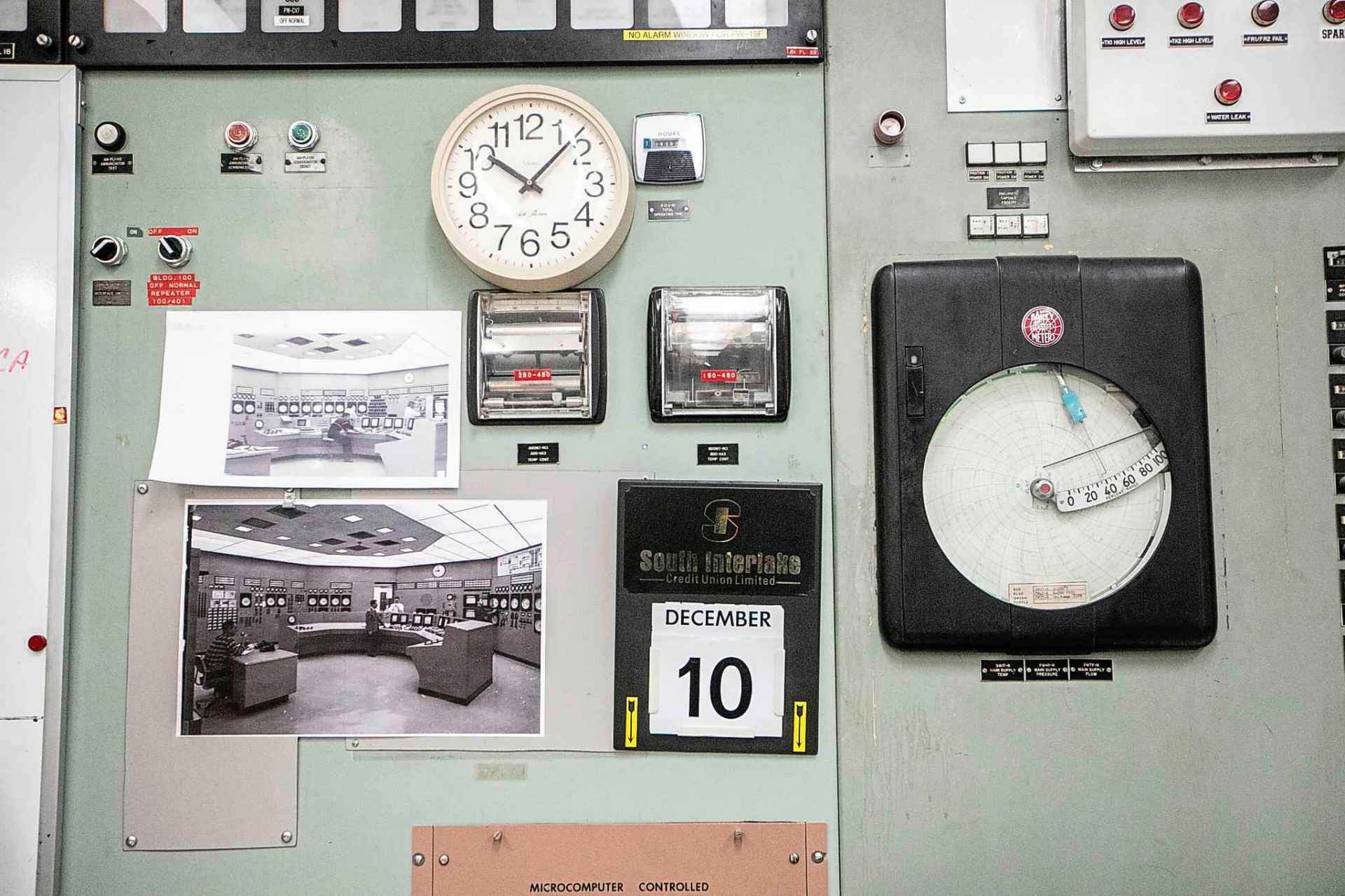
They have six units to work from. Six across the room are dark and decommissioned.
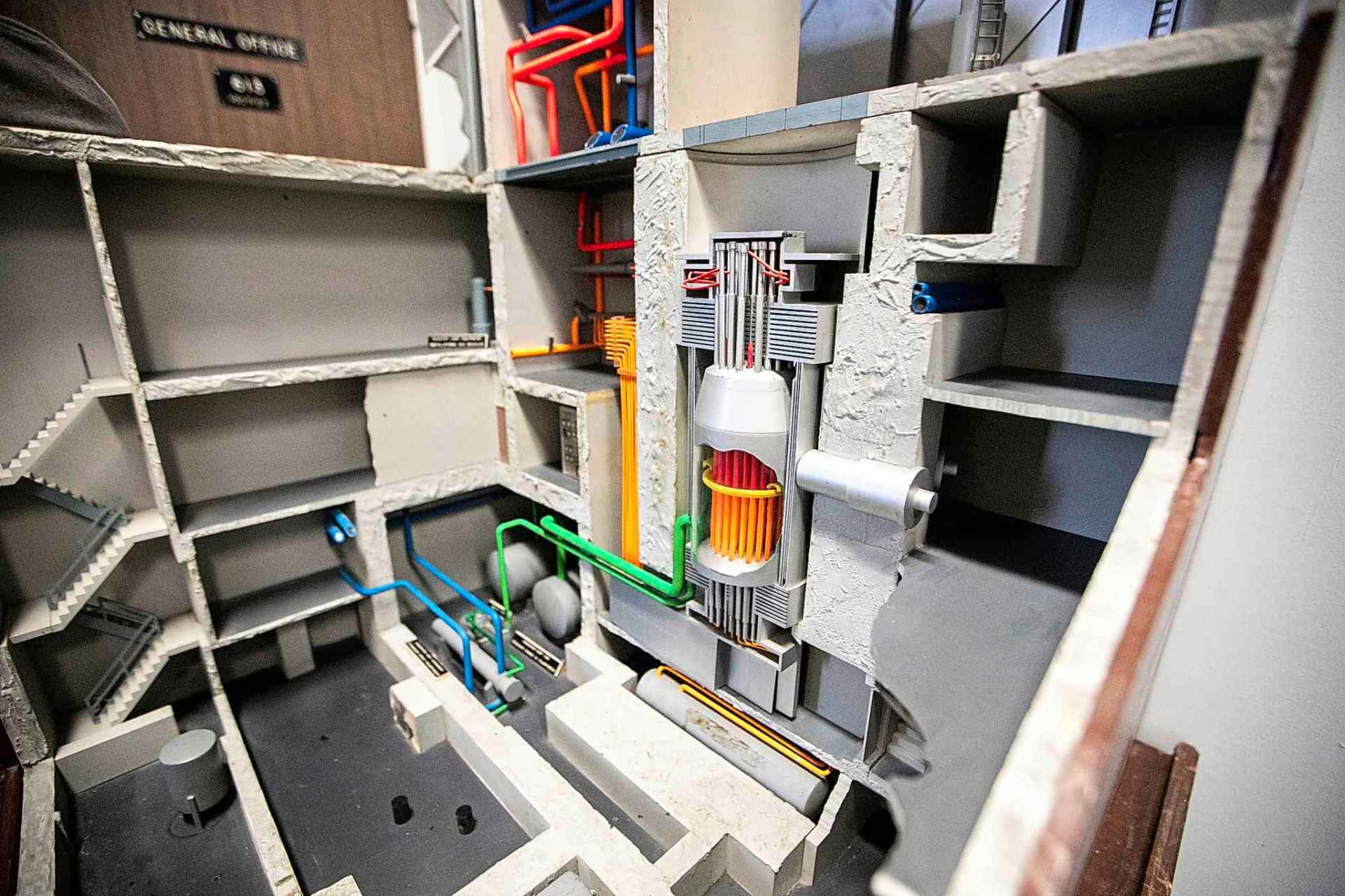
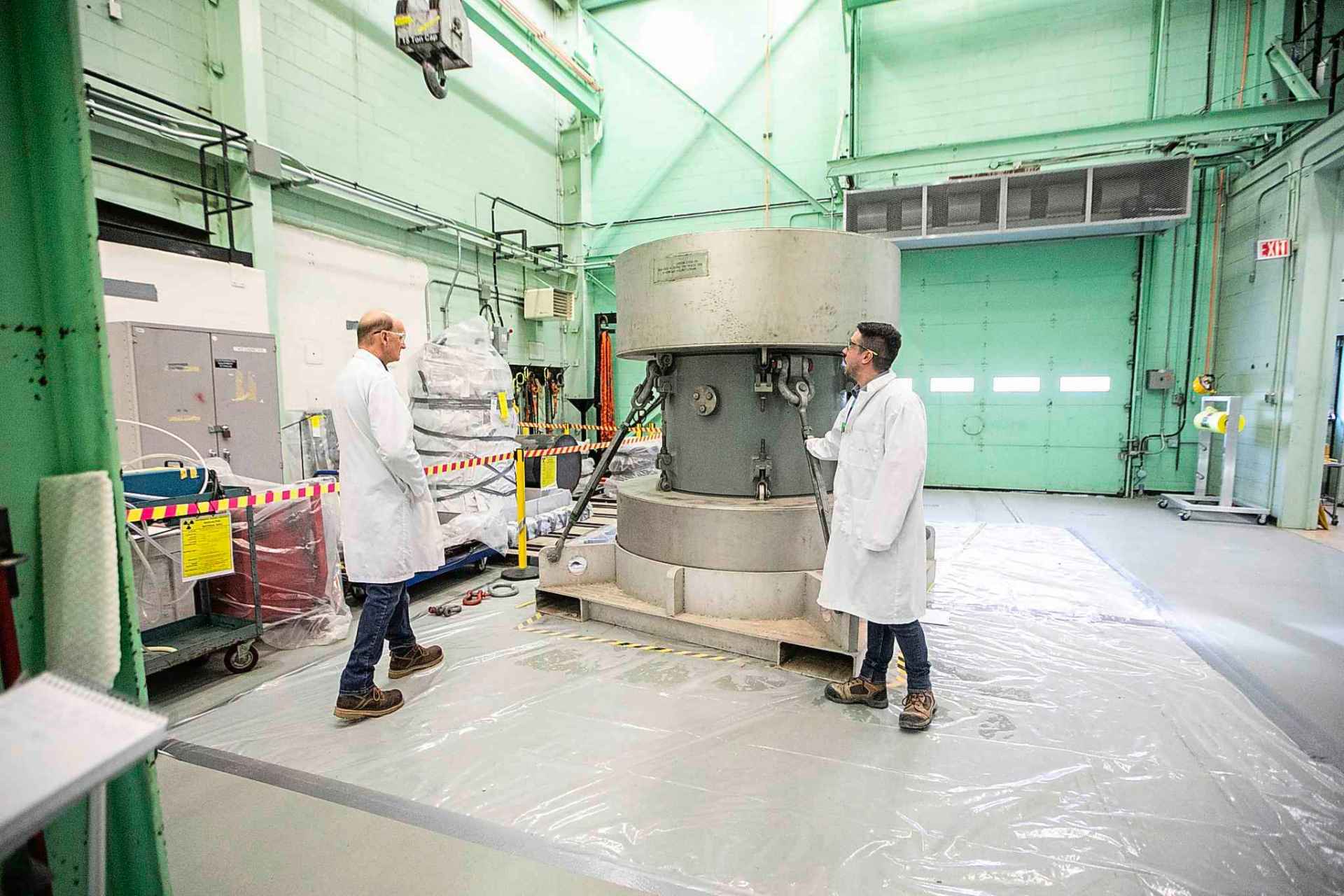
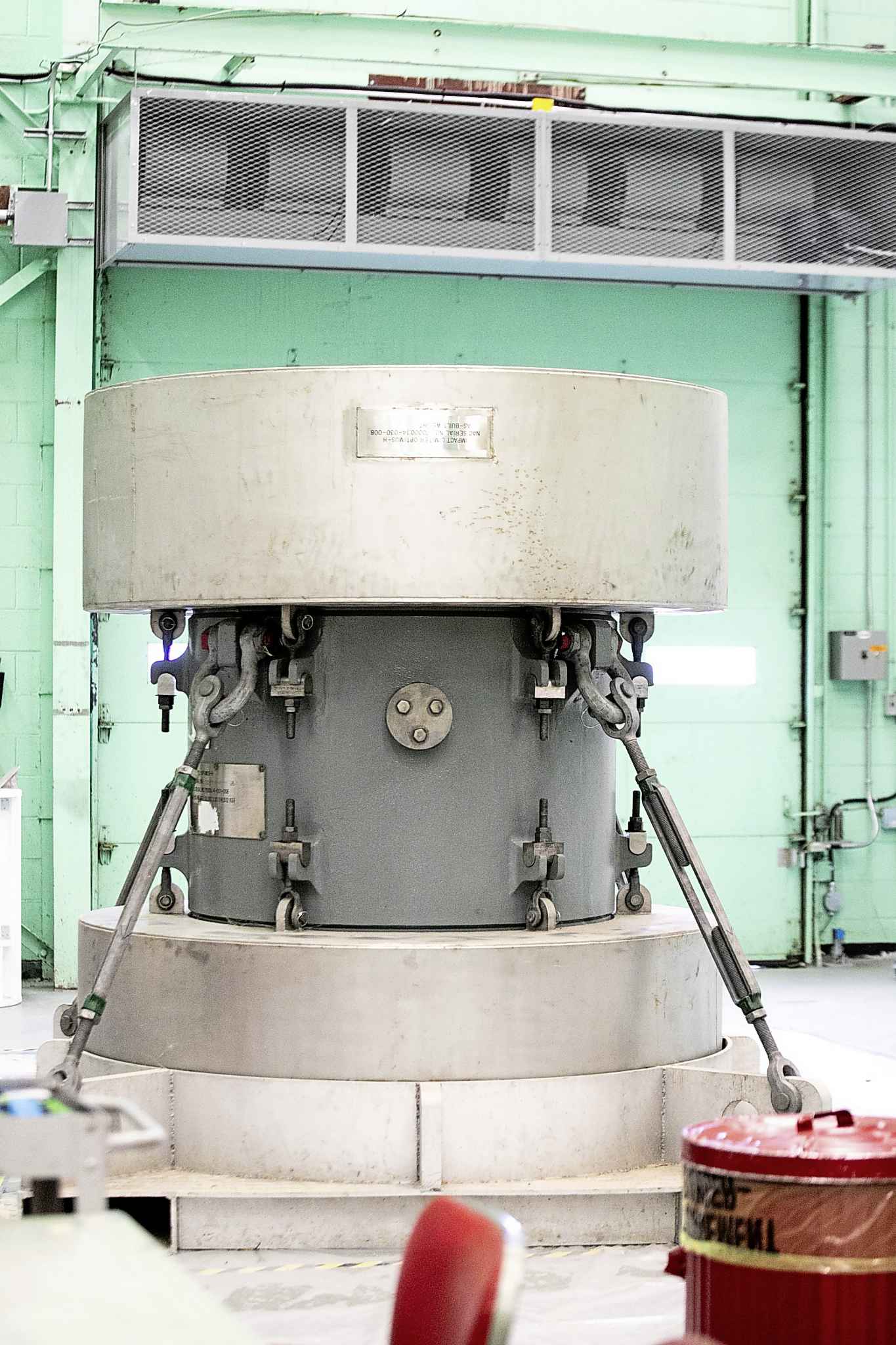
Eventually, at a building next door, some 7,500 cubic metres of concrete will be poured over a nuclear reactor, entombing it.
Whiteshell Laboratories began in 1963. Its nuclear reactor was built for research, not electricity generation. Experts from across the globe visited the scientific hub, around 100 kilometres northeast of Winnipeg, at its peak.
The reactor shuttered in 1985, after being used for research on power reactors and testing coolants, among other things. Waste storage and small modular reactor research also occurred on site.
Post-decommissioning, most of the 11,000 acres — 99.5 per cent — will be reusable, according to Canadian Nuclear Laboratories (a private company overseeing the decommissioning).
MIKAELA MACKENZIE / FREE PRESS Site manager Brian Wilcox, CNL site general manager, is one of roughly 500 staff that work at the plant daily.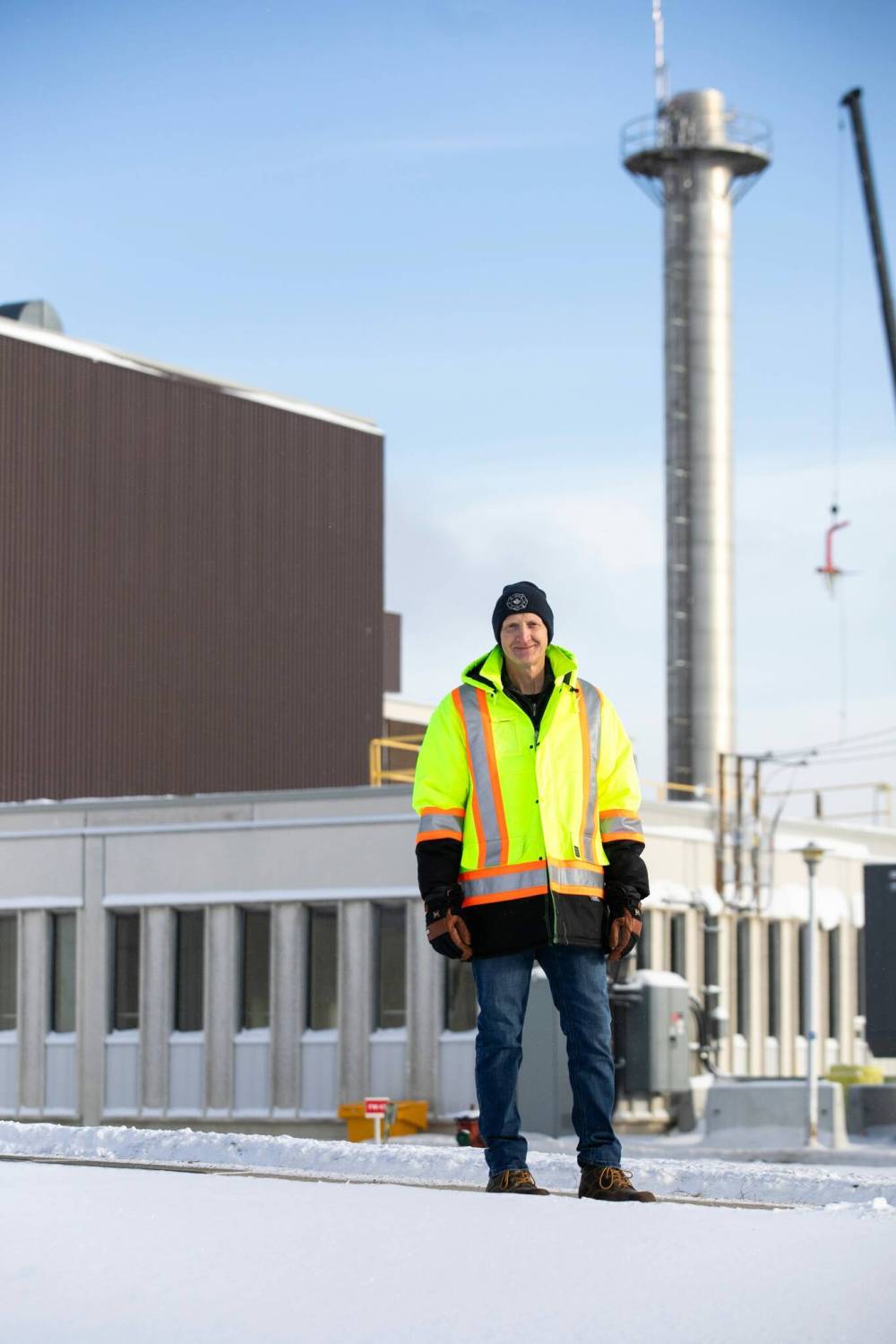
“You wouldn’t live here, but you would build new buildings,” said Brian Wilcox, CNL site general manager. “This could be a real economic driver continuing for the region.”
He joins roughly 500 staff — from surrounding communities and Winnipeg — at the plant daily. Employees say they’re consulting locals, including First Nations, as they plan for its closure.
Nuclear energy production, wind turbines and Indigenous harvesting space have been suggested. (Staff pick mushrooms, blueberries and wild rice on site; all are safe to eat, CNL surveys found last year.)
CNL has circled at least 14 sites as potentials for a small modular reactor. Staff could easily be transferred to a new nuclear company, leadership said.
“We have the best site in Canada for hosting demonstrations,” said Pinawa Mayor Blair Skinner.
In 2018, StarCore Nuclear applied to build an SMR demonstration site on campus. The goal, the founder said, is to power Pinawa with nuclear energy, showcasing the technology’s potential. StarCore then aims to build SMRs to power remote communities and mining camps.
It advertises its energy as cheaper than the diesel currently used in remote areas. Its Pinawa project could create 265 full-time jobs and 450 spin-off jobs, its website reads.
Skinner is on board. The former nuclear researcher counts support letters from nine other municipalities and 17 organizations, including 2018 letters from the University of Manitoba and Manitoba Building Trades for training.
StarCore Nuclear has investors to back its $219 million test facility, said David Dabney, the company’s founder. He’s worked in mining and refining businesses in Europe and Australia.
Investments would come internationally, Dabney said, declining to share details.
He envisions building a reactor that’s slightly smaller than a football field. It would produce 9.6 megawatts of energy using a high temperature gas-cooled reactor. The cost per SMR build would decrease as more units are made, he said.
Pinawa uses around five MW of energy during peak summer days, Dabney said. (Three-hundred MW electric — MWe — powers roughly 300,000 homes.)
Nuclear plants use uranium fuel inside reactor cores. Through nuclear fission, part of the uranium is converted to energy in the form of heat, generating electricity.
SMRs are smaller than traditional nuclear plants. Ontario is building the G7’s first SMR; its Darlington project is being fast-tracked through Ottawa’s Major Projects Office.
Mostafa Fayek, a University of Manitoba earth sciences professor who studies nuclear fuel cycles, is among industry professionals who consider SMRs safer than past nuclear reactors. They’ll use fuel pellets with layers of protection, Fayek said.
StarCore is “down to this final stage.”
“We’d like to complete it with the current government,” Dabney said. “It’s just taking a little bit longer than we’d expected.”
He’s seeking a power purchase agreement with Manitoba Hydro to cover Pinawa’s network. Four leadership changes have occurred in Manitoba over the course of the project, leading to stalls, Dabney said. He believes customers will follow Hydro’s initial contract.
The Crown corporation has said it could see energy deficits by 2029-30. It released an energy roadmap on Thursday; the document doesn’t list SMRs as a potential resource.
“We will continue to monitor developments in other jurisdictions as technology continues to mature,” Hydro spokesman Scott Powell wrote in a statement.
Hydro has held “preliminary discussions” with StarCore but hasn’t negotiated a power purchase agreement, Powell added.
Manitoba Environment Minister Mike Moyes didn’t commit to government support for SMRs. In an interview, he highlighted hydroelectricity, geothermal and wind power as future energy resources.
“We always stay informed of all types of energy,” Moyes said when asked if nuclear is off the table. “A number of our neighbouring provinces are quite keen on it.”
More than half of Ontario’s energy comes from nuclear generators.
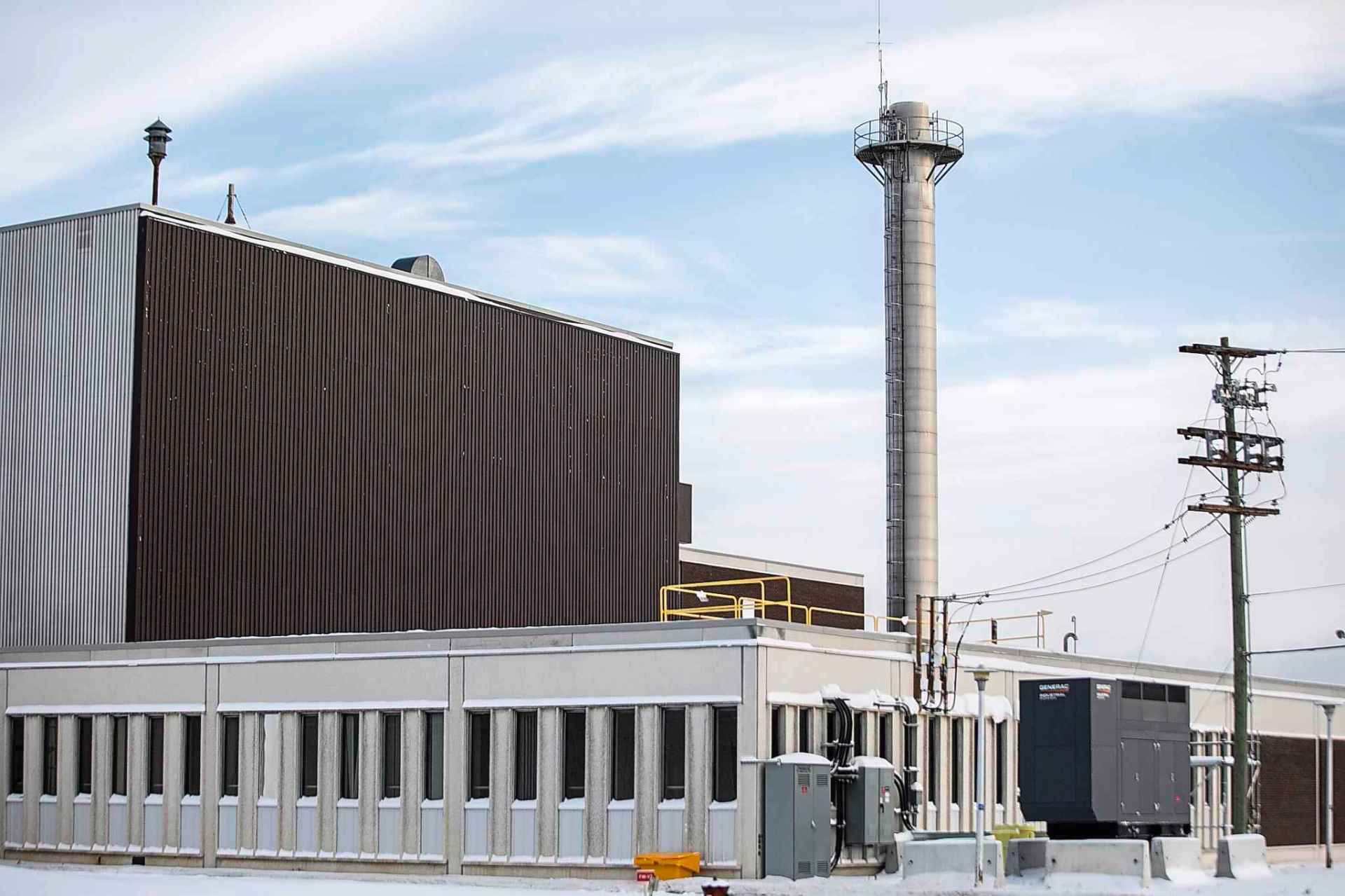
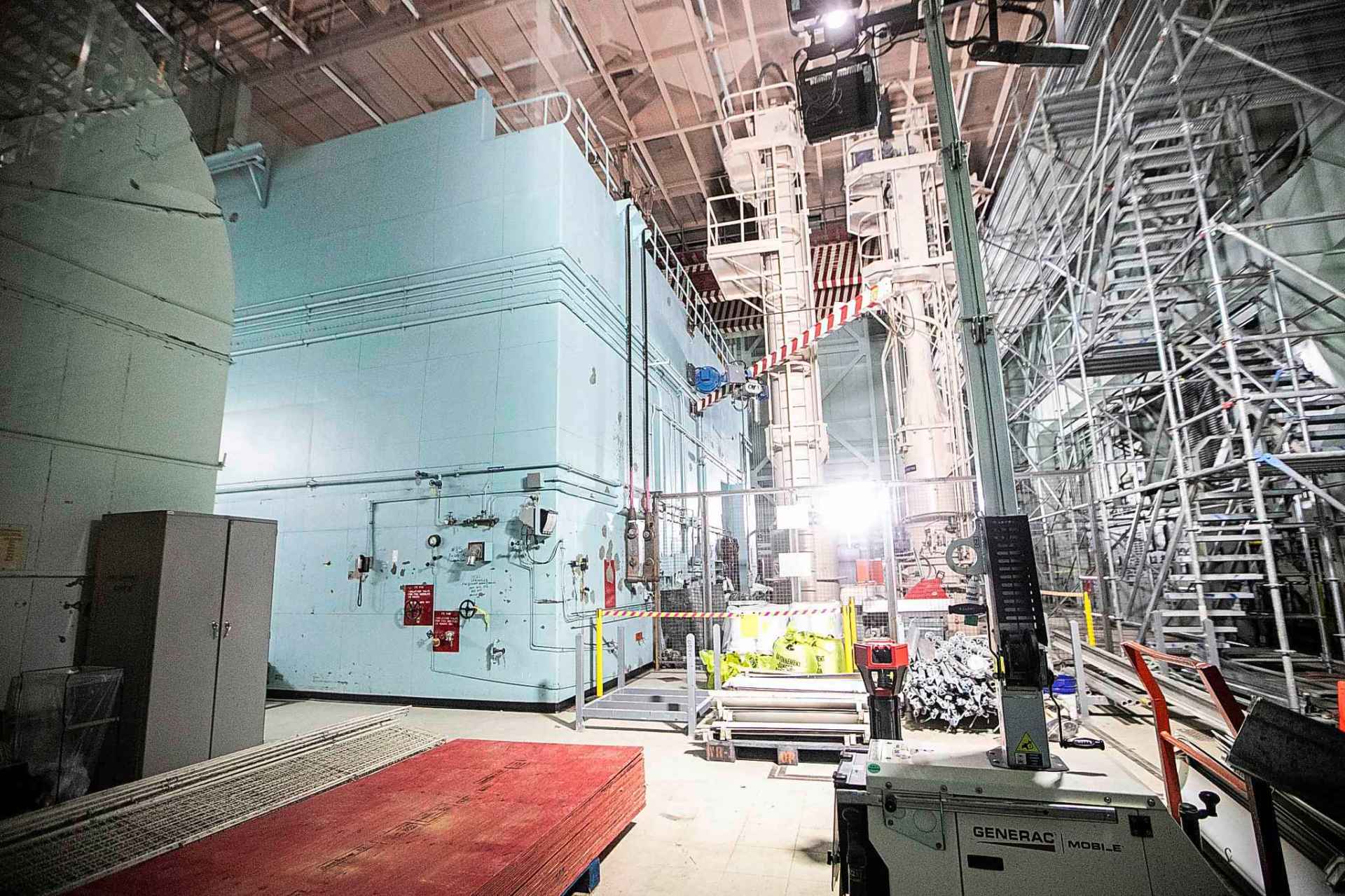
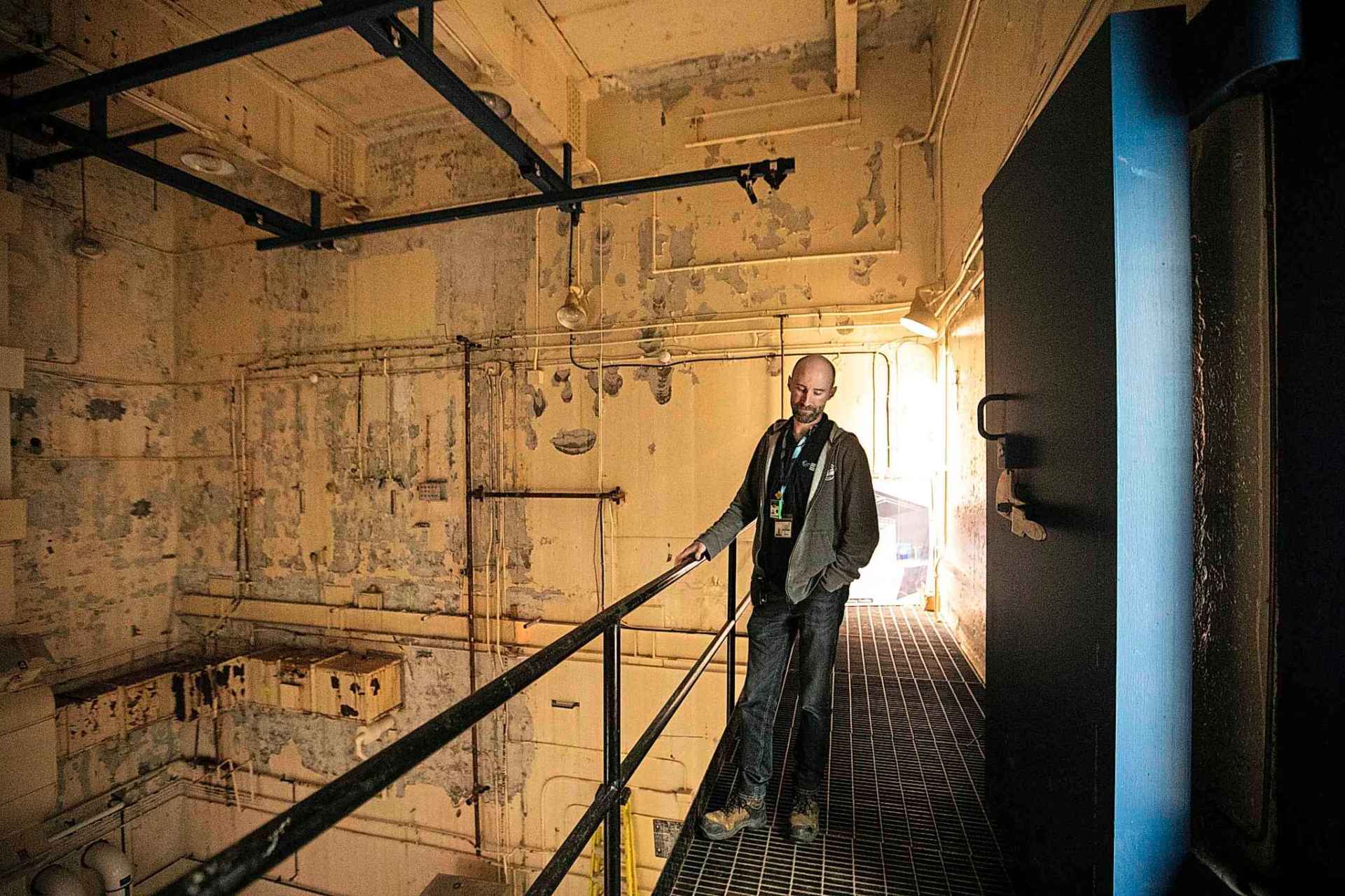
MIKAELA MACKENZIE / FREE PRESS The reactor hall, as seen from an access hallway at the WR-1 reactor building at the former Whiteshell Laboratories.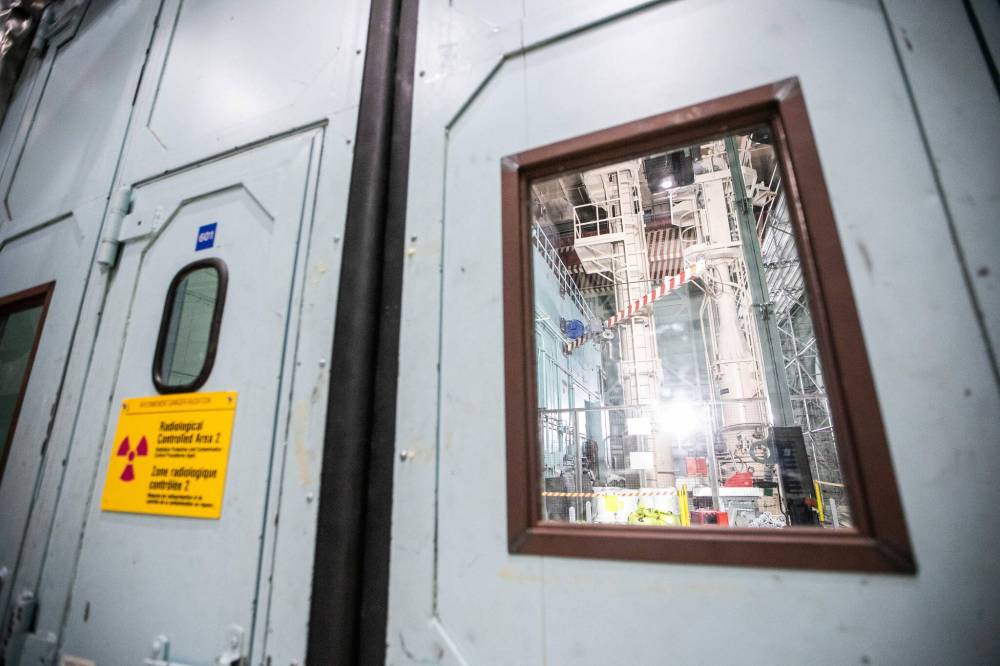
James Wilt, policy manager of Climate Action Team Manitoba, flagged SMRs as being costly and unproven. SMRs require enriched uranium, which Canada doesn’t process. Saskatchewan uranium could be shipped to the United States for processing before entering Manitoba.
“That’s obviously a concern when it comes to energy sovereignty and … supply chain security,” Wilt said.
Ignace, Ont. — the community slated to take Canada’s toxic waste — has faced a court review from an Ontario First Nation.
Canadian Nuclear Laboratories ships some of its radioactive waste to Chalk River in Ontario. (Earlier this year, Kebaowek First Nation won a case against the company, saying it wasn’t meaningfully consulted about the facility.)
Still, the Manitoba Chambers of Commerce has heard from at least five companies who are interested in launching SMRs in the province, said president Chuck Davidson.
“We don’t really have the opportunity to be picky,” Davidson said. “There’s talk about how we (will) have AI farms, all these sorts of things — they’re huge users of power.
“Companies that are willing to make investments, I think we need to be willing to listen.”
Sagkeeng is among the Manitoba First Nations being consulted by CNL on the former nuclear plant’s future. The lab was built on Sagkeeng’s title land without consent, Chief E.J. Fontaine wrote in a statement.
“Repairing the damage done by the government’s dishonourable conduct has been a long process and we continue to be on that journey with CNL,” Fontaine wrote. “Any company, including StarCore, which intends to use our unsurrendered territory for their own gain, is required to have our free, prior and informed consent.”
StarCore has been meeting with nearby First Nations, Dabney said.
He said financing should be fully in place in February. The site could begin powering homes in 2030 if StarCore got an agreement from Manitoba Hydro “within the next month or so,” Dabney said. There’s extensive licensing to go through, beginning with the Canadian Nuclear Safety Commission.
David Novog, a McMaster University nuclear engineering professor, said an SMR near Pinawa seems feasible: “If we had a reactor there and … we showed that Manitoba could host that kind of technology, I think we could do it again.”
gabrielle.piche@winnipegfreepress.com

Gabrielle Piché reports on business for the Free Press. She interned at the Free Press and worked for its sister outlet, Canstar Community News, before entering the business beat in 2021. Read more about Gabrielle.
Every piece of reporting Gabrielle produces is reviewed by an editing team before it is posted online or published in print — part of the Free Press‘s tradition, since 1872, of producing reliable independent journalism. Read more about Free Press’s history and mandate, and learn how our newsroom operates.
Our newsroom depends on a growing audience of readers to power our journalism. If you are not a paid reader, please consider becoming a subscriber.
Our newsroom depends on its audience of readers to power our journalism. Thank you for your support.


History
Updated on Friday, December 12, 2025 6:11 PM CST: Updates web headline