Mic drop moment Studies reveal inequalities in music-biz leadership roles
Read this article for free:
or
Already have an account? Log in here »
To continue reading, please subscribe:

Digital Subscription
One year of digital access for only $205*
- Enjoy unlimited reading on winnipegfreepress.com
- Read the E-Edition, our digital replica newspaper
- Access News Break, our award-winning app
- Play interactive puzzles
*First annual payment billed as $205.00 + GST for one year. This annual subscription will automatically renew at $233.00 + GST every 52 weeks (10% off the regular annual price of $259.35). Offer available to new and qualified returning subscribers only. Cancel any time.
To continue reading, please subscribe:
Add Free Press access to your Brandon Sun subscription for only an additional
$1 for the first 4 weeks*
- Enjoy unlimited reading on winnipegfreepress.com
- Read the E-Edition, our digital replica newspaper
- Access News Break, our award-winning app
- Play interactive puzzles
*Your next Brandon Sun subscription payment will increase by $1.00 and you will be charged $17.95 plus GST for four weeks. After four weeks, your payment will increase to $24.95 plus GST every four weeks.
Read unlimited articles for free today:
or
Already have an account? Log in here »
Nelly Furtado, Joni Mitchell, Begonia and Tate McRae — the most visible honorees and notable winners at this year’s Juno Awards seemed to be mostly women.
But look into the annual awards categories that celebrate key decision-makers behind the scenes and a less female-centric image of the Canadian music industry’s favoured leaders emerges.
For years, categories such as Engineer of the Year, Producer of the Year and the Walt Grealis Special Achievement Award, which often celebrates music managers and executives, have skewed toward male recipients, and this year wasn’t much different.
Before anyone makes strong accusations against the Canadian Academy of Recording Arts and Sciences and its hundreds of Juno jurors, it’s worth noting the number of studies that reflect macro gender disparities within the music industry.
A 2023 Statistic Canada study found that about 82 per cent of the sound recording workforce were then male, with international studies suggesting that 95 per cent of producer credits on Billboard Hot 100 go to men.
A 2026 study by non-profit industry association Women in Music Canada found that women occupy only 28 per cent of leadership roles within Canadian music companies and just nine per cent of top executive positions.
Against this backdrop, it’s especially notable that many of Winnipeg’s leading music organizations and music industry associations have leaders who are women — executive directors such as Vanessa Kuzina (Manitoba Music), Elise Roller (Misfit Music Management), Angela Birdsell (Winnipeg Symphony Orchestra), Valerie Shantz (Winnipeg Folk Festival), Lana Winterhalt (Good + Plenty Arts Collective), Angela Heck (Jazz Winnipeg) and Lynne Skromeda (Manitoba Film and Music), to name a few.
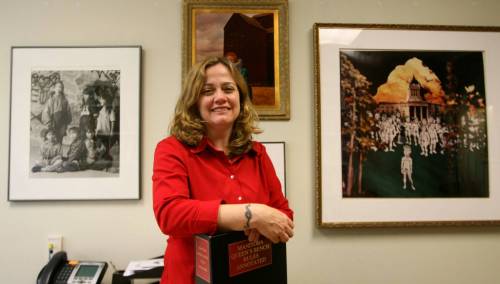
Ruth Bonneville / Free Press Files Lynne Skromeda, CEO of Manitoba Film and Music, says there are areas of the music industry that still feel like an old boys’ club.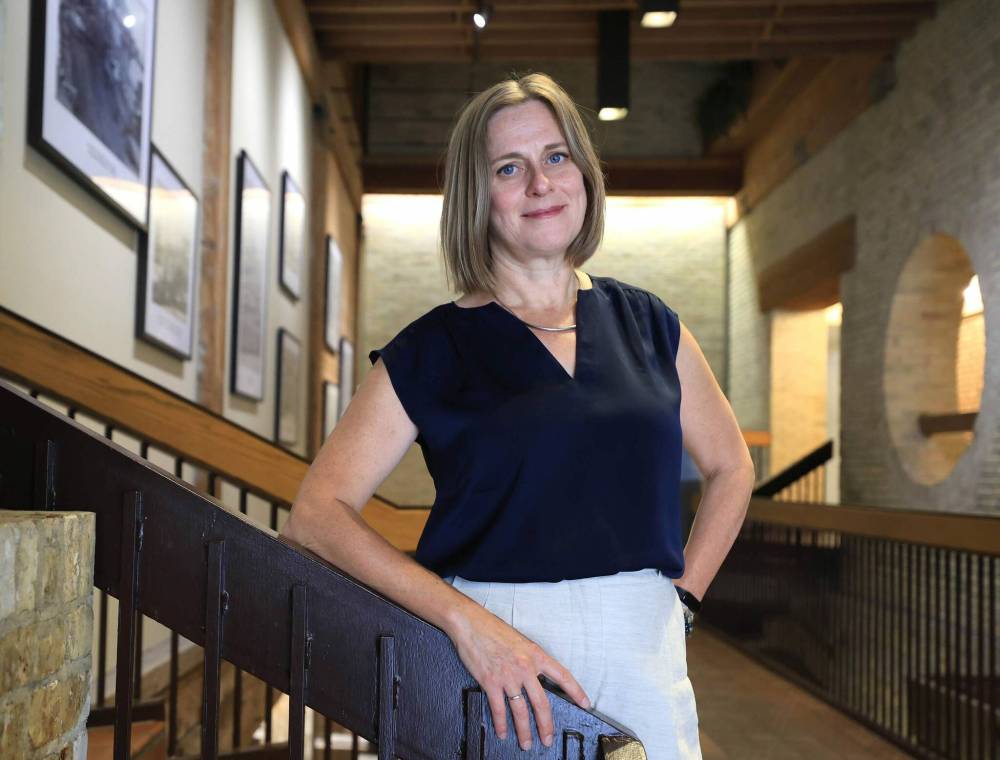
Skromeda says she’s generally a “positive person” when it comes to gender equity in the music and film industries, and says these industries have rewarded her “desire to work and to be somebody who excels in whatever they do.”
But she suggests there are key areas of film and music that still feel like an old boys’ club, and this does more than many realize to discourage women from trying to break in.
“It’s (made it) challenging for women to feel like themselves, to feel like they’re able to do their best work,” she says. “You have to kind of work twice as hard to go the same distance, but it is possible.”
Winnipegger Robyn Stewart, Women in Music Canada’s executive director, is troubled, though not exactly surprised, by findings about a lack of women in Canadian music industry leadership roles.
But she says the solution is more about fostering egalitarian spaces where women and non-binary voices resonate than diversifying management.
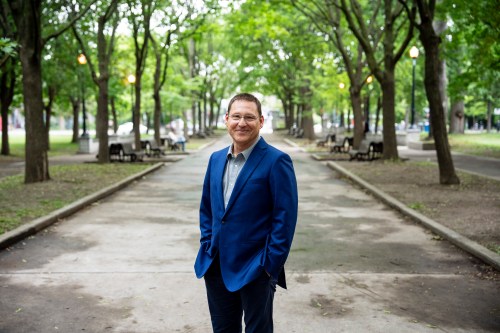
Brad Ardley photo Robyn Stewart, executive director of Women in Music Canada, is trying to create more democratic spaces.
“The (music) industry has had a long history of there being one seat at the table for women or gender-diverse persons or persons of colour,” she says.
“The goal is to create more democratic spaces … and the only way to do that is to look at every stage of the career path.”
When it comes to understanding social inequality, there are arguments to be made about discrimination versus structural barriers and bad actors versus flawed systems, along with accusations of wilful sexism or racism.
As CEO and director of the Canada Council for the Arts — one of the country’s largest government funders for culture — Michelle Chawala is aware of the many reports reflecting just how common feelings of gender-based discrimination are among women and non-binary people in Canada’s music and cultural fields. She’s experienced it, too.
“You can get to a certain level, and then it becomes much harder to make the jump from manager to executive, and even more so to CEO or boards,” she says.
But the vast volume of data flowing to and analyzed by the Canada Council — from thousands of applications submitted annually by artists and cultural organizations — also gives her a nuanced macro picture of the issue.
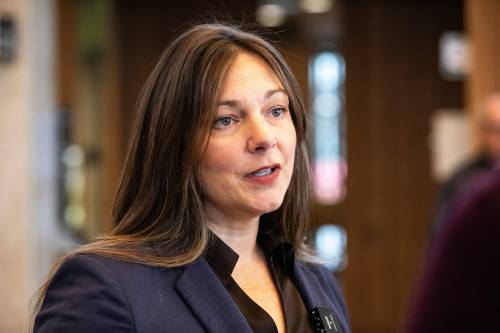
Canada Council Michelle Chawla is CEO and director of the Canada Council for the Arts.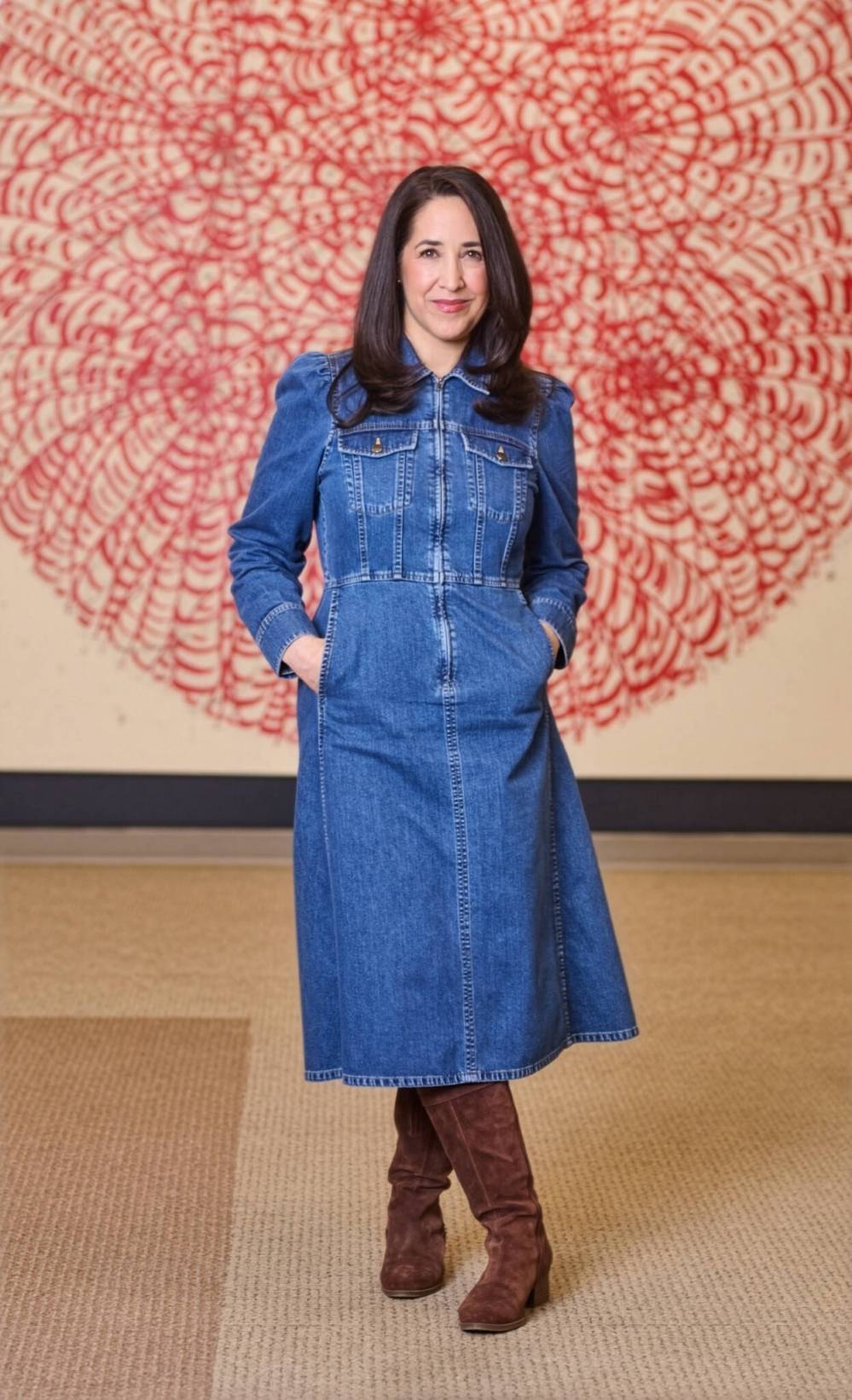
“With the (leadership) gap, what you’re seeing is larger structural patterns … access to networks, mentorship, opportunities for learning better governance, succession pathways and … work-life balance.”
Studies such as the ones mentioned are often invoked to justify the need for greater diversity, equity and inclusion (DEI) policies in the music sector.
These range from initiatives that seek more egalitarian or equitable outcomes in hiring and funding, to initiatives that are more about opening up opportunities, through things like inclusive job postings, blind applications and mentorship or leadership programs for women and gender-diverse candidates.
Women in Music Canada, for instance, has an entrepreneur accelerator program, designed to support women and gender-diverse Canadian creators and industry leaders.
DEI critics, however, look at persistent gender inequality in the labour force as a sign of deeper differences — suggesting, for example, that women may voluntarily avoid certain roles.
A 2022 meta-analytic review, while reflecting that existing studies reflect lower ambition for leadership roles among women, also emphasizes the complex role that gender “self-stereotyping” can play here. The review concludes that, put simply, people can internalize certain gender norms based on seeing the same kinds of people in power over and over, and that has a significant effect on outcomes.

Stewart, who’s worked in music for more than two decades, including as executive director of BreakOut West and the Western Canadian Music Alliance, gently points to similar dynamics in her own industry.
“Traditionally… if a man sees a job with 10 requirements, he’ll apply if he has two. A woman won’t apply until she has all of them,” says Stewart. “(And) if you aren’t seeing someone who looks like you in leadership — and this goes for people of colour as well — you don’t necessarily see that as being for you,” she adds.
This is where she suggests organizations like hers have historically filled a void, by providing guidance, training and leadership programs to women and gender-diverse people.
Successful applications for government funding and opportunity placement in Manitoba’s music and cultural sector also hinge increasingly on DEI considerations such as gender equity, a fact that occasionally inspires accusations of “wokeness” and public pushback.
“(And) if you aren’t seeing someone who looks like you in leadership – and this goes for people of colour as well – you don’t necessarily see that as being for you.”
These conflicts draw momentum from culture wars in the U.S., where increasingly universities and cultural institutions face legal and political scrutiny over DEI programs.
Ironically, opponents often leverage the Civil Rights Act (1964) and the Education Amendments of 1972 to argue that race- and gender-conscious hiring and admissions processes violate anti-discrimination laws.
In Canada, by contrast, equity-focused programs are better protected legally and constitutionally — and arguably flow from official values like multiculturalism, reconciliation and the Charter’s equality rights.
In a similar spirit, Chawala suggests that the Canada Council’s emphasis on gender equity and DEI policies are ultimately a matter of public responsibility.
“Everything that we do at the Canada Council … need(s) to ensure that the principles of equity and fairness applies,” she says. “When you receive public funding, you are extremely responsible for holding yourself accountable and to be transparent.”
winnipegfreepress.com/conradsweatman

Conrad Sweatman is an arts reporter and feature writer. Before joining the Free Press full-time in 2024, he worked in the U.K. and Canadian cultural sectors, freelanced for outlets including The Walrus, VICE and Prairie Fire. Read more about Conrad.
Our newsroom depends on a growing audience of readers to power our journalism. If you are not a paid reader, please consider becoming a subscriber.
Our newsroom depends on its audience of readers to power our journalism. Thank you for your support.