In a German forest, 2 brothers keep the ancient tradition of charcoal burning alive

HASSELFELDE, Germany (AP) — Immo Feldmer carefully tipped smoldering charcoal into a tall mound of earth to kick off the ancient tradition of coal burning.

Read this article for free:


or

Already have an account? Log in here »

To continue reading, please subscribe:

Subscribe and receive a limited-edition Free Press branded hat or tote.

Digital Subscription

One year of digital access for only $205*

  • Enjoy unlimited reading on winnipegfreepress.com
  • Read the E-Edition, our digital replica newspaper
  • Access News Break, our award-winning app
  • Play interactive puzzles

*First annual payment billed as $205.00 + GST for one year. This annual subscription will automatically renew at $233.00 + GST every 52 weeks (10% off the regular annual price of $259.35). Offer available to new and qualified returning subscribers only. Cancel any time.

To continue reading, please subscribe:

Add Free Press access to your Brandon Sun subscription for only an additional

$1 for the first 4 weeks*

  • Enjoy unlimited reading on winnipegfreepress.com
  • Read the E-Edition, our digital replica newspaper
  • Access News Break, our award-winning app
  • Play interactive puzzles
Start now

*Your next Brandon Sun subscription payment will increase by $1.00 and you will be charged $17.95 plus GST for four weeks. After four weeks, your payment will increase to $24.95 plus GST every four weeks.

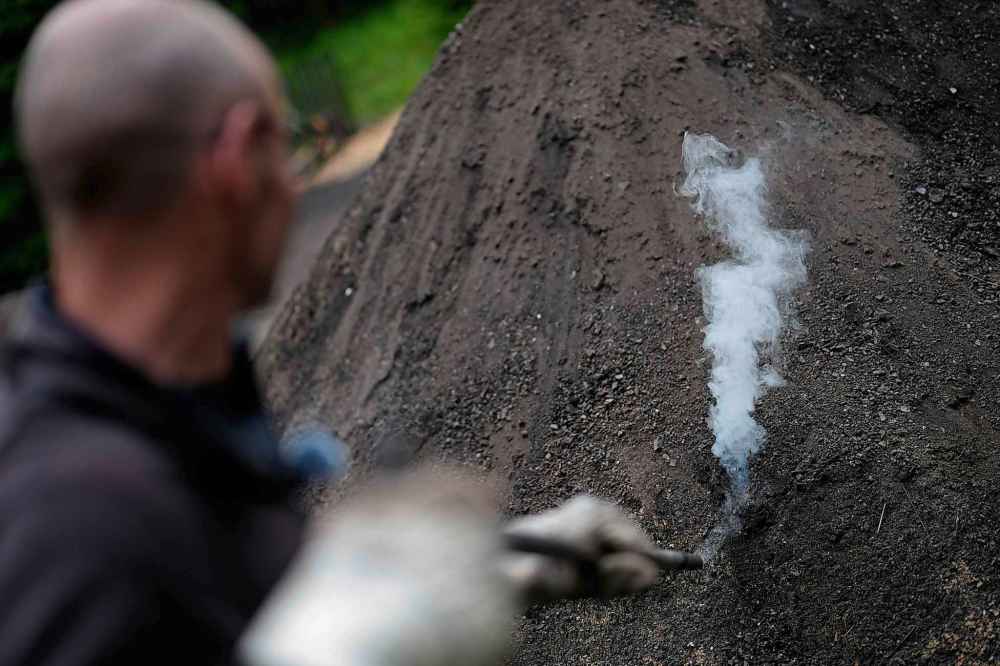
HASSELFELDE, Germany (AP) — Immo Feldmer carefully tipped smoldering charcoal into a tall mound of earth to kick off the ancient tradition of coal burning.

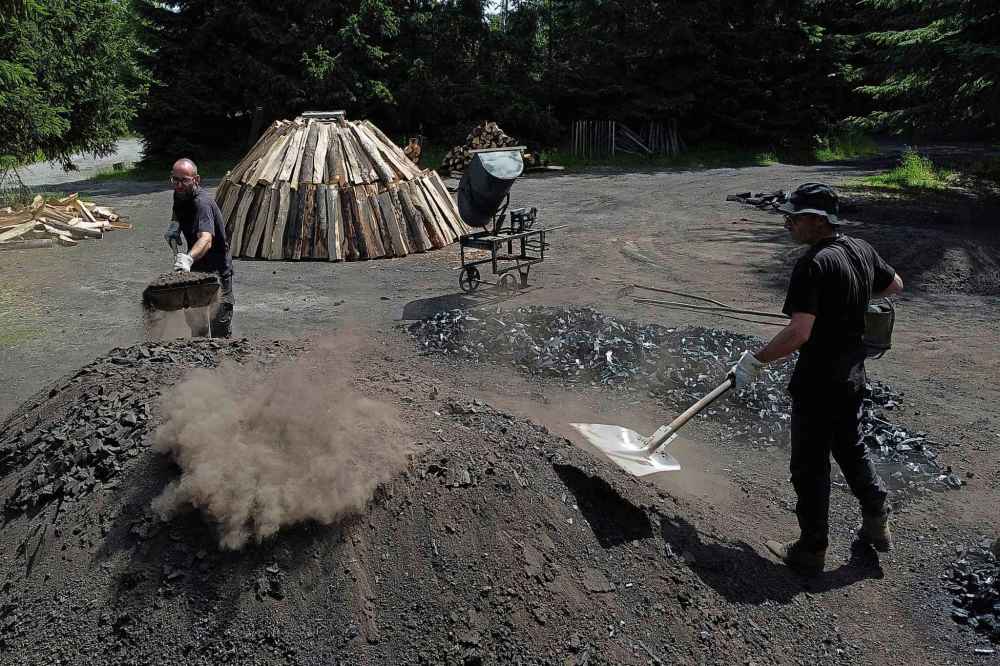
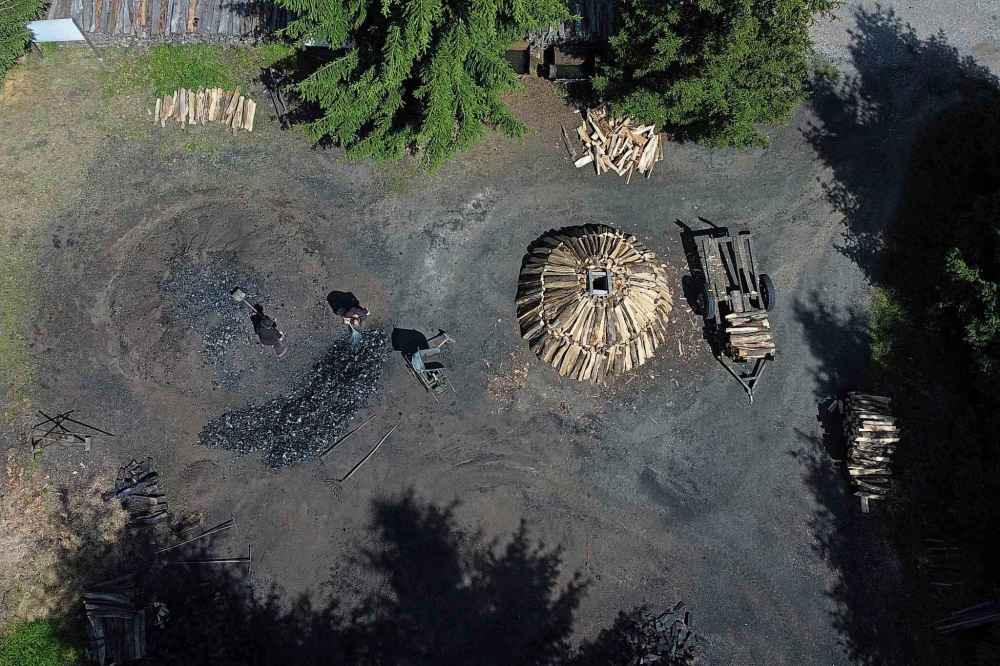
The inside of the mound was tightly stacked with beech wood which smolders for weeks until it’s been turned into charcoal — a craft that’s been practiced in the Harz mountain region in eastern Germany for hundreds of years.

“We are making charcoal in traditional earthen kilns, just as it was done here in the Harz Mountains over 1,000 years ago,” Feldmer told The Associated Press in a recent interview as he stood between the mounds in the middle of the Harz forest near the small town of Hasselfelde.

Feldmer and his brother Sascha took over the Harzköhlerei Stemberghaus business of producing charcoal from their father. They also have a handful of workers as the smoldering wood inside the mounds needs to be attended to and carefully watched day and night so it won’t start catching fire and burn down to useless ashes.

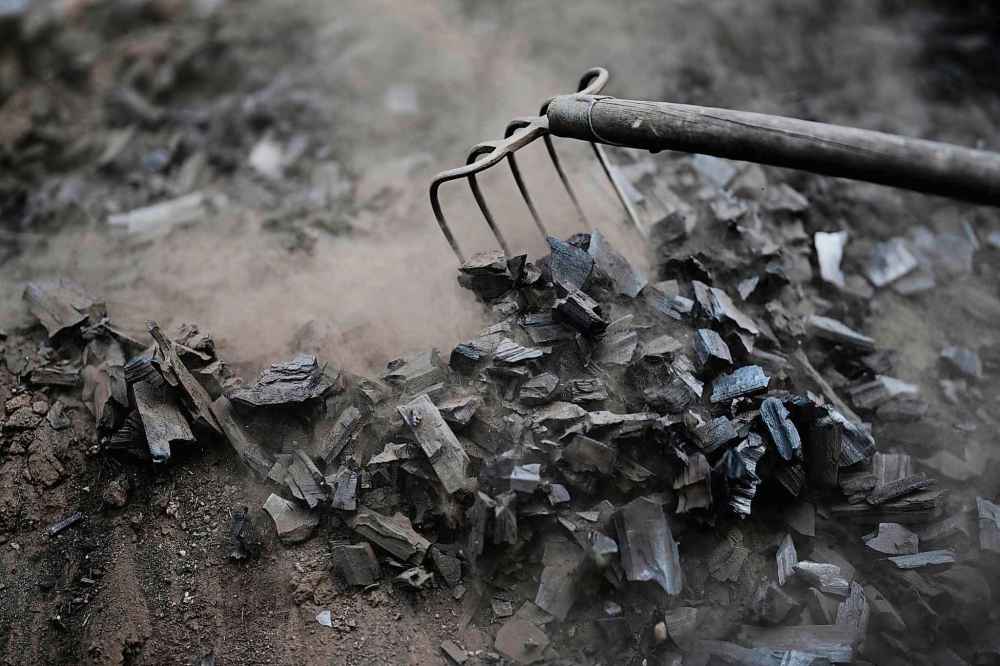
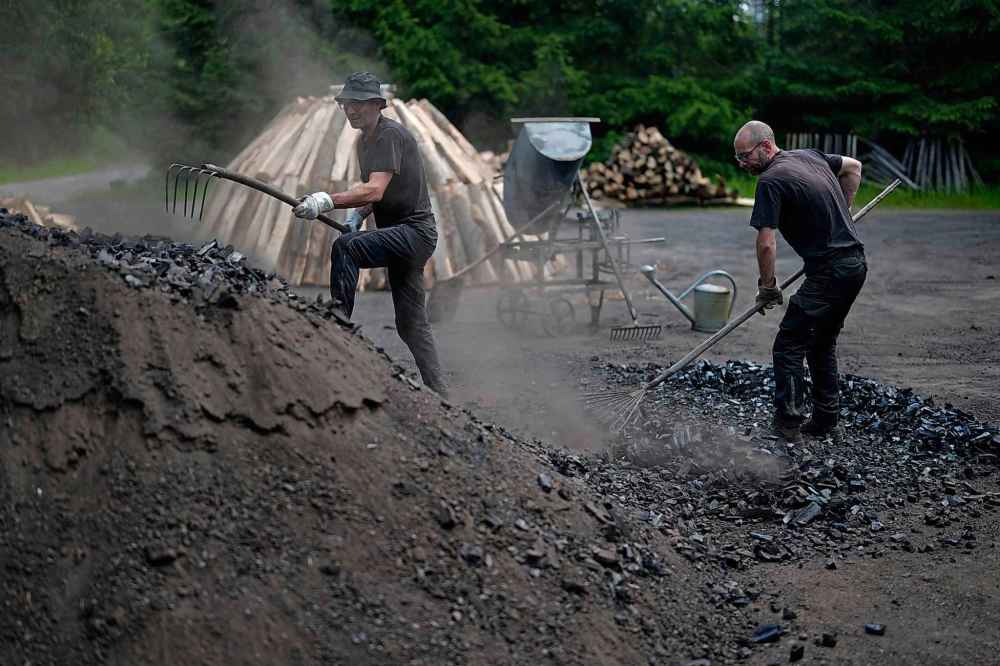
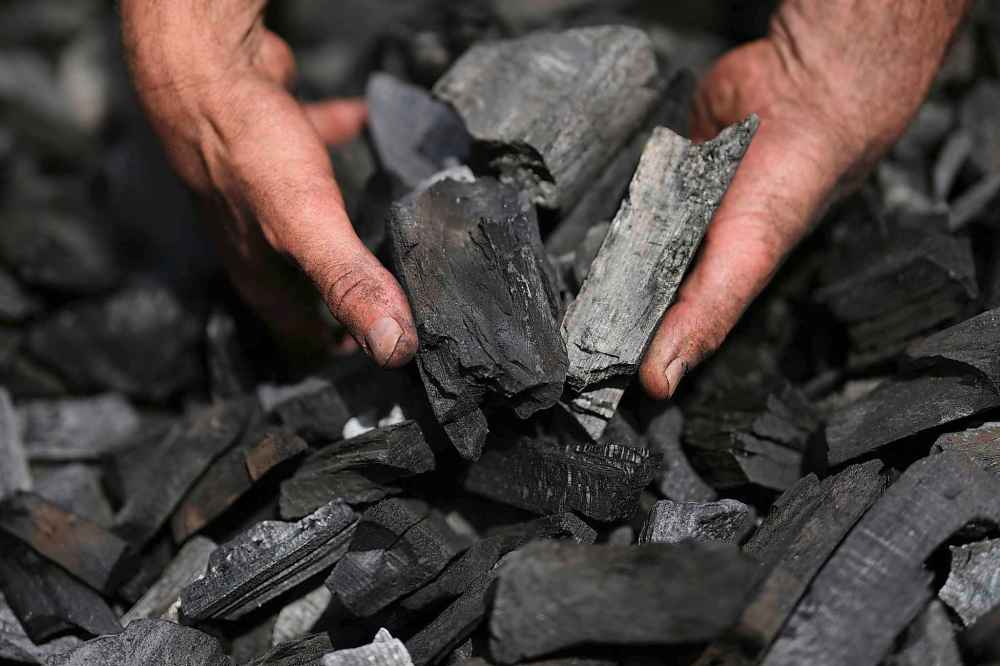
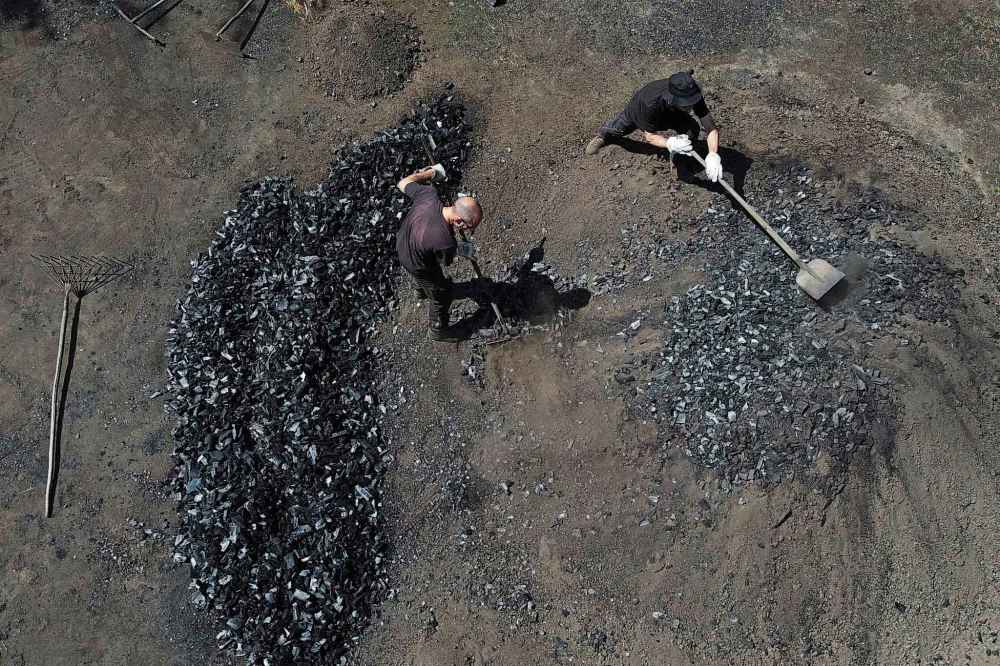
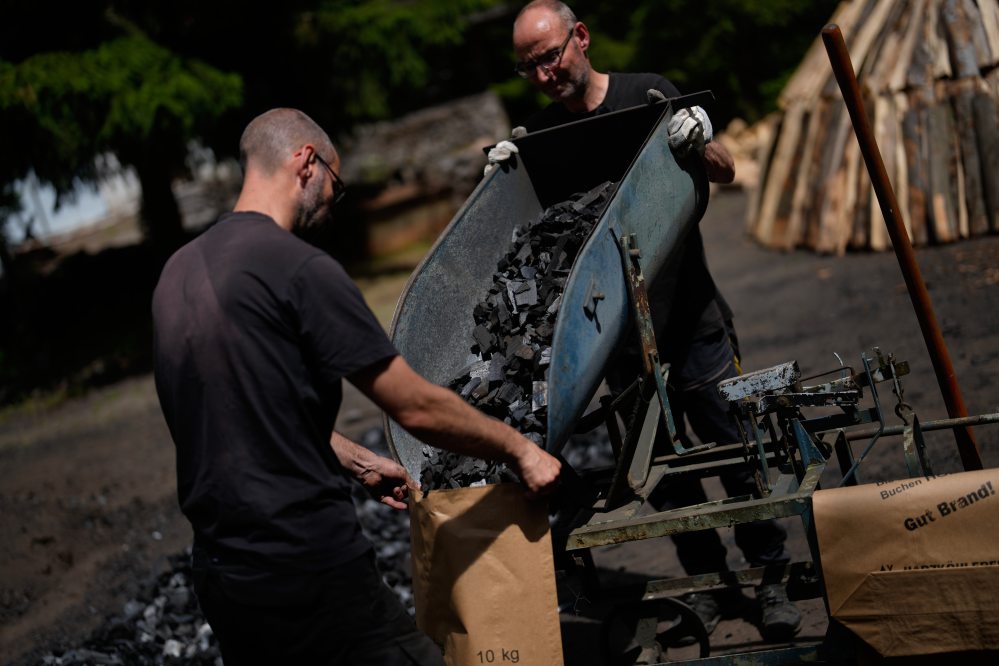
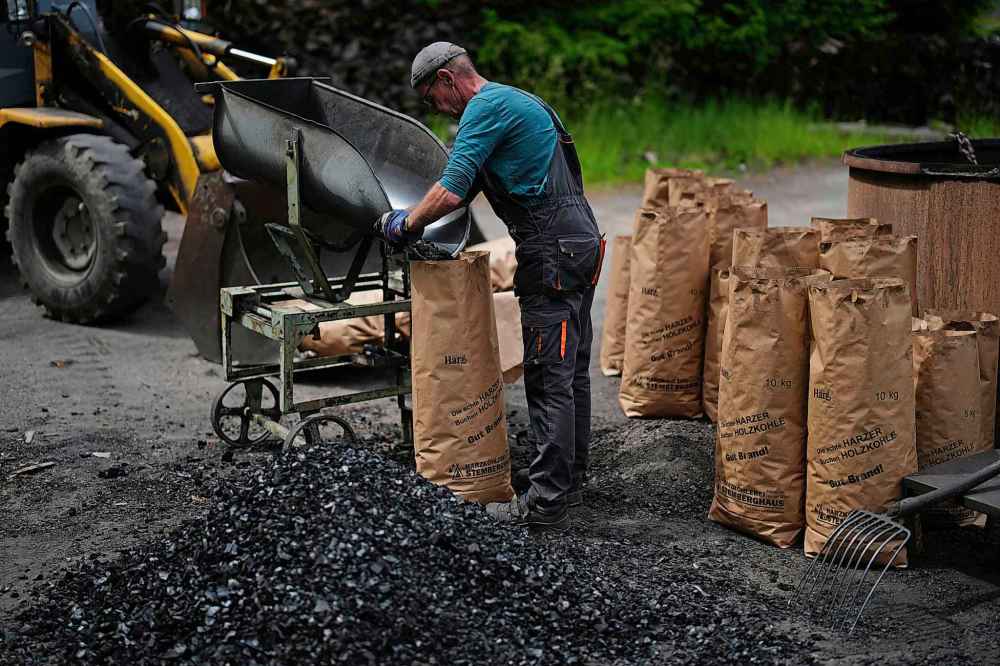
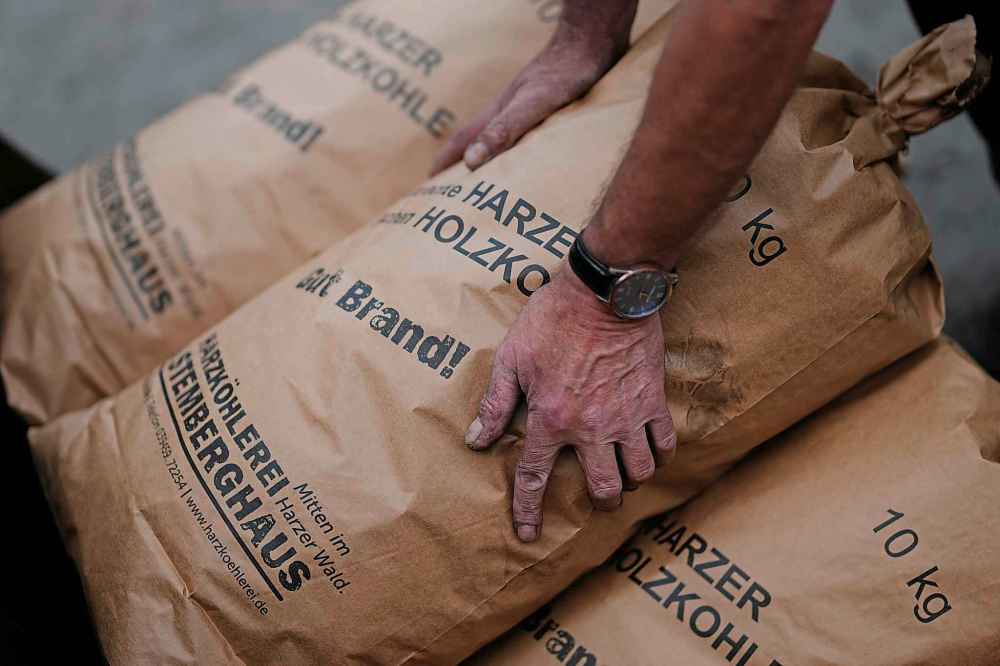
Once covered in earth, the beech wood — which is known for its high density and the high temperatures it creates once it’s been turned into charcoal — burns from top to bottom with the help of air holes. The charcoal is then swept clean of soil, and when it has cooled down, it’s packed into 10-kilogram (22-pound) bags for sale.

Charcoal production was essential for mining ore in the Harz Mountains. To extract valuable metals such as silver, lead, copper, and zinc from the hard rock, the ore was crushed and then smelted in a furnace using intense heat. The extremely high temperatures required could only be achieved using charcoal.

Over the centuries, hundreds of families in the Harz region earned their living as charcoal burners. These days ore is no longer mined there and only a few coal burners are left in Germany. The Feldmers mostly sell their charcoal to people using it for barbecues at home.

“Our charcoal is, first and foremost, made from pure beech wood,” Feldmer said, adding that most of the charcoal sold at hardware stores in the country is imported and made of “mixed woods, scrap wood, and waste wood so it can be produced cheaply.”
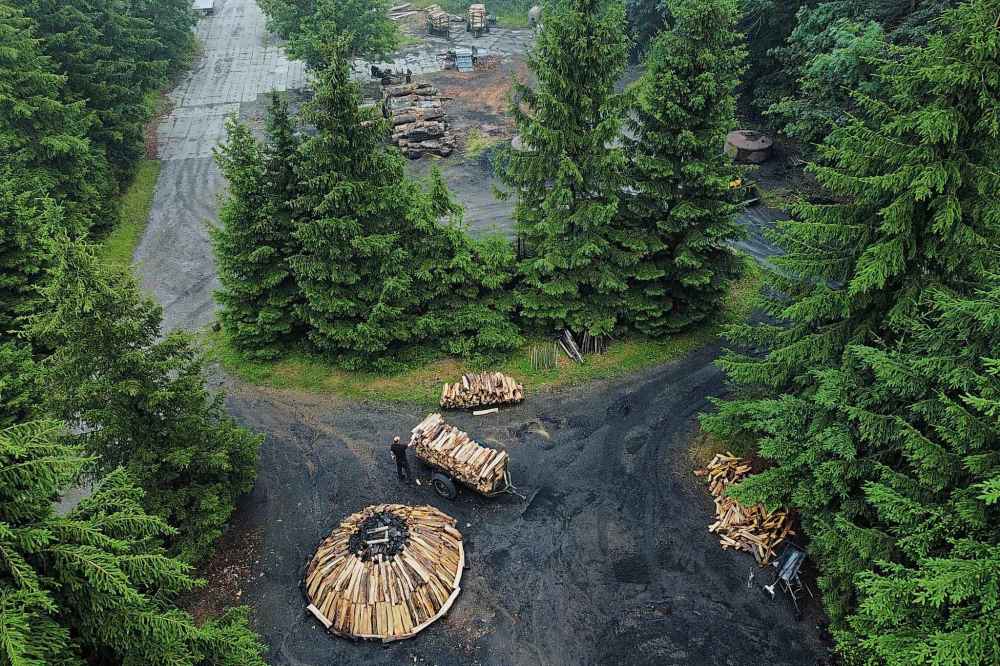
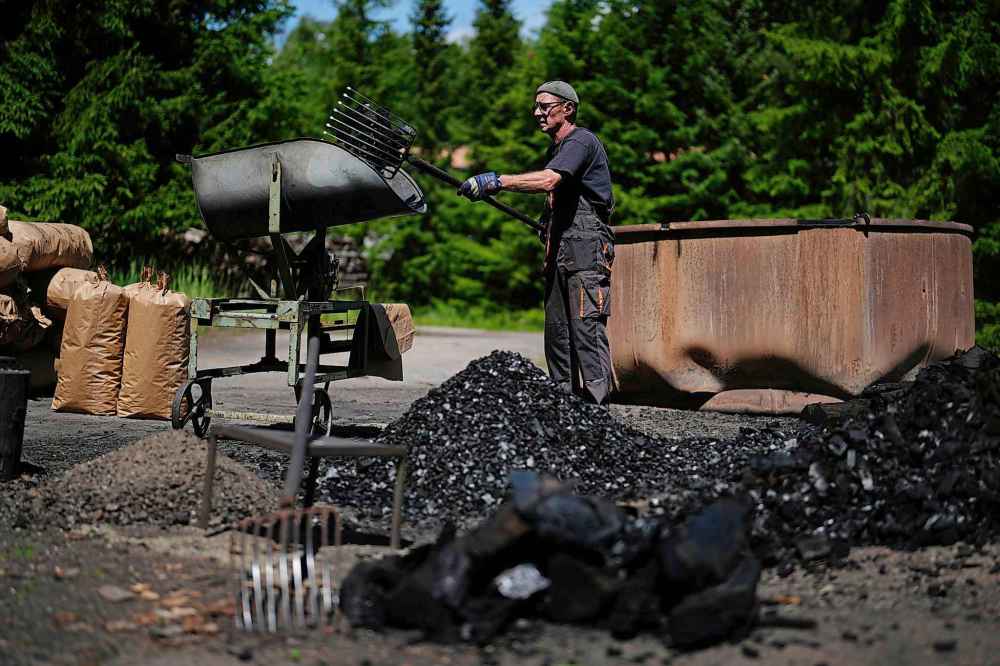
Immo Feldmer works at a wood pile at his family-run, traditional charcoal production site near Hasselfelde in Germany's Harz forest, Monday, June 29, 2026. (Photos by Matthias Schrader / The Associated Press)

As Feldmer and his brother would not be able to live from the coal burning business alone — they produce around 40 tons annually — they’ve also opened a museum about the history of coal burning, a small store and a restaurant where guests can get local specialties including steaks grilled over homemade birch charcoal.

Though the craft of char burning has essentially died out in Germany, Feldmer hopes that his family will keep the tradition alive.

“Of course, we hope … that our business here will be taken over by our children, that it will continue to operate, and that the traditional craft of charcoal burning will be preserved here,” he said.
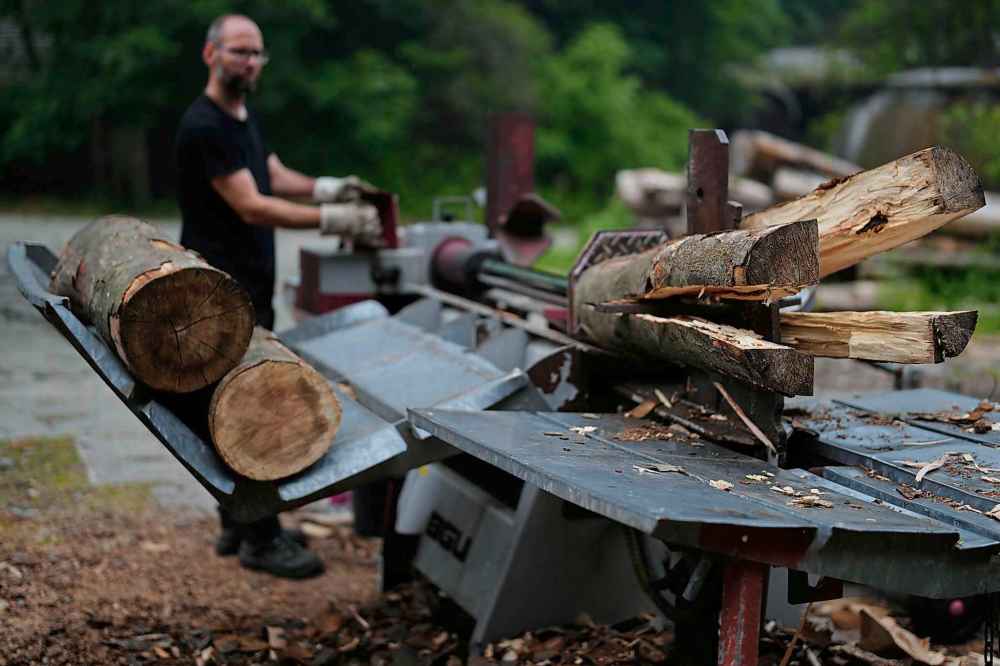
Sascha Feldmer splits beech wood for the traditional production of charcoal.
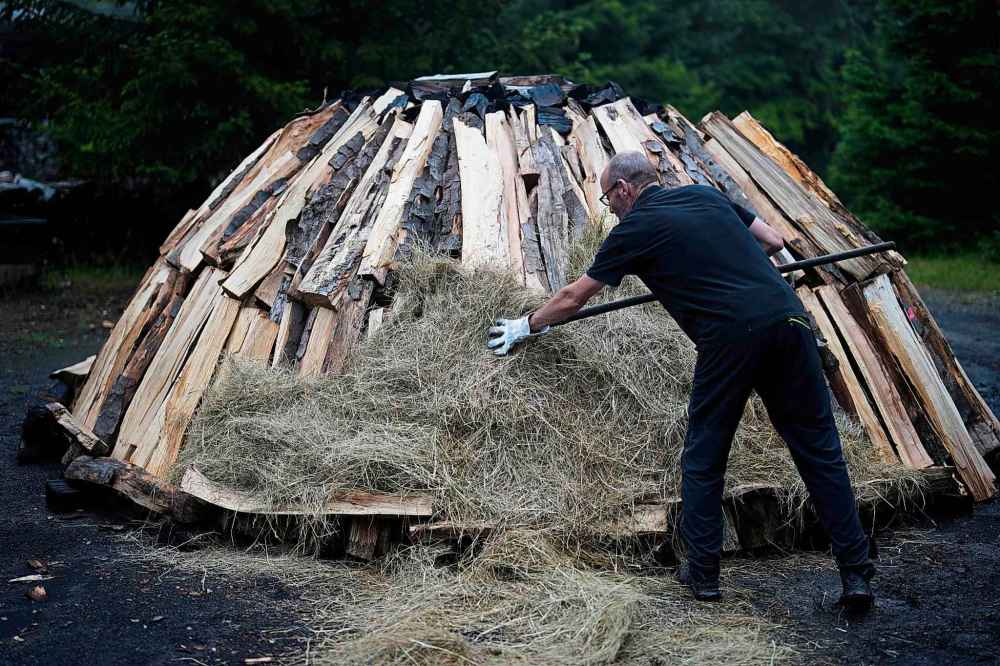
Immo Feldmer covers a pile of beech wood with hay and soil, before lighting it from the inside for it to smolder.
The beech wood burns from top to bottom with the help of air holes.
Immo Feldmer uses a pole to ventilate a mound of earth.
Sascha Feldmer harvests charcoal.
The mounds need to be attended to and carefully watched day and night so it won't start catching fire and burn down to useless ashes.
Sascha Feldmer holds fresh charcoal.
Over the centuries, hundreds of families in the Harz region earned their living as charcoal burners. These days ore is no longer mined there and only a few coal burners are left in Germany.
Charcoal is harvested from one mound, while another waits for ignition.
Detlef Krone places charcoal on a scale.
Immo and Sascha Feldmer put charcoal into paper bags after weighing it.
Detlef Krone packs charcoal into paper bags.
The charcoal is packed into 10-kilogram bags for sale. The Feldmers mostly sell their charcoal to people using it for barbecues at home.
Report Error Submit a Tip

More Stories

Wab Kinew as ‘communicator in chief’

Paul G. Thomas 6 minute read Preview

Wab Kinew as ‘communicator in chief’

Paul G. Thomas 6 minute read 2:00 AM CDT

Premier Wab Kinew and his party have been riding high in the polls longer than normal for a government one year or less away from its first re-election contest. One reason is his ubiquitous, dominating communications presence as NDP leader and premier.

The argument here is that Kinew has supplemented his prerogatives as premier and party leader (such as appointing cabinet ministers and approving party nominations) with the skilful use of communications to advance his policy agenda, boost his personal popularity and maintain the competitive advantage of his party over the opposition Progressive Conservatives.

Communications has always been a significant part of politics and policy making. However, in the contemporary political and media environments, communications considerations have moved from the background to the foreground of decision-making by political parties, including when they are performing in the role of government. Campaigning and governing now overlap in what has been described as a permanent election campaign.

Political parties use communications strategies for several purposes: to establish an image of the leader which makes a positive emotional connection with voters; to promote a coherent message and to keep party members on message; and to gain favourable media coverage for its policies and other actions on almost a daily basis.

Read
2:00 AM CDT

Jets defenceman spent whole summer working on getting to the next level

Ken Wiebe 8 minute read Preview

Jets defenceman spent whole summer working on getting to the next level

Ken Wiebe 8 minute read Updated: 1:57 PM CDT

Tyrel Bauer makes no apologies for the pugilistic piece of his path.

The Winnipeg Jets defenceman is ready to drop the gloves and throw down when the situation calls for it and he takes great pride in protecting his teammates.

It’s a big part of the reason Bauer will be among the 23 players submitted by the Jets on the opening-day roster on Monday.

“I’ve fought and clawed, both metaphorically and literally and now I just want to show that I can play as well,” Bauer said during a chat with the Free Press during training camp. “(Toughness) is always something that I have, it’s always something in my back pocket and something that I take a lot of pride in doing, for my teammates, for the city and the people who invest in this hockey club. That will never change.

Read
Updated: 1:57 PM CDT

Province invests $3.8M in culinary arts training facility for francophone high school students

Kelly-Anne Riess 3 minute read Preview

Province invests $3.8M in culinary arts training facility for francophone high school students

Kelly-Anne Riess 3 minute read Yesterday at 12:10 PM CDT

A new dedicated culinary arts training facility will give francophone high school students a place to learn the trade in French.

Read
Yesterday at 12:10 PM CDT

Judge grants bail to man accused in foiled bathhouse bombing

Dean Pritchard 4 minute read Preview

Judge grants bail to man accused in foiled bathhouse bombing

Dean Pritchard 4 minute read 2:31 PM CDT

A Winnipeg man accused of planting a pipe bomb outside a bustling Notre Dame Avenue bathhouse has been granted bail.

Erik Lymen Olson, 59, was granted release following a contested bail hearing last Monday.

Olson was arrested Sept. 12, one day after allegedly planting a pipe bomb outside the rear of AQ Sauna.

As first reported by the Free Press, Olson and his husband Doug Pomanski own and operate competing bathhouse Adonis Men’s Spa on Main Street.

Read
2:31 PM CDT

Manitoba PC leader Khan survives confidence vote

Free Press staff 3 minute read Preview

Manitoba PC leader Khan survives confidence vote

Free Press staff 3 minute read Updated: 12:54 PM CDT

Manitoba Progressive Conservative Leader Obby Khan survived a confidence vote last week.

Caucus communications director Alison Sutherland confirmed the vote was held Friday and that Khan still has “the full confidence” of the PC caucus.

She did not provide further details.

The party under Khan’s leadership is floundering, a recent poll suggests.

Read
Updated: 12:54 PM CDT

Puzzles Palace

1 minute read Monday, Jul. 27, 2026

To solve our puzzles, please subscribe with this special offer: |