
Deinstitutionalizing death From basic respite to existential concerns, end-of-life doulas work to bring some humanity back into the dying process
Read this article for free:
or
Already have an account? Log in here »
To continue reading, please subscribe:
Monthly Digital Subscription
$1 per week for 24 weeks*
- Enjoy unlimited reading on winnipegfreepress.com
- Read the E-Edition, our digital replica newspaper
- Access News Break, our award-winning app
- Play interactive puzzles
*Billed as $4.00 plus GST every four weeks. After 24 weeks, price increases to the regular rate of $19.95 plus GST every four weeks. Offer available to new and qualified returning subscribers only. Cancel any time.
Monthly Digital Subscription
$4.99/week*
- Enjoy unlimited reading on winnipegfreepress.com
- Read the E-Edition, our digital replica newspaper
- Access News Break, our award-winning app
- Play interactive puzzles
*Billed as $19.95 plus GST every four weeks. Cancel any time.
To continue reading, please subscribe:
Add Free Press access to your Brandon Sun subscription for only an additional
$1 for the first 4 weeks*
- Enjoy unlimited reading on winnipegfreepress.com
- Read the E-Edition, our digital replica newspaper
- Access News Break, our award-winning app
- Play interactive puzzles
*Your next Brandon Sun subscription payment will increase by $1.00 and you will be charged $17.95 plus GST for four weeks. After four weeks, your payment will increase to $24.95 plus GST every four weeks.
Read unlimited articles for free today:
or
Already have an account? Log in here »
Hey there, time traveller!
This article was published 27/10/2023 (922 days ago), so information in it may no longer be current.
Giovanna Rossing struggled at the height of the pandemic with not being able to sit with her father as he lay in a Winnipeg hospital bed, dying.
COVID-19 restrictions compounded an already difficult situation. In and out of hospital over several months, Rossing’s father Luigi died on Nov. 11, 2020, with his wife by his side. The funeral was held with only five people present and Rossing unable to have her husband beside her.
The early childhood educator, wife and mother found solace in the services of Michelle Leray, a death doula.
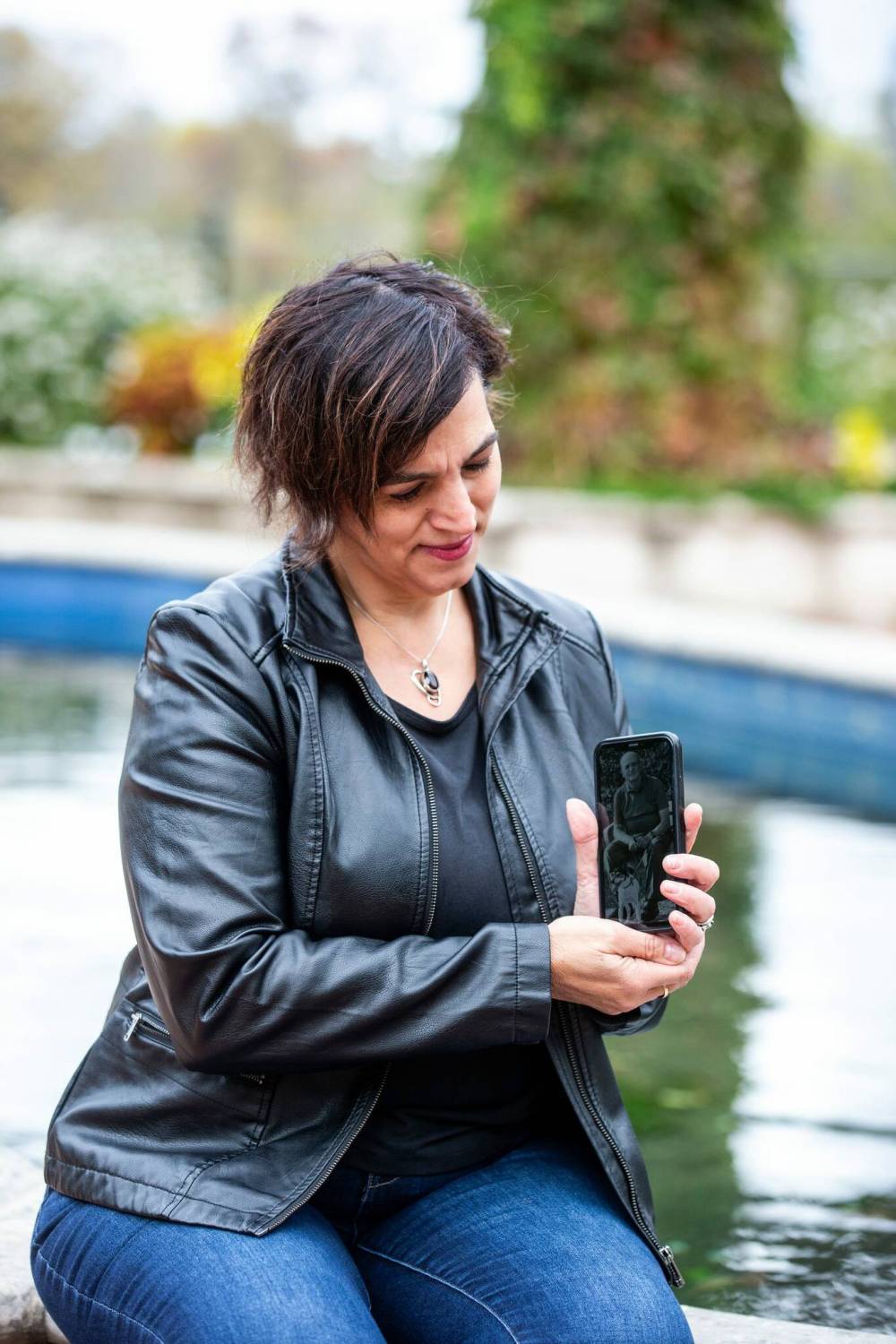
“As a mentor and a teacher, she’s absolutely amazing,” said Rossing about her experience with Leray, with whom she’d taken several courses.
“I trusted and I knew in my heart, my gut, my intuition, that she was and is the right person to support me.”
“She talked about anticipatory grief, when you have a loved one that may be in the dying process,” Rossing said.
“She was extremely supportive, and talked me through concerns, worries and the processing of sadness. She helped me work through the layers of frustration, anger and not being able to be physically there for my father because of COVID.”
Leray helped Rossing advocate for her father and spoke about what it means to keep vigil with someone who is in the process of transitioning and passing away.
“After his passing she also helped me prepare. Michelle was able to support me through that grief, and support my two children through that grief,” Rossing explained.
Communication with Leray was conveniently virtual and Rossing appreciated the fact she was available to her any time she needed.
“I felt like I was able to process my grief in a much healthier way, in comparison to being alone. I joined a free virtual grief group, which was tremendous in the healing process, with Michelle as a guide. We were able to say whatever we needed to say, we were able to safely express ourselves.
“Now we are closer, she always checks in, knows the anniversary, and is always willing to reach out and help support my children.”
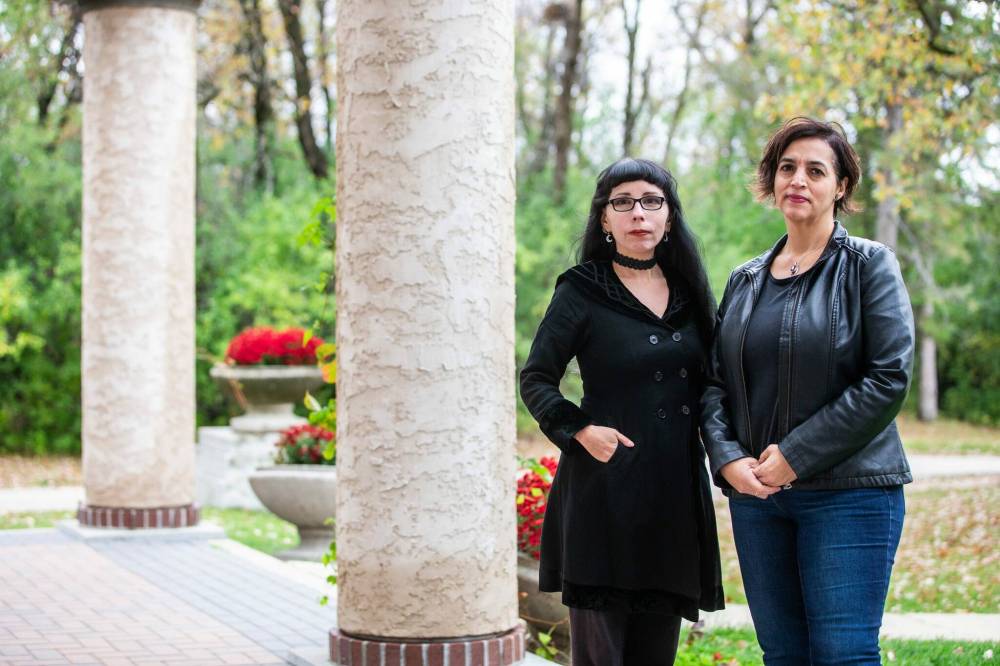
Leray encouraged Rossing’s son to take advantage of Palliative Manitoba’s resources, whose mission is to ease suffering of the dying, bereaved and caregivers through support services, where he attended a free online teen grief group.
“I honestly don’t know what I would do without her support,” she said, adding that end-of-life doula services are all-encompassing.
Rossing has since benefited from Leray’s services for a number of other losses.
“I had a birth doula for my son, and I would say that it was the same thing. It’s an advocate during the time that you really need an advocate to process emotions that might come, from joy to extreme sadness. It allows for death to become a regular conversation, just like birth.
“All of us are born and will eventually pass away. When, where and how — it’s good to know and talk about, and normalize the conversation about death and dying and what it means to be present with someone who is in the process of transitioning, even through sudden tragic loss.
“They’re far enough from you emotionally that they can tell you the truth, yet close enough to provide compassion, grace and understanding and be the voice when you don’t have a voice.”
Death doulas are striving to be that voice and also to normalize discussions surrounding death and dying-related matters, instead of it being something to dread. They provide a wide range of end-of-life services, both to those who’ve received a medical or terminal diagnosis, and to their families and anyone with an interest in planning ahead.
Services can include provision of emotional, spiritual and practical support to individuals and their families before, during and after the dying process, with things such as funeral services and family and grief support. Death doulas can help document one’s values, preferences and stories, and assist with the practical aspects of how and where to die.
With the health-care system suffering from a lack of resources, particularly in social and emotional respects, a death doula can help alleviate the fear and anxiety of those who are dying, and bring comfort and peace to their families while also taking pressure off overworked medical staff.
Currently, death doulas can be hired independently and work as private practitioners in a long-term care facility or palliative environment. The doulas, while not regulated, are gaining in acceptance and would like to become an integral part of the health-care system so everyone can access their services.
Formal training for certification is available and includes programs at educational institutions in several Canadian cities. Less-intensive training can also be accessed through shorter programs and local workshops.
The list of end-of-life resources continues to expand and includes the Home Hospice Association, the End of Life Association of Canada and the Council on Palliative Care.
As a trained death doula with extensive experience working with a number of clients including those who have lost spouses, children and even pets, Michelle Leray is devoted to supporting people who are preparing to die, and also their families. She’s a spiritual medium, Reiki master and a volunteer with Palliative Manitoba. The Métis mother of two is also a traditional Anishinaabe drummer and singer.
“I’ve always been involved in death work, and have always been drawn to helping people who are grieving,” said Leray, who was able to be intuitively present with her grandmother, when she was dying.
“I really wanted to start helping people before that point. People are struggling to come to terms with grief, loss and death. We live in a death-denying society. After the fact, they struggle greatly to understand what’s going on, with a lot of regret, guilt and frustration.”
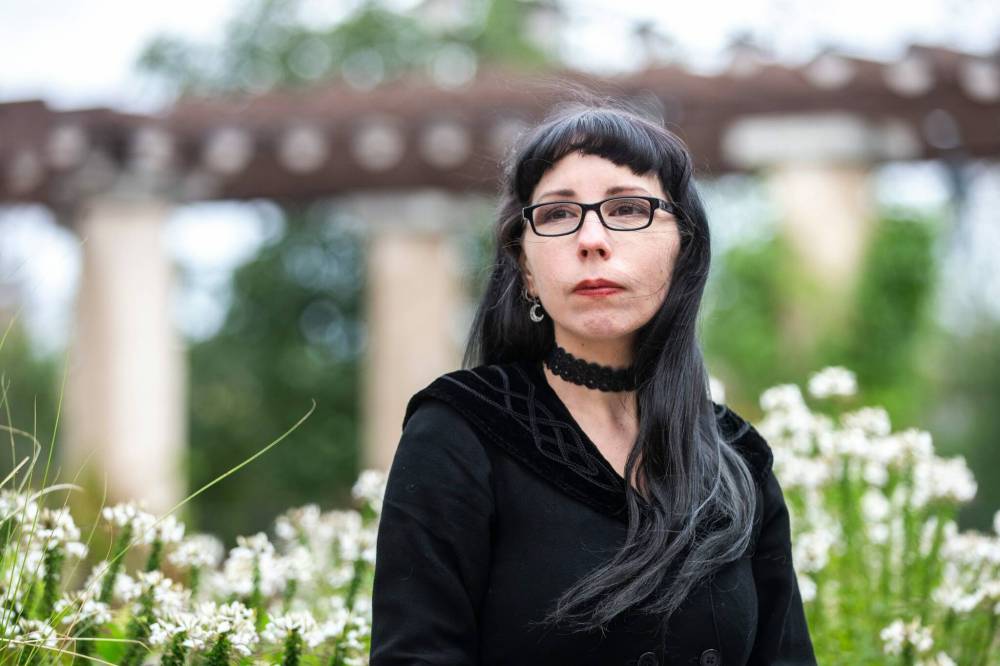
Many of Leray’s clients come to her after noticing a void in the health-care system.
“We are just not that well-known or understood. We are not replacing nurses or funeral directors. Families need direction, support and resources. They feel like they’re navigating in the dark,” she said, intimating that death doulas can provide what’s missing.
“Touching base with families, offering resources, planning vigils, meeting with clients, zoom sessions, information offering, legacy projects — there are things we can do between now and that time,” Leray said, noting there are many ways of providing non-medical comfort, including palliative massage and weekly visits to alleviate the stressful burden on the family.
A death doula can help come up with the kind of ceremony that reflects the client’s wishes and character, whether they include scent, touch or music, whether spiritual or more practical.
“The death doula can be the calm in the room. It alleviates the worry of the unknown,” said Leray, adding that a doula can explain the various phases of the death process before it happens.
Visiting a death café
I didn’t expect to cry. But hearing people’s stories of pain and grief gets me every time. That, and reliving some of my own losses, pushed me over that edge. I chewed furiously on the kale in my power bowl, hoping it would distract me enough to stop weeping.
I attended my very first death café in the warm, colourful and charming Verde Juice Bar, a hub for health, wellness and positivity in the heart of Wolseley.
A death café (whether online or in person) is a casual atmosphere, with food and beverages, in which people gather to discuss death and dying.
I didn’t expect to cry. But hearing people’s stories of pain and grief gets me every time. That, and reliving some of my own losses, pushed me over that edge. I chewed furiously on the kale in my power bowl, hoping it would distract me enough to stop weeping.
I attended my very first death café in the warm, colourful and charming Verde Juice Bar, a hub for health, wellness and positivity in the heart of Wolseley.
A death café (whether online or in person) is a casual atmosphere, with food and beverages, in which people gather to discuss death and dying.
Death cafés are always offered free of charge, with no agenda of leading participants to any conclusion. They are valuable for enabling people to discuss death comfortably and openly, and offer a respectful and confidential space to express views safely. Death cafés are not for bereavement support or grief counselling.
Jon Underwood, who started the death café movement in 2011 in the United Kingdom, believed the world would be a better place if people dealt with their fear of dying. “Life and death are interdependent… The best preparation for death is to have a great life,” he said.
Rena Boroditsky, executive director of the Jewish Burial Society in Winnipeg, played a big part in bringing the death café to Winnipeg and remembers the events as rewarding and valuable.
“People really bare their souls. It was so interesting. It was such an honour to hold that space for people to feel comfortable.”
Though I’ve always had a fascination with death, recently turning 60 has motivated me to learn as much about it as possible — all of it, the before, during and after parts. And it turns out there are many others like me. There were about 20 people in attendance at the event hosted by local death doula Michelle Leray and many of them were eager to share.
Topics covered included green burial, aquamation (water cremation, which is currently legal in a few provinces), creating a death/life book, coping with grief and loss, dealing with a dying person not wanting a funeral or service despite family and friends needing closure, how to sit and spend quality time with the dying, examining the widespread aversion to allowing people to grieve publicly in many western cultures, and why we don’t encourage more conversation about death and dying.
“The freedom and permission to discuss death seemed to allow people to cross a very personal threshold that had been pent up inside them,” said my friend, who attended with me.
I then realized how pent up my own grief has been over so many years, due to the stigma of grieving openly within our society. It’s too often looked upon as a weakness. Yet in many other cultures, people cope better with death, it seems. Wailing is encouraged instead of shamed. Crying is expected rather than hidden away. People come together to grieve, tell stories, eat, drink, celebrate the life lived and cry some more. In the western world, many are driven to grieving in isolation.
Leray sees many people looking for a safe space to talk about death and dying.
“They find others around them are uncomfortable with those discussions or will often change the topic,” she said. “When we avoid a very basic reality such as dying and death, we give it a lot of power over us, and by talking about it freely — sharing our ideas, fears, worries, and concerns — little by little it starts to feel less daunting. People enjoy the connections, as well as hearing other perspectives and stories that help them to learn more about themselves.
“Death cafés give us an opportunity to discuss and share openly about what is often considered a taboo topic.
“They help us to remember to live with meaning, and to live as fully as we can, for as long as we can. They help us to feel less alone when enduring our own challenges with health, caring for ill loved ones, grieving and more.”
To attend a death café with Michelle Leray, register at spiritguidedpath@gmail.com.
A death café in French will be held at St. Boniface Library, facilitated by Stephanie Rouet, on Nov. 18 at 3 p.m. Register at Doulademort@gmail.com.
Currently, clients are solely responsible for payment for services of a death doula and amounts are determined by each individual doula.
“It’s usually based on their level of experience, training and services they are providing, as well as other considerations such as travel time or accommodations when supporting a family that is out of the city,” said Leray, adding that she works on a sliding scale, to keep the services accessible for all people.
Leray is hoping that in time clients will be compensated for accessing her services.
Imminent death doesn’t have to be the only reason people consult a doula.
“You can talk to one anytime. Talk about what needs to be done in terms of advance-care planning and facilitating difficult conversations with family.
“Death work is so humbling, it’s an honour to walk beside someone who wants that kind of support. It’s a different focus, different energy, to be present, not to be dismissive.”
Not long ago, dying at home was common. Death doulas are bringing it back to family and community and making them feel closer to the experience.
“I’ve seen the aftermath of what it looks like when navigating on their own, so filled with what-ifs, they can’t be present to mourn properly.
“I want to help people live fully, feel more empowered, appreciate every moment with their loved ones, so when the time comes, they’re not bogged down with decisions.”
Stephanie Rouet is a mother of two, and a social worker in a long-term care home, with a special interest in hospice and end-of-life. Rouet, originally from France, has lived in five different countries and recently finished certification as a death doula.
“We don’t do death really well in our society and I wanted to help my workplace with more enlightened policies,” she said, expressing her goal of bringing humanity back to the dying process for families.
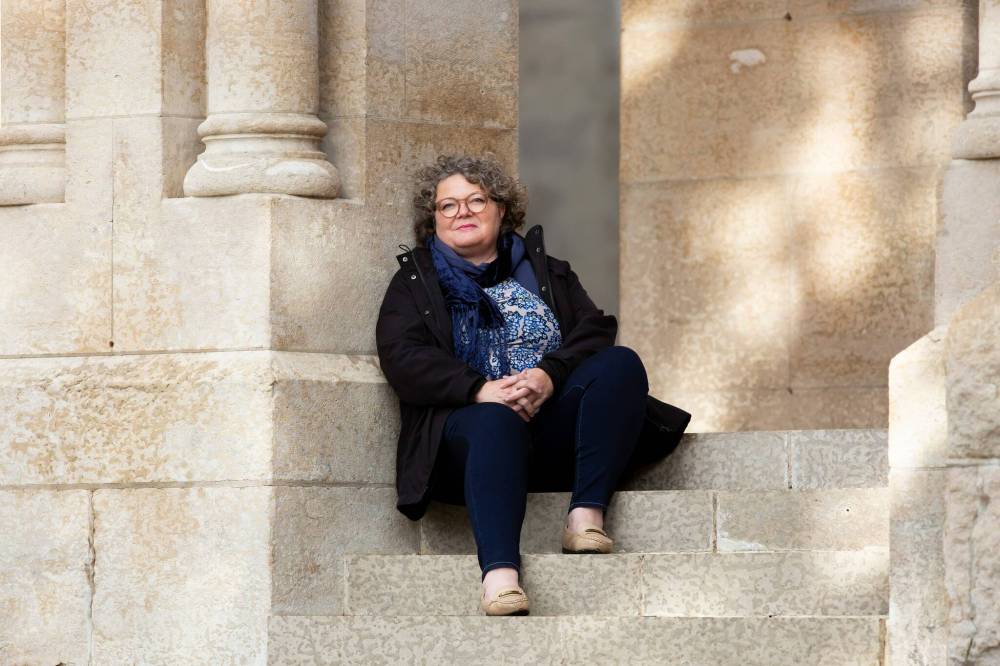
Being in contact with dementia patients and their families in a long-term care residential setting means Rouet sees the hardship not only of various health conditions, but in the struggles people have with facing death.
“One man’s fear, in particular, appeared to me of an existential nature: he kept asking ‘Is this where I die?’ Although people have profound dementia they still have a lot of existential questions and anguish,” said Rouet, whose mother in France lives with Alzheimer’s disease.
“I also noticed how many families have little (in the way of) conversations and readiness when it comes to the topic of death. My parents were nurses and my mom worked in cancer care, so even as a youth I was prepared for the conversations about dying.”
While living in England, Rouet witnessed many creative approaches to death and dementia.
“Death doulas have a motto that says ‘talking about death never killed anyone.’ I wanted to develop more understanding, to create some tools, talk about it and open up that box,” she said, noting the majority of people prefer to die at home rather than in institutional settings.
Death planning involves a range of considerations, from legal aspects, to the funeral, the vigil, and a host of other details.
“People die the way they live. It’s a very sacred moment. On the other side of the veil, there’s grief and bereavement. This is so vast that at the end of the day you have to bring it back to that one person, it’s about them,” said Rouet, who was motivated to deinstitutionalize death after seeing families running back and forth between funeral homes and other appointments instead of being with their loved one.
“You don’t work with a death doula unless you’ve accepted your imminent death. I wish people would be more ready, especially for their loved ones, because it comes as a shock.
“We are not accepting that we are not made of infinite and durable material. By accepting it, it brings back that amazing sacred moment. There can be grace.”
Emile Verrier has worked as a carpenter most of his life. He’s also one of three end-of-life doulas with The Good Bye, a collaboration of doulas offering varied services.
“If you can talk about death, you tend to live differently,” Verrier says.
“What would you do if you were to die in a week’s time? How would your life look? You start to live with a different vision, living your life knowing that there is going to be an end date.”
While doing some work for a client living with spinal atrophy and diagnosed with stage 4 cancer, Verrier found himself stepping in to help out with funeral arrangements.
“I had the privilege of helping him shop around and find what worked best for him. I learned a lot through helping him,” he said, explaining that the client’s spouse wasn’t ready for making end-of-life decisions.
“When you’re emotionally charged like that it’s good to have a buffer. I want to be that buffer for them. Every doula is different. It’s important to find the one that’s right for you.”
The experience highlighted the often overwhelming tasks and considerations for family members of the dying: things like costs, burial location, a headstone, marker or nothing.
As a new death doula, Verrier offers to sit with people as a support person, so family members have respite. He also provides practical assistance with the multitude of tasks related to funeral preparations.
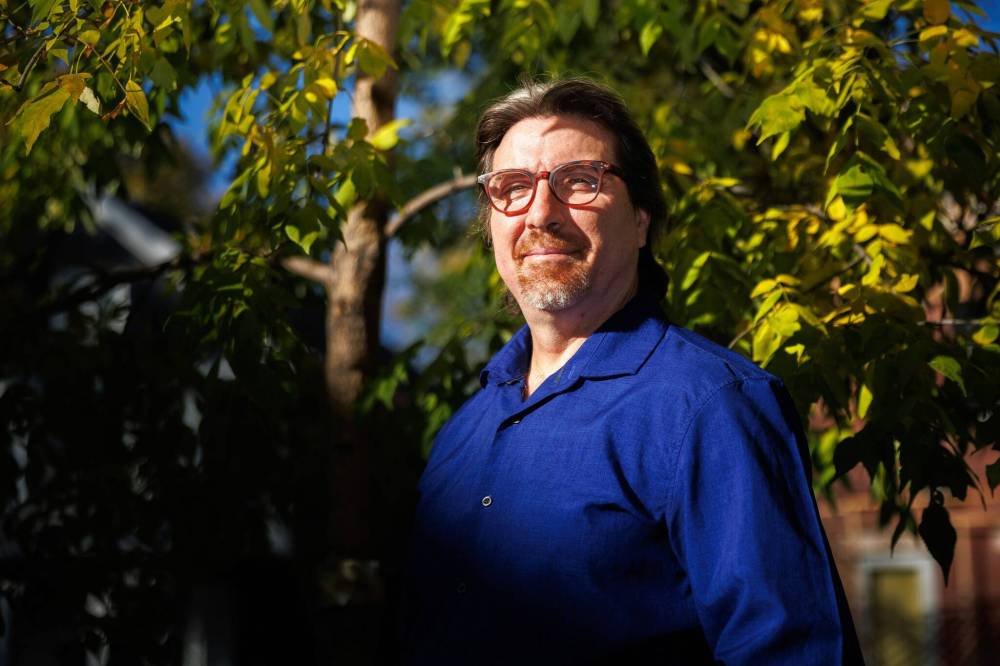
Verrier would like to see the dying have more one-on-one care, noting the significant resource shortages in hospitals. He envisions places and programs that would place the focus entirely on the dying person.
“When death is imminent, past any medical point… why not allow people to experience death in a home setting, being cared for, pampered and loved?”
Finding wide-ranging activities to make dying days more purposeful is important, according to Verrier. Legacy projects can involve creating a scrapbook of favourite photos and keepsakes, a cookbook of favourite family recipes, or even a construction project.
“If grandma is passing and had all the best recipes, you can do one last recipe with the children and grandchildren,” Verrier says. “If grandpa was a carpenter, together you can make a project with son and grandson.
“We celebrate people coming to life. Why not celebrate the privilege of having known someone while they are still alive? When they are gone it’s too late.
“When you leave this world, the imprint comes with all the lives that you’ve touched, everyone you’ve met. We are afraid of knowing whether we’ve done enough. Why not start legacy projects that show how much the people are loved… to help heal some of the scars and the wounds, receive or give forgiveness while still alive?” asks Verrier.
For more information about the services of death doulas, visit: thespiritguidedpath.com, doulademort.wordpress.com, and The Good Bye on Facebook.