Microbial legacy of Group of Seven Double exhibition zooms in on the tools and trees employed by influential Canadian art group
Read this article for free:
or
Already have an account? Log in here »
To continue reading, please subscribe:

Digital Subscription
One year of digital access for only $205*
- Enjoy unlimited reading on winnipegfreepress.com
- Read the E-Edition, our digital replica newspaper
- Access News Break, our award-winning app
- Play interactive puzzles
*First annual payment billed as $205.00 + GST for one year. This annual subscription will automatically renew at $233.00 + GST every 52 weeks (10% off the regular annual price of $259.35). Offer available to new and qualified returning subscribers only. Cancel any time.
To continue reading, please subscribe:
Add Free Press access to your Brandon Sun subscription for only an additional
$1 for the first 4 weeks*
- Enjoy unlimited reading on winnipegfreepress.com
- Read the E-Edition, our digital replica newspaper
- Access News Break, our award-winning app
- Play interactive puzzles
*Your next Brandon Sun subscription payment will increase by $1.00 and you will be charged $17.95 plus GST for four weeks. After four weeks, your payment will increase to $24.95 plus GST every four weeks.
Read unlimited articles for free today:
or
Already have an account? Log in here »
Hey there, time traveller!
This article was published 12/03/2025 (568 days ago), so information in it may no longer be current.
The landscape painters Tom Thomson and the Group of Seven were concerned with subjects grand in scale. Towering stands of trees, vast shimmering lakes, snow-capped mountains. Canada itself.
Toronto interdisciplinary artist Jon Sasaki is much more concerned with the micro landscapes we don’t see.
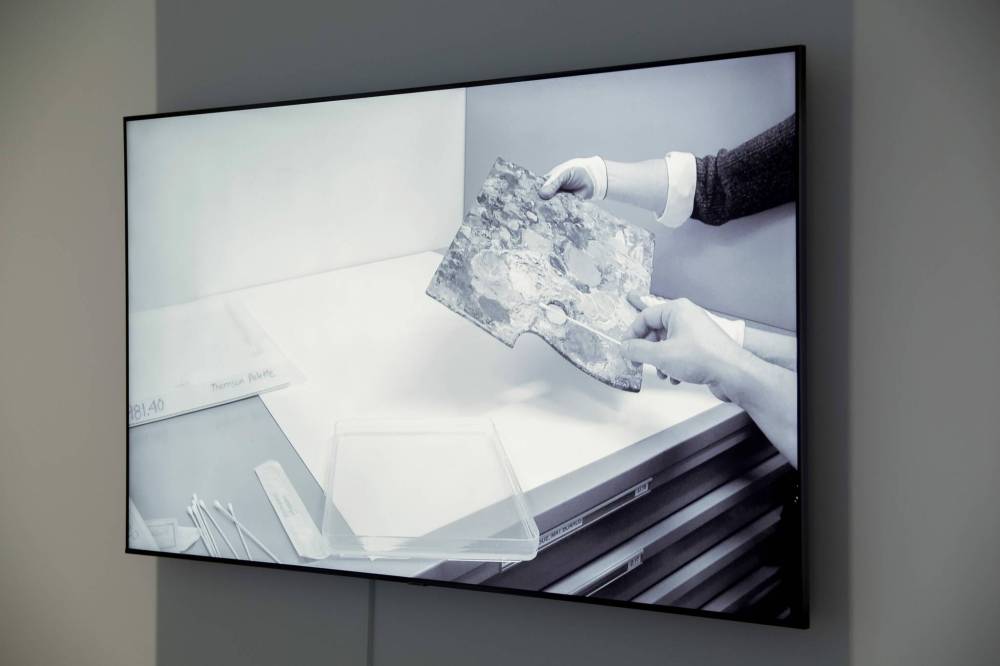
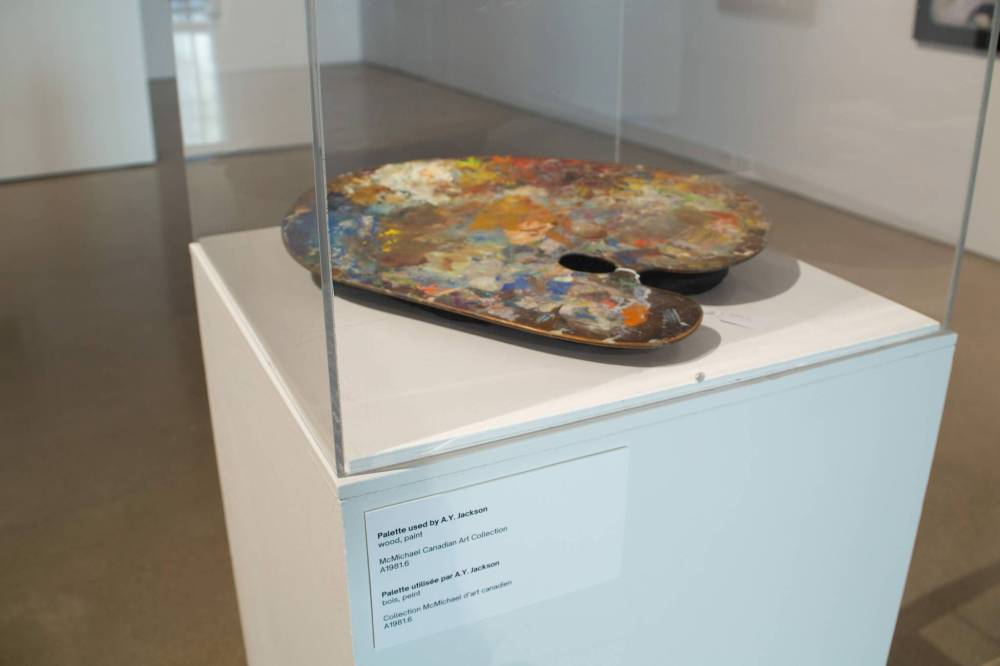
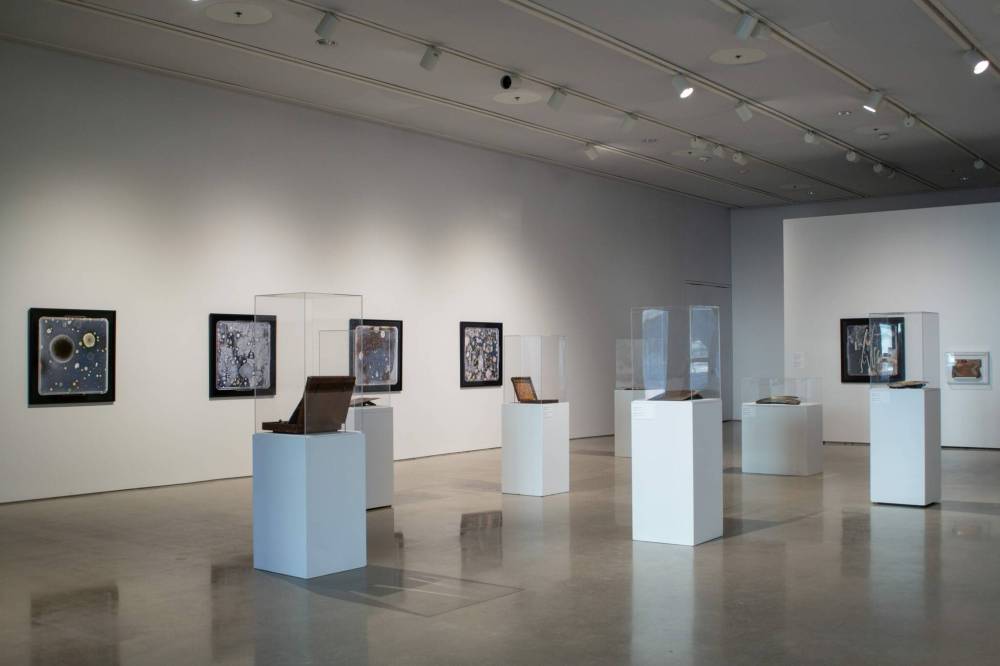
For Homage, on view now at the University of Manitoba’s School of Art Gallery, Sasaki swabbed the palettes and brushes used by Thomson and members of the Group of Seven — objects belonging to the McMichael Canadian Art Collection archives — and allowed the microbial cultures to bloom in petri dishes. He then photographed the results and blew them up.
If you didn’t know what you were looking at, you might think these are aerial landscape photos. The microbial blooms call to mind thawing rivers, snowy tundra plains and, perhaps because of this time of year, the frozen tableaus created by sticks, pine cones, leaves and road salt trapped under the ice on the sidewalk.
Sasaki did a lot of landscape painting as an art student in New Brunswick. But when he found himself working in downtown Toronto after art school, he felt disconnected from nature.
“I was just feeling so far away from these incredible places that the Group of Seven painted, like Algonquin Park or the north shore of Lake Superior; they were just totally inaccessible to me,” he says.
But nature, he realized, is everywhere — “it’s just not always a wind-swept pine tree on a little island in Georgian Bay,” he says.
In fact, it might be under your fingernails. Or in a layer of dust on an old book.
“It’s viruses, it’s mould, it’s fungus and it’s bacteria…It’s all over the place and it’s every bit as impactful, I think, as seeing a hillside of trees.”–Jon Sasaki
“It’s viruses, it’s mould, it’s fungus and it’s bacteria,” he says. “It’s the cold that you catch from someone on the subway. It’s all over the place and it’s every bit as impactful, I think, as seeing a hillside of trees.
“It affects us in profound ways, as we found during the pandemic of course — here’s this invisible microbe that profoundly changed not just life in Canada, but throughout the world.”
Allowing the microbes to bloom was an exciting process, Sasaki says, but it was also an exercise in relinquishing control. Other than deciding how each slide should be oriented and doing some minor colour-correction to the photos in Photoshop, he had no control over the outcome.
“It really was these little entities doing their own thing. As they were taking shape in these petri dishes over the course of four or five days, I was really struck by how much diversity there was. You could have this little ecosystem coexisting beautifully in this little 10-by-10-inch square.
“And it wasn’t lost on me that that might have something to say about Canada, too, this ideal model of coexistence.”

Kristiane Church / School of Art Gallery, University of Manitoba
I Contain Multitudes draws from the work of Group of Seven artist and former School of Art director Lionel LeMoine FitzGerald.
On view alongside Homage, which originally opened at the McMichael Canadian Art Collection in 2021, is I Contain Multitudes, a new commission by the School of Art Gallery. Curated by Blair Fornwald, the exhibition focuses on the work of Group of Seven artist and former School of Art director Lionel LeMoine FitzGerald.
“I was really struck by how he had this really fascinating way of conflating the tree forms with the human body, so they look a lot like life drawings,” Sasaki says.
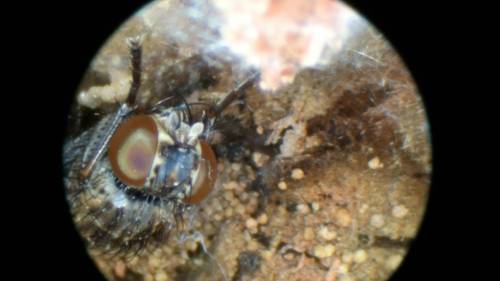
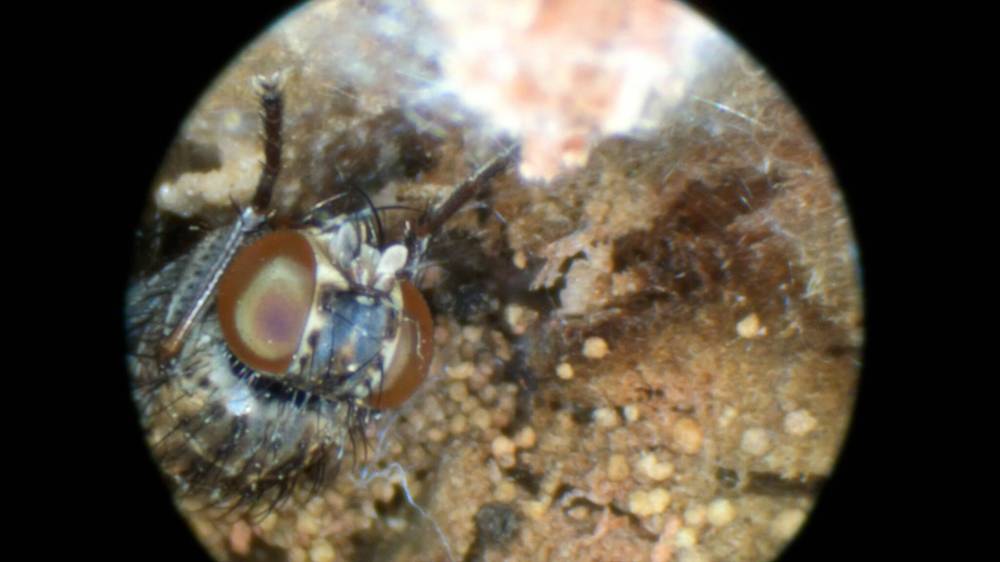
Sasaki leaned into that idea, exploring trees in locations FitzGerald would have painted using the tools a surgeon might use to probe the human body. Using an endoscopic camera, Sasaki created a series of videos that document the interior worlds of trees at FitzGerald’s former Winnipeg residence, the U of M campus and local parks, as well as driftwood found on the beach near the FitzGerald family cottage on Bowen Island, B.C.
Again, Sasaki had to trust the process, but was thrilled by what he found.

“There were these little micro ecosystems that had their own thing going on. There were strange mosses and little insects doing their own thing,” he says, noting many of the videos were shot in the wintertime. “I was fascinated by this disparity between the outside appearance of being shut down and what was going on inside.”
“I was fascinated by this disparity between the outside appearance of being shut down and what was going on inside.”–Jon Sasaki
Are these the same trees FitzGerald laid eyes on? Do the tools of the Group of Seven still bear their skin cells?
It’s a bit of a thought exercise, Sasaki says. Trees die and get cut down; the palettes and brushes, some of which are a century old, have been under the care of conservators.
“It’s equally likely that the microbes are just from this community of people that have cared for these objects and this history,” Sasaki says. “So it’s kind of like a group portrait as well.”
jen.zoratti@winnipegfreepress.com
Jon Sasaki/Clint Roenisch Gallery
Jon Sasaki employs endoscopic video, colour and sound in I Contain Multitudes.

Kristiane Church / School of Art Gallery, University of Manitoba
Jon Sasaki, Microbes Swabbed from a Palette Used by Lawren Harris.

Kristiane Church / School of Art Gallery, University of Manitoba
The palette used by F.H. Varley was one of the sources for the microbial cultures on display in Homage.
Kristiane Church / School of Art Gallery, University of Manitoba
Jon Sasaki, assisted in this video by Alison Douglas in 2020 at the McMichael, swabbed tools used by members of the Group of Seven and Tom Thomson, who died before the group formed.
Kristiane Church / School of Art Gallery, University of Manitoba
Homage also includes the palette used by A.Y. Jackson and swabbed by Jon Sasaki.
Kristiane Church / School of Art Gallery, University of Manitoba
Feeling disconnected from the outdoors, Jon Sasaki began looking at the smaller, microbial manifestations of nature.
Art preview
Jon Sasaki:
Homage/I Contain Multitudes
● School of Art Gallery, University of Manitoba, 180 Dafoe Rd. W.
● Monday-Friday, 9 a.m. to 5 p.m., or by appointment
● To April 26

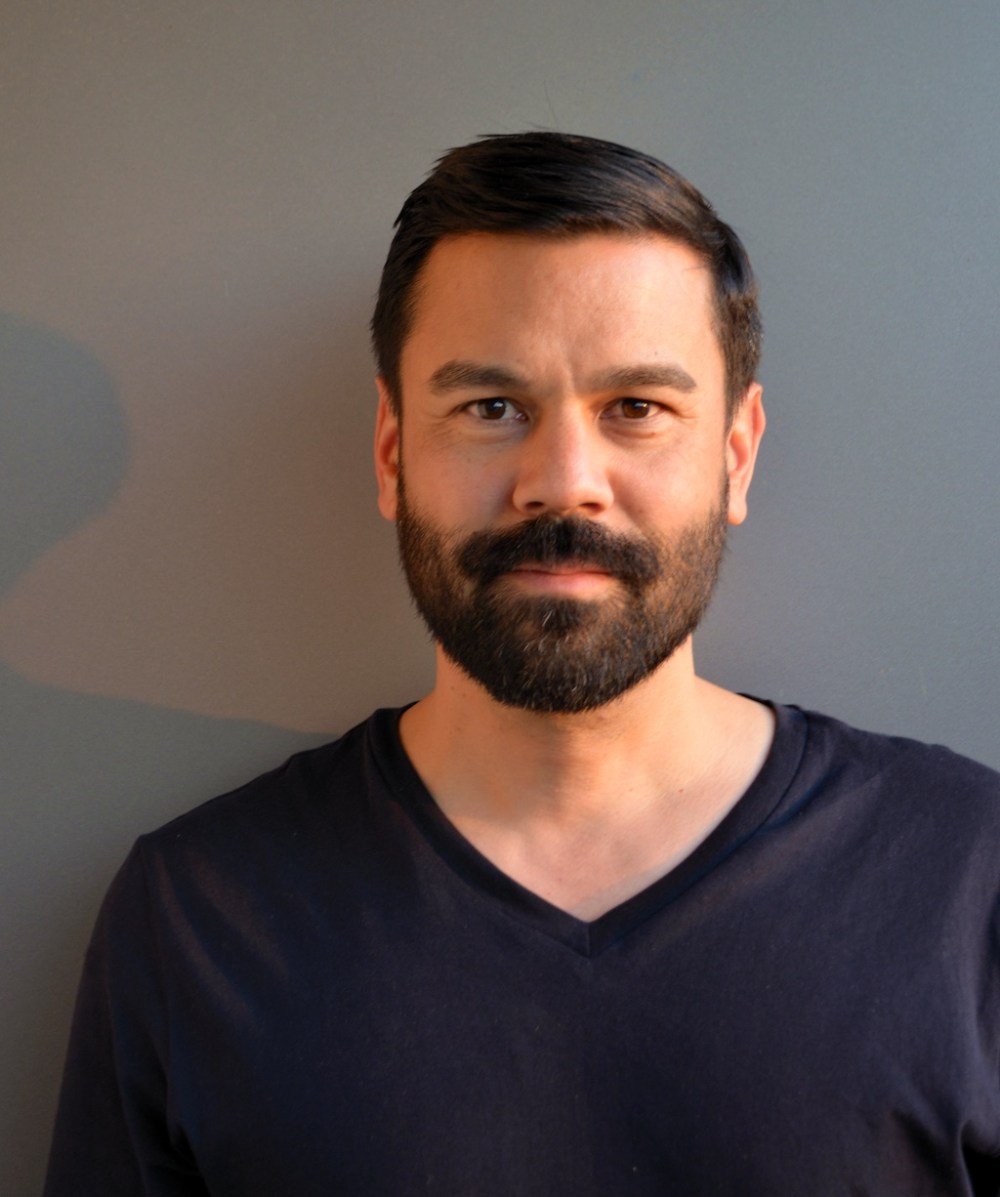
Jen Zoratti is a columnist and feature writer working in the Arts & Life department, as well as the author of the weekly newsletter NEXT. A National Newspaper Award finalist for arts and entertainment writing, Jen is a graduate of the Creative Communications program at RRC Polytech and was a music writer before joining the Free Press in 2013. Read more about Jen.
Every piece of reporting Jen produces is reviewed by an editing team before it is posted online or published in print – part of the Free Press‘s tradition, since 1872, of producing reliable independent journalism. Read more about Free Press’s history and mandate, and learn how our newsroom operates.
Our newsroom depends on a growing audience of readers to power our journalism. If you are not a paid reader, please consider becoming a subscriber.
Our newsroom depends on its audience of readers to power our journalism. Thank you for your support.