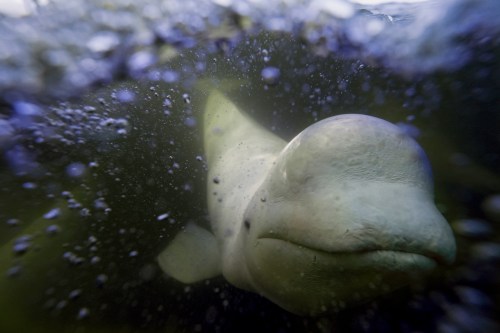
Pointing a truer lens on nature Animal Nation includes rural and Indigenous people in its portraits of Prairie and northern animals
Read this article for free:
or
Already have an account? Log in here »
To continue reading, please subscribe:

Digital Subscription
One year of digital access for only $205*
- Enjoy unlimited reading on winnipegfreepress.com
- Read the E-Edition, our digital replica newspaper
- Access News Break, our award-winning app
- Play interactive puzzles
*First annual payment billed as $205.00 + GST for one year. This annual subscription will automatically renew at $233.00 + GST every 52 weeks (10% off the regular annual price of $259.35). Offer available to new and qualified returning subscribers only. Cancel any time.
To continue reading, please subscribe:
Add Free Press access to your Brandon Sun subscription for only an additional
$1 for the first 4 weeks*
- Enjoy unlimited reading on winnipegfreepress.com
- Read the E-Edition, our digital replica newspaper
- Access News Break, our award-winning app
- Play interactive puzzles
*Your next Brandon Sun subscription payment will increase by $1.00 and you will be charged $17.95 plus GST for four weeks. After four weeks, your payment will increase to $24.95 plus GST every four weeks.
Read unlimited articles for free today:
or
Already have an account? Log in here »
Hey there, time traveller!
This article was published 02/01/2026 (257 days ago), so information in it may no longer be current.
At first glance, Winnipeg-born producer Jesse Bochner’s seven-part series Animal Nation brings to mind docu-series such as Wild America, Planet Earth and Nature.
Much of its trailer is a slow-mo montage of caribou and bison galloping majestically through Prairie and Arctic landscapes. Interspersed are shots of northern predators such as wolves and bears, suggesting a Canada-centric take on the genre and its exciting, poignant nature dramas.
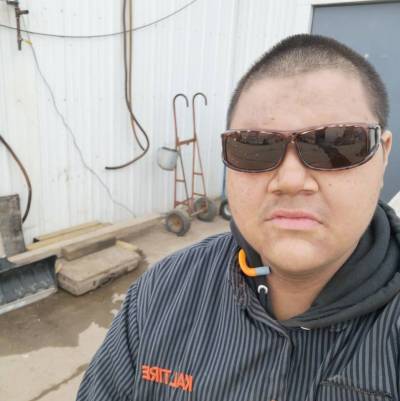
Then there are the figures glaringly absent from many other northern wildlife series: the rural and Indigenous people who live closest to these creatures, as they have traditionally for millennia.
“I’ve always loved nature documentaries, so getting to make a nature documentary about animals and all the beauty and wonderful stuff that you come to expect from a blue-chip type of documentary is in there,” says Bochner, who is Ojibwa.
“But at the same time, being an Indigenous person and filmmaker, (I know) a lot of voices are sort of left out of the conversation.”
APTN The seven-episode series Animal Nation is narrated by Canadian actor Tantoo Cardinal.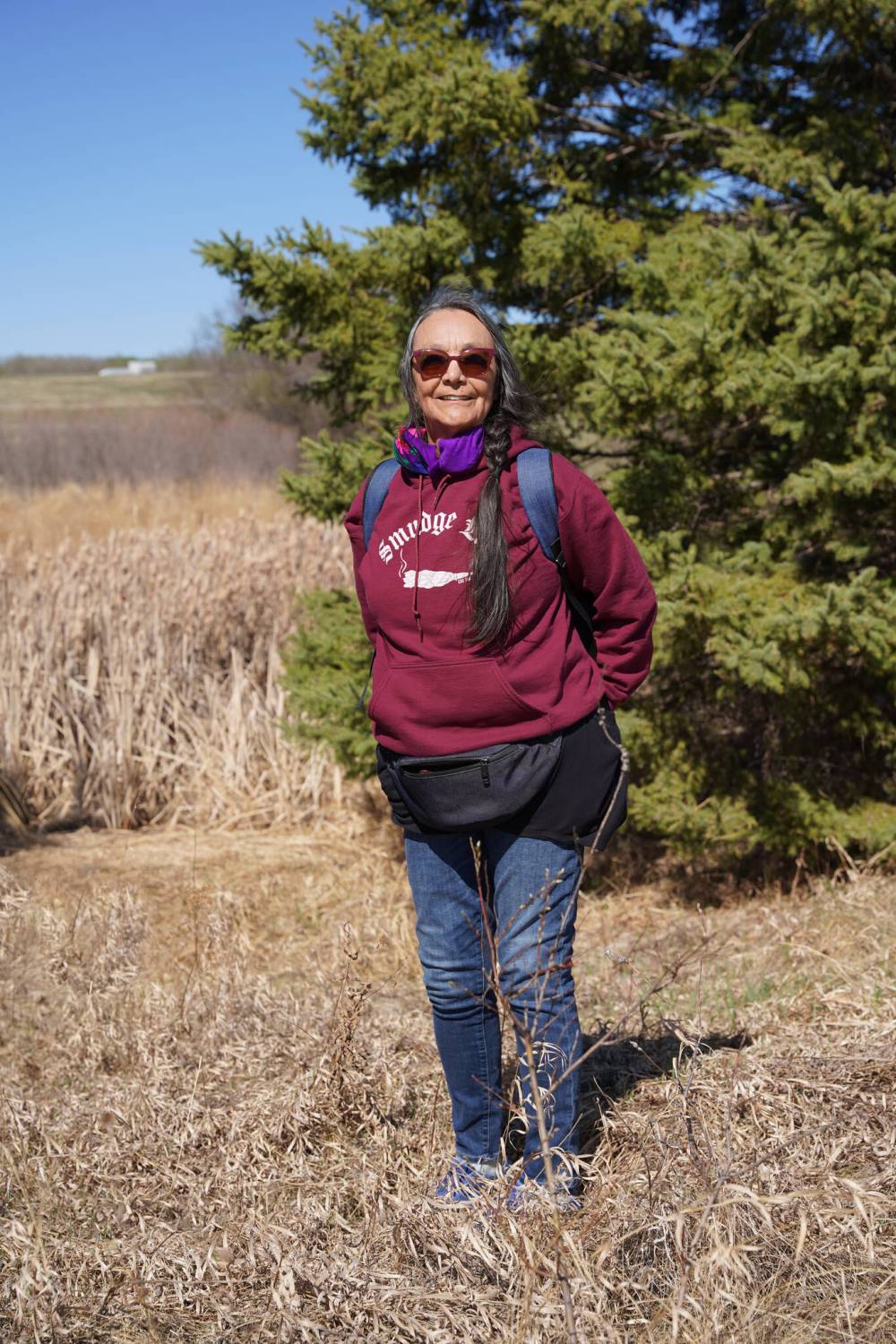
The series, premièring on APTN Thursday, Jan. 8, is narrated by Indigenous Canadian actor Tantoo Cardinal (Dances with Wolves, Killers of the Flower Moon). Each of the seven episodes explores one creature (bear, eagle, bison, salmon, caribou, beaver, wolf), its associated habitats and the communities that steward these environments.
We encounter caribou and the Tłicho researchers and Innu youth that protect them in MacKay Lake, N.W.T., and Pessamit, Que.; bald-headed eagles and the ecologists from British Columbia to Prince Edward Island who tag them; salmon and the Indigenous communities of Labrador who protect these animals through monitoring, rearing and release.
“I’m a city guy, so to find myself literally knee-deep in giant salmon bumping against my legs, swimming, doing their spawning thing … It’s like, holy smokes, this is incredible. This has got to be more than just a bunch of silly fish in the water,” says Bochner, who lives and works in Montreal.
APTN Jesse Bochner’s Animal Nation is a Canada-centric take on the nature-documentary genre and its exciting, poignant dramas.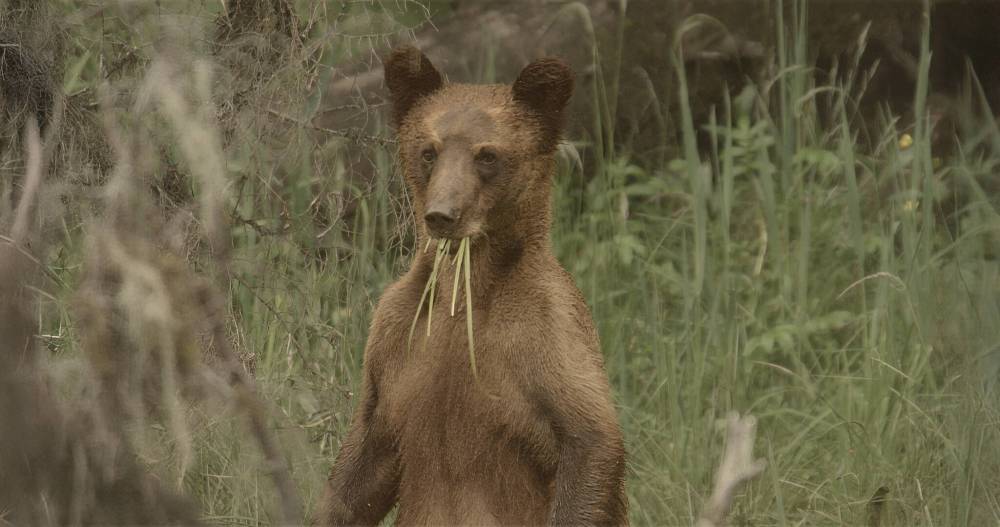
Along with producing the series, Bochner helped direct four episodes, working with creatives and crews that varied somewhat from episode to episode.
When you’re travelling from the tops of mountains to the bottoms of lakes, Yukon to Prince Edward Island, it takes a sizable team.
“It’s fun to hang out on a boat trying to film fish, or clamber through the woods to go find petroglyphs up the side of a mountain, but you also want people that are willing to be cold and wet and slogging through the woods and being uncomfortable and slimy and muddy all the time,” he says.
APTN Each of the seven episodes explores one creature — bear, eagle, bison, salmon, caribou, beaver and wolf.
These weren’t the only challenges that vast distances between locations created. Indigenous spirituality encompasses diverse interpretations of animals and nature, depending on region and community, and Bochner says the filmmakers had to stay mindful of this.
One of their hopes was to shed more light on what Bochner calls “suppressed knowledge” surrounding the natural world, marginalized because it’s “not hard science.”
APTN Animal Nation corrects the glaring absence in many nature documentaries of the rural and Indigenous people who live closest to these creatures.
Animal Nation’s perspective isn’t anti-science or culturally relativist, however. Bochner says wherever the filmmakers visited, a unifying point of concern was climate change — something, he notes, is felt with special urgency by those who derive their livelihood from the land.
Bochner says this theme weaves throughout the series without being heavy-handed.
“It’s a huge disaster, but we don’t want to sort of wallow in the doom of it because there are so many incredible people doing so many wonderful things,” he says.
“It’s so much easier to open your arms to the positivity of all these amazing, amazing people and wonderful communities and seeing the immediacy of their connection to it.”
winnipegfreepress.com/conradsweatman

Conrad Sweatman is an arts reporter and feature writer. Before joining the Free Press full-time in 2024, he worked in the U.K. and Canadian cultural sectors and freelanced for outlets including The Walrus, VICE and Prairie Fire. Read more about Conrad.
Our newsroom depends on a growing audience of readers to power our journalism. If you are not a paid reader, please consider becoming a subscriber.
Our newsroom depends on its audience of readers to power our journalism. Thank you for your support.
History
Updated on Friday, January 2, 2026 9:37 AM CST: Adds video, rearranges images
Updated on Friday, January 2, 2026 9:40 AM CST: Re-formats layout