Legendary lensman Community-minded pioneer and photographer Billy Beal documented life in the Swan River Valley at the turn of the 20th century
Read this article for free:
or
Already have an account? Log in here »
To continue reading, please subscribe:

Digital Subscription
One year of digital access for only $205*
- Enjoy unlimited reading on winnipegfreepress.com
- Read the E-Edition, our digital replica newspaper
- Access News Break, our award-winning app
- Play interactive puzzles
*First annual payment billed as $205.00 + GST for one year. This annual subscription will automatically renew at $233.00 + GST every 52 weeks (10% off the regular annual price of $259.35). Offer available to new and qualified returning subscribers only. Cancel any time.
To continue reading, please subscribe:
Add Free Press access to your Brandon Sun subscription for only an additional
$1 for the first 4 weeks*
- Enjoy unlimited reading on winnipegfreepress.com
- Read the E-Edition, our digital replica newspaper
- Access News Break, our award-winning app
- Play interactive puzzles
*Your next Brandon Sun subscription payment will increase by $1.00 and you will be charged $17.95 plus GST for four weeks. After four weeks, your payment will increase to $24.95 plus GST every four weeks.
Read unlimited articles for free today:
or
Already have an account? Log in here »
Hey there, time traveller!
This article was published 23/02/2024 (952 days ago), so information in it may no longer be current.
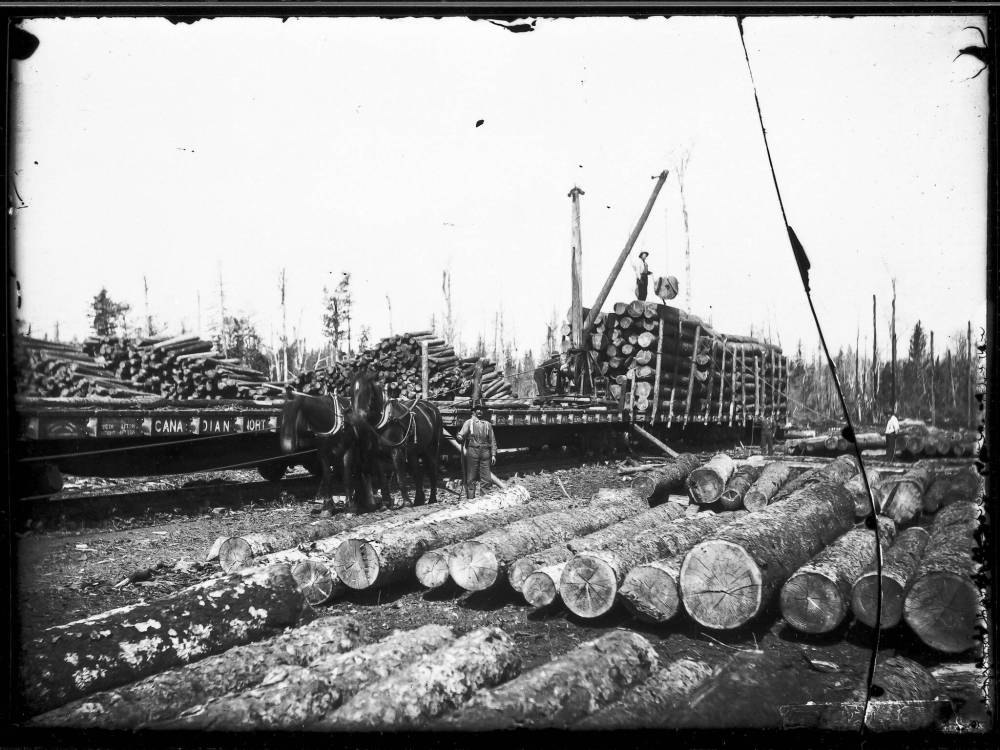
There’s something unmistakably legendary about Billy Beal to those living in the forestry and agricultural communities of Manitoba’s Swan River Valley.
He was something of a renaissance man: an engineer by trade, but in the everyday struggle of homesteading in Manitoba’s northwest, he moonlighted as a doctor’s assistant, mechanic, astronomer, carpenter, librarian and school district representative.
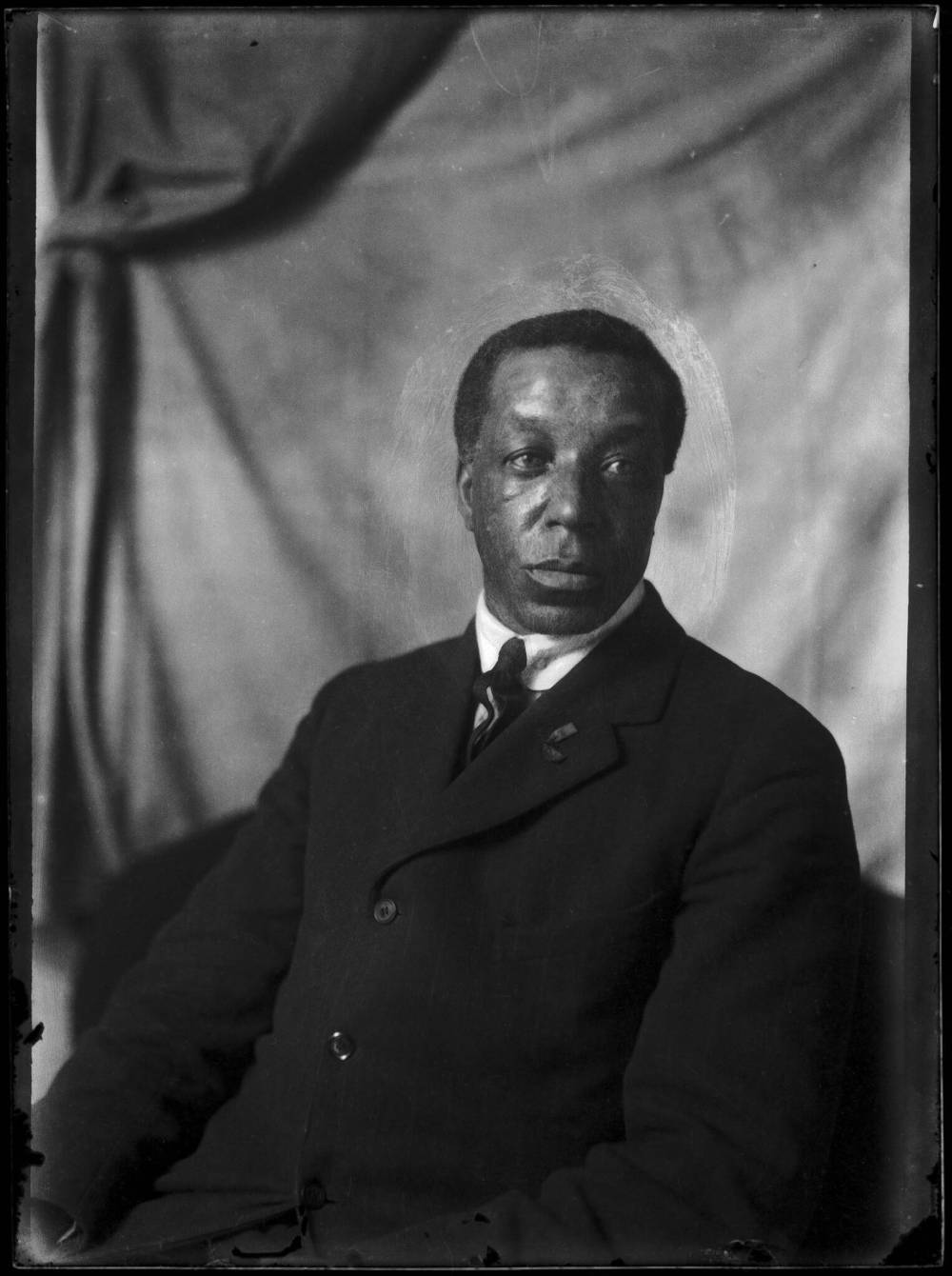
Just about everyone in Swan River remembers a story about Beal — or knows someone who does.
“His sense of community was just so strong,” says Robert Barrow, photographer and co-author of the biography Billy: The Life and Photographs of William S.A. Beal, during a phone call from Swan River, about 500 kilometres northwest of Winnipeg. “Almost everything of purpose he did was for his community.”
Beal was among the first documented Black settlers in the province — and the first to settle the Swan River Valley.
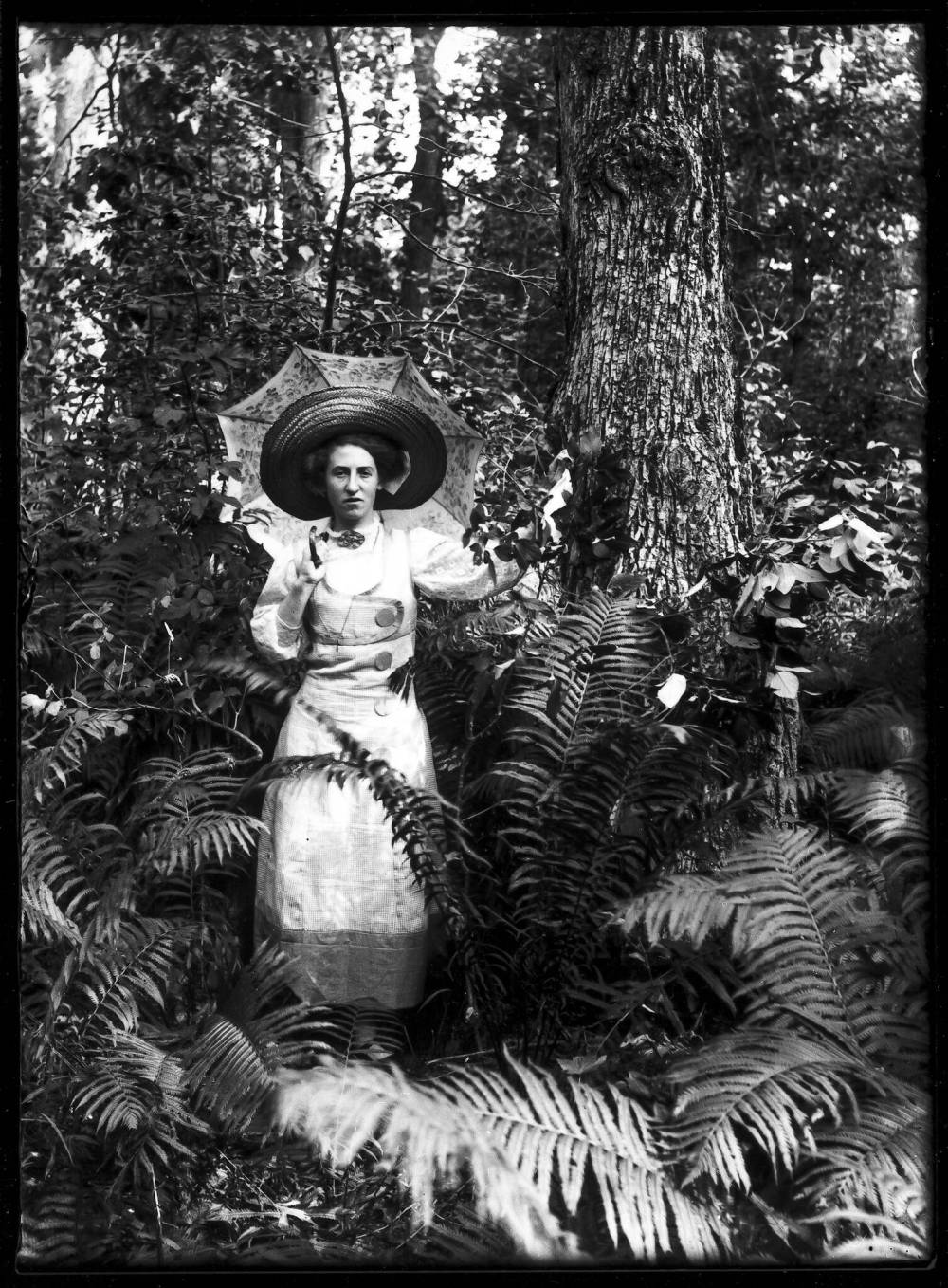
As an avid reader and amateur photographer, Beal documented life in his Manitoba town at the turn of the 20th century.
With photographs and a handwritten memoir, Beal captured an intimate portrait of life on the rapidly changing Prairies, documenting the early influences of industry, immigration and western expansion.
William S.A. Beal, the son of a bookseller, was born in Chelsea, Mass., in 1874 and educated in Minneapolis.
But not much is known about his life until he arrived in Manitoba.
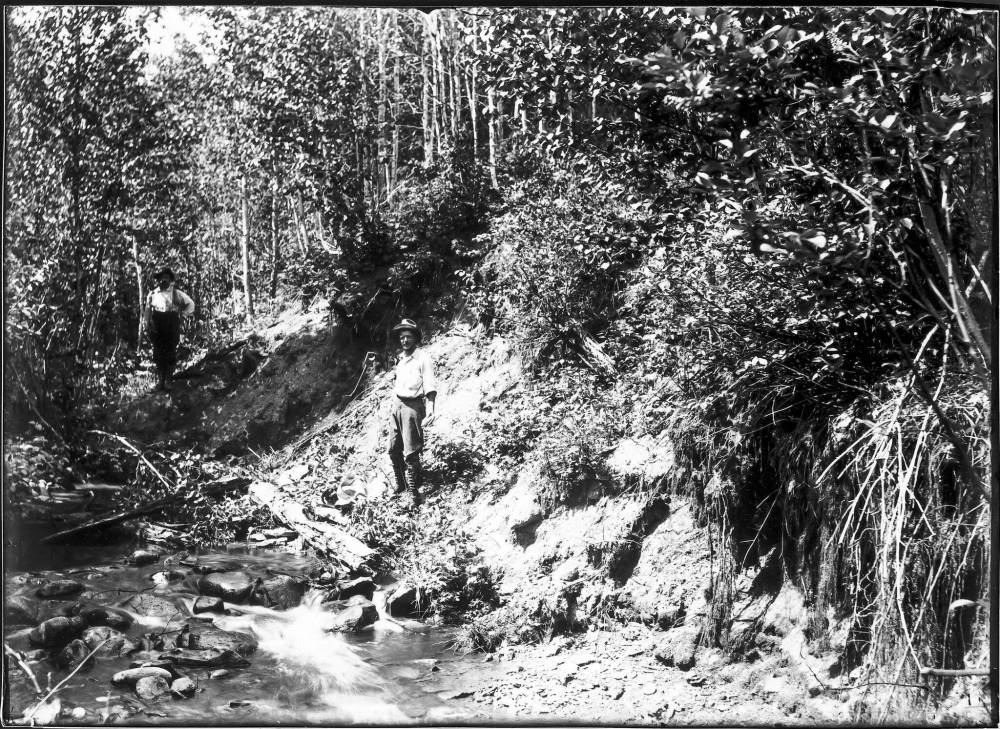
At the turn of the 20th century, Canada launched an aggressive campaign to draw American and European farmers (deemed “desirable” immigrants) to the Canadian West. Farmers were offered a promising deal: the government would grant 160-acre homesteads for a nominal $10 fee, so long as farmers cleared and cultivated 15 acres within three years.
As a result, the Prairie population grew by over a million people between 1896 and 1905.
“It was not then even included in the municipality and I was the first one to locate there. It was very discouraging looking then, all heavy bush or rather dense trees like a forest.”– From Billy Beal’s memoir
The Swan River Valley had been home to Cree and Anishnaabe for generations, and already had a storied history as a contentious fur-trading hub when the immigration policy brought waves of Icelandic, American and European farmers to its dense woods.
Beal was by no means the only Black person to settle the Prairies — Black communities emerged in Amber Valley, Alta., and Eldon, Sask. — but he was the first to make a home in Swan River.
It would become clear Black immigrants didn’t fit the government’s “desirable” settler definition and it instituted several unofficial policies of deterrence before attempting to formally ban Black immigration to Canada in 1911.
Beal built a career at the Minnesota sawmills — many of which provided lumber to Manitoba settlements. By the early 1900s, however, the northern states had nearly exhausted their supply of good spruce, and had begun turning to Canadian forests for their harvests.
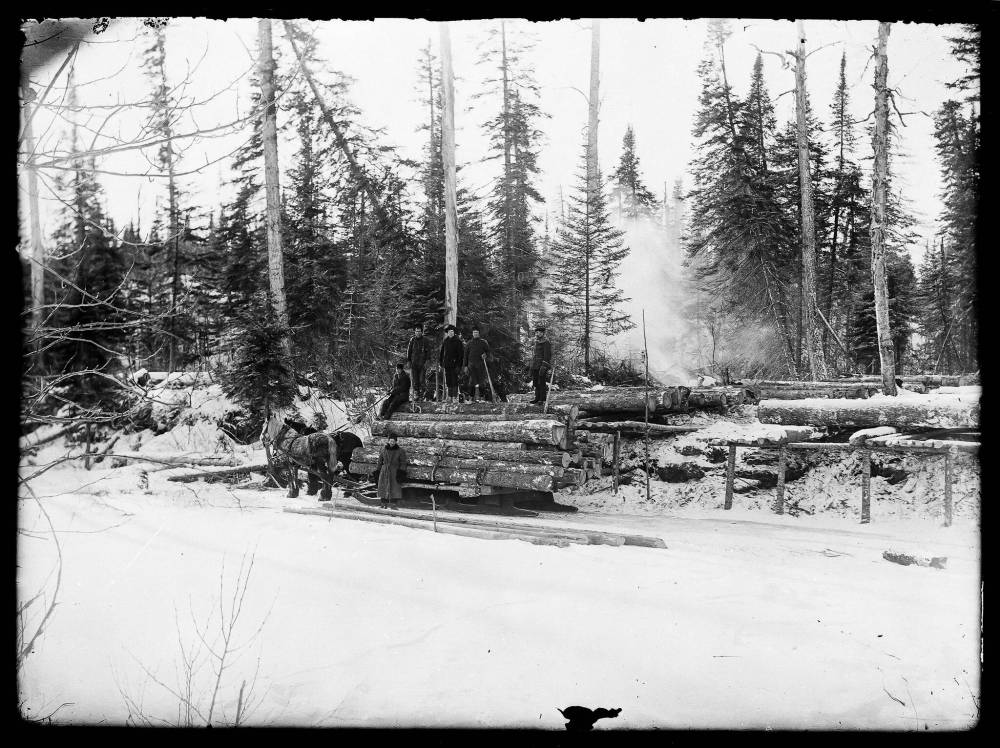
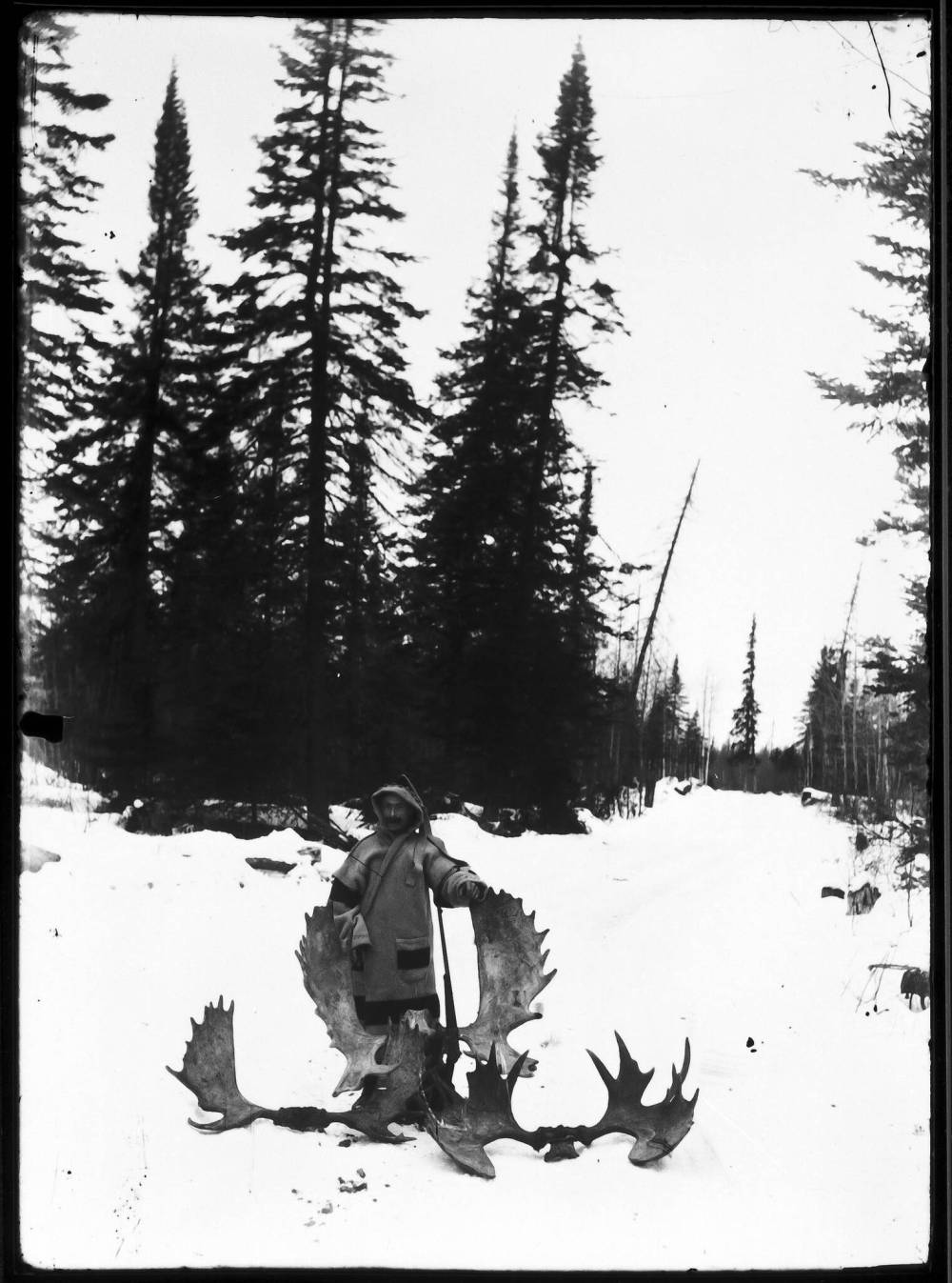
The Duck Mountain region was home to much of Manitoba’s old-growth forest. Though the old-growth trees have long been depleted, it remains one of few regions in the province where commercial logging still occurs.
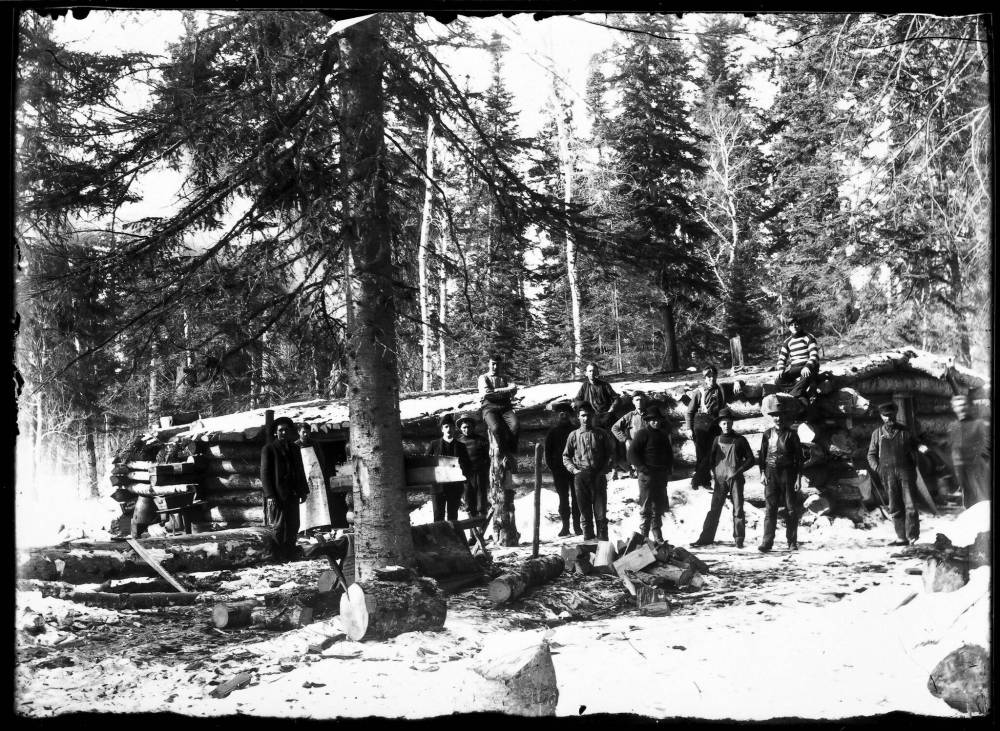
In those days, forestry was mostly a winter job. The bare trees and snow-packed ground meant fewer obstacles. In the spring, as the snow melted and the waterways began to flow, lumber teams would drive logs into the river to float back to lakeside sawmills.
Trained as a steam engineer, Beal tended equipment that kept the sawmill running — an industry that continues to this day.
“Lumber and farming are still kind of the mainstays here,” Barrow says. “The old hewers of wood and drawers of water.”
Over those long winters in the logging camps, Beal wrote, “there was nothing but homestead talk every evening.”
Eventually, that talk seemed to have an effect on Beal, in spite of his city-dwelling sensibilities. He applied for a homestead in fall 1908. Because he was late to cash in on the government promise, the only land available was a scrubby plot 16 kilometres north of the townsite on the banks of Big Woody River.
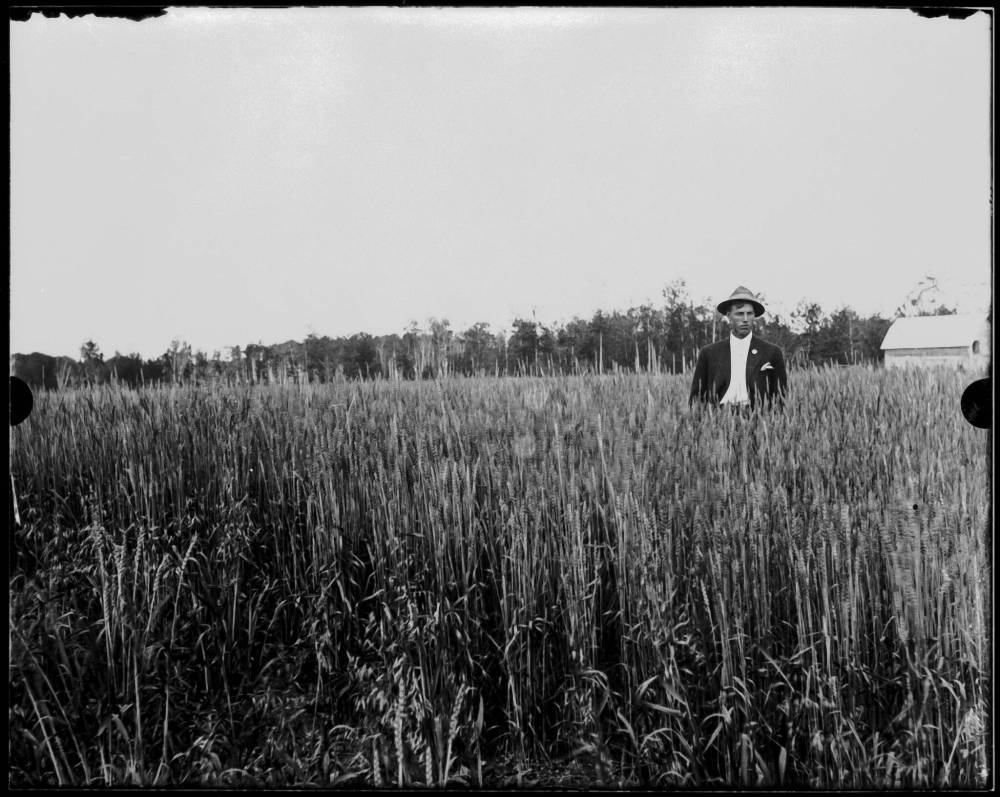
“For years our wheat was always frosted before harvest. Most of the settlers who came to this neighbourhood first had got discouraged and gone before I came here. Then I remember others who came, saw the heavy wood and went away never to return.”– From Beal’s memoir
There were no roads out to Big Woody, or bridges across the river. Beal remembers cutting his own roads to build a “shack” to live in.
In those days, he wrote, no one grew grain or had sprawling crop farms. Working the land to meet the 15-acre quota was a slow, gruelling “herculean task,” Beal wrote.
“My father put it this way: he said the government bet you $10 that you’d starve to death,” Barrow quips.
Indeed, Beal wrote, not everyone could withstand the work. Most people grew small gardens and tended a few cattle. There was no guarantee planted crops would grow. The cold climate meant frosts would come even in the summer. Beal’s first garden grew nothing but potatoes.
It was around this time, Barrow says, that Beal picked up a camera and some photography skills from another pioneer. The collection of about 70 plates that still exists were passed on to the Barrow family after Beal’s death in 1968.
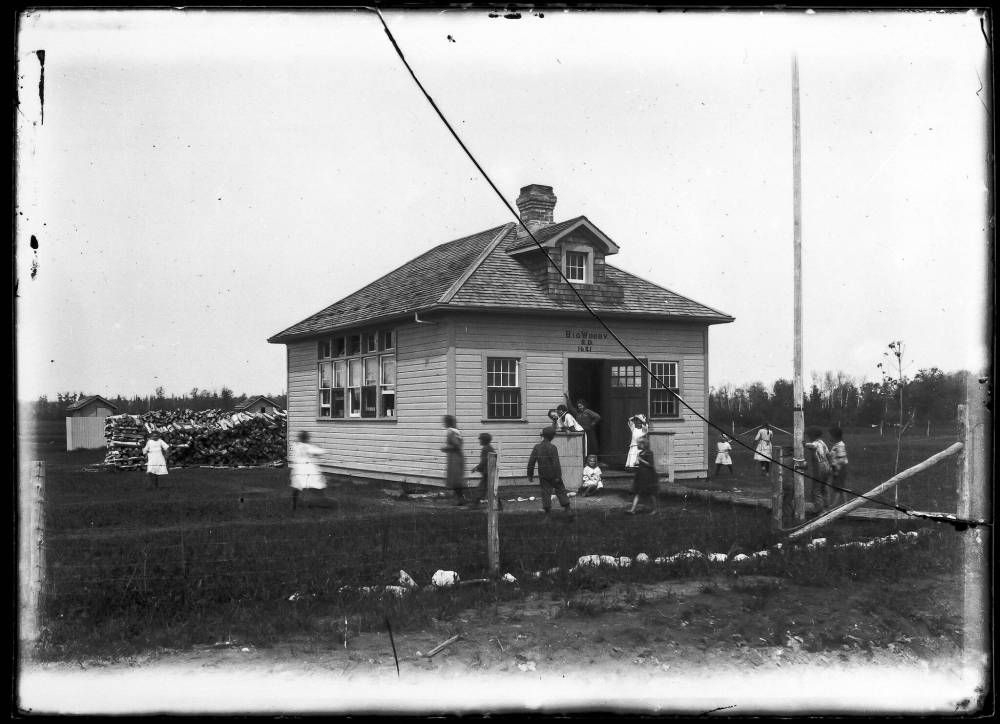
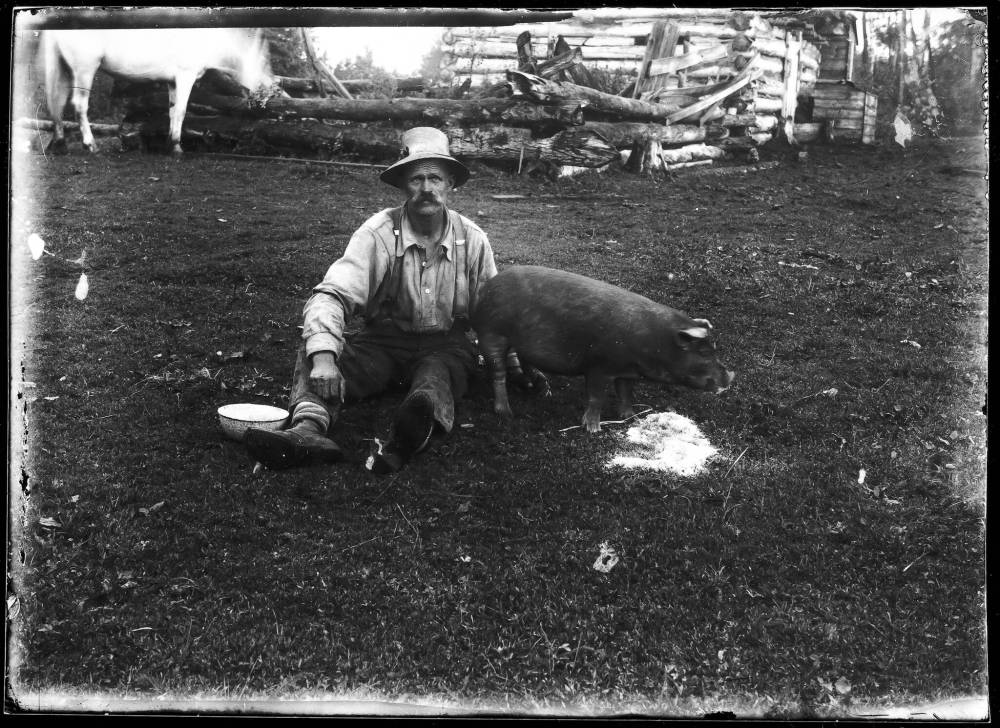
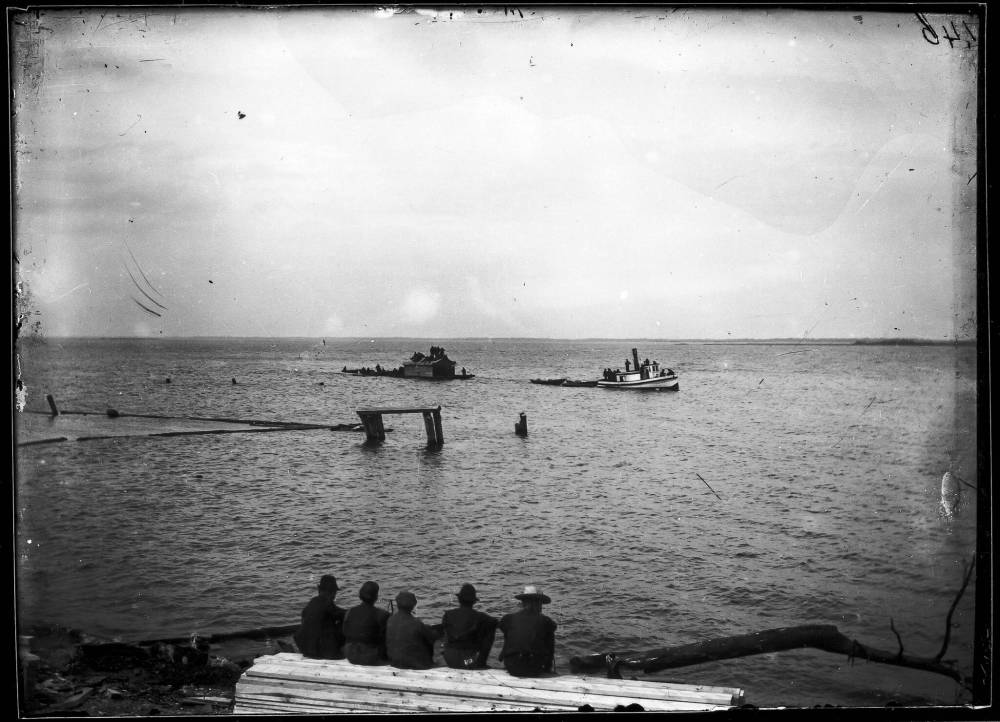
There are scenes likely captured at house parties and local dances. There are portraits of neighbours surrounded by their livestock and crops. There are scenes of life on the logging roads, of tugboats pulling cookhouses up river to the work camps.
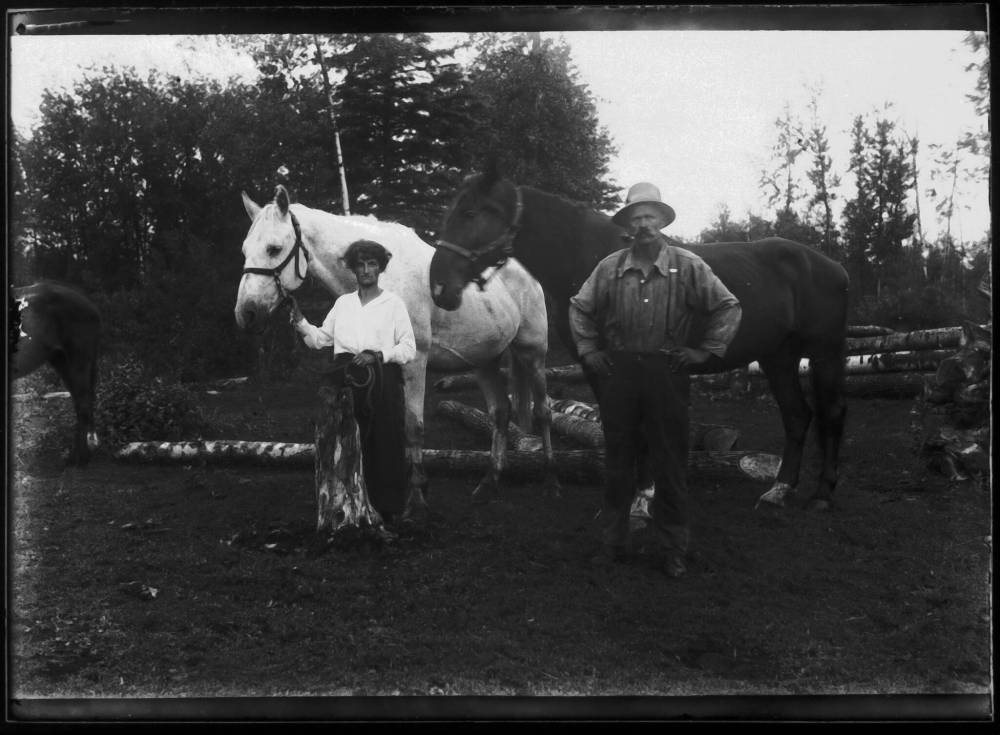
It’s the affinity for people in Beal’s work that’s always stood out to Barrow.
Through the intimate portraits — mostly of his neighbours — and the landscape images from his logging work, “you see the makeup of the community, and the kinds of occupations, trades and recreation that people were involved in,” he says.
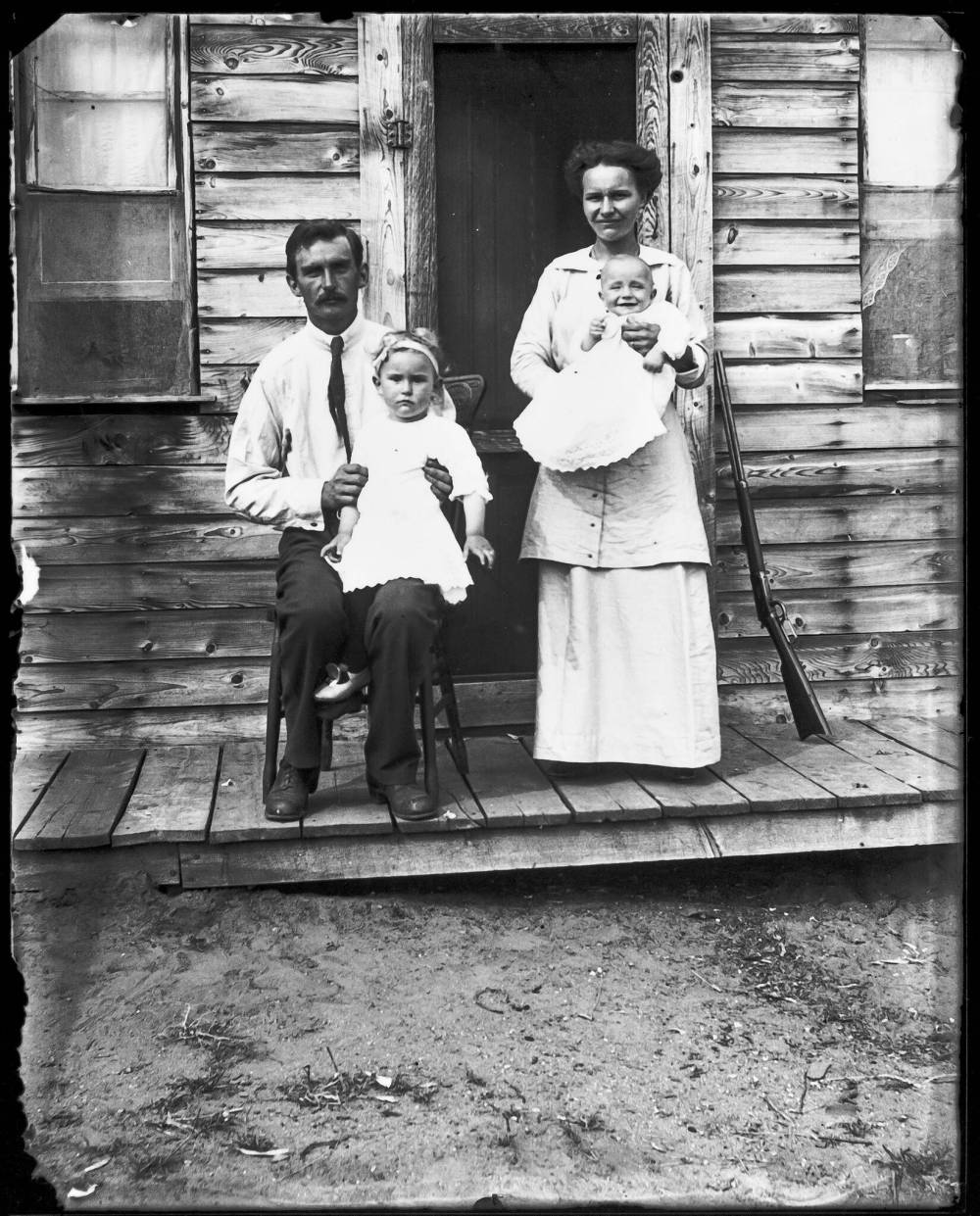
According to Beal’s memoir, “everybody was friendly,” and eager to welcome him.
In return, he served the community in every way he could, Barrow says.
He built a telescope out of stovepipe and tin cans and taught his neighbours about astronomy. He built the town’s first radio and hosted the local children — including Barrow’s uncle — to listen to its signal.
When diphtheria threatened the town in 1915, and the influenza pandemic arrived a few years later, he helped the town doctor with vaccinations.
Barrow says Beal was instrumental in setting up a local debate society that gathered for all manner of philosophical and political discourse at the community hall. Unlike in most other homesteading communities, the Big Woody district school (another one of Beal’s contributions) is still used as a town hall today.
“The farms have gotten bigger, there’s fewer people and I suppose eventually it won’t be a viable option anymore, but to this point the community has stayed together,” Barrow says.
He attributes that connectivity, in no small part, to that of the community in Beal’s day.
“It’s one thing to build yourself up but it’s quite another thing to build other people up. That’s the real treasure,” Barrow says.
To this day, the Swan River Valley treasures Billy Beal. When Beal died a penniless, lifelong bachelor in 1968, the community built a headstone to honour him. They inscribed his story on a plaque outside the library and named the local ice-fishing derby in his honour.
“These fires however always (hurt) somebody and besides it was burning up wood that would be useful for fuel and for building too. I told them they would want this wood some day. They did not realize the advantage of having a patch of woodland on every (homestead) and would have been satisfied if they could have changed the whole country into bare Prairie.”– From Beal’s memoir
“He was a wonderful man,” says Don Brown, a Swan Valley resident who remembers meeting Beal as a young and shy child, over a phone call. “Weren’t we lucky to have him come to this area.”
Beal, too, took pride in Swan River.
“Someone said back in 1906… ‘We are just clearing this country for the second generation,’” he wrote at the closing of his memoir.
“The second generation is here and some are doing well. Very few of the original settlers are left. We have seen the district pass from the days of ‘oxen,’ to horses, to tractors and now combines. What will be next?”
julia-simone.rutgers@freepress.mb.ca
Julia-Simone Rutgers is a climate reporter with a focus on environmental issues in Manitoba. Her position is part of a three-year partnership between the Winnipeg Free Press and The Narwhal, funded by the Winnipeg Foundation.

Julia-Simone Rutgers is an investigative reporter who joined the Free Press in 2020. Read more about Julia-Simone.
Every piece of reporting Julia-Simone produces is reviewed by an editing team before it is posted online or published in print — part of the Free Press‘s tradition, since 1872, of producing reliable independent journalism. Read more about Free Press’s history and mandate, and learn how our newsroom operates.
Our newsroom depends on a growing audience of readers to power our journalism. If you are not a paid reader, please consider becoming a subscriber.
Our newsroom depends on its audience of readers to power our journalism. Thank you for your support.