
Manitobits and bites Famous folks, obscure facts and even a really big fish tale are among 150 things you may or may not know about Manitoba’s 150 years in Canada
Read this article for free:
or
Already have an account? Log in here »
To continue reading, please subscribe:
Monthly Digital Subscription
$1 per week for 24 weeks*
- Enjoy unlimited reading on winnipegfreepress.com
- Read the E-Edition, our digital replica newspaper
- Access News Break, our award-winning app
- Play interactive puzzles
*Billed as $4.00 plus GST every four weeks. After 24 weeks, price increases to the regular rate of $19.95 plus GST every four weeks. Offer available to new and qualified returning subscribers only. Cancel any time.
Monthly Digital Subscription
$4.99/week*
- Enjoy unlimited reading on winnipegfreepress.com
- Read the E-Edition, our digital replica newspaper
- Access News Break, our award-winning app
- Play interactive puzzles
*Billed as $19.95 plus GST every four weeks. Cancel any time.
To continue reading, please subscribe:
Add Free Press access to your Brandon Sun subscription for only an additional
$1 for the first 4 weeks*
*Your next subscription payment will increase by $1.00 and you will be charged $16.99 plus GST for four weeks. After four weeks, your payment will increase to $23.99 plus GST every four weeks.
Read unlimited articles for free today:
or
Already have an account? Log in here »
Hey there, time traveller!
This article was published 01/08/2020 (2090 days ago), so information in it may no longer be current.
In honouring Manitoba’s 150th anniversary, the Winnipeg Free Press is publishing a story from the Manitoba Historical Society’s archives every week in 2020. This week, we celebrate the province’s sesquicentennial with 150 bite-size slices of Manitoba history. The list has been compiled by MHS member Jim Ingebrigtsen.

1. The Royal Winnipeg Ballet is Canada’s oldest and the longest continuously operating ballet company in North America.
2. Charles A. Lindbergh landed in Churchill for a brief stopover on his honeymoon flight to the Orient on Aug. 2, 1931.
3. Fortune Street and Borebank Street were named after two prominent Winnipeggers lost during the sinking of the Titanic.
4. Brad Pitt, Renee Zellweger, Jennifer Lopez, Johnny Depp, Keanu Reeves, Harrison Ford and Russell Crowe are just a few of the many Hollywood stars who have shot movies in Manitoba.
5. More than 100 million people live within a 24-hour drive of Winnipeg.
6. Winnipeg was the first city in the world to develop an emergency number (999, now 911).
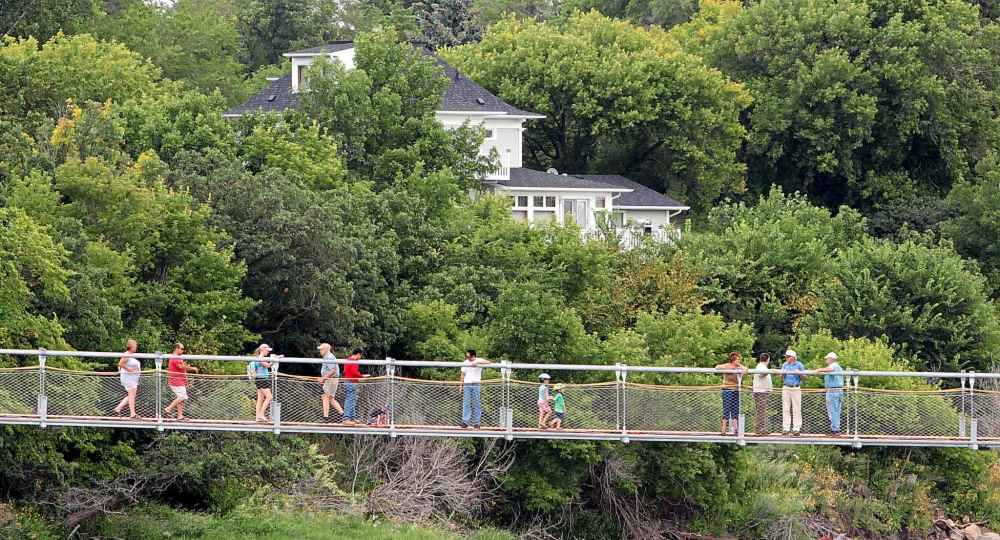
7. Souris lays claim to having the longest swinging footbridge in Canada, at 184 metres.
8. The Northern Manitoba Trappers’ Festival is the province’s oldest winter festival. It began in 1916.
9. Lower Fort Garry was the first training base for the North-West Mounted Police.
10. Manitoba is called the curling capital of the world, and has more clubs than Ontario and Quebec combined.
11. Launched in 1897, the S.S. Keenora is Manitoba’s oldest steamship and is a focal point of the Marine Museum of Manitoba in Selkirk.
12. The last operating river ferry is the Stockton Ferry Crossing on the Assiniboine River, just northwest of Glenboro.
13. Melita is known as the grasslands bird capital of Manitoba.
14. York Factory account books of 1714-15 listed the price of a gun at 13 prime beaver pelts.
15. A mound of land at Pilot Mound was a signal hill used by Assiniboine people as a landmark for explorers and settlers.
16. The oldest, still operating, mine in the province was founded in Flin Flon in 1927.

17. There are 101,592 square kilometres of inland waters (lakes and rivers) in Manitoba.
18. The largest variety of semi-precious stones in North America is found at the Souris Agate Pit.
19. The first newspaper in Manitoba was the Nor’Wester, published in December 1859.
20. The Winnipeg Press Club, established in 1887, is the oldest in Canada and one of the oldest in the world.
21. The first-ever around-the-world broadcast originated from the second-floor library of Government House in Winnipeg. King George VI, while visiting Winnipeg in May 1939, spoke to the Commonwealth about the darkening clouds of war gathering over Europe.
22. The La Salle River was originally called the Stinking River.
23. The Red River is 885 kilometres long. The Assiniboine River is 1,070 kilometres long.
24. Chemist Edgar Kenrick, a professor at St. John’s College, was the first Manitoban to own a car in 1901.
25. The first Mercedes-Benz dealership in Winnipeg was established by a woman, Erna Hartman, in 1955.
26. Winnipeg got its first streetlight in 1873.
27. Mennonites were the first large group of non-anglophone Europeans to arrive in Manitoba in 1874. Icelanders came in 1875 and Ukrainians in 1892.
28. Government House has 11 washrooms.
29. There are 128 kilometres of waterways running within Winnipeg’s city limits.
30. Winnipeg’s Le Cercle Molière is Canada’s oldest active theatre and has been in continuous operation since 1925.

31. Manitoba was the site of Canada’s first major curling bonspiel in 1859.
32. There are more than 30 bridges in Winnipeg.
33. There are about 55 ethnic and cultural groups in Manitoba.
34. Dauphin’s William (Billy) Barker, who served in the First World War is, to this day, the most decorated soldier in Canadian history.
35. Winnipeg painter Lionel LeMoine FitzGerald was the only western member of Canada’s famous Group of Seven.
36. Lake Winnipeg is the 12th-largest lake in the world.
37. The green garbage bag was invented in Winnipeg in 1950 by Harry Wasylyk.
38. Charles Thorson, who grew up in Gimli, was the creator of many animated characters, including Snow White and Bugs Bunny. He also created Elmer the Safety Elephant and Eaton’s sad little bear Punkinhead in 1947.
39. The longitudinal centre of Canada is approximately 10 kilometres east of Deacon’s Corner on the Trans-Canada Highway.
40.Built in 1882, The Roblin Hotel, located on Adelaide Street in Winnipeg’s Exchange District, had the distinction of being the last men-only hotel and beer parlour left in Canada. It was demolished in 1993.
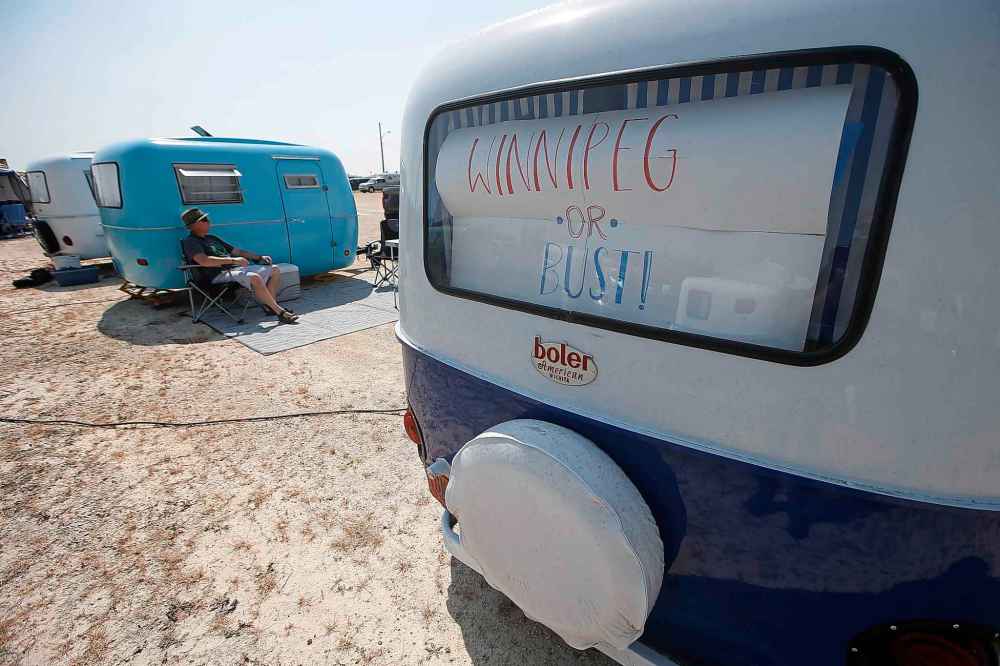
41. The “boler” trailer was invented in 1968 by Ray Olecko and, although long out of production, it has become a cult classic for campers all over North America.
42. The St. Boniface Museum was completed in 1851 and is the oldest building in Winnipeg and the largest existing oak-log structure in North America.
43. Winnipeg-born comedian, actor, writer and director David Steinberg appeared on The Tonight Show starring Johnny Carson 140 times, second only to Bob Hope.
44. Hans Kraus from Winnipeg is a hero in these parts for inventing the Command Start remote vehicle ignition system.
45. The Winnipeg Art Gallery is home to the world’s largest collection of contemporary Inuit art.
46. Virden’s David C. Rockola invented the Rockola jukebox.
47. Rainbow Stage in Kildonan Park is Canada’s oldest continuously operating outdoor theatre.
48. The Royal Canadian Mint produces coins for more than 70 countries around the world.
49. The Golden Boy atop the Legislative Building stands for equality for all and freedom forever.
50. The Smothers Brothers Comedy Hour and Sonny and Cher Comedy Hour, two of the most successful TV programs in the ‘60s and early ‘70s, were produced by Winnipeg’s Allan Blye.
51. Winnipeg’s Union Station was designed by the same architects responsible for New York’s Grand Central Station.
52. People have been meeting at the forks of the Red and Assiniboine for more than 6,000 years.
53. Winnipeg was home to Coca-Cola’s Canadian headquarters until 1923. Overwhelming sales in the 1910s kept the local operation so busy it outpaced the company’s U.S. bottling plants.
54. Norman Breakey was born in Pierson in 1891. He lived in Toronto in 1940 when he invented the paint roller.
55. The wife of writer and activist William F. Buckley, Patricia, was the granddaughter of Edward Elliott, the chief of the Manitoba Provincial Police.
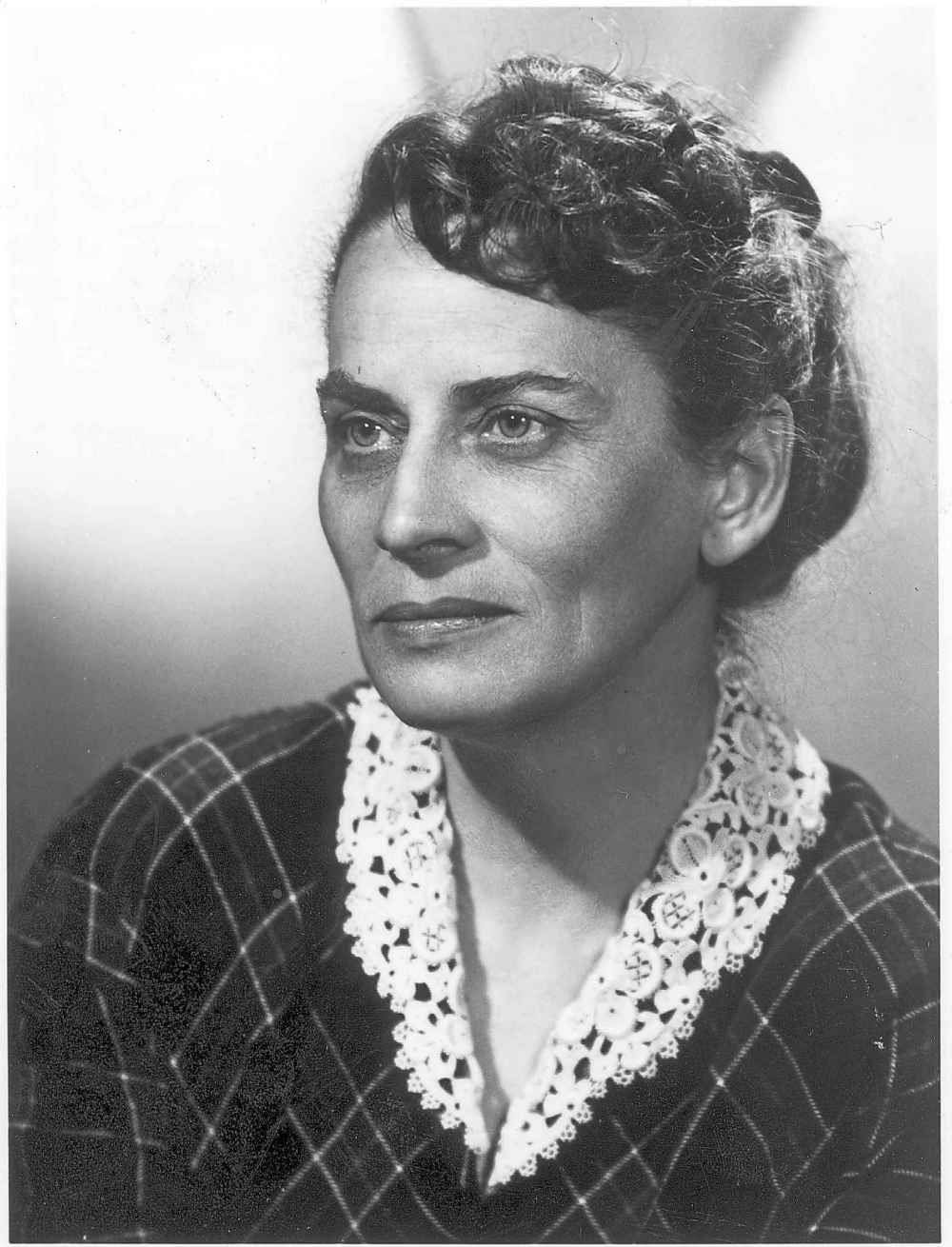
56. St. Boniface lays claim to the home of legendary Canadian author Gabrielle Roy, who wrote The Tin Flute, which won the Literary Guild award for North America, among other awards. Her family home is now a museum located at 375 Deschambault St.
57. Winnipeg city councillor Albert E. Bennett organized the first air cadet corps in Canada, in 1938. He was also involved in the development of the Disraeli Freeway and implementation of the 999 emergency telephone number.
58. The first Manitoba newspaper in a language other than English or French was hand-written by Icelandic immigrants in 1876.
59. With 100,000 lakes, Manitoba has the highest per capita cottage ownership in Canada.
60. The shoreline of Lake Winnipeg is 1,750 kilometres long.
61. Manitoba has 92 provincial parks covering nearly 10 million acres.
62. Most common languages, other than English and French, spoken at home are Tagalog (58,919), German (47,410), Punjabi (20,400), Cree (17,340) and Spanish (11,965).
63. Thomas Garnett (Gar) Gillies invented the Garnet-Herzog preamp, a six-channel recording-studio mixer associated with songs such as the Guess Who’s American Woman.
64. The Principal Meridian is the reference point from where all land in Western Canada is surveyed. It is located west of Headingley.
65. In 1875, Winnipeg police chief John Ingram was forced to resign after he was found patronizing a local brothel.
66. On Oct. 27, 1903, Sandy Waddell caught Manitoba’s biggest sturgeon. It weighed 184 kilograms and measured 4.7 metres long and was estimated to be 150 years old. It was caught in the Roseau River east of Dominion City.
67. The three leading species of fish harvested in Lake Winnipeg are pickerel (walleye), lake whitefish and northern pike.
68. The Portage la Prairie Mutual Insurance Co., founded in 1884 was the province’s first.
69. Edith Rogers (1876-1947) was the first woman to serve as an MLA, representing Winnipeg as a Liberal for 12 years, beginning in 1920, four years after legislation extended the vote to women. Rogers was Métis.
70. Rosser Avenue in Brandon is named after Thomas Lafayette Rosser. Before serving for the CPR as chief engineer, he was a general in the Confederate army during the American Civil War.
71. In 1919 Earl Grey School was established as Canada’s first junior high.
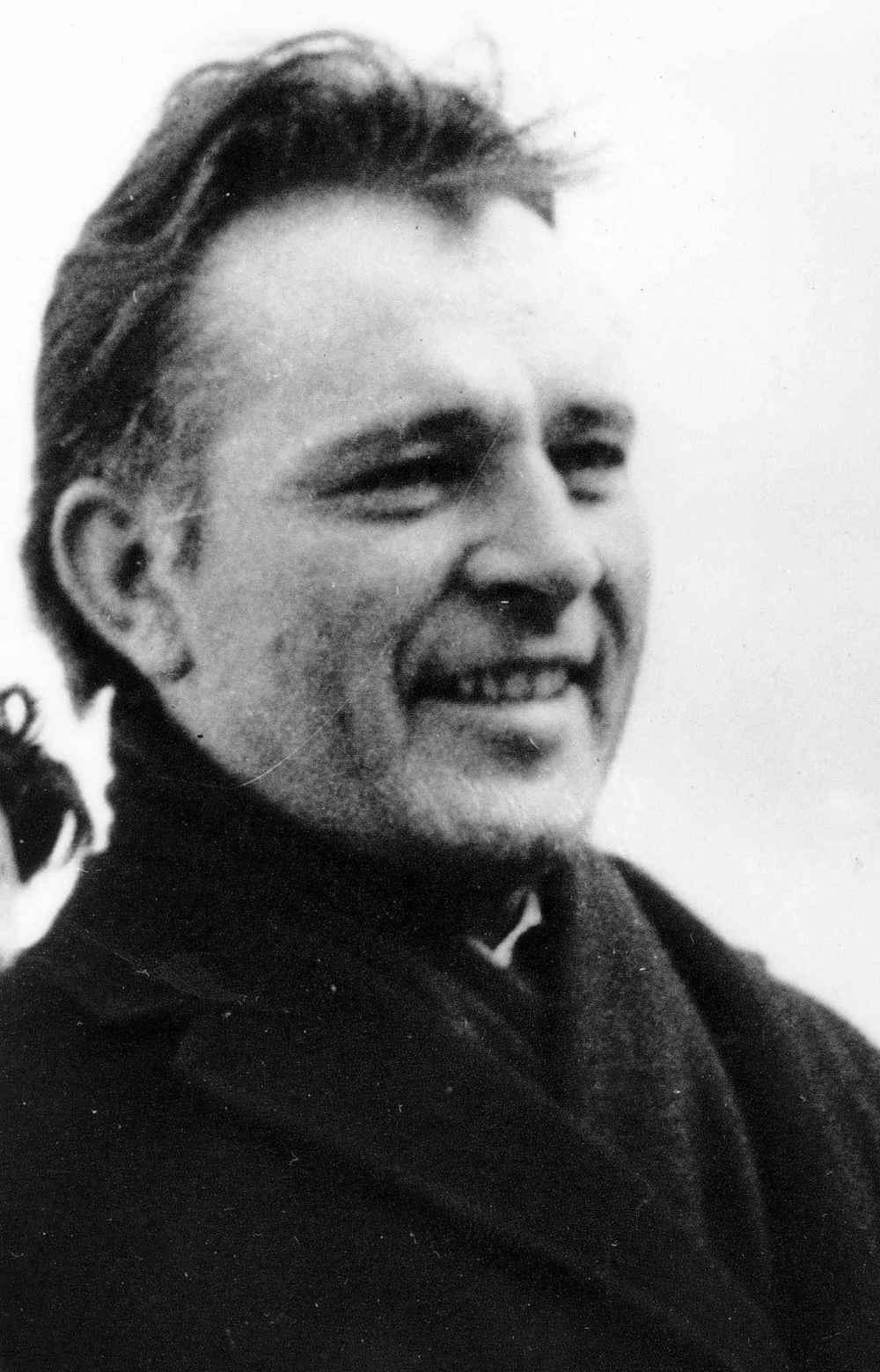
72. Actor Richard Burton was a flight instructor in Carberry during the Second World War.
73. The first issue of Reader’s Digest was published in 1922. It was co-founded by Virden-born Lila Bell Wallace and her husband DeWitt Wallace.
74. Irvine Robbins of Baskin-Robbins ice cream fame was born in Winnipeg in 1917.
75. Victoria Jason was born in Durban. She is the only woman in history to kayak the Northwest Passage alone, between 1991 and 1994. She was a grandmother at the time.
76. The Union Stockyards in St. Boniface was once the site of the largest operation of its kind in the British Empire.
77. The first First Nations woman elected to the Manitoba Legislature was Amanda Lathlin in 2015.
78. The first woman to work as a physician in Manitoba was Charlotte Whitehead Ross (1881).
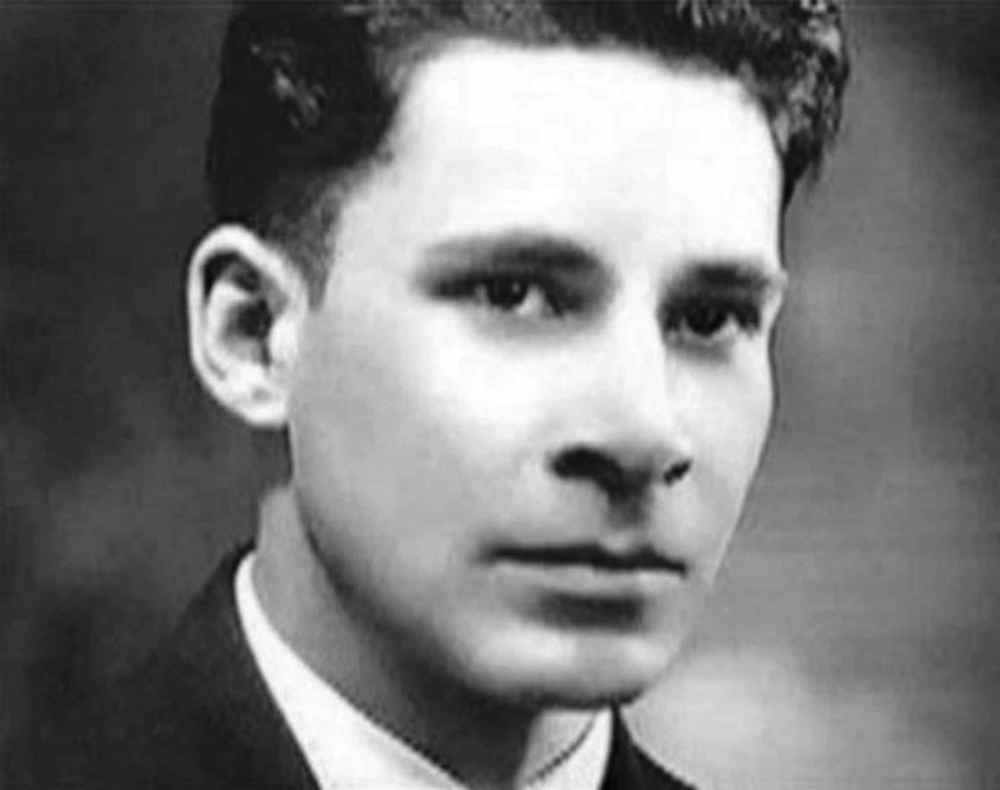
79. Louis Slotin, who grew up in Winnipeg’s North End, worked as a physicist and chemist on the Manhattan Project in 1946 in Los Alamos, N.M. He died when he threw himself on a fission reaction, which saved the lives of seven other scientists.
80. Harlequin Enterprises was founded by Richard H. G. Bonnycastle of Winnipeg in 1949 and went on to become the world’s largest publisher of romantic fiction, and is printed in more than 25 languages.
81. Dickie Dee was founded by the Barish family of Winnipeg in 1959 and grew to become one of the largest ice cream vending companies in North America.
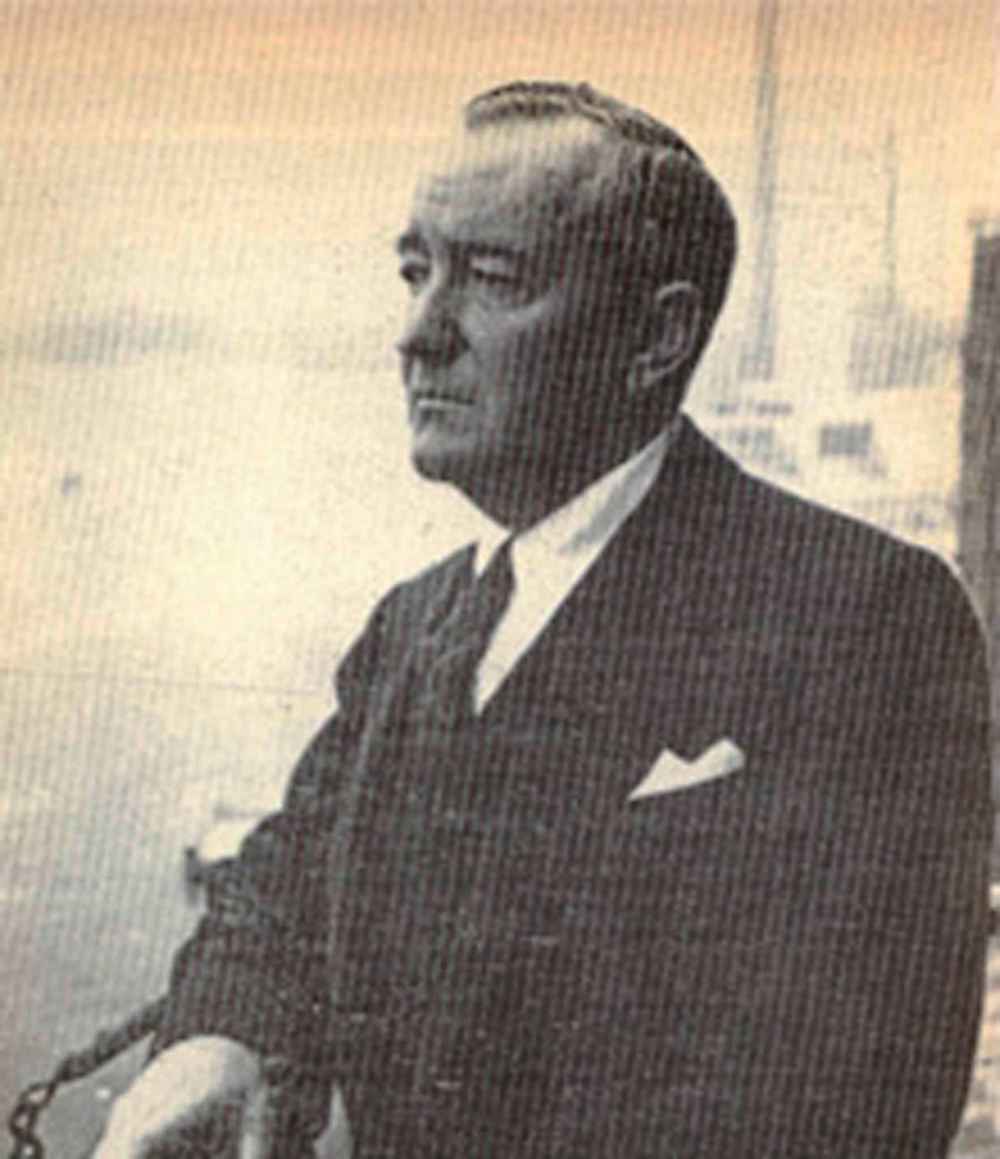
82. Sir William Stephenson was raised in North Point Douglas. He went on to become, among many other notable things, a master spy and was the inspiration for Ian Fleming’s James Bond.
83. Baldur Rosmund Stefansson was born in Vestfold in April 1917. He went on to co-create canola oil and became known as the “father of canola.”
84. The first golf course in Winnipeg was the Winnipeg Golf Club. It opened in July of 1894 with 73 members, one-third of whom were women.
85. Clara Hughes is the only Canadian athlete to have won Olympic medals in both Summer and Winter Games.
86. Manitoba has the largest population of people of Icelandic origin outside of Iceland.
87. The Winnipeg Falcons were the first hockey team to win an Olympic gold medal, at the 1920 Games.
88. Susan Thompson was the first woman to serve as mayor of Winnipeg, serving two terms from 1992 to 1998.
89. Winnipeg-born Billy Mosienko, while playing for the Chicago Blackhawks, scored three goals in 21 seconds in 1952, a record that has never been broken.
90. Canadian liquor barons, the Bronfman family got their start in Emerson in 1903 when they opened their first hotel. Sam Bronfman’s wife, Saidye, was from Plum Coulee.
91. In 1963 Margaret Konantz became the first Manitoba woman elected to the House of Commons. She is the daughter of Edith Rogers, Manitoba’s first female MLA.
92. In 1971, Jean Folster of Norway House became the first female First Nations chief in Manitoba.
93. Manitoba was the first province in Canada to give women the right to vote and run in provincial elections in 1916.

94. In 1984, Sharon Carstairs, a Liberal, became the first female leader of a Manitoba political party.
95. Pearl McGonigal became the first female lieutenant-governor in Manitoba in 1981.
96. Manitoba’s first official law-enforcement agency was formed in 1870. It included 10 local men and 10 soldiers from the 2nd Quebec Rifles. They were the Mounted Constabulary Force.
97. Stony Mountain federal penitentiary was built between 1876 and 1877.
98. In 1930, the Winnipeg police introduced Canada’s first radio-equipped patrol cars.
99. In 1952, Henry Malanik, who was convicted of murdering a Winnipeg police officer, was the last person hanged in Manitoba.
100. The Red River Floodway was derisively dubbed Duff’s Ditch after premier Duff Roblin, who championed its construction as opposition leader despite its massive cost. Winnipeg suffered more than $500 million in damages in the 1950 flood (about $4.2 billion in 2020 dollars), but critics argued against the need for the $72-million, 47-kilometre-long insurance policy that diverts floodwater into Lake Winnipeg that opened in 1966. The “ditch” has proven its worth several times since, and the name became one of affection and respect.
101. The world’s largest statue of a mosquito is in Komarno, which is Ukrainian for “place of mosquitoes.”
102. The 1950 flood caused the evacuation of 100,000 people, the largest such undertaking in Canadian history.
103. Winnipeg-born Edna Mae (Deanna) Durbin moved to Los Angeles with her parents and eventually became the highest-paid actress in the world well into the 1940s.
104. Groucho Marx saw Charlie Chaplin for the first time while on the vaudeville circuit at the Orpheum Theatre on Fort Street.

105. Douglas Rain was born in Winnipeg in 1928. He starred in many roles at the Manitoba Theatre Centre but, is best known as the voice of HAL in Stanley Kubrick’s film 2001: A Space Odyssey, as well as the sequel 2010.
106. Hansard is the official transcript of the Manitoba legislature and was introduced by premier Duff Roblin in 1958.
107. In 1936, Winnipeg teacher Louise Staples devised school safety patrols, an innovation at Greenway School that was adopted across Canada.
108. The Town of Emerson was named after writer Ralph Waldo Emerson.
109. Among others, Chicken Hill School, Cropper Tops School and Sinkerville School were all one-room schoolhouses.
110. Victor McLaglen won the Academy Award for Best Actor in 1935 but first gained public attention as a boxer and wrestler in Winnipeg.
111. The Winnipeg Foundation was established by William Forbes Alloway in 1921 with a donation of $100,000. It celebrates its 100th anniversary in 2021.
112. Ben Batsford, who worked for the Free Press in the 1920s, was believed to have had a hand in the designing of Edgar Bergen’s famous puppet Charlie McCarthy.
113. Martin Cooper, who grew up in Winnipeg’s North End, is credited with creating the first mobile phone. His inspiration, he has said, was Dick Tracy’s wrist radio.
114. Beginning in the late 1800s, the area of Logan Avenue off Main Street was often called Little Sweden because of the large number of Swedish immigrants who found a new life in that part of Winnipeg. It was also affectionately called Snus (Snuf) Boulevard.
115. Yvonne Brill was an aerospace engineer and rocket scientist who invented a fuel-efficient rocket thruster that keeps satellites in orbit today. She was born Winnipeg in 1924.
116. Winnipeg is on a similar latitude as Paris and a similar longitude as Dallas.
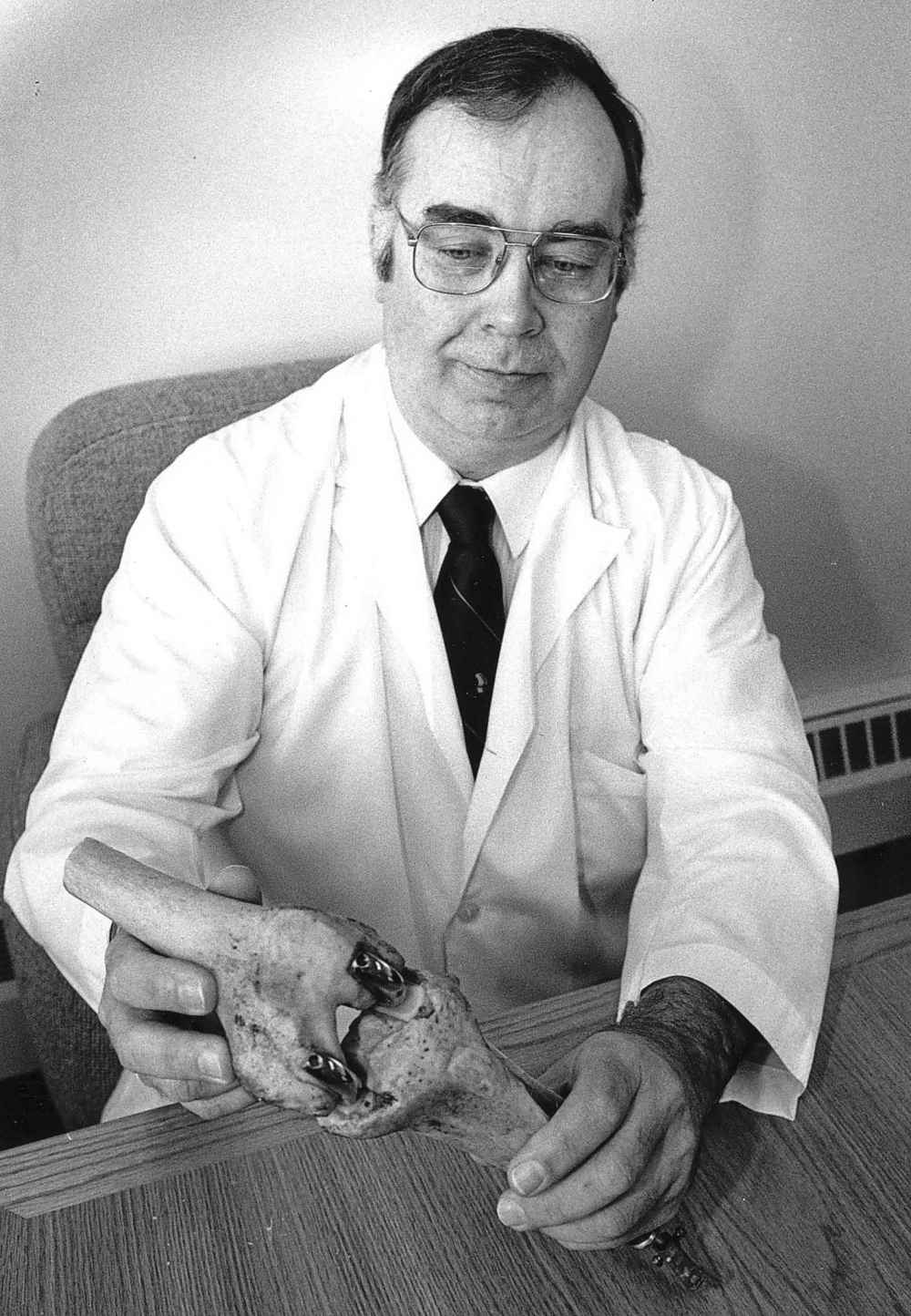
117. Dr. Frank Gunston, who was born in Flin Flon in 1933, invented the first artificial knee. It remains the model for all knee-joint replacements.
118. In 1911, 24-year-old Harold Kalenze of Brandon patented the first snowmobile.
119. To protect the provincial dairy industry, the sale of margarine in Manitoba was banned until 1949.
120. Len Smith from Churchill invented the Tundra Buggy, which has allowed hundreds of thousands of tourists from around the world to safely get a close-up view of polar bears.
121. Phillip James Edwin (Jim) Peebles was born in St. Boniface in 1935. Among his many achievements in the world of astrophysics, he is known for his contributions to what is referred to as the Big Bang Theory. He received the Nobel Prize in physics in 2019.
122. The Narcisse Snake Dens are large pits near Inwood that are the largest known concentration of red-sided garter snakes the world. At one time they numbered 70,000, but now the population is down to about 10,000.
123. Churchill is one of the best locations in the world to see Beluga whales. They migrate to the area around the mouth of the Churchill River to have their young before heading to the Arctic Ocean. They have numbered more than 1,200 at one time.
124. St. Laurent is thought to have the largest concentration of Métis in North America. It is one of the few remaining places where the Michif language is still spoken.
125. Crown Royal whisky was first introduced in 1939 by Samuel Bronfman for the 1939 royal tour. It is produced in Gimli and is the top-selling brand of Canadian whisky in the United States.
126. A monument outside the Buller Building at the University of Manitoba contains the remains of the man whose name adorns the building — A.H.R. Buller, a professor known for his research in fungi and wheat rust.
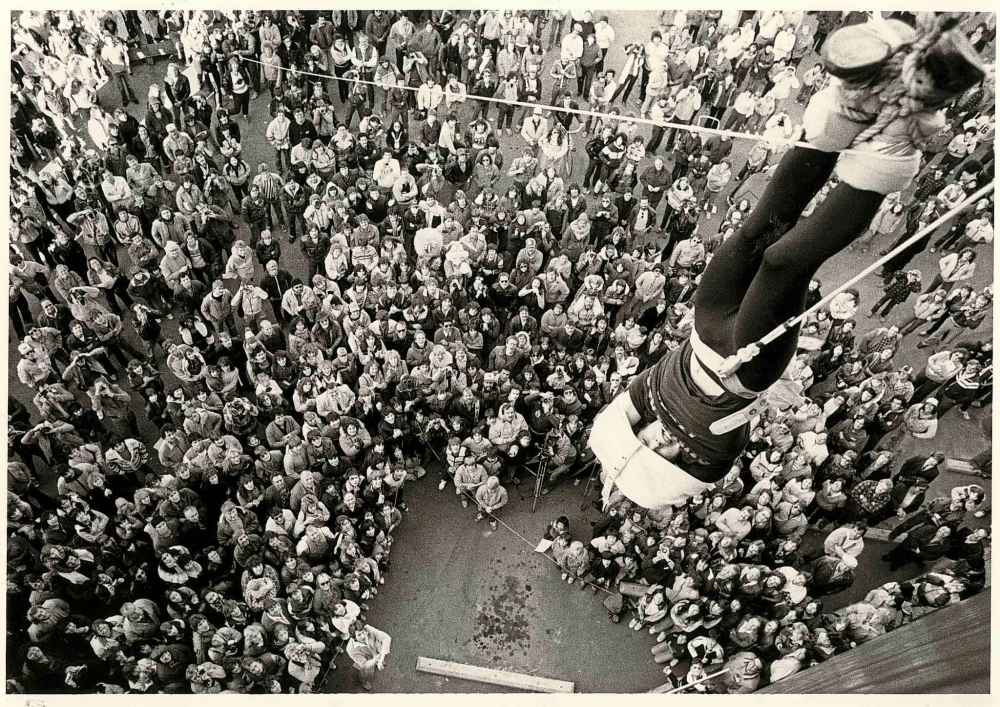
127. Among his many achievements, Dean Gunnarson set two Guinness World Records escaping from handcuffs, chains and a straitjacket.
128. A&W, the first quick-service restaurant in Canada, opened its first location in the country on Portage Avenue in 1956.
129. In 1956, Stephen Juba became the first non-Anglo-Saxon mayor of Winnipeg.
130. Churchill is Manitoba’s oldest community and was named after John Churchill, the 1st Duke of Marlborough.
131. The International Brotherhood of Magicians was founded by Len Vintus from Winnipeg in 1922. It is the largest magic organization in the world, with approximately 15,000 members worldwide.
132. The original name of Wawanesa was Sipewiski but was changed because temperance crusaders thought it sounded like “sip of whisky.”
133. Real estate developer Arthur Wellington Ross (1846-1901) named several Winnipeg streets either for himself or family members. They include Arthur and Jessie Streets and Wellington Crescent. Ross Street was named for historian Alexander Ross.
134. It was long rumoured that the Arlington Street bridge was originally built to span the Nile River in Egypt. This was later debunked.
135. The largest collection of Ukrainian-language books outside of Ukraine is housed in the Oseredok Ukrainian Cultural and Educational Centre in Winnipeg.
136. Winnipeg’s riverboats were the first in Canada, in the 1960s, to hire female captains.
137. Carpathia Road in River Heights was named after the ocean liner that came to the rescue of the Titanic in 1912.

138. In 2006 Winnipeg speedskater Cindy Klassen became the first Canadian to win five medals in one Olympic Games.
139. Garson’s limestone, known as Tyndall stone, was used to construct both the Manitoba Legislative Building and the Parliament Buildings in Ottawa.
140. Marie-Anne Gaboury was born near Trois-Rivieres, Que., in 1780. She accompanied her husband, Jean-Baptiste Lagimodiere to Fort Gibraltar and was considered to be the first white woman to live in the West. She became Louis Riel’s grandmother.
141. Winnipeg has the sunniest winter season in Canada, with about 358 hours of sunshine and, overall, 316 sunny days per year.
142. Manito Ahbee is the largest powwow in Canada and the second-largest in North America.
143. The Canadian Museum for Human Rights is the first national museum built outside of Canada’s capital region.
144. Paul Faraci invented Pizza Pops in Winnipeg in 1964.
145. By population, the University of Manitoba is the third largest city in Manitoba, with just over 30,000 students.

146. Winnipeg-born Oscar Brand hosted a weekly folk-music show on WNYC in New York City credited as the longest-running radio program with only one host in broadcasting history.
147. A favourite drink in Churchill and York Factory in the 1700s was a mixture of rum, water and nutmeg. They called it bumbo.
148. 4-H Manitoba (Head, Heart, Hands and Health) is an international youth and volunteer organization that began in Roland in 1913.
149. In 1921, 41 per cent of Canada’s Ukrainian population lived in Manitoba.
150. The Manitoba Historical Society was created in 1879 and is the oldest organization in Western Canada devoted to the promotion of public interest in, and preservation of, the region’s historical resources. Please visit www.MHS.mb.ca to discover more of our wonderful history.
History
Updated on Saturday, August 1, 2020 12:45 PM CDT: This story has been updated to remove the word "the" in reference to Ukraine.