In a German forest, 2 brothers keep the ancient tradition of charcoal burning alive
Read this article for free:
or
Already have an account? Log in here »
To continue reading, please subscribe:

Digital Subscription
One year of digital access for only $205*
- Enjoy unlimited reading on winnipegfreepress.com
- Read the E-Edition, our digital replica newspaper
- Access News Break, our award-winning app
- Play interactive puzzles
*First annual payment billed as $205.00 + GST for one year. This annual subscription will automatically renew at $233.00 + GST every 52 weeks (10% off the regular annual price of $259.35). Offer available to new and qualified returning subscribers only. Cancel any time.
To continue reading, please subscribe:
Add Free Press access to your Brandon Sun subscription for only an additional
$1 for the first 4 weeks*
- Enjoy unlimited reading on winnipegfreepress.com
- Read the E-Edition, our digital replica newspaper
- Access News Break, our award-winning app
- Play interactive puzzles
*Your next Brandon Sun subscription payment will increase by $1.00 and you will be charged $17.95 plus GST for four weeks. After four weeks, your payment will increase to $24.95 plus GST every four weeks.
Read unlimited articles for free today:
or
Already have an account? Log in here »
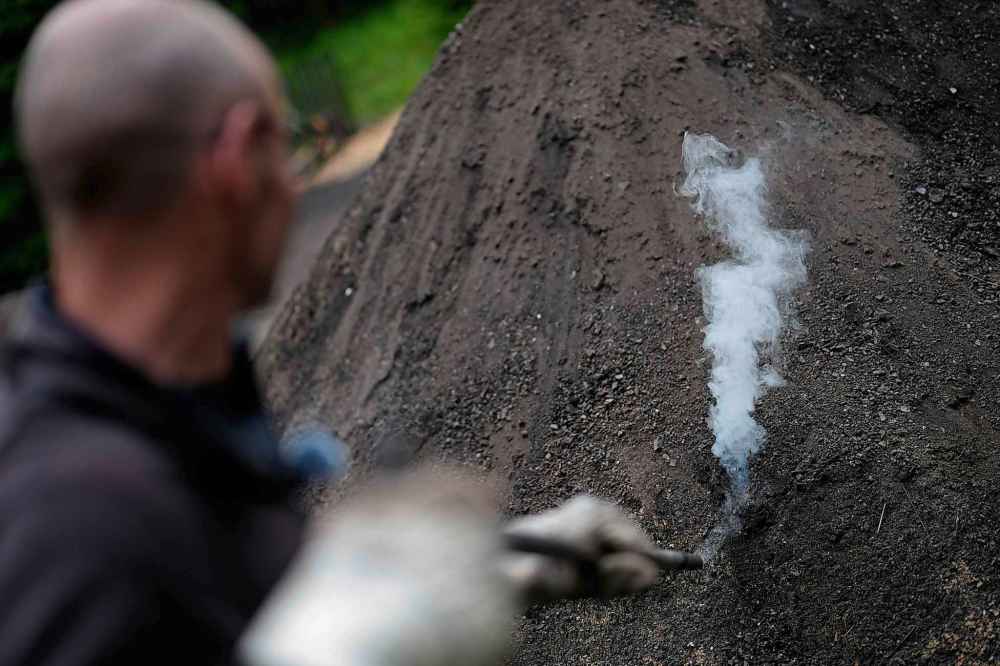
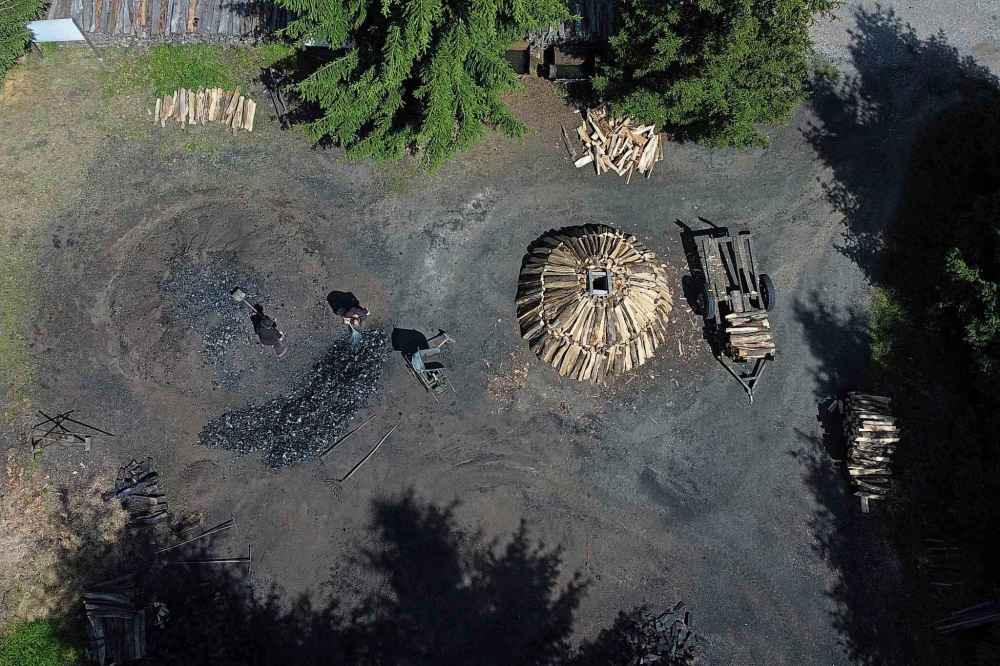
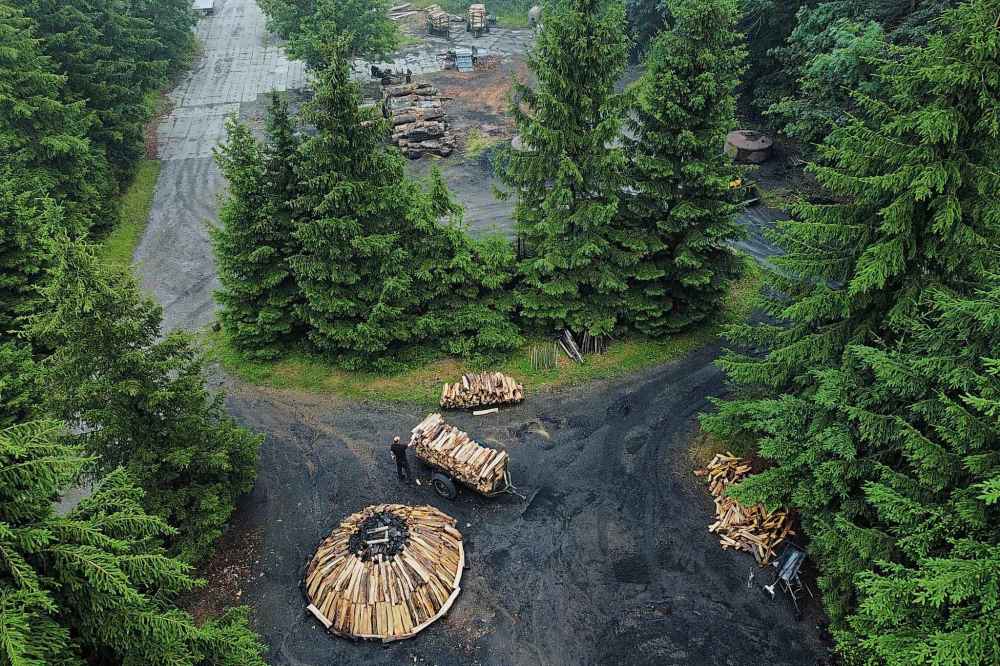
HASSELFELDE, Germany (AP) — Immo Feldmer carefully tipped smoldering charcoal into a tall mound of earth to kick off the ancient tradition of coal burning.
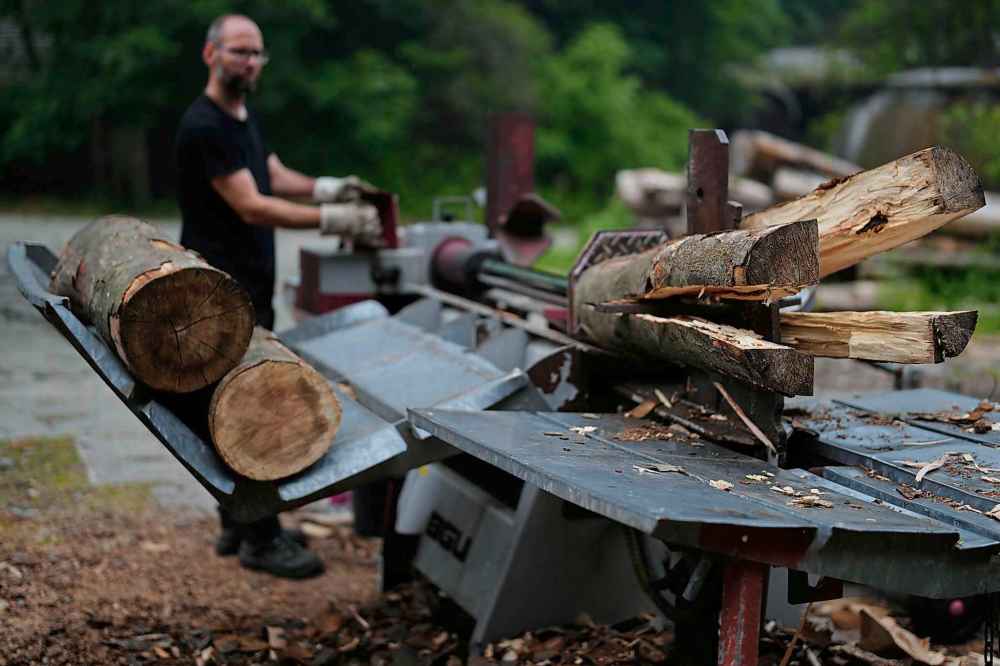
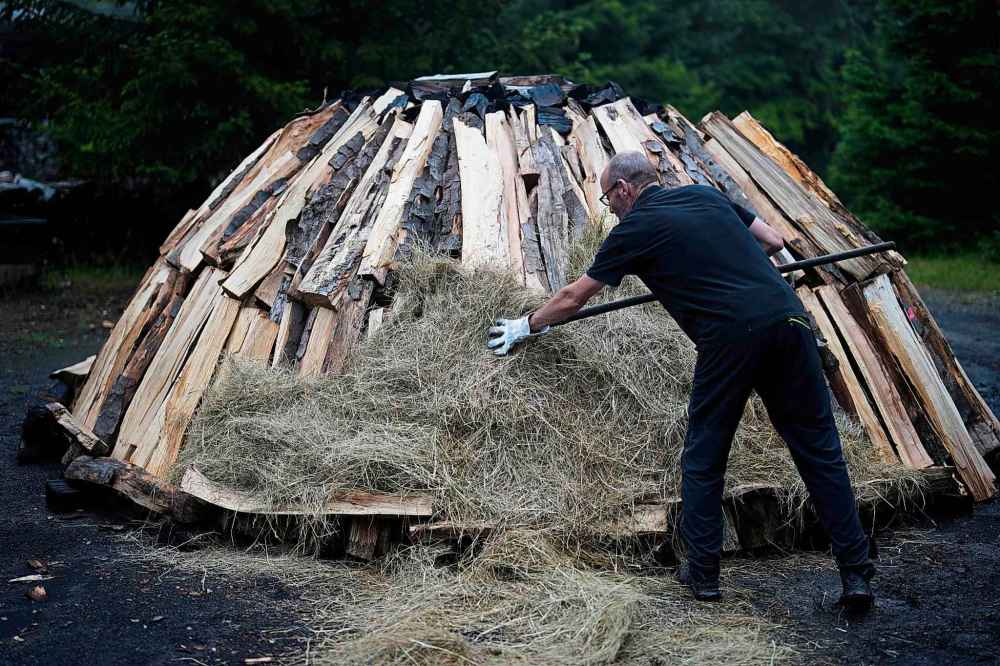
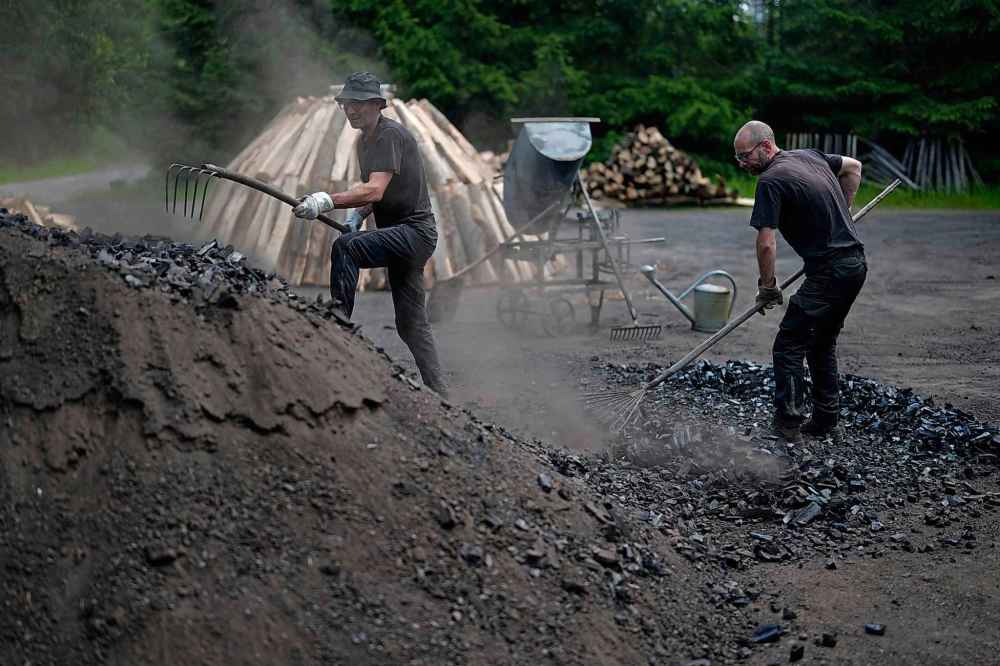
The inside of the mound was tightly stacked with beech wood which smolders for weeks until it’s been turned into charcoal — a craft that’s been practiced in the Harz mountain region in eastern Germany for hundreds of years.
“We are making charcoal in traditional earthen kilns, just as it was done here in the Harz Mountains over 1,000 years ago,” Feldmer told The Associated Press in a recent interview as he stood between the mounds in the middle of the Harz forest near the small town of Hasselfelde.
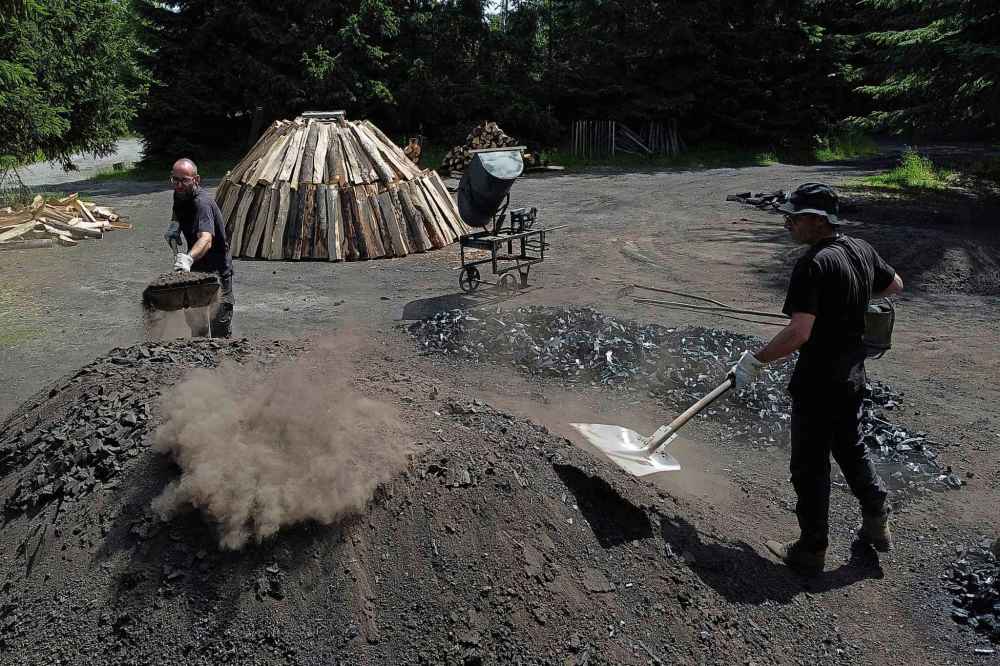
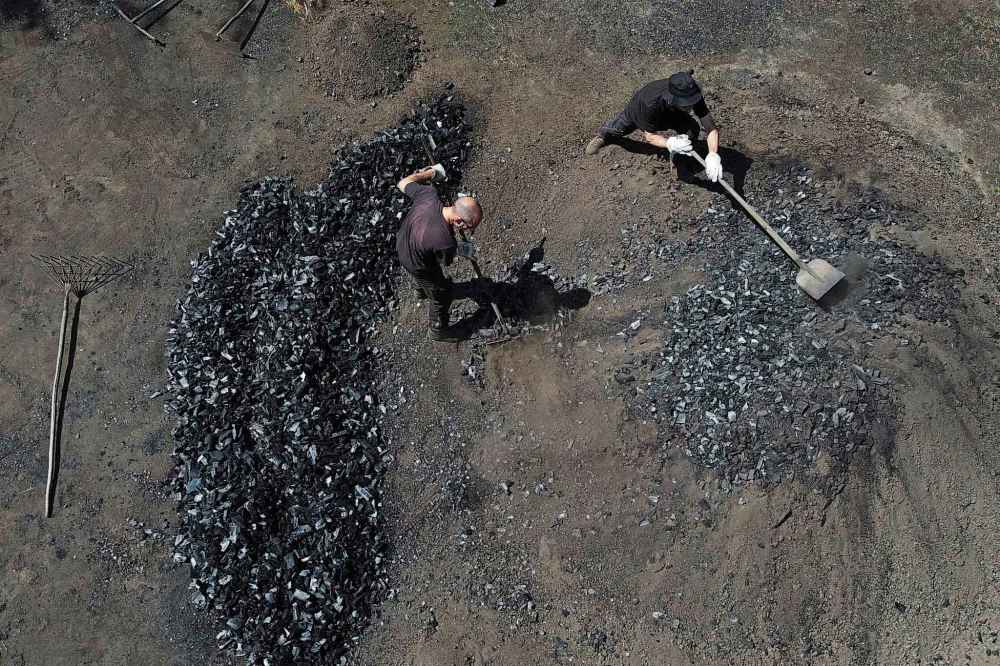
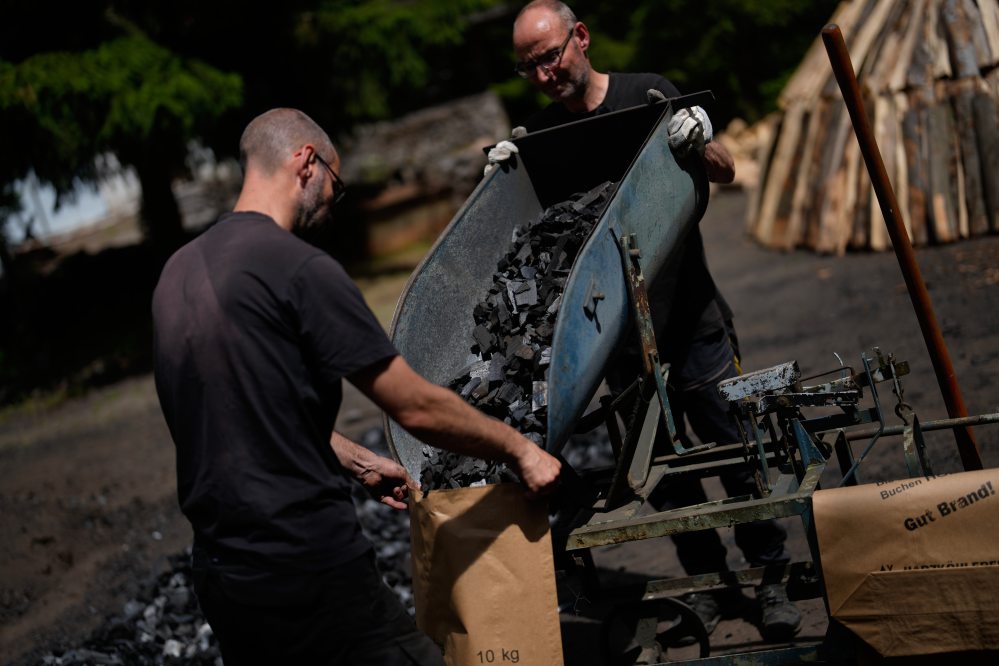
Feldmer and his brother Sascha took over the Harzköhlerei Stemberghaus business of producing charcoal from their father. They also have a handful of workers as the smoldering wood inside the mounds needs to be attended to and carefully watched day and night so it won’t start catching fire and burn down to useless ashes.
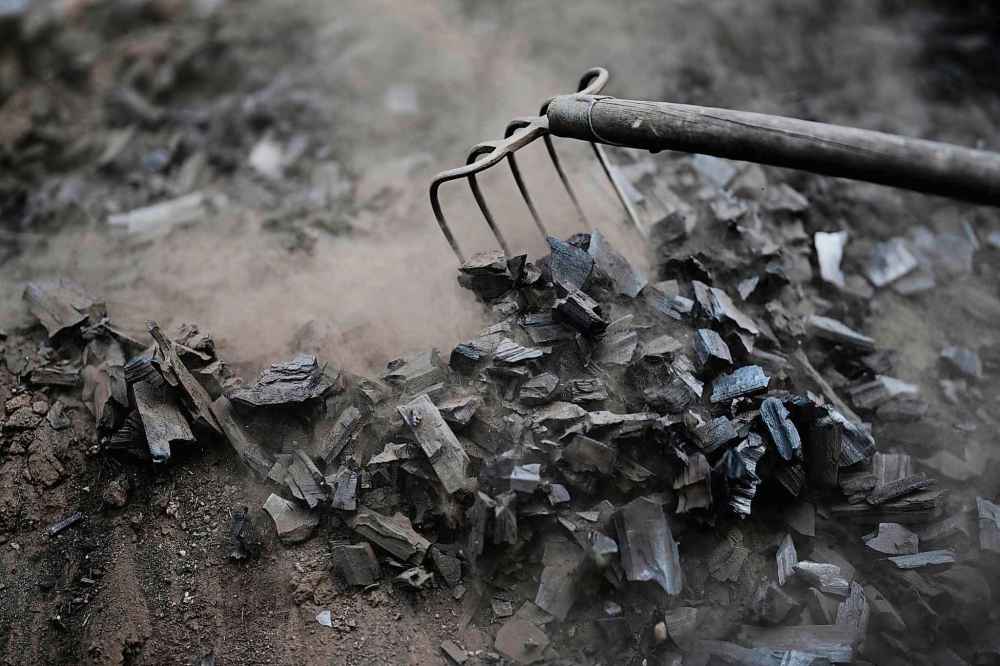
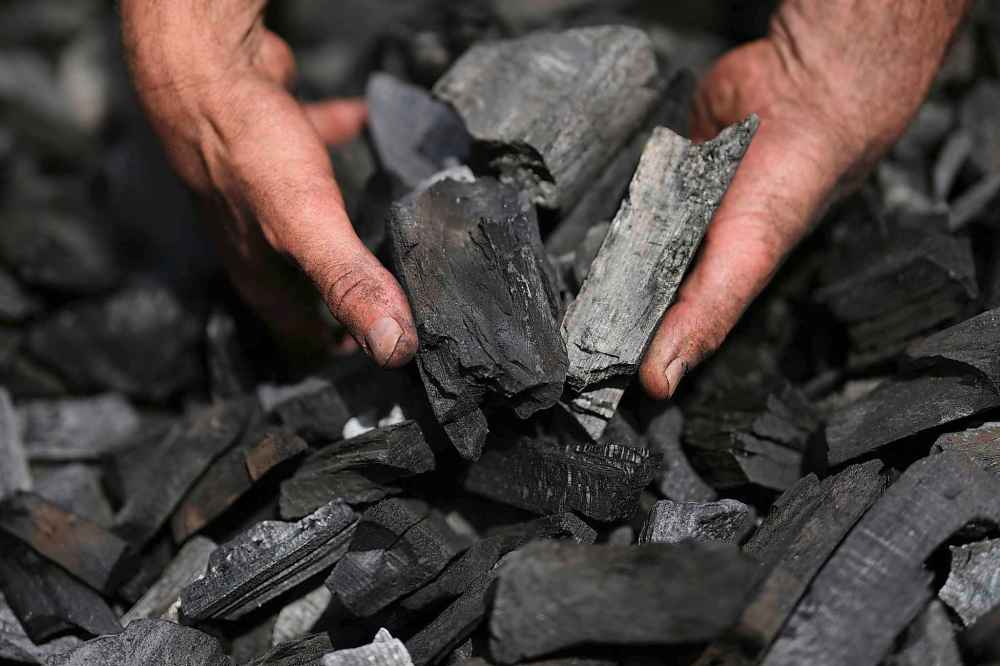
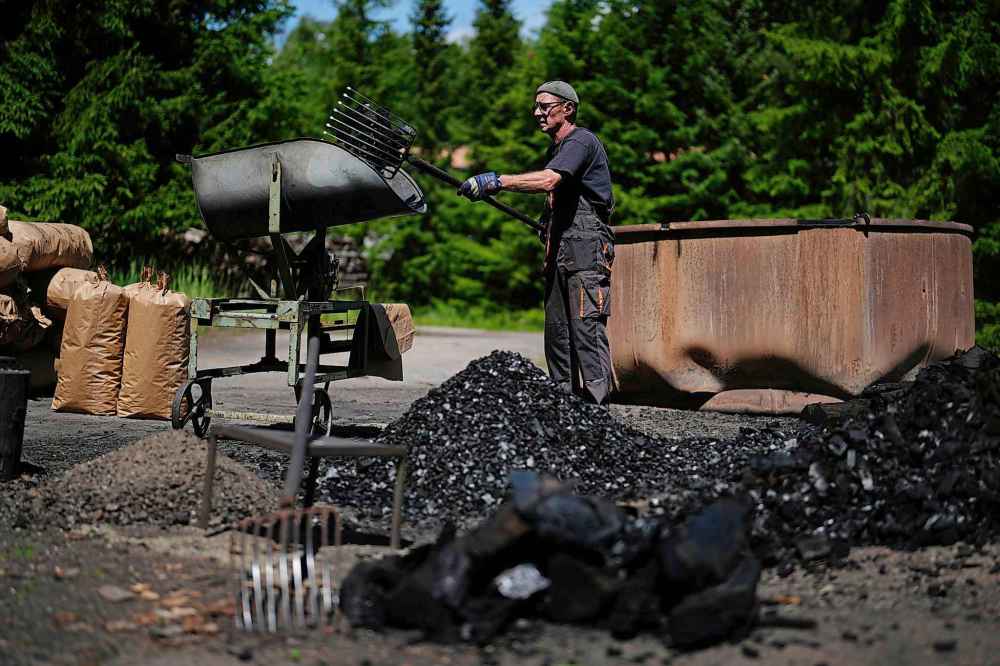
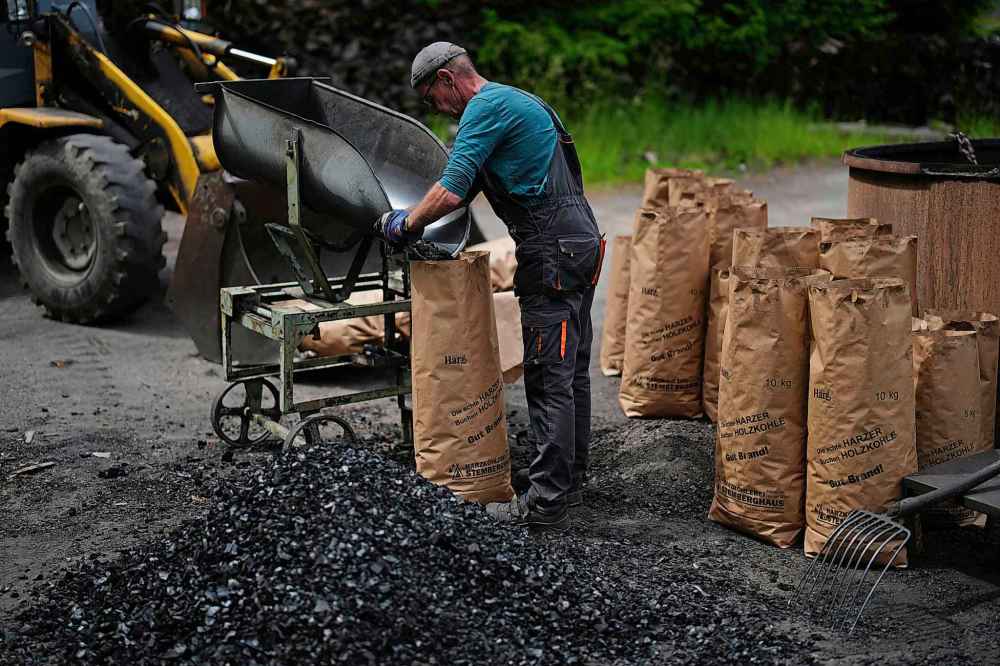
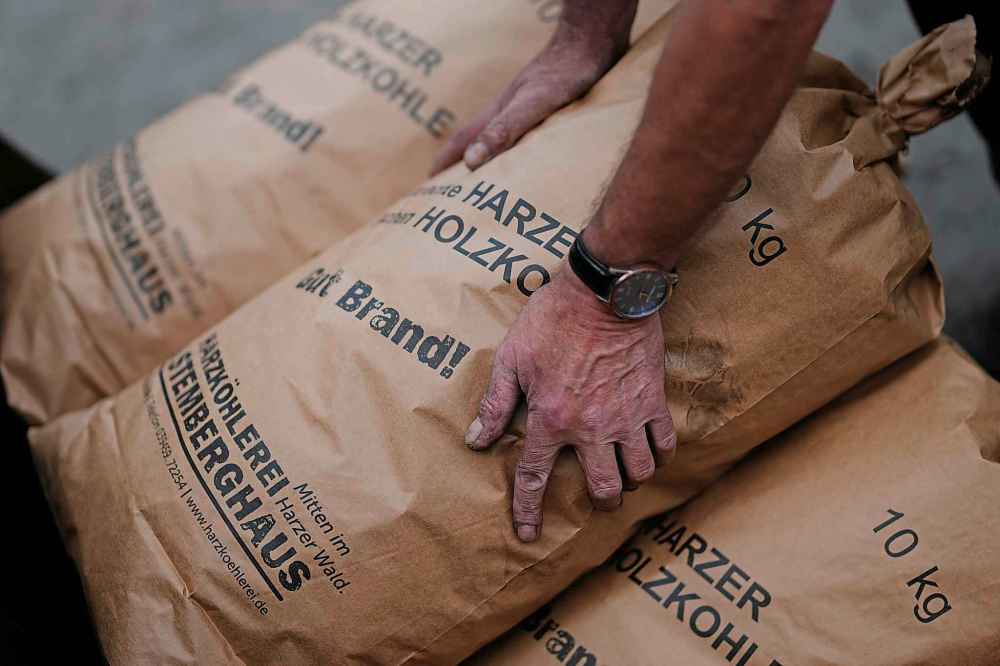
Once covered in earth, the beech wood — which is known for its high density and the high temperatures it creates once it’s been turned into charcoal — burns from top to bottom with the help of air holes. The charcoal is then swept clean of soil, and when it has cooled down, it’s packed into 10-kilogram (22-pound) bags for sale.
Charcoal production was essential for mining ore in the Harz Mountains. To extract valuable metals such as silver, lead, copper, and zinc from the hard rock, the ore was crushed and then smelted in a furnace using intense heat. The extremely high temperatures required could only be achieved using charcoal.
Over the centuries, hundreds of families in the Harz region earned their living as charcoal burners. These days ore is no longer mined there and only a few coal burners are left in Germany. The Feldmers mostly sell their charcoal to people using it for barbecues at home.
“Our charcoal is, first and foremost, made from pure beech wood,” Feldmer said, adding that most of the charcoal sold at hardware stores in the country is imported and made of “mixed woods, scrap wood, and waste wood so it can be produced cheaply.”
As Feldmer and his brother would not be able to live from the coal burning business alone — they produce around 40 tons annually — they’ve also opened a museum about the history of coal burning, a small store and a restaurant where guests can get local specialties including steaks grilled over homemade birch charcoal.
Though the craft of char burning has essentially died out in Germany, Feldmer hopes that his family will keep the tradition alive.
“Of course, we hope … that our business here will be taken over by our children, that it will continue to operate, and that the traditional craft of charcoal burning will be preserved here,” he said.