Province mum on flagged child-care facilities
Read this article for free:
or
Already have an account? Log in here »
To continue reading, please subscribe:

Digital Subscription
One year of digital access for only $205*
- Enjoy unlimited reading on winnipegfreepress.com
- Read the E-Edition, our digital replica newspaper
- Access News Break, our award-winning app
- Play interactive puzzles
*First annual payment billed as $205.00 + GST for one year. This annual subscription will automatically renew at $233.00 + GST every 52 weeks (10% off the regular annual price of $259.35). Offer available to new and qualified returning subscribers only. Cancel any time.
To continue reading, please subscribe:
Add Free Press access to your Brandon Sun subscription for only an additional
$1 for the first 4 weeks*
- Enjoy unlimited reading on winnipegfreepress.com
- Read the E-Edition, our digital replica newspaper
- Access News Break, our award-winning app
- Play interactive puzzles
*Your next Brandon Sun subscription payment will increase by $1.00 and you will be charged $17.95 plus GST for four weeks. After four weeks, your payment will increase to $24.95 plus GST every four weeks.
Read unlimited articles for free today:
or
Already have an account? Log in here »
Hey there, time traveller!
This article was published 25/11/2024 (658 days ago), so information in it may no longer be current.
The provincial government tracks child-care facilities that have “serious issues” and “key standards” deficiencies, but won’t say how many have been flagged.
The Free Press discovered the existence of trackers in internal messages that were compiled in a response to a freedom of information request that sought clarity on how a previous freedom of information application had been handled.
“Serious issues and key standards are tracked and updated regularly. Although I feel this information could open a new request,” a senior administrator with the education and early childhood learning department wrote in an email to the co-ordinator for Freedom of Information and Protection of Privacy Act (FIPPA) handling the file.
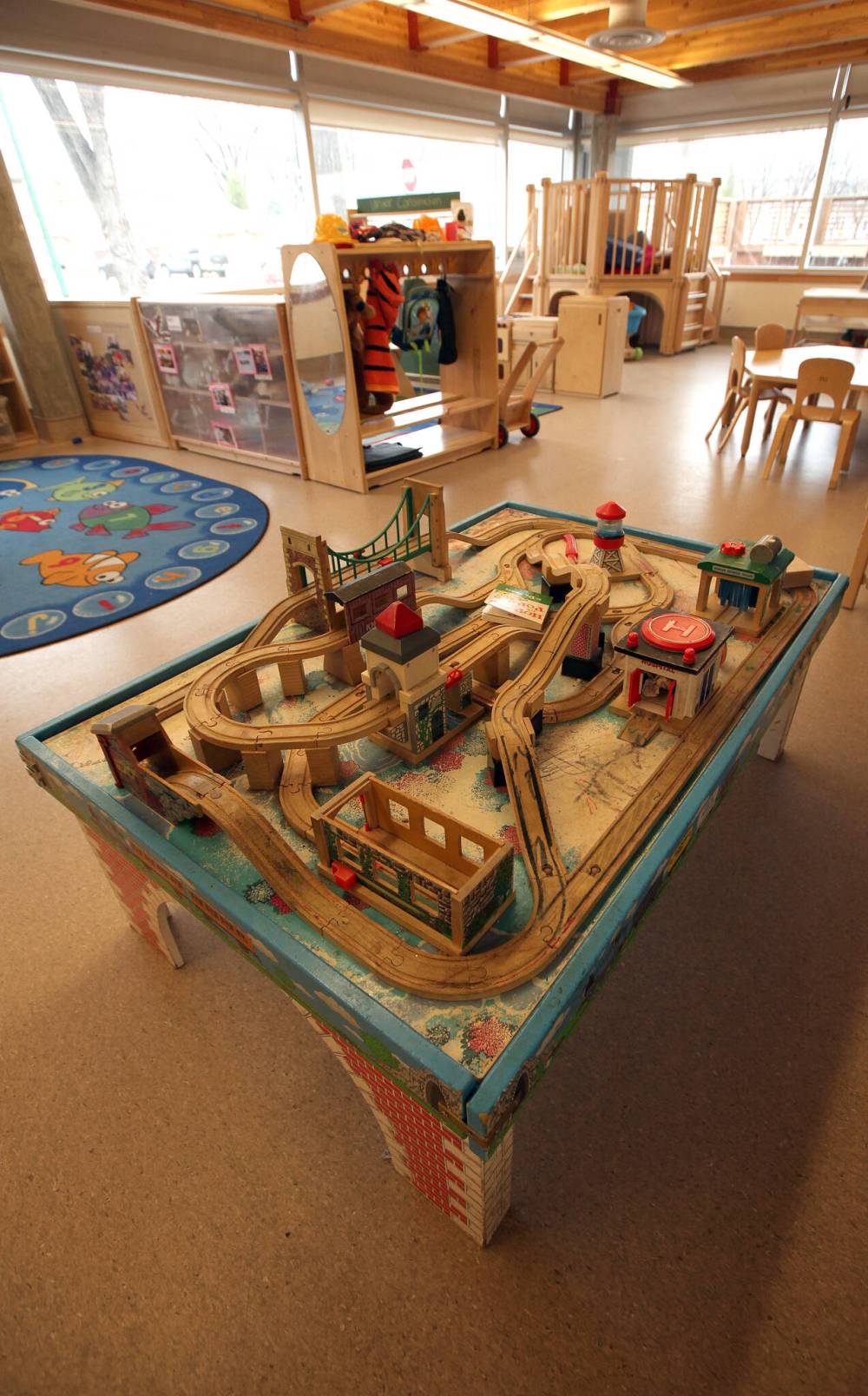
The Free Press’s original FIPPA request sought child-care facility inspection records, a request the province deemed too broad and estimated would take more than 8,000 hours to fulfil.
The FIPPA co-ordinator handling the new file decided the submitted internal information landed outside the request’s parameters and made no mention of the trackers in the final response letter.
The matter arose in the wake of a Free Press investigation into child care that revealed Manitoba takes a secretive approach to oversight of facilities, relies on outdated record-keeping systems and is falling behind other provinces regarding transparency.
One critic says the internal-only use of the trackers is another example of the behind-closed-doors approach.
“I just go back to the idea that we should have more information about places that are taking care of our kids than places that are making our pizza,” said Neil McArthur, director of the Centre for Professional and Applied Ethics at the University of Manitoba. He was referring to public health violations being readily available to Manitobans.
“There’s clearly a breakdown in transparency in a field where there needs to be transparency.”
McArthur said while the additional trackers could demonstrate the province is doing a good job of monitoring potentially problematic facilities, failing to provide the information means the public is unable to assess their value.
The province turned down requests for an interview to discuss the trackers and didn’t answer questions about how many facilities are currently on the lists. A spokesperson would only say “key standards” include attendance, supervision, behaviour management and controlling visitor access. “Serious issues” include situations such as a lack of appropriate supervision, non-compliance with staff-to-child ratios and exceeding the maximum number or ages of children permitted.
‘I just go back to the idea that we should have more information about places that are taking care of our kids than places that are making our pizza’– Neil McArthur, director of the Centre for Professional and Applied Ethics at the U of M
“For internal administrative tracking, some issues related to key standards and supervision — serious issues — are included in additional documents to provide a summarized overview that supports timely followup,” the spokersperson said.
The issues are documented and shared with the licensed centre or home, along with “expected actions to address the issue.”
It’s unclear how these trackers differ from provisional licences, which are temporary licences issued when inspections reveal facilities don’t meet health, safety or regulatory standards. Inspection reports are also provided to child-care centres. They are also not made public but parents can request them from individual facilities.
In rare cases, licensing orders are issued. These typically involve incidents when children were left alone for periods of time. The orders, which include the name of the facility and details about what happened, are posted on the province’s website.
“Neither of these tracking documents would apply to issues that require a licensing order, where the health, safety and well-being of children is at risk,” said the provincial spokesperson.
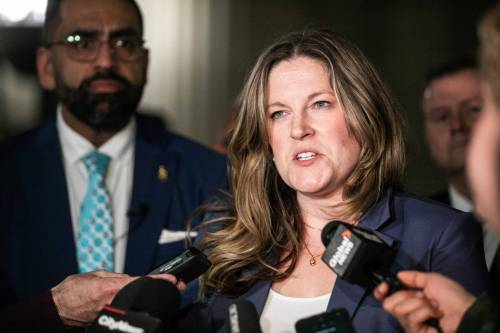
Early Childhood Learning Minister Nello Altomare, who is on medical leave, said in July the government was “open to transparency” when pressed on its opaque approach to sharing inspection records. However, he would not commit to making inspection reports public.
As part of its investigation, the Free Press learned the department’s record-keeping was primarily paper-based, but there was a plan to revamp and modernize the department’s IT systems.
Asked for an update this week, Naline Rampersad, press secretary for acting Education Minister Tracy Schmidt, said those efforts are underway.

“This system will allow for easy, accessible, and transparent information related to essential functions of licensing, certification, funding and subsidy and connect thousands of external users,” she said, adding it will “make it easy for families to be connected to essential services for child care.”
Rampersad said the work is being done in partnership with the federal government, though solely funded by the province.
In other provinces, more information about the oversight of child-care facilities is made public. This includes: details about what inspectors found during visits, the severity of deficiencies, what facilities are doing to rectify issues, and when and why inspections took place.
Meanwhile, child-care advocates are concerned about another key issue in the sector: creating more spaces. The Manitoba Child Care Association has called on the government to speed up its commitment to create 23,000 new spaces by 2026, saying it will take nearly 39 years to make good on the commitment at the current rate.
katrina.clarke@freepress.mb.ca

Katrina Clarke
Investigative reporter
Katrina Clarke is an investigative reporter at the Winnipeg Free Press. Katrina holds a bachelor’s degree in politics from Queen’s University and a master’s degree in journalism from Western University. She has worked at newspapers across Canada, including the National Post and the Toronto Star. She joined the Free Press in 2022. Read more about Katrina.
Every piece of reporting Katrina produces is reviewed by an editing team before it is posted online or published in print — part of the Free Press‘s tradition, since 1872, of producing reliable independent journalism. Read more about Free Press’s history and mandate, and learn how our newsroom operates.
Our newsroom depends on a growing audience of readers to power our journalism. If you are not a paid reader, please consider becoming a subscriber.
Our newsroom depends on its audience of readers to power our journalism. Thank you for your support.
Related Articles
Child care minister prioritizes improving wages, creating spaces and increasing staff