Former cabinet minister takes shot at NDP over cultural training for guards Robinson says proposal appears to be stalled; Indigenous people mistreated
Read this article for free:
or
Already have an account? Log in here »
To continue reading, please subscribe:

Digital Subscription
One year of digital access for only $205*
- Enjoy unlimited reading on winnipegfreepress.com
- Read the E-Edition, our digital replica newspaper
- Access News Break, our award-winning app
- Play interactive puzzles
*First annual payment billed as $205.00 + GST for one year. This annual subscription will automatically renew at $233.00 + GST every 52 weeks (10% off the regular annual price of $259.35). Offer available to new and qualified returning subscribers only. Cancel any time.
To continue reading, please subscribe:
Add Free Press access to your Brandon Sun subscription for only an additional
$1 for the first 4 weeks*
- Enjoy unlimited reading on winnipegfreepress.com
- Read the E-Edition, our digital replica newspaper
- Access News Break, our award-winning app
- Play interactive puzzles
*Your next Brandon Sun subscription payment will increase by $1.00 and you will be charged $17.95 plus GST for four weeks. After four weeks, your payment will increase to $24.95 plus GST every four weeks.
Read unlimited articles for free today:
or
Already have an account? Log in here »
Hey there, time traveller!
This article was published 09/02/2026 (233 days ago), so information in it may no longer be current.
A former NDP deputy premier is calling on the Kinew government to move quickly on proposed cultural awareness training for security guards after many months of delay.
Eric Robinson and a group of Indigenous Manitobans met with bureaucrats and private security firms last year to lobby for mandated cultural awareness training in the sector.
Justice Minister Matt Wiebe said, last July, an advisory committee had been struck and regulatory changes were on the table.
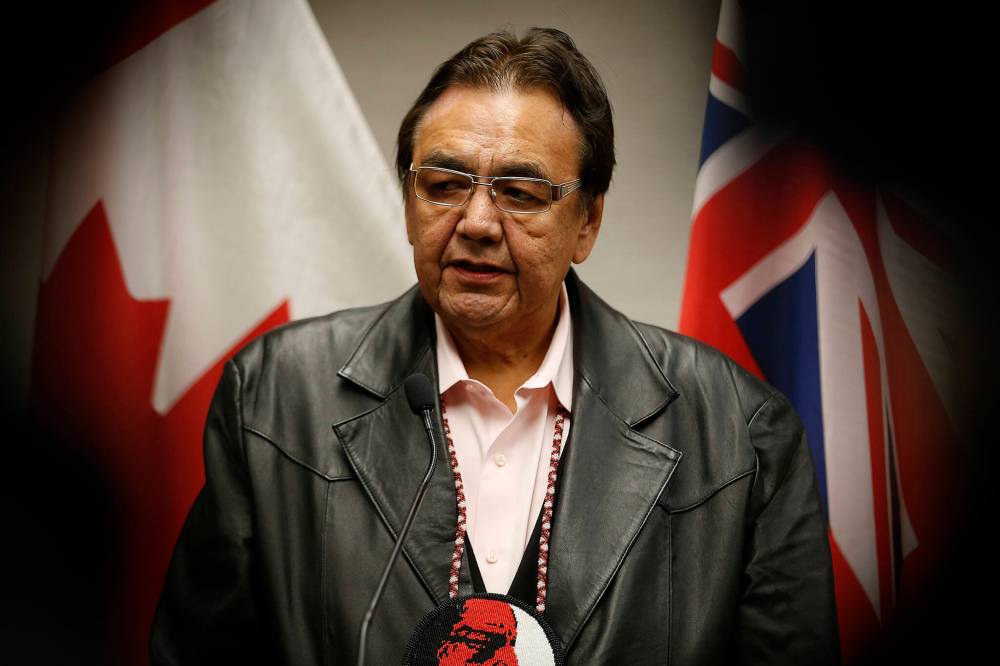
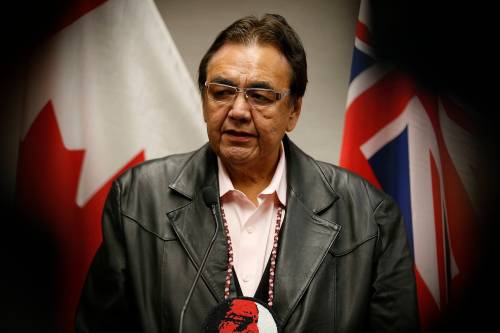
JOHN WOODS / FREE PRESS FILES
Eric Robinson, a former deputy premier under the NDP, is calling for mandated cultural awareness training for security guards in Manitoba.
Robinson said Monday little appears to have been done since then.
“The way (security guards have) been treating some of our people is just unbelievable,” said the former cabinet minister whose career in provincial politics ran from 1993 to 2016. “It’s something that really troubles me to no end.”
By Robinson’s account, some Indigenous committee members left last year after working with a bureaucrat who “was not familiar in dealing with Indigenous peoples to begin with.”
“We wanted somebody that had a bit of… clout within the provincial government,” Robinson said.
He and fellow committee members have experienced racial profiling by security guards, he said.
The last real development from the committee happened in spring 2025, Robinson said, though there have been discussions since that time.
“It’s something that really troubles me to no end.”
He’s left calls with the justice department: “I don’t even know if my messages got through to the deputy minister.”
Wiebe was not made available for an interview Monday. Last year, Wiebe said the committee would help to inform regulatory and legislative changes; he stopped short of promising to mandate Indigenous-led cultural awareness training.
In a statement Monday, Wiebe said his department is engaged in a “broad review” of security guard legislation and regulation. The review includes looking at guards’ training and scope of power, such as developing cultural and Indigenous awareness training.
“The work is ongoing, and further engagement and consultation is anticipated in the near future,” Wiebe’s statement reads.
Robinson said he hopes for an MLA or legislative assistant to be assigned the file. He continues to hear “horror stories” about Indigenous youth being profiled, he said, adding there are some “great” security companies in the province.

The union that represents roughly one-third of Manitoba’s security guards echoed Robinson’s calls for cultural sensitivity training.
Local guards must take a 40-hour course and pass an exam to get their full licence. Another 40 hours is needed, the president of the United Food and Commercial Workers Local 832 said.
“We see the limited amount of training that security guards get as one of the biggest threats to guards,” Jeff Traeger said. “The world is changing out there.”
De-escalation strategies, cultural awareness, addictions and crisis training are necessary, Traeger said. The topics aren’t included in current mandated courses.
“Not having that training sometimes puts (guards) in dangerous situations,” Traeger said.

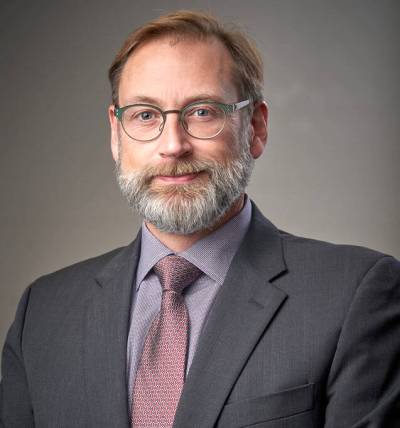
MIKE DEAL / FREE PRESS FILES
Justice Minister Matt Wiebe
Guards aren’t allowed to touch the people they observe; they’re trained to take notes and be a visible presence. UFCW Local 832 has heard grievances from workers who’ve been assaulted.
One security guard told the Free Press he’d recently been threatened with a knife after confronting someone who was stealing chocolate.
UFCW Local 832 represents around 3,000 guards; a decade ago, the number hovered between 1,200 and 1,500. It has lobbied the current government for more mandatory training, Traeger said.
The Manitoba division of the Commissionaires has also had steady growth over the past years, the chapter’s CEO said.
The non-profit employs some 1,200 security guards. It mandates an extra 40 hours of training on top of the baseline 40-hour course; cultural awareness and de-escalation tactics are in the curriculum.
“You’ve got to give people the tools to be able to do their job right.”
“Security guards, they’re not just sitting behind a desk, they’re dealing with people all the time,” said CEO Francis Fang.
“You’ve got to give people the tools to be able to do their job right.”
The non-profit pays its guards above minimum wage, which differs from some in the industry. Security guards at different companies — with just 40 hours of training — might earn minimum wage. Upping the amount of training required might make it tougher to hire at firms that pay less, Fang noted.
Security guards who’ve passed their mandatory course needn’t take another. However — as the world and demands on security guards change — refreshers could be useful, said Peter de Beer, a general manager at Tataskweyak Security Inc.
“The demand for security is just skyrocketing,” said de Beer, who also trains guards through de Beer Consulting.
Most businesses have implemented on-site security or are looking to increase security, noted Loren Remillard, president of the Winnipeg Chamber of Commerce. Grocery stores, construction sites and Manitoba Housing are common security sites.
The Manitoba government issued 8,992 security guard licences during the 2024-25 fiscal year. In 2019-20, that number was 6,378.
Manitoba’s 2024 public safety strategy includes a promise to make private security’s access to de-escalation tools and licence renewal easier. It pledges to close legislative gaps and ensure guards have tools to “safely act” when met with criminal activity.
gabrielle.piche@winnipegfreepress.com

Gabrielle Piché reports on business for the Free Press. She interned at the Free Press and worked for its sister outlet, Canstar Community News, before entering the business beat in 2021. Read more about Gabrielle.
Every piece of reporting Gabrielle produces is reviewed by an editing team before it is posted online or published in print — part of the Free Press‘s tradition, since 1872, of producing reliable independent journalism. Read more about Free Press’s history and mandate, and learn how our newsroom operates.
Our newsroom depends on a growing audience of readers to power our journalism. If you are not a paid reader, please consider becoming a subscriber.
Our newsroom depends on its audience of readers to power our journalism. Thank you for your support.
Related Articles
‘We’ve got your back’: province announces $1M for security upgrades at places of worship