Search Results
Please review each article prior to use: grade-level applicability and curricular alignment might not be obvious from the headline alone.
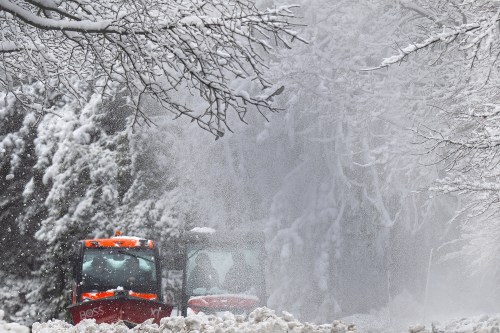
High-tech snowplows and AI help cities clean up from big storms
5 minute read Preview Friday, Apr. 24, 2026
The sidelines: perhaps the safest place to be
4 minute read Preview Tuesday, Mar. 3, 2026Debt levels a worry for Prairie residents
4 minute read Tuesday, Mar. 3, 2026Nearly half of Manitobans have debt on their mind.
New data compiled by Ipsos on behalf of MNP Ltd. shows that 46 per cent of Manitoba and Saskatchewan residents say they are concerned about their current level of debt, a figure that went up six points between 2020 and 2025. More than two in five (44 per cent) regret the amount of debt they have taken on over their lifetime.
MNP, the largest insolvency practice in Canada, released the data Monday as it promotes Debt Literacy Month throughout March.
A debt literacy gap persists, the organization said in a news release. Borrowing has become more common amid cost-of-living pressures, and many Manitoba and Saskatchewan residents are unclear on how interest works in practice or how rate changes affect their own financial position.
Private French school to make the grade in Winnipeg this fall
4 minute read Monday, Mar. 2, 2026A francophone couple has founded a first-of-its-kind private school in Manitoba as demand for French education hits record levels.
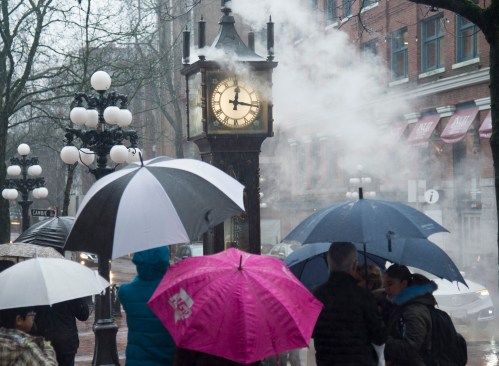
Last spring forward for B.C. as it moves to permanent daylight time
6 minute read Preview Tuesday, Mar. 24, 2026
End the ban: France backs return of intellectually disabled athletes to Winter Paralympics
5 minute read Preview Tuesday, Mar. 24, 2026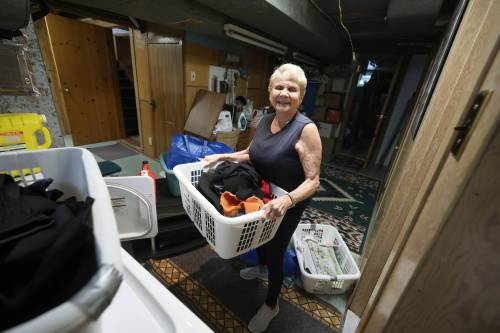
Retired nurse doesn’t mind doing laundry to help raise money for Children’s Hospital Foundation
9 minute read Preview Monday, Mar. 2, 2026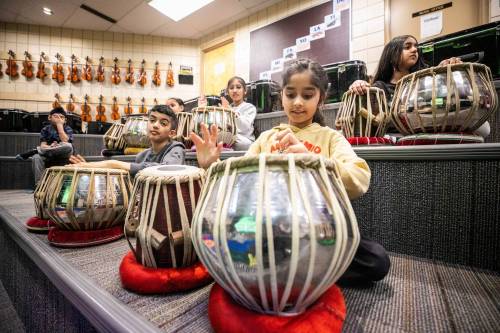
Drumming program connects Southeast Asian students with traditional instrument, heritage
5 minute read Preview Monday, Mar. 2, 2026Grandparents and grandchildren can grow together
4 minute read Monday, Mar. 2, 2026When my now five-year-old grandson was younger, we enjoyed an easygoing relationship, the kind often represented as idyllic in popular media culture — harmonious, reciprocal, restorative.
We would walk the woods together, gather berries, cavort. He ran towards me when I appeared at his door, asked me to sit beside him at meals. We shared bowls of purple grapes while we built garages out of magnet tiles, “assisted” one another in the garden, drew pictures, consulted about the weather and planned possible treats.
Over the last several months, however, our relationship has changed as his personality and behaviour develop. He is less favourably inclined towards me and more unforgiving if I misstep or mistake boundaries that are important to him.
I had picked him up for years from his daycare, for example, but when he moved to a new school this fall, he became increasingly upset if I, rather than his mother or father, came to get him.

Where things stand after the US and Israeli strikes on Iran
5 minute read Preview Monday, Mar. 2, 2026Time for unity, not party politics
5 minute read Monday, Mar. 2, 2026Like many of you, I watched the Olympics with a focus on both our women’s and men’s hockey teams, both of whom fell just short of gold medals, in losses to the U.S.
In the normal course of sports and national pride, this would always be a bit of a disappointment. I think it was heightened this year, given the insults and economic pain which the U.S. has inflicted upon us, their largest trading partner, over the past year.
To put it bluntly, we are a long way from the words of former president John F. Kennedy, who spoke of our relationship in a 1961 address to the Canada’s Parliament, saying, “Geography has made us neighbours. History has made us friends. Economics has made us partners. And necessity has made us allies.”
While we will remain neighbours to the U.S. and will always have a large trading relationship with them, the depth of our relations, as either a friend or an ally, will never be what it was.

Hockey games and missed opportunities
5 minute read Preview Monday, Mar. 2, 2026
What to know about Iran’s Revolutionary Guard, a powerful force within the country’s theocracy
5 minute read Preview Monday, Mar. 2, 2026
Duelling protests in Winnipeg condemn, celebrate strikes on Iran
5 minute read Preview Sunday, Mar. 1, 2026
How succession works in Iran and who could be the country’s next supreme leader
3 minute read Preview Monday, Mar. 2, 2026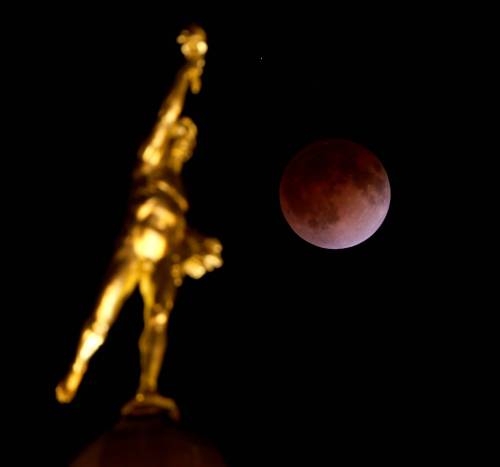
Infrequent lunar eclipse performs Copper Side of the Moon early Tuesday morning
2 minute read Preview Saturday, Feb. 28, 2026
Imaginative production delivers excellent encore performances
4 minute read Preview Saturday, Feb. 28, 2026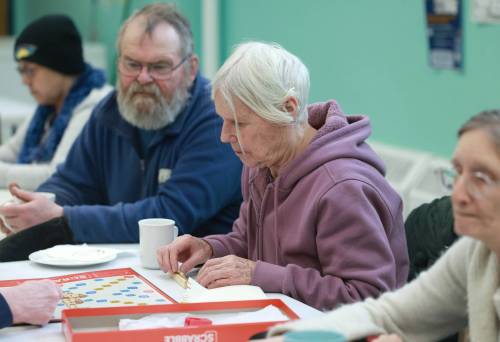
Three determined church members join forces to build thriving social community for seniors in the West End
5 minute read Preview Saturday, Feb. 28, 2026
Chief says more funding needed to repair homes after power outage, flooding
4 minute read Preview Saturday, Feb. 28, 2026
The number of impoverished children is growing
3 minute read Preview Saturday, Feb. 28, 2026