From unpalatable to appalling The state of long-term care home food is tough to stomach for many residents and their loved ones
Read this article for free:
or
Already have an account? Log in here »
To continue reading, please subscribe:

Digital Subscription
One year of digital access for only $205*
- Enjoy unlimited reading on winnipegfreepress.com
- Read the E-Edition, our digital replica newspaper
- Access News Break, our award-winning app
- Play interactive puzzles
*First annual payment billed as $205.00 + GST for one year. This annual subscription will automatically renew at $233.00 + GST every 52 weeks (10% off the regular annual price of $259.35). Offer available to new and qualified returning subscribers only. Cancel any time.
To continue reading, please subscribe:
Add Free Press access to your Brandon Sun subscription for only an additional
$1 for the first 4 weeks*
- Enjoy unlimited reading on winnipegfreepress.com
- Read the E-Edition, our digital replica newspaper
- Access News Break, our award-winning app
- Play interactive puzzles
*Your next Brandon Sun subscription payment will increase by $1.00 and you will be charged $17.95 plus GST for four weeks. After four weeks, your payment will increase to $24.95 plus GST every four weeks.
Read unlimited articles for free today:
or
Already have an account? Log in here »
Hey there, time traveller!
This article was published 18/07/2025 (451 days ago), so information in it may no longer be current.
When my mom was in a personal care home in a rural Manitoba community, I was horrified by the food she was served.
Grey, colourless mush, for the most part. It neither looked nor smelled appealing, and I’d bet my life it didn’t taste good.
Seeing how the dietary shortcomings were impacting mom’s health, we moved her to a care home in a different town. Meal quality was better but still fell far short of what I assumed seniors would be served at mealtime.
My mom died in 2018. Three years later, my father-in-law was placed in an Interlake care home. I was hopeful things had improved — but I was wrong.
MIKAELA MACKENZIE / FREE PRESS For many seniors living in Manitoba personal care homes, mealtime is not something to enjoy, much less celebrate.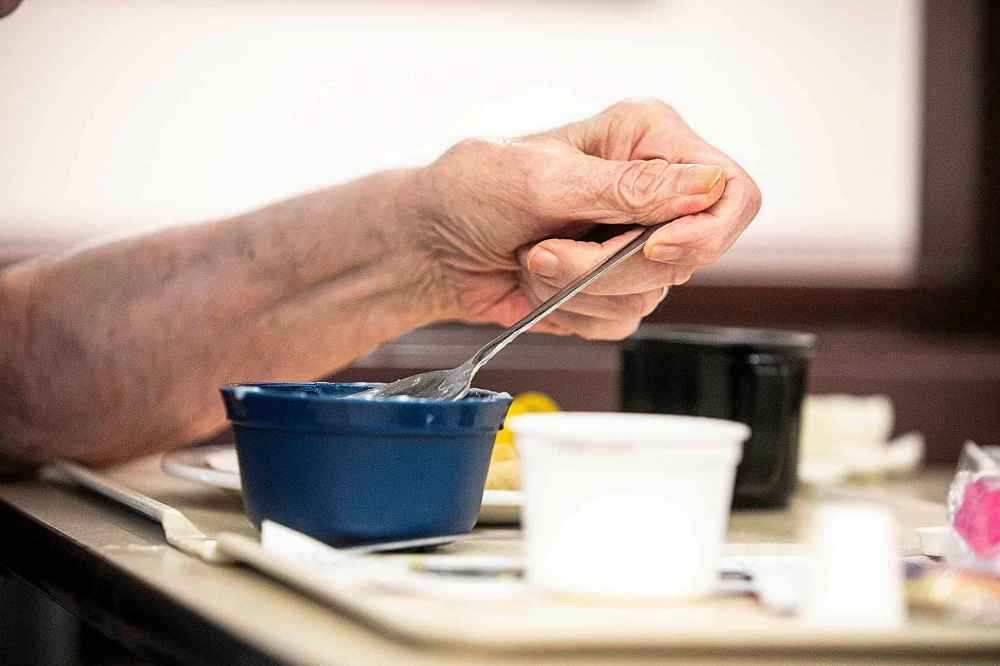
The meals were so awful my family discussed documenting them with photos and taking our complaints public. However, my father-in-law was fearful of the consequences — as many seniors are for speaking out for receiving a substandard level of care — so we didn’t pursue it.
Instead, we expressed our concerns about the lack of colour, flavour and nutrition in letters calling for a formal review of the situation. None were answered.
One of the most disgusting meals featured a wiener — the World Health Organization has classified processed meats such as hot dogs as carcinogenic — and a side order of something unidentifiable in a pile on his plate. It was heartbreaking.
Like many families in our situation, we purchased a small fridge for his room and would regularly stock it with some of his favourite snacks when visiting to raise his spirits.
He died in 2024, and I still feel terrible about the sad state of his meals during the last few years of his life.
The Regional Distribution Facility mass-produces food for seven of the city’s 37 care homes.
In many cultures, sharing food is equated with gratitude, connection and sacredness. Eating brings nourishment, sustenance and all the associated benefits to mind and body.
Whether eating together with friends, family or alone, mealtime is fundamental to our well-being.
For many seniors living in Manitoba personal care homes, mealtime is not something to enjoy, much less celebrate.
Because of the variety of ways in which senior care is delivered across the province — for-profit, not-for-profit, faith-based, non-faith-based, culturally focused, not culturally focused, urban and rural — there is no consistency in meal quality.
Some have commercial kitchens on site, others don’t. In Winnipeg, the Regional Distribution Facility mass-produces food for seven of the city’s 37 care homes. The frozen meals are delivered to each site where they are warmed up and then distributed on trays.
Though there are established guidelines related to nutritional and caloric content for care homes, they don’t often match up with what many residents are seeing on their plates.
One thing is for certain: everybody needs to eat. But all too many Manitoba seniors are not eating well.
Carol constantly worries about her 79-year-old husband, who has lived with Parkinson’s disease for 25 years, including the last five in a Winnipeg care home. A longtime picky eater, it’s been a difficult adjustment.
“He doesn’t eat unless we bring him stuff,” says Carol who, like many interviewed for this story, didn’t want to be fully identified.
“He liked steak and fries, of course you never get that in a care home. He liked burgers and fries — he liked food. But the vegetables are always cooked to death, and you almost never get salad. There’s very little fruit.”
Her husband, who has a hard time swallowing, refuses to eat minced or pureed food, Carol says. Getting staff to feed him is an “awful time” and now he’s barely eating.
And consuming more-substantial fare, something he might enjoy, comes with a risk.
“If he chokes, he could die,” Carol says.
“He doesn’t eat unless we bring him stuff.”–Carol
Instead, he often consumes bottles of the liquid meal supplement Ensure, but it’s an ongoing challenge for Carol to stay on top of her husband’s nutritional intake. That her husband struggles with depression, which is common in care-home patients, compounds the challenge.
“Honestly, the majority of staff and management are very good, for what they have to work with,” Carol says. “I can’t blame them, but there’s a lot of room for improvement.”
It’s been a similar experience for Christine Krahn and her parents. They had gone through a significant stretch of upheaval — over the course of 18 months, her mom moved into a 55-plus residence while her father was placed in a care home. It was there where Krahn encountered an unexpected indignity.
“When we got there, I was asked about his favourite food. I said fruit. The social worker looked glum and said, ‘At $6.40 per day per senior he won’t be getting that here. You can bring in anything you want.’”
Krahn took the advice to heart and made sure her father’s favourites — grapes and oranges — were delivered during daily visits from family members.
Her father didn’t find the provided meals very appealing. Along with no fruit, vegetables often came out of a can.
“Dad’s food is a lot better now; he really enjoys his food. There’s a dietitian at the new place. They cater to each senior.”–Christine Krahn
Unsatisfied, the family moved her father to a new centre where he has access to oranges and other fresh fruit at every meal, healthy portions of vegetables, such as broccoli, cauliflower and carrots, and staff deliver a large refillable water jug to each resident every morning.
It’s a simple thing, but vitally important, as dehydration and urinary-tract infections are common in seniors.
“Dad’s food is a lot better now; he really enjoys his food. There’s a dietitian at the new place. They cater to each senior,” Krahn says.
Krahn’s and Carol’s experiences mark a growing concern among the sandwich generation — those providing care for both young children and care-dependent adults — who are now the dietary gatekeepers of aging parents. Another woman, who asked not to be identified, reflected on how important food was in her mother’s life.
“I looked at the menu and I see minced chicken fingers and an orange ball on her plate and wonder, ‘What’s that?’”–Anonymous
Her mother is now wheelchair-bound, disabled with Parkinson’s and, at age 91, no longer able to cook. Good, fresh food — and the joy of cooking — had always been at the centre of her life, her daughter says.
“Grocery shopping for her was an outing and not just a chore,” she says.
Her mother had been staying in hospital awaiting a placement in a care home for nine months. The family finally gave up, as it was taking a toll, and brought her back home to live. They are now paying for private care.
The family orders pre-made meals from Food for Thought, a local meal-service company that was originally created in part to provide nutritious offerings to seniors. To supplement that, everybody in the family cooks for her as well.
“The one thing she had control over was the food she ate and that made her happy. When she went into the hospital, everyone was concerned she was going to hate all the food.
“That’s kind of what happened,” she says. “Some of it hasn’t been so bad. But with a minced diet, there’s the gross factor. I looked at the menu and I see minced chicken fingers and an orange ball on her plate and wonder, ‘What’s that?’”
Christina Lengyel is a professor in nutritional sciences at the University of Manitoba whose research focuses on nutrition for seniors in long-term care. It’s a passion she’s had since volunteering in personal care homes as a teenager.
When she began her career, she wondered why some people in care settings were not eating. She recalls a particularly memorable scene: a lone gentleman seated at a dining-room table with others — he required eating assistance and could not socialize. Instead, he would pick up sugar packages, take them to his room and consume them there.
BROOK JONES/FREE PRESS Poor food intake and subsequent malnutrition can lead to a host of problems for people living in long-term care, University of Manitoba professor Christina Lengyel says.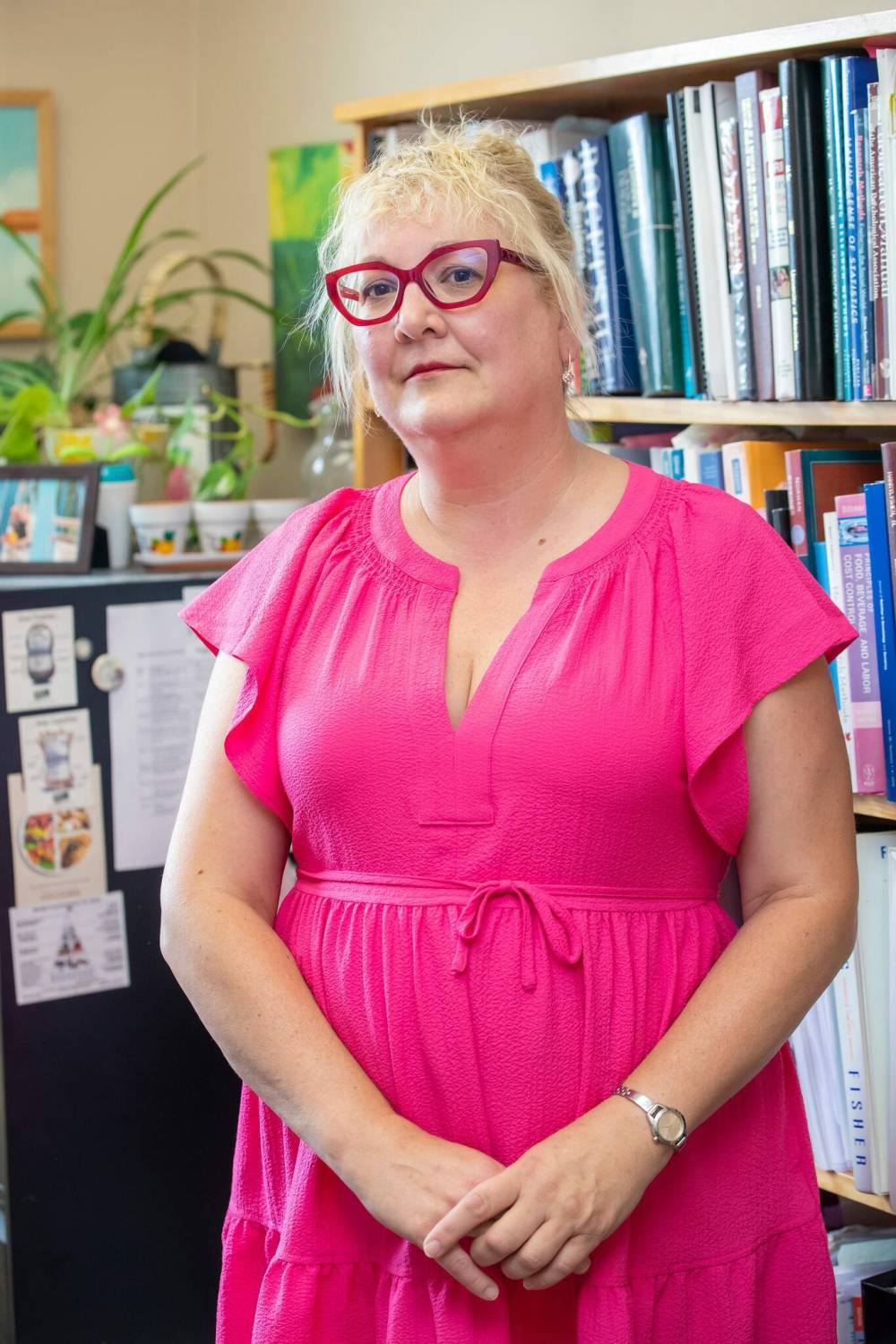
“Over 60 per cent of people in long-term care have some form of dementia, memory impairment and can’t take care of themselves,” Lengyel says. “It is challenging. We still see these things, but COVID brought the light: it’s the system. Food is one tiny piece.”
Lengyel was one of several researchers involved with the Making the Most of Mealtimes study, the largest of its kind in Canada to explore food and nutrition issues in long-term care and retirement homes, and the role of the mealtime experience. The study involved several provinces.
According to the study, poor food intake and subsequent malnutrition are pervasive among older adults living in long-term care homes, resulting in significant repercussions. Weight loss and substandard nutrition have been implicated in falls, chronic wounds, poor healing of wounds, hospital admissions, disproportionate use of health services and reduced quality of life.
“Poor food intake is the primary mechanism for malnutrition in this population and is potentially preventable for some residents,” the study states.
The study looked at multiple factors influencing the dining experience — everything from what the food looks, tastes and smells like, portions, residents’ appetites and preferences, variety, presentation, texture, temperature and delivery.
And there were other considerations: a resident’s ability to eat unassisted or if they had difficulty swallowing; whether they had dementia or diminished mental acuity; the ambience in the dining room; staffing numbers and level of training; a facility’s philosophies of care and policies; and overriding regional factors, such as government regulations.
“Food is such an integral part of what we do,” Lengyel says. “If food tastes bad, it’s going to make us feel sad. It’s such an important part of our quality of life. It’s not the only thing. A lot of people focus just on the food.”
The ability to comfortably access food is also critically important for the aging population.
“Let’s say the food is hot and pretty, and meets all the nutrient requirements, but the resident has had a stroke,” Lengyel explains. “They can’t use their dominant hand. Half of it is on their shirt. Do they have access to the food? There are many ways to look at it.
“(Such as) their capacity to be able to take the food and put it in their mouth. Sometimes people need cueing. Are they getting the support they need? If the dentures are out of their mouth because they don’t fit, it can become dangerous. People are vulnerable — access to food is critical.”
For Lengyel, the mealtime experience also needs to include social interaction and ambience.
MIKAELA MACKENZIE / FREE PRESS
Unappetizing food, dementia and physical struggles can all combine to make mealtime a significant challenge for many seniors.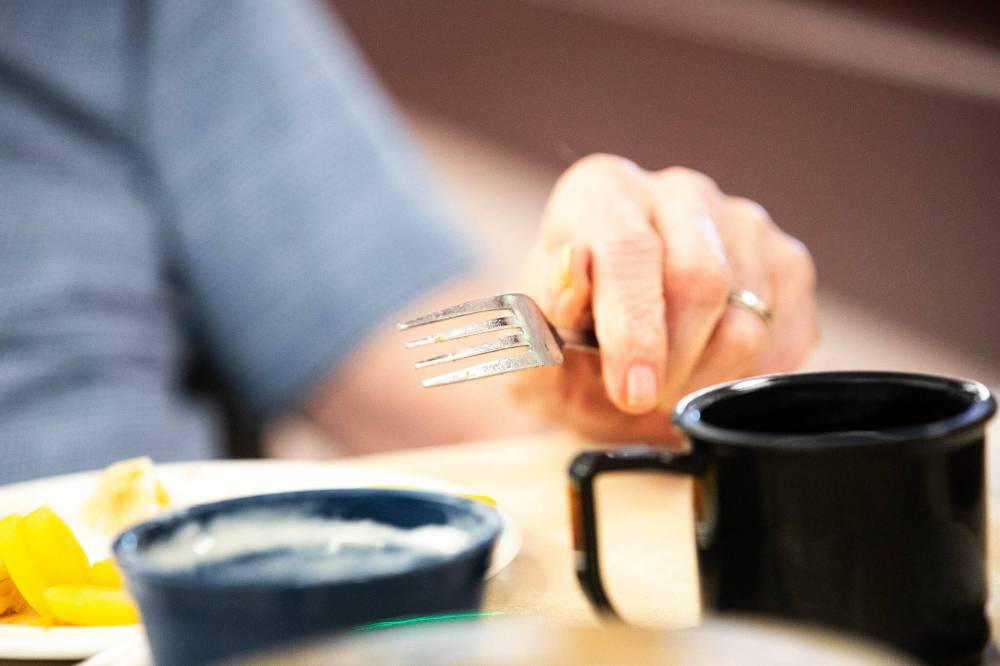
“Is the dining room a welcoming home-like environment or does it feel more like an institution? Being aware of environmental factors like sounds: is a TV on that is distracting people? If there’s music (which is beneficial), is it too loud or not appropriate? Is the temperature of the room too cold or too hot? Are residents next to a window? Is the air conditioner on? Meal pace is also important. Are residents stressed or rushed?” she continues, noting all of these factors play a role in how the resident will respond to food.
Plus, Lengyel adds, staff plays a huge part in the outcome.
When Lengyel and her colleagues undertook the study in 2017, the daily food allowance per resident was between $6 and $8. More money was spent at for-profit care homes, but the study found it didn’t really make a difference.
“There’s lots of problems — it’s not consistent between homes,” she says. “Some homes are really good, some homes are not. We also need more money from the government. Who are they hiring? People who don’t have the education — lots of issues there too.
“When we look at day care and personal care home staff — (those serving) the two most vulnerable groups — they get paid the least and they’re getting the lowest food budget. Why? That dictates what people can do. We have to ensure we are advocating.”
The Winnipeg Regional Health Authority’s nutrition and food services division has clinical dietitians who assess every new resident within eight weeks of admission, says Julie Gislason, chief nutrition and food services officer with the WRHA.
Those dietitians work with residents, families and care providers to create a personalized nutrition plan based on cultural preferences, food likes and dislikes, allergies and sensitivities, and therapeutic needs, Gislason said in a prepared statement.
“All residents have access to at least three meals per day in addition to between-meal nourishments and hydration; the menu is reviewed and approved by a registered dietitian to ensure nutritional adequacy; likes and dislikes are accommodated to the extent possible; and residents and families have the opportunity to provide input into the menu,” she said.
“With over 50 per cent of long-term care residents at risk of malnutrition, the goal of our service is to optimize meal quality and variety in an effort to enhance mealtime satisfaction and overall intake.”–Julie Gislason
There are seven personal care homes that fall under the WRHA umbrella. The sites follow a three-week rotating menu based on nutritional recommendations, including Eating Well with Canada’s Food Guide, and is updated three to four times a year based on feedback, Gislason said.
The regional health authority offers more than 80 different diet orders, including kosher, halal, gluten-free, vegetarian, vegan and texture-modified diets. All food products are evaluated for nutrition, taste, appearance, quality, texture, variety and cost, which are coded in the menu-management system to ensure residents receive safe options based on their individual needs, according to the WRHA statement.
At each meal, there are at least two hot entrées, one cold entrée, with starch, vegetable, soup, fruit, dessert and beverage options available.
“With over 50 per cent of long-term care residents at risk of malnutrition, the goal of our service is to optimize meal quality and variety in an effort to enhance mealtime satisfaction and overall intake,” Gislason said, adding the regional authority also shares best practices in clinical nutrition and menu planning with dietitians from Winnipeg’s 37 personal care homes, along with discussing ongoing challenges and developing regional guidelines.
Retired nurse and former president of the Manitoba chapter of the Canadian Celiac Association Susan Finlay knows the challenges faced by people with celiac disease in all types of health-care facilities.
Celiac disease is an autoimmune illness where the ingestion of gluten leads to damage in the small intestine.
“There’s nothing for you to eat, not just in personal care homes,” Finlay says, though it is “accentuated in the elderly.”
Susan Finlay has given presentations in long-term care facilities, educating staff about the importance of knowing what foods are safe for residents.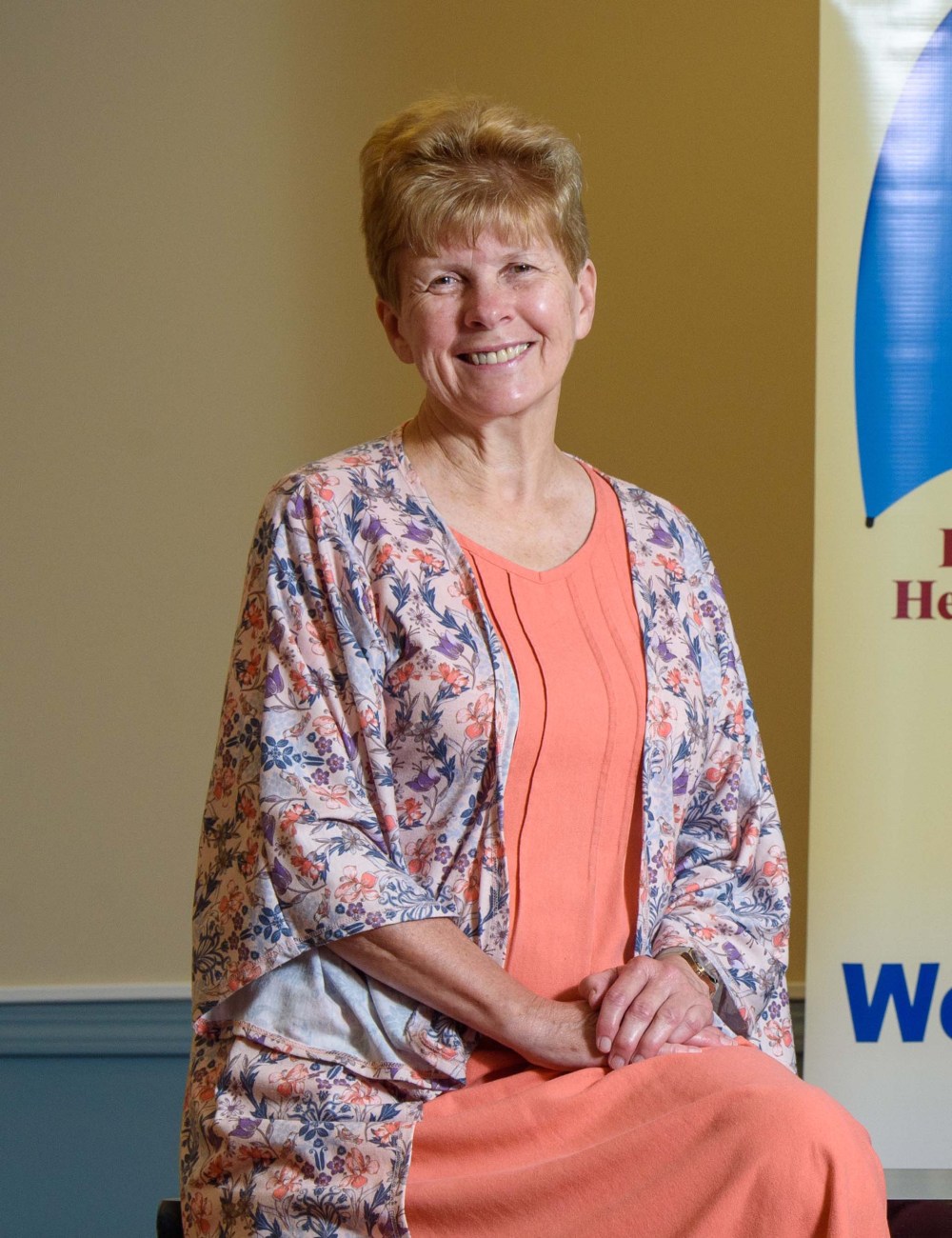
Finlay, who was diagnosed with celiac disease 25 years ago, has given presentations in long-term care facilities, educating staff about the importance of knowing what foods are safe for residents.
“Every PCH has a dietitian responsible for the food plan. Assisted-living facilities do not; that’s a whole other ball game,” Finlay says. “It’s apples and oranges. In all cases it’s a matter of how well-trained staff are on site.”
The Canadian Celiac Association put together a practical guide, a sort of everything-you-need-to-know about the disease, including nutritional deficiencies that can arise when the proper foods aren’t being consumed.
Finlay knows there’s a long road ahead to ensuring staff in all senior-care facilities are knowledgeable about following gluten-free diet guidelines and the consequences of failing to do so.
“Always ask. Even if I pre-order something I ask, ‘Is that GF (gluten free)?’ I always ask the server — there’s always well-meaning people — but if I’m 92 and I can’t hear…” she says, highlighting the severe health complications that could result from eating the wrong foods.
“The vulnerable population can’t advocate for themselves.”
Deb has worked in geriatric social work for decades. One of her clients was admitted to a care home when alcoholism had left her life unmanageable.
“It’s like living One Flew Over the Cuckoo’s Nest,” the client told Deb, referring to the 1975 movie starring Jack Nicholson about life in a psychiatric hospital.
The woman lost significant weight at the care home, because the portions were minuscule and unappetizing. She feared she might die and asked Deb to come see her during mealtimes.
“She was seated with people who were severely demented, who’d sit there unassisted. She was trying to eat her meals with people who needed assistance with eating,” Deb explains, noting staff members were not always available to help.
MIKAELA MACKENZIE / FREE PRESS Deb is concerned about how mealtime for seniors has become something to dread rather than appreciate.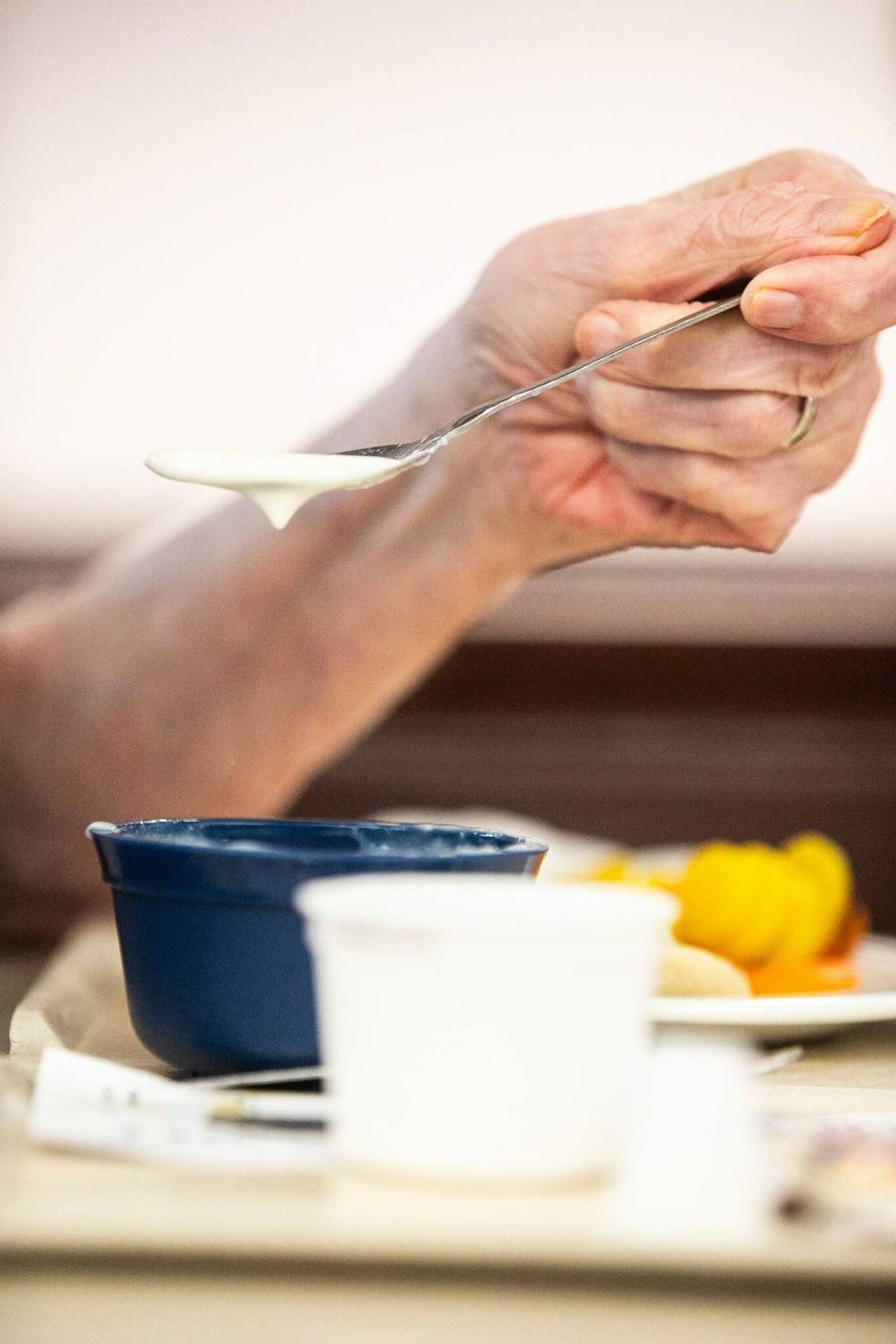
Deb is concerned about how mealtime for seniors has become something to dread rather than appreciate. She believes there should be standards for the eating environment, and mandates ensuring people are fed good, nutritious meals.
“The food — it’s not great. Every PCH should have its own kitchen, assisted living should have its own kitchen. We also need to have trained volunteers and staff that are there to create healthy eating environments. We are social beings,” she says.
“It’s gotten worse. There was a time — I feel so fortunate I was able to specialize and work in that time — when older-adult care and gerontology was the topic, the place to work. There was pride in working with older adults and having the skill set to do that. There were conferences and training. It was so dynamic, the work that was going on in personal care homes, in hospital and in communities. I just feel really sorry for people now.”
Government cutbacks, health-care restructuring and an erosion of advocacy supports have all lead to today’s dire situation in care homes, Deb says.
Although the province recently committed to improving care for the elderly by creating an independent seniors’ advocate, much more is needed, Deb says.
“We are getting one person, a senior advocate. One. We need social activism among older adults to say that we are here, with this large population of baby boomers.
“We need to get activated in more of a community-advocacy way, to come together, provincially. Don’t hesitate to advocate, no matter where you are with an older adult. We need to put aging back on the map.”
The daughter whose mom grew up with a love of cooking remains worried about extended-care wait times and the quality of institutional food, but says the creation of a seniors’ care advocate is a step in the right direction.
“This needs to be part of a larger strategy around elder care. An ombudsman for elder care — I couldn’t support (such an initiative) more,” she says.
“I would not have anyone to advocate for me like I do for my husband. It’s not happening, ever. If I ever get to that point, I’ll figure out how to end things.”–Carol
Krahn, a vegan, would like to see care homes reflect today’s environmental concerns and dietary diversity.
“Changes need to be made. It’s a big thing, the health and well-being of our seniors and the health of the planet,” she says.
“If I ever end up in a PCH, would there be any options for me?”
For Carol, her husband’s experience has her worried about her own elderly care.
“I would not have anyone to advocate for me like I do for my husband. It’s not happening, ever. If I ever get to that point, I’ll figure out how to end things.
“The quality of food… it’s tasteless, there’s no fresh stuff. I don’t blame the staff. You have to have good ingredients to work with. They do their best with what they have. Prisoners get better meals.”
fpcity@freepress.mb.ca
Related Articles
Home care workers fear disorganization will leave 4,200 requests for care unfulfilled