How algorithms shape our online experience
Please review each article prior to use: grade-level applicability and curricular alignment might not be obvious from the headline alone.
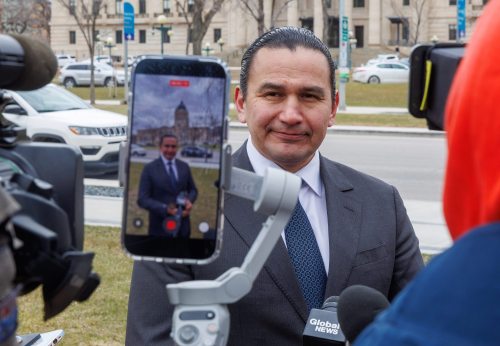
Kinew threatens billion-dollar fines for tech giants ignoring social-media ban for youths
5 minute read Preview Tuesday, Apr. 28, 2026
Manitoba education minister says social media ban could start in schools
5 minute read Preview Tuesday, Apr. 28, 2026
Child advocates call for online harms bill covering AI chatbots, gaming
5 minute read Preview Tuesday, Apr. 28, 2026
Advocates praise move to ban social media use among youths
5 minute read Preview Sunday, Apr. 26, 2026Trust and AI in Manitoba’s public sector
6 minute read Saturday, Apr. 25, 2026The Kinew government has embraced new technology as the basis for innovation and enhanced productivity in the economy, including the modernization of government operations. It established a new department for innovation and new technology, created a “blue-ribbon” advisory task force on the use of technology to support the economy, and launched public consultations on how AI systems could be used to promote the rights and opportunities of citizens.
This is part of the background to the Public Sector Artificial Intelligence and Cybersecurity Act (Bill 51) which is about to be sent to a committee of the legislature for detailed study. The bill represents a cautious first step to set some guardrails on the design, application and outcomes of AI in the public sector broadly defined.
Some brief, incomplete comments on AI and its potential impacts set the stage for the analysis of Bill 51.
AI is global in its reach, is evolving rapidly and is largely under the control of a small number of major technology companies. This means regulation of the private-sector use of AI must come mainly at the national level, with the provincial government potentially supplementing those rules.

AI smart glasses will help visually impaired runners take on the London Marathon
5 minute read Preview Saturday, Apr. 25, 2026
AI-driven app like a grain market ‘analyst in your pocket’
4 minute read Preview Thursday, Apr. 16, 2026
AI content should be labelled, heritage committee says
2 minute read Preview Saturday, May. 9, 2026
A small but growing movement wants you to put down your phone. But first read this
5 minute read Preview Monday, May. 11, 2026