

Medical mystery traces origins of neurological diseases
Advertisement
Read this article for free:
or
Already have an account? Log in here »
To continue reading, please subscribe:
Monthly Digital Subscription
$0 for the first 4 weeks*
- Enjoy unlimited reading on winnipegfreepress.com
- Read the E-Edition, our digital replica newspaper
- Access News Break, our award-winning app
- Play interactive puzzles
*No charge for 4 weeks then price increases to the regular rate of $19.00 plus GST every four weeks. Offer available to new and qualified returning subscribers only. Cancel any time.
Monthly Digital Subscription
$4.75/week*
- Enjoy unlimited reading on winnipegfreepress.com
- Read the E-Edition, our digital replica newspaper
- Access News Break, our award-winning app
- Play interactive puzzles
*Billed as $19 plus GST every four weeks. Cancel any time.
To continue reading, please subscribe:
Add Free Press access to your Brandon Sun subscription for only an additional
$1 for the first 4 weeks*
*Your next subscription payment will increase by $1.00 and you will be charged $16.99 plus GST for four weeks. After four weeks, your payment will increase to $23.99 plus GST every four weeks.
Read unlimited articles for free today:
or
Already have an account? Log in here »
Hey there, time traveller!
This article was published 26/05/2012 (4944 days ago), so information in it may no longer be current.
VETERAN Canadian science broadcaster Jay Ingram’s 11th book is perhaps his scariest.
Fatal Flaws traces the origins of a number of neurological diseases, including bovine spongiform encephalopathy, better known as mad cow disease.
It was the discovery of BSE in a single cow in Alberta nine years ago that devastated the livestock industry in Western Canada.
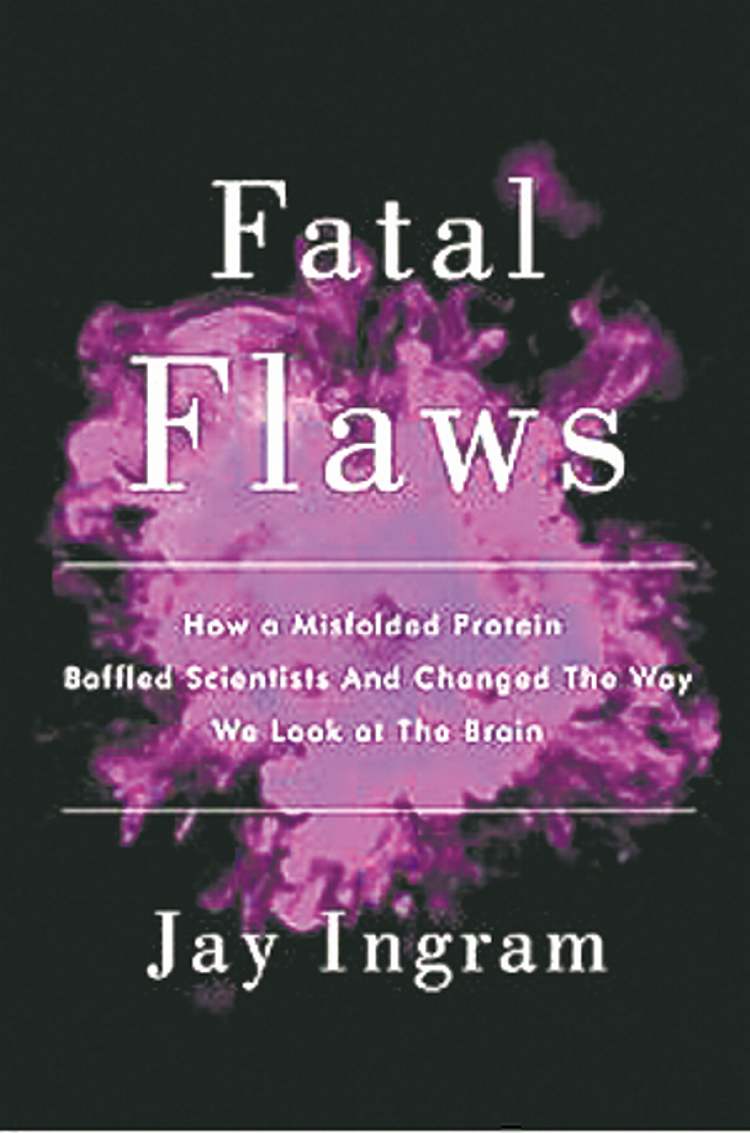
The human variant, known as Creutzfeldt-Jacob disease, was earlier blamed for more than 150 deaths in the United Kingdom, and it forced the slaughter of hundreds of thousands of cattle.
The proteins in the subtitle of Ingram’s book are prions. He traces the scientific study of them back to the 1950s in a remote area of the island of New Guinea, where tribes engaged in cannibalism until recent times.
Pioneering scientists went there to study the effects of a disease called kuru. Early descriptions used terms like sorcery and acute hysteria. Symptoms in humans were similar to the historic video footage of the British cow which staggered and fell to the ground.
Ingram, a graduate of Winnipeg’s Kelvin High School, is the former host of CBC Radio science program Quirks and Quarks and of Daily Planet on TV’s Discovery Channel.
He and the scientists he talks about stopped short of drawing a link between cannibalism and these neurological diseases, but the possibilities will undoubtedly make some readers think twice before ordering a burger at the drive-through.
Fatal Flaws speaks with great admiration about some of the scientists who have been involved in this field over the decades. Many passages read like a sci-fi detective story, and not all of the work that has been done by the folks in the white coats has been entirely noble.
Publish or perish has long been one of the commandments of the scientific world in universities. Ingram does not shy away from evidence that officials in the U.K. could have prevented some of the devastating consequences of the mad cow crisis if they had acted sooner on the reports they were given.

Ingram draws a parallel to the history of motor vehicles. As far back as the 1920s, there was strong evidence that emissions of lead and other chemicals produced in the burning of gasoline were highly toxic, but Henry Ford and other giants of the auto industry prevailed over the scientists.
After the BSE crisis, scientists are now worried about the evolution of another similar plague, known as chronic wasting disease. It is affecting growing numbers of deer and elk, and there’s concern that it may soon devastate the northern caribou herds that are the lifeblood of many aboriginal communities.
Fatal Flaws does include some hopeful information about where prion science might lead in the future. It could include positive advances in efforts to better understand diseases like Parkinson’s and dementias of various kinds.
Roger Currie is a Winnipeg writer and broadcaster.