Matzo a pillar of Passover tradition
Advertisement
Read this article for free:
or
Already have an account? Log in here »
To continue reading, please subscribe:
Digital Subscription
One year of digital access for only $1.44 a week*
- Enjoy unlimited reading on winnipegfreepress.com
- Read the E-Edition, our digital replica newspaper
- Access News Break, our award-winning app
- Play interactive puzzles
*Billed as $5.77 plus GST every four weeks. After 52 weeks, price increases to the regular rate of $19.95 plus GST every four weeks. Offer available to new and qualified returning subscribers only. Cancel any time.
To continue reading, please subscribe:
Add Free Press access to your Brandon Sun subscription for only an additional
$1 for the first 4 weeks*
- Enjoy unlimited reading on winnipegfreepress.com
- Read the E-Edition, our digital replica newspaper
- Access News Break, our award-winning app
- Play interactive puzzles
*Your next Brandon Sun subscription payment will increase by $1.00 and you will be charged $17.95 plus GST for four weeks. After four weeks, your payment will increase to $24.95 plus GST every four weeks.
Read unlimited articles for free today:
or
Already have an account? Log in here »
Hey there, time traveller!
This article was published 23/04/2016 (3832 days ago), so information in it may no longer be current.
Passover began April 22 this year, but in many Jewish households, preparation for the eight-day holiday began in earnest days before.
Depending on the household’s level of religious observance, preparation included a thorough cleaning of the house to ensure it was rid of all chametz (the leavened or fermented grain products forbidden on Passover), as well as the transferring of Passover dishes into the kitchen, and purchasing and preparing foods that are kosher for Passover.
Kosher-for-Passover foods are different than foods that are just kosher. Kosher food abides by kashrut, the Jewish dietary laws that determine what foods can be consumed and what foods are prohibited, and how these foods should be processed and prepared. There are hundreds of dos and don’ts that comprise kashrut, among them the prohibition against eating pork and seafood, and meat with milk.
Foods that are kosher, however, are not necessarily kosher for Passover.
During Passover, all foods containing, or at risk of containing, chametz are forbidden. This restriction is traced back to the story of the ancient Hebrews’ quick escape from Egyptian slavery when they could not wait for their bread to rise.
As it is written in Exodus 12:39: “The dough, which they brought out of Egypt, they baked into unleavened bread, because they were driven out from Egypt and they were not able to delay, and they had not prepared any provisions.”
This unleavened flatbread, known as matzo, is the staple food of Passover. Matzo’s unique taste and texture serve as an indelible reminder to modern-day Jews about their history of enslavement and the miracle of their liberation.
During Passover, matzo, or products made from matzo, replace all bread and bread products. While most vegetables and fruits are automatically kosher for Passover, many processed foods can be made kosher for Passover under proper supervision.
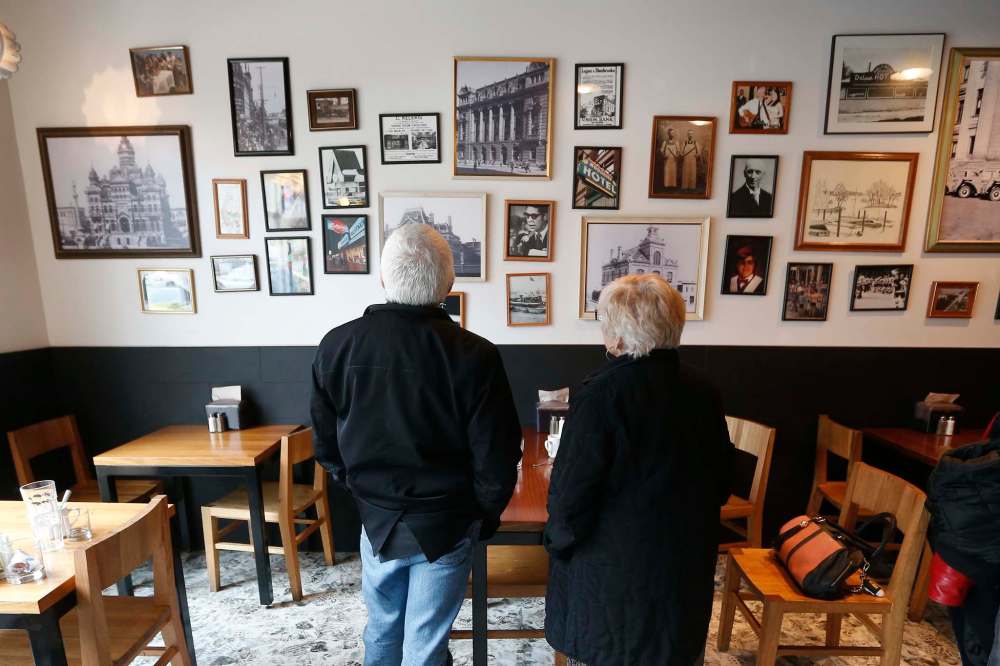
In Winnipeg, kosher for Passover foods can be purchased at several grocery stores located in areas of the city that tend to have a higher concentration of Jewish residents. In a unique undertaking, a small kosher outlet that has been serving the Winnipeg Jewish community for more than 30 years recently partnered with a health-food store that has only been on the Winnipeg scene for a few months.
This pairing of Desserts Plus with the Fresh Carrot reflects a growing trend of consumers on restricted diets, or intent on eating healthy, increasingly purchasing kosher foods, mainly for the extra layer of supervision and scrutiny kashrut implies.

In Judaism, pareve foods, for example, are foods that are neither meat nor dairy but can be eaten with either meat or dairy. But since meat and dairy cannot be eaten with each other, pareve foods cannot contain any traces of either. Strict rabbinical supervision ensures this, in the process making pareve products a great food choice for vegans and individuals with dairy allergies.
For many Jews, choosing kosher foods and in particular, foods that are kosher for Passover also is not necessarily about adhering to the letter of religious law.
“A great many folks who aren’t kosher shop for Passover products,” says Barbara Reiss, proprietor of Desserts Plus. “Mainly, tradition keeps them coming back,” she says, “for not only basic supplies but for specific brand items, because their mother or grandmother served certain dishes for which they have fond memories.”
Food, fond memories and family traditions are, after all, the main ingredients at holiday tables. At the Seder, the festive meal that marks the start of Passover, rituals, readings, blessings and songs are key ingredients, too.
swchisvin@gmail.com
The Free Press is committed to covering faith in Manitoba through our Religion in the News project. This reporting continues because readers like you step forward to fund it.
Donate now to support our reporting on religion.
Your donation is eligible for a charitable tax receipt.
BECOME A FAITH JOURNALISM SUPPORTER
The Free Press acknowledges the financial support it receives from members of the city’s faith community, which makes our coverage of religion possible.