

Don’t do dysfunction
Preventive strategies avoid workplace meltdowns
Advertisement
Read this article for free:
or
Already have an account? Log in here »
To continue reading, please subscribe:
Digital Subscription
One year of digital access for only $1.44 a week*
- Enjoy unlimited reading on winnipegfreepress.com
- Read the E-Edition, our digital replica newspaper
- Access News Break, our award-winning app
- Play interactive puzzles
*Billed as $5.77 plus GST every four weeks. After 52 weeks, price increases to the regular rate of $19.95 plus GST every four weeks. Offer available to new and qualified returning subscribers only. Cancel any time.
To continue reading, please subscribe:
Add Free Press access to your Brandon Sun subscription for only an additional
$1 for the first 4 weeks*
- Enjoy unlimited reading on winnipegfreepress.com
- Read the E-Edition, our digital replica newspaper
- Access News Break, our award-winning app
- Play interactive puzzles
*Your next Brandon Sun subscription payment will increase by $1.00 and you will be charged $17.95 plus GST for four weeks. After four weeks, your payment will increase to $24.95 plus GST every four weeks.
Read unlimited articles for free today:
or
Already have an account? Log in here »
Hey there, time traveller!
This article was published 15/06/2013 (4757 days ago), so information in it may no longer be current.
THE Phoenix inquiry, that horrible ongoing story of child abuse and neglect is finally over but not before there were 126 witnesses, 85 days of court, 35 lawyers and $9 million of costs. And what’s the result? There’s been restructuring within the support systems, more attention, some additional resources and some new investments made. However, the last of the experts testified that prevention and prevention as early as possible is what will truly make the difference.
As a former social worker, educator and now a human resources professional, when I think of the childwelfare system, I can clearly see some terribly scary and unwelcome parallels in our workplaces.
For instance, we have dysfunctional leaders who act like dysfunctional parents and who without help will continue to flounder and cause damage to who should be looking up to them.
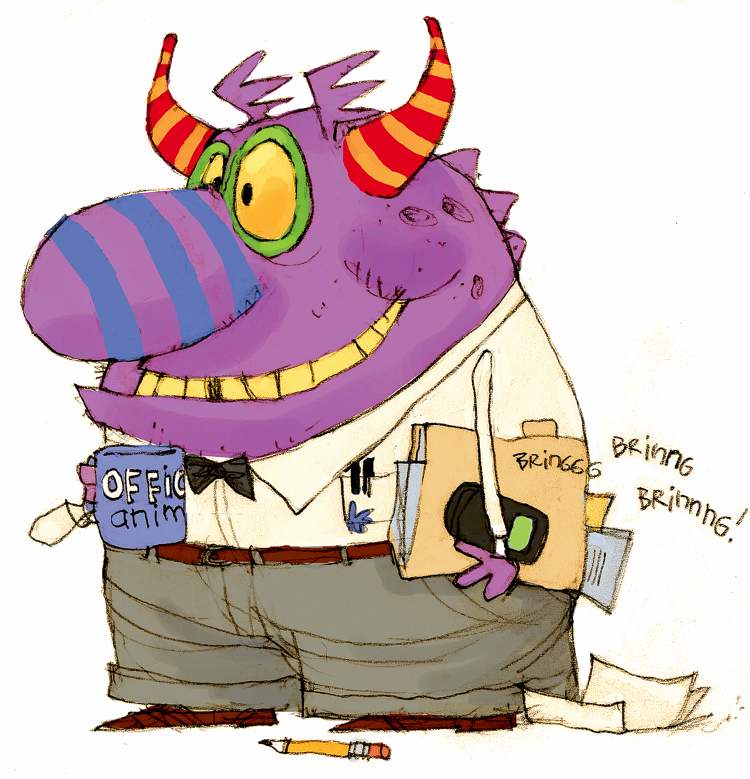
As a result, we have dysfunctional employees who engage in many of the same manipulations and poor behaviour as dysfunctional children do in a home. They participate in bullying, mobbing, gossip, verbal sparring and sometimes outright fighting. Similar to teenagers, some employees resist rules for arriving and leaving on time, they hate being told what to do, fail to report when asked and don’t want to be accountable.
In addition, workplace resources may not be made available until a crisis arises and/or resources may simply not be distributed fairly to support smooth functioning. Information might not be shared when appropriate, notes may be destroyed and/or files go missing. Followup may be so poor projects are left to wither away and be forgotten while those employees on disability can literally be abandoned. Stress and anxiety hang over the head of all who enter the workplace and before you know it, employee turnover is above the industry average.
Yet, most often, it’s not the dysfunctional leader who leaves the organization, it’s those good employees who no longer feel respected, no longer make the contribution they had hoped to make and no longer fit in the dominant but dysfunctional organizational culture. At the end, they know to save themselves and their career, they must move on.
While this damning description of potential workplace conflicts sounds quite dire, believe me, it’s a lot more common than one would like to think. Just ask an employee after sitting in court for multiple days with multiple witnesses trying to secure their perceived due for wrongful dismissal and/or an inadequate severance package. Just ask an employer who has spent thousands of dollars on legal fees that should have and could have been avoided.
And if the question to preventing child abuse is early prevention, then this concept also applies to the workplace. Prevention, prevention, prevention! But, what does prevention look like in the workplace? The following strategies will assist you to implement comprehensive prevention strategies and to develop a harmonic work culture.
Standardized processes:
Particularly as a company grows, policies, procedures and standardized processes and routines that create consistency and guide employee task completion are critical.
This prevents individual employees from engaging in “job creep” or in other words, doing their own thing and going in their own direction that in turn disrupts the flow of service.
Implement human resource policies:
Kids need rules and regulations and so do employees. After all, there’s nothing more irritating than perceived employee favouritism and unequal treatment overall, especially when it comes to attendance, vacation and coffee and lunch breaks. Be sure your human resource policies are up to date, everyone understands them and everyone is treated equally and with respect.
Conflict-management processes: Ensure problems are dealt with immediately, thus preventing individuals from “backpacking” all their problems and then exploding in a rage. Ensure all employees feel free to discuss their issues and contribute to solutions. As well, ensure all managers utilize a standard conflict-management approach so employees won’t be tempted to direct their issue to a more lenient manager.
Management training:
Every manager/supervisor is a trainer the same as every parent is a “trainer.” As a result, “train the trainer” programs that teach management to be better managers are key to preventing a dysfunctional organization. This training should include selfawareness, how to motivate and build a team, build a performance culture, engage in positive performance management and how to deal with conflict in a timely manner.
Employee engagement strategies:
The old adage that families that play together will stay together also applies to the workplace. Create a culture of engagement by involving employees in various business problem-solving activities and create effective reward and recognition programs. Plan for seasonal fun events and be sure to create special celebratory events for all to attend.
Hold regular meetings:
The notion of keeping family members in the information loop also applies to the workplace. Hold regular information sessions for employees, share future plans and when appropriate invite employees to provide input into specific challenges. Ensure senior leaders are always in the know, discuss issues and collaborate on public responses so there is consistency with all messages.
Build a decisive leadership culture:
Procrastination and being risk-averse in business is similar to being a procrastinator in one’s family life. No matter what, it all leads to missed opportunities, interpersonal conflict and cost. In business, procrastination and indecision can lead to significantly increased corporate costs as well as personal career derailment.
Manage change effectively:
Once children get into a routine and become engaged with activities and friends, they don’t like to be uprooted; they don’t like change. Employees are no different. Yet, the truth is businesses are confronted with change every day and if they don’t adapt, they won’t survive. Adopt an effective change-management approach by involving your employees in planning, developing and implementing change. Learning about change after the fact is a culturekiller.
Be flexible:
Toddlers, teens and young adults all have different interests and needs. So do employees. Identify your age demographics and conduct a needs survey. What are people interested in with respect to flexibility? Does their interest lay with desiring flexibility with insurance benefits, flexible time-scheduling or alternative careerpathing? Adapt as much as you can within reason.

Focus recruitment on positive attitude:
Creating a positive and harmonic work culture requires that you pay special attention to the recruitment and selection of individuals with a positive attitude, a sense of caring for people and who can mobilize others into a strong team. Apply effective candidatescreening tools, train your interviewers and make a joint decision. Finally, be sure to offer an effective new-employee orientation program.
It’s actually uncanny how similar our workplaces are to the concept of family. In fact, many businesses refer to their employees as “family” and their business as family-friendly. On the other hand, when conflict arises, I’ve heard managers refer to internal office conflict as being similar to “kids in the sandbox.” While internal employee conflicts do inevitably arise, I have confidence that if effective administrative and human resources systems are put in place, managers and leaders will be able to prevent the type of employee abuse that drives people away and/or ends up in a highly public court battle.
Barbara J. Bowes, FCHRP, CMC, CCP, M.Ed. is president of Legacy Bowes Group. She can be reached at barb@legacybowes. com.