

A kind of home
'Close it,' say the lobbyists. But then what?
Advertisement
Read this article for free:
or
Already have an account? Log in here »
To continue reading, please subscribe:
Digital Subscription
One year of digital access for only $1.44 a week*
- Enjoy unlimited reading on winnipegfreepress.com
- Read the E-Edition, our digital replica newspaper
- Access News Break, our award-winning app
- Play interactive puzzles
*Billed as $5.77 plus GST every four weeks. After 52 weeks, price increases to the regular rate of $19.95 plus GST every four weeks. Offer available to new and qualified returning subscribers only. Cancel any time.
To continue reading, please subscribe:
Add Free Press access to your Brandon Sun subscription for only an additional
$1 for the first 4 weeks*
- Enjoy unlimited reading on winnipegfreepress.com
- Read the E-Edition, our digital replica newspaper
- Access News Break, our award-winning app
- Play interactive puzzles
*Your next Brandon Sun subscription payment will increase by $1.00 and you will be charged $17.95 plus GST for four weeks. After four weeks, your payment will increase to $24.95 plus GST every four weeks.
Read unlimited articles for free today:
or
Already have an account? Log in here »
Hey there, time traveller!
This article was published 14/05/2010 (5861 days ago), so information in it may no longer be current.
There are 285 complicated cases at the Manitoba Developmental Centre, the sprawling campus surrounded by trees on the north side of Portage la Prairie. It’s home to people with severe intellectual and developmental disabilities caused by everything from a traumatic birth to severe autism.
Some are high-risk offenders prone to aggression or sexual crimes like exposing themselves or voyeurism or worse. Those people, mostly men, are kept on a locked ward.
Others are deaf and blind from childhood measles and many have physical disabilities — they’re confined to wheelchairs, they suffer debilitating muscle contractions that contort their bodies, they have seizures.
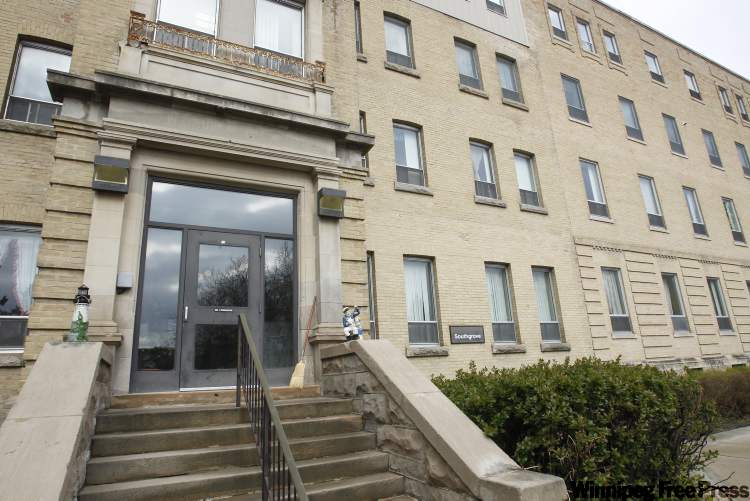
Most — about two thirds — have been largely abandoned by their families and are wards of the public trustee. They get no visitors.
They are at the heart of a debate that’s about to get bigger for one, brutal reason: In eight or 10 years, as the current residents die, the province will be forced, finally, to decide what to do with the huge institution. Where once there were 1,200 residents at MDC, there will soon not be enough left to justify its 700 staff or its $33- million budget.
After years of limbo, Family Services Minister Gord Macintosh is inching toward a decision about the MDC’s fate. This summer, his staff are slated to begin public consultations on what to do with the facility, its programs and the remaining people who are so severely disabled that they require sophisticated, round-the-clock care.

That will throw into sharp relief a hard question: Are there some people whose physical and mental disabilities are so severe or dangerous to the public and themselves that the best place for them is a residential institution? Or, with the right help, can every one of the 285 people at MDC move into a real home in a real neighbourhood?
For the full story, see today’s newspaper or our fpNews electronic edition.