

Mayor Bowman, Mark Chipman part of group that wants to decriminalize public drunkenness
Advertisement
Read this article for free:
or
Already have an account? Log in here »
To continue reading, please subscribe:
Monthly Digital Subscription
$0 for the first 4 weeks*
- Enjoy unlimited reading on winnipegfreepress.com
- Read the E-Edition, our digital replica newspaper
- Access News Break, our award-winning app
- Play interactive puzzles
*No charge for 4 weeks then price increases to the regular rate of $19.00 plus GST every four weeks. Offer available to new and qualified returning subscribers only. Cancel any time.
Monthly Digital Subscription
$4.75/week*
- Enjoy unlimited reading on winnipegfreepress.com
- Read the E-Edition, our digital replica newspaper
- Access News Break, our award-winning app
- Play interactive puzzles
*Billed as $19 plus GST every four weeks. Cancel any time.
To continue reading, please subscribe:
Add Free Press access to your Brandon Sun subscription for only an additional
$1 for the first 4 weeks*
*Your next subscription payment will increase by $1.00 and you will be charged $16.99 plus GST for four weeks. After four weeks, your payment will increase to $23.99 plus GST every four weeks.
Read unlimited articles for free today:
or
Already have an account? Log in here »
Hey there, time traveller!
This article was published 10/05/2017 (3144 days ago), so information in it may no longer be current.
A coalition of business, community and government agencies is developing a plan to decriminalize public drunkenness and involve community groups in a holistic manner to help people battling alcoholism and other drug addictions.
Damon Johnston, president of the Aboriginal Council of Winnipeg and community chairman of the coalition, said the group is close to finalizing a business plan for an alternative method to dealing with intoxicated and addicted persons.
Johnston said having police pick up and transport intoxicated people to the Main Street Project isn’t dealing with the problem of public drunkenness and doesn’t help addicts.
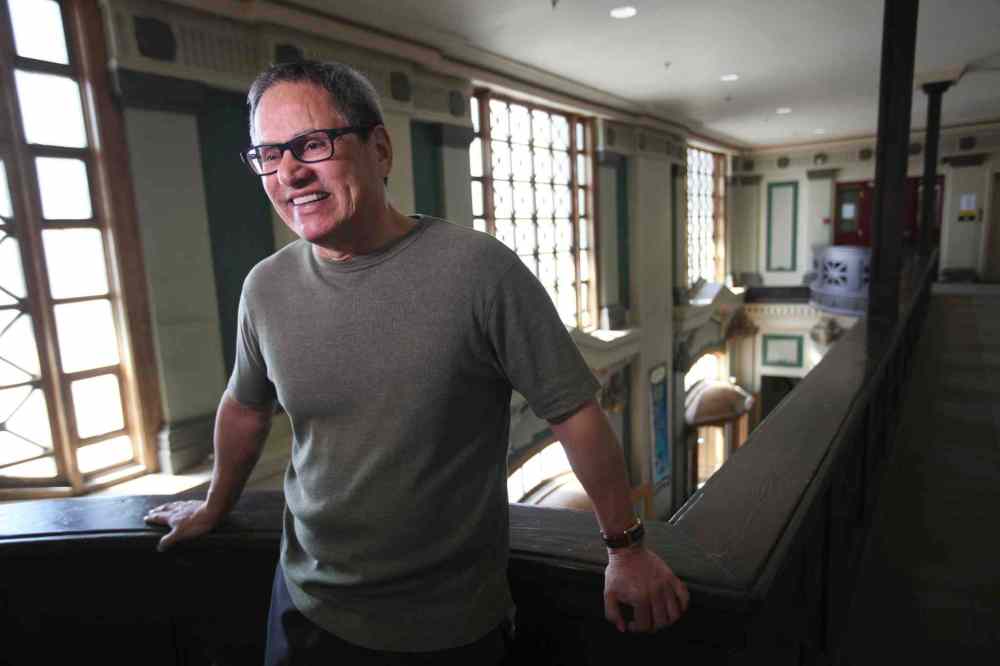
“The business plan that we’re doing is a holistic approach,” Johnston said. “We’re hoping to bring an approach that identifies all the needs that an individual has and take the individuals with repeating behaviours who are constantly showing up in the Main Street Project and get them away from the drinking and the drugs.”
Mayor Brian Bowman confirmed he met with some members of the group, known as the Health and Safety Alliance, in a private meeting last week.
Bowman would only say the group — which included True North Sports & Entertainment chairman Mark Chipman, former deputy police chief Dave Thorne and other community leaders — is concerned about “public safety matters,” on a city-wide basis.
Bowman called the group the Alliance and would not disclose specifics of the discussions. “This was a discussion we had with a number of stakeholders who have some thought on how we can have greater co-ordination in the community with regards to public safety matters,” Bowman told reporters Wednesday.
“It was really just listening to input from (Chipman) and a number of other individuals on their thoughts on how we can essentially co-ordinate safety matters within the city of Winnipeg.”
Johnston said the coalition is finalizing a business plan that calls for the establishment of a new, large 24/7 drop-in centre for intoxicated people — similar to safe-injection sites in Vancouver — that would likely replace the Main Street Project building and remove the responsibility of transporting those people from police to paramedics and other local agencies.
“The Main Street Project is deemed by most of us not to be in the best state of repair,” Johnston said, adding it can’t handle the growing number of intoxicated people taken there and doesn’t offer the range of services and facilities those people really need.
The group has been meeting for more than a year, Johnston said, adding the coalition hired consulting firm MNP to write and research the business plan, which should be completed shortly.
Thorne was an original member of the coalition while he was a deputy chief of police with the WPS. Thorne retired in May 2016 to work with consulting firm MNP and is now part of the MNP team working on the coalition project.
Johnston said other members of the coalition include representatives from the Winnipeg Regional Health Authority, the Winnipeg Police Service, the Winnipeg Fire Paramedic Service, End Homelessness Winnipeg and University of Manitoba criminologist Rick Linden. He said Chipman is the only business representative on the coalition.
Manitoba Liquor & Lotteries had been part of the coalition, Johnston said, but their involvement ended with the change in provincial government.

The coalition is proposing a pilot program that will require funding from all three levels of government, Johnston said, but he declined to say what funding amount is needed.
Johnston said one of the proposals under discussion includes either an amendment to the Intoxicated Persons Detention Act or rescinding the legislation completely.
Johnston said too many police resources are tied up in transporting intoxicated people, adding the group believes other means can handle transportation in a less costly and more timely manner.
“The cost for the police is huge, having police waiting two, 2 1/2 hours to get people into the Main Street Project,” Johnston said. “If we can change that, the cost could be lowered.”
aldo.santin@freepress.mb.ca
History
Updated on Wednesday, May 10, 2017 10:41 PM CDT: updates headline to reflect print product
Updated on Thursday, May 11, 2017 12:32 PM CDT: Adds sidebar
Updated on Thursday, May 11, 2017 12:38 PM CDT: Update