

Program sees ‘smooth transition’
New operator continues unique lake research
Advertisement
Read this article for free:
or
Already have an account? Log in here »
To continue reading, please subscribe:
Monthly Digital Subscription
$1 per week for 24 weeks*
- Enjoy unlimited reading on winnipegfreepress.com
- Read the E-Edition, our digital replica newspaper
- Access News Break, our award-winning app
- Play interactive puzzles
*Billed as $4.00 plus GST every four weeks. After 24 weeks, price increases to the regular rate of $19.95 plus GST every four weeks. Offer available to new and qualified returning subscribers only. Cancel any time.
Monthly Digital Subscription
$4.99/week*
- Enjoy unlimited reading on winnipegfreepress.com
- Read the E-Edition, our digital replica newspaper
- Access News Break, our award-winning app
- Play interactive puzzles
*Billed as $19.95 plus GST every four weeks. Cancel any time.
To continue reading, please subscribe:
Add Free Press access to your Brandon Sun subscription for only an additional
$1 for the first 4 weeks*
*Your next subscription payment will increase by $1.00 and you will be charged $16.99 plus GST for four weeks. After four weeks, your payment will increase to $23.99 plus GST every four weeks.
Read unlimited articles for free today:
or
Already have an account? Log in here »
Hey there, time traveller!
This article was published 21/11/2014 (4176 days ago), so information in it may no longer be current.
OTTAWA — The first season of the reborn Experimental Lakes Area wrapped up recently after its first summer under a new operator, the International Institute for Sustainable Development reported Thursday.
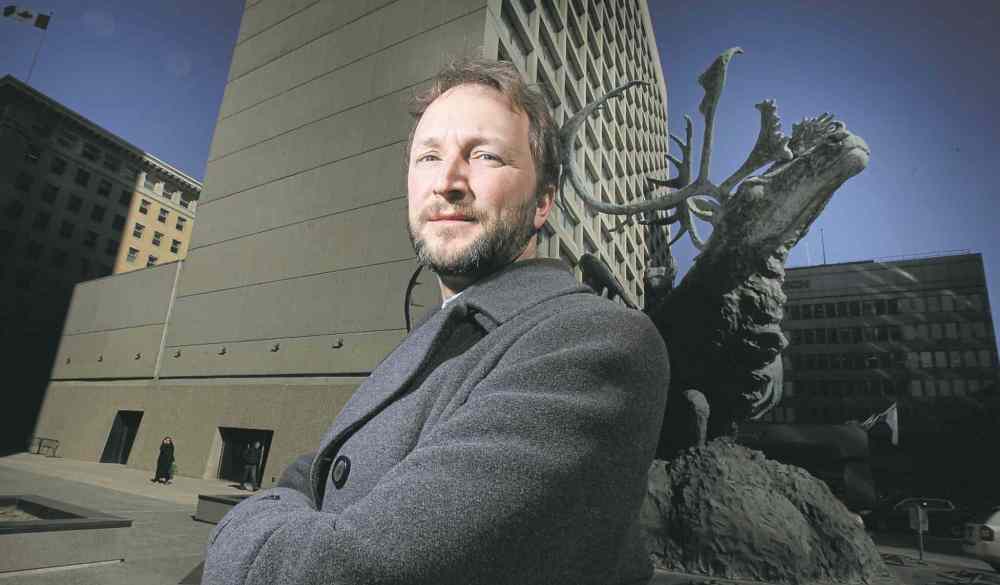
“It was a fairly smooth transition,” said Matt McCandless, the executive director of the ELA program for IISD.
IISD took over the unique scientific program last April, in an agreement with the Ontario and Manitoba governments, and McCandless said because the agreement wasn’t signed until April, it didn’t leave a lot of time to set things up and get going.
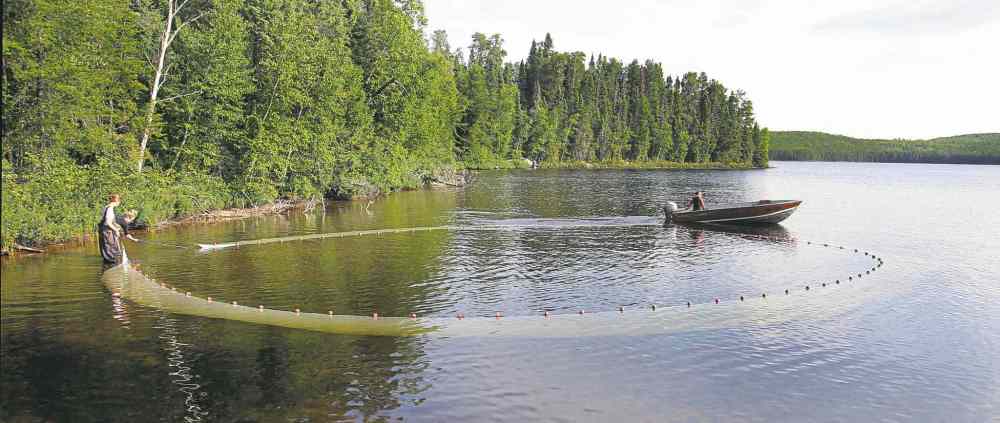
But the late spring meant a late thaw, and “we were able to get everything in place” by the time the ice was finally off the lakes in May.
ELA, a series of 58 lakes in northwestern Ontario near Kenora, is a unique facility in the world, where research is done on whole bodies of water.
The federal government had operated ELA since its inception, through an agreement with Ontario to use the land, which is owned by Ontario.
A year ago, however, Ottawa announced it was getting out and pulling its $2 million annual-operating funding.
A vocal lobby effort to save the program commenced, resulting in the transition to IISD. Ontario has agreed to provide $2 million per year for at least four years and Manitoba will provide $250,000 for at least six years.
Ottawa is spending $250,000 a year for four years to continue monitoring some of the lakes as part of its legal liability for possible destruction to them during the time it operated the program.
The reborn ELA included six scientists who transferred to IISD from the government, and another 11 who had some experience working there before, said McCandless. He said Ottawa left most of the buildings in excellent shape, including a new fish lab completed just before Ottawa decided to end funding.
Two cabins were torn down before the transfer and the others are being refurbished, he said.
Over the last four decades, research at ELA has affected policies on everything from mercury and acid rain to estrogen, phosphorus additives in soap and hydroelectric dams.
This summer, there were four main experiments on the lakes; three that were restarted and one new one.
Findings this summer included that contamination from pharmaceuticals flushed into the water contains endocrine disputers that have an extremely negative impact on freshwater wildlife.

McCandless said scientists were shocked at the rapid death of minnows during experiments with synthetic estrogen.
The new experiment involved looking at the impact of nanosilver on water. Nanosilver is a tiny particle being added to an increasing number of consumer products, including clothing and baby products, to reduce odours.
McCandless said the winter months will include some indoor lab work and planning by IISD for the ELA’s future, using lessons learned over this past summer.
“We’re going to take a more strategic approach,” he said.
mia.rabson@freepress.mb.ca