A glass menagerie: Rare negatives give glimpse into city’s history

Advertisement

Advertise with us

Read this article for free:

or

Already have an account? Log in here »

To continue reading, please subscribe:

Monthly Digital Subscription

$0 for the first 4 weeks*

  • Enjoy unlimited reading on winnipegfreepress.com
  • Read the E-Edition, our digital replica newspaper
  • Access News Break, our award-winning app
  • Play interactive puzzles

*No charge for 4 weeks then price increases to the regular rate of $19.00 plus GST every four weeks. Offer available to new and qualified returning subscribers only. Cancel any time.

Monthly Digital Subscription

$4.75/week*

  • Enjoy unlimited reading on winnipegfreepress.com
  • Read the E-Edition, our digital replica newspaper
  • Access News Break, our award-winning app
  • Play interactive puzzles

*Billed as $19 plus GST every four weeks. Cancel any time.

To continue reading, please subscribe:

Add Free Press access to your Brandon Sun subscription for only an additional

$1 for the first 4 weeks*

  • Enjoy unlimited reading on winnipegfreepress.com
  • Read the E-Edition, our digital replica newspaper
  • Access News Break, our award-winning app
  • Play interactive puzzles
Start now

No thanks

*Your next subscription payment will increase by $1.00 and you will be charged $16.99 plus GST for four weeks. After four weeks, your payment will increase to $23.99 plus GST every four weeks.

Hey there, time traveller!
This article was published 13/06/2014 (4210 days ago), so information in it may no longer be current.
Wayne Glowacki/Winnipeg Free Press
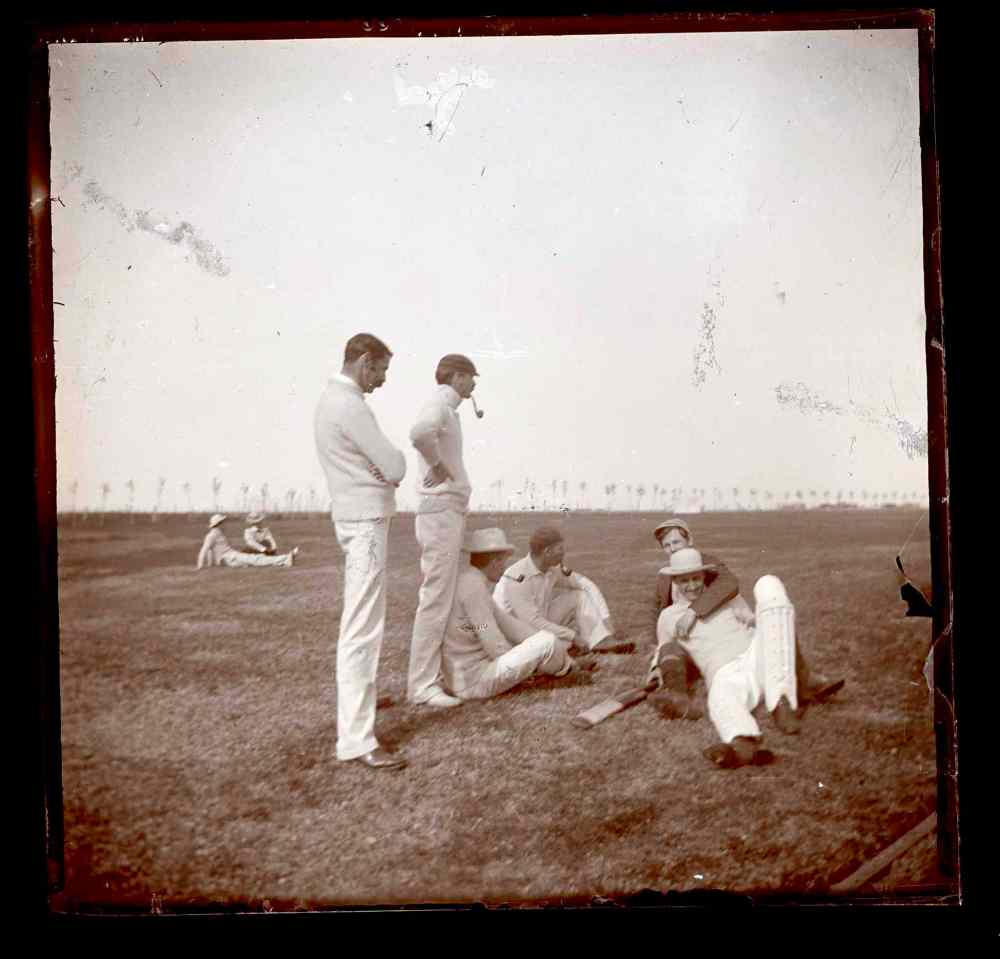
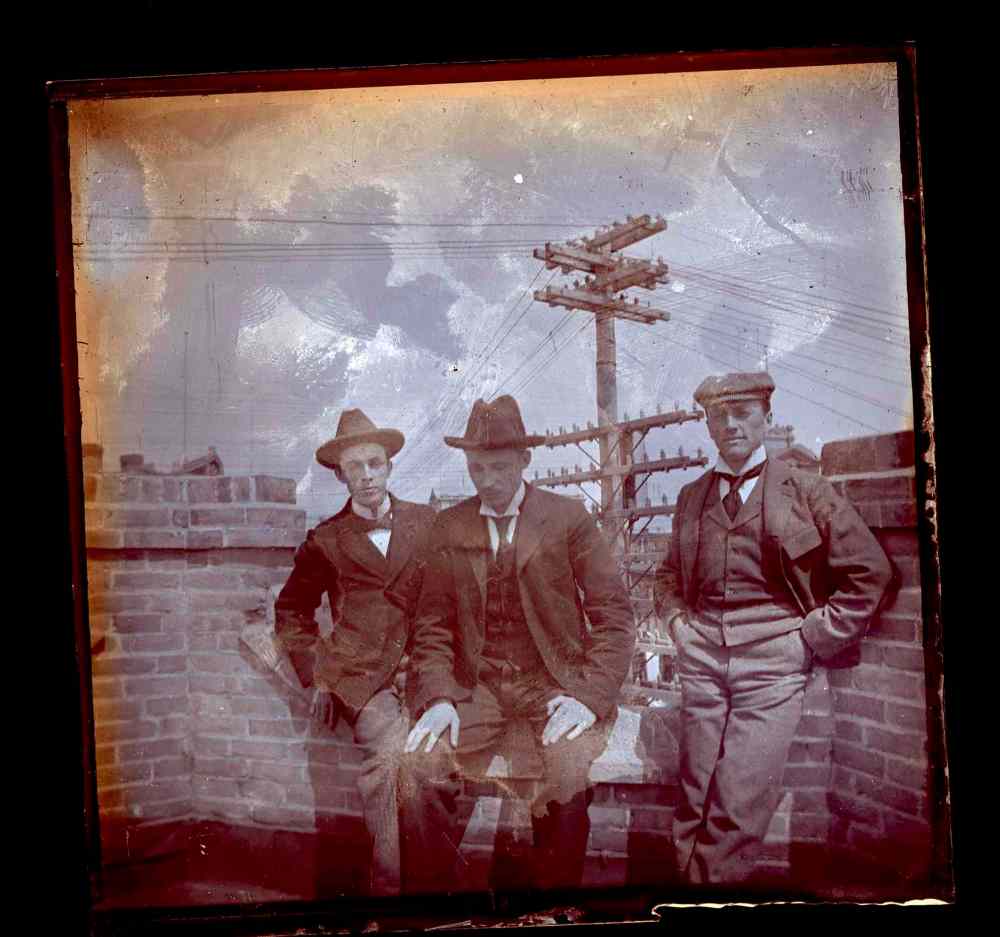
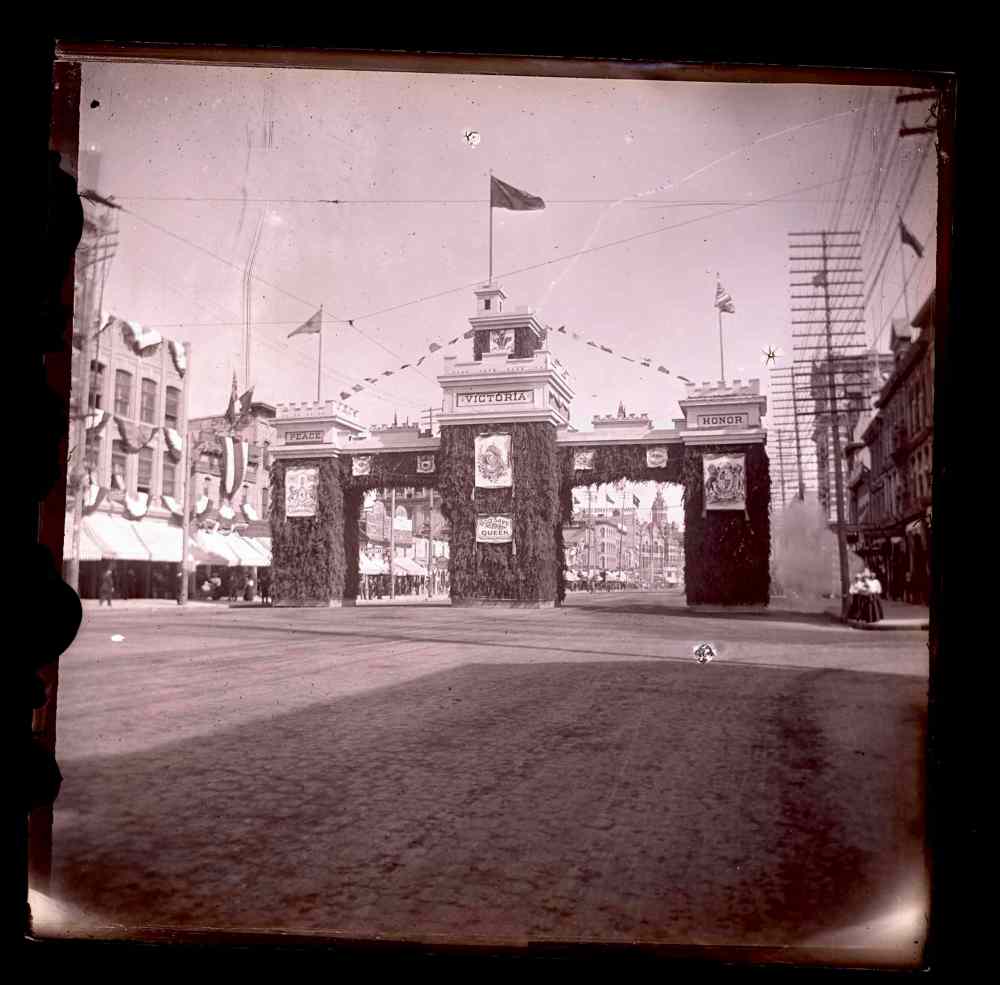
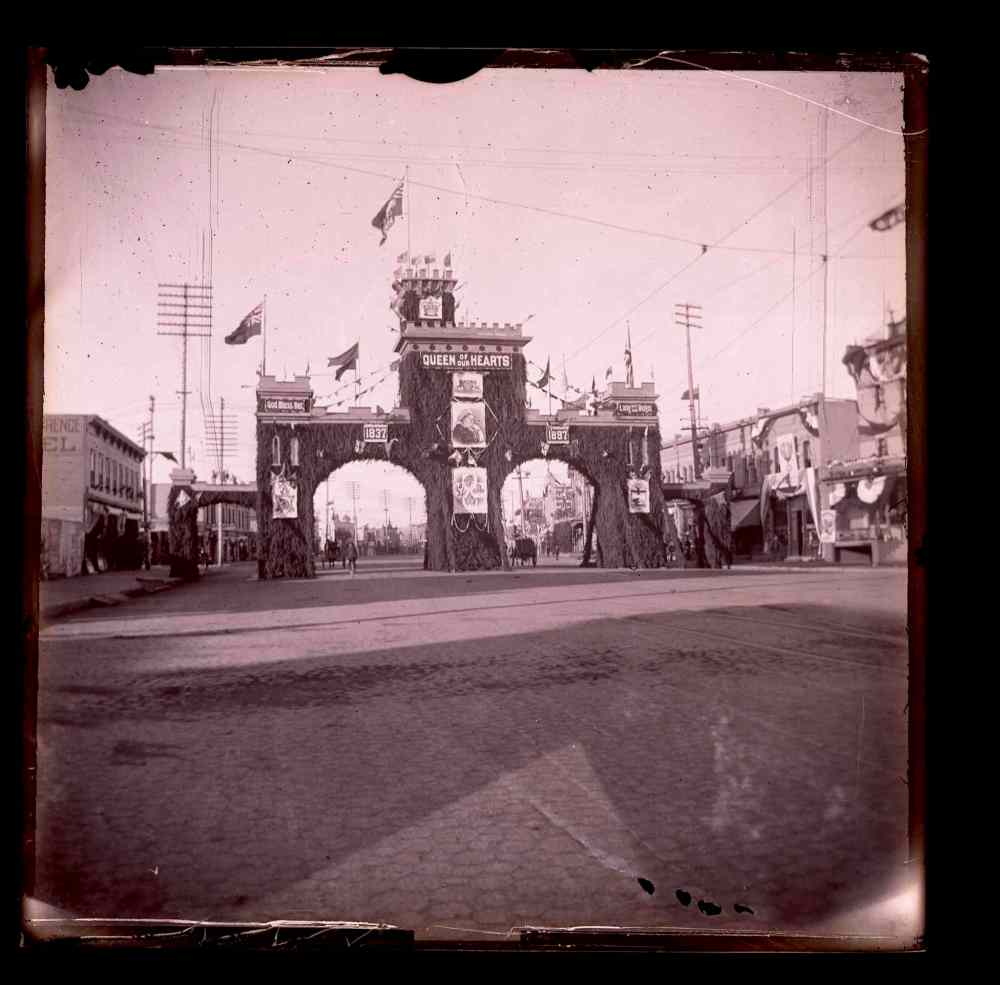
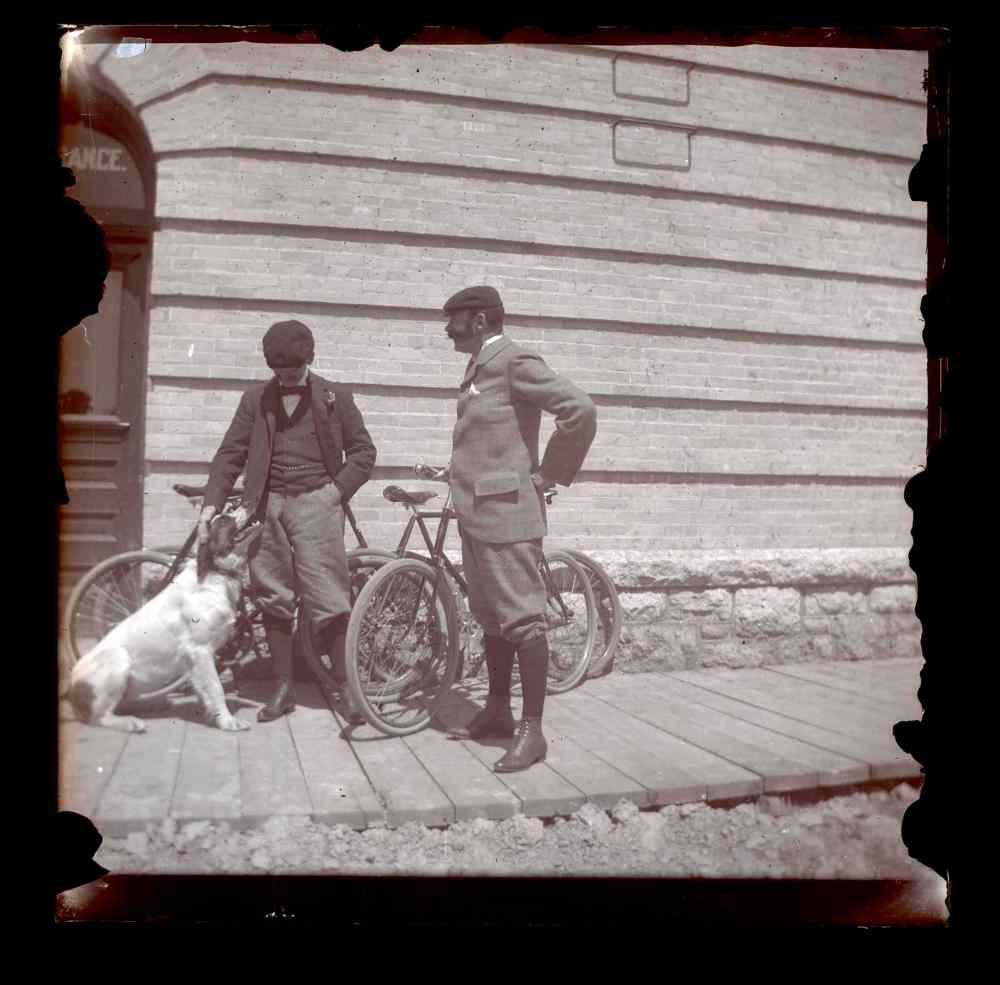
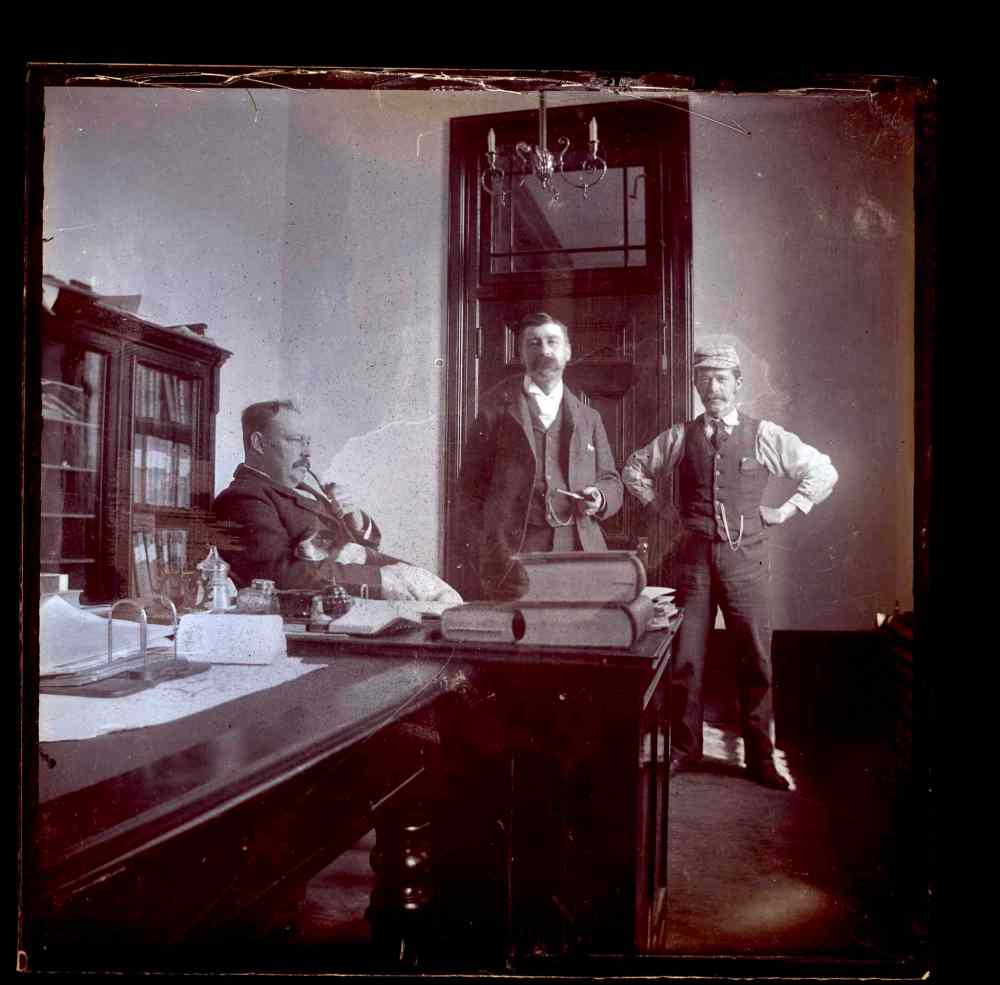
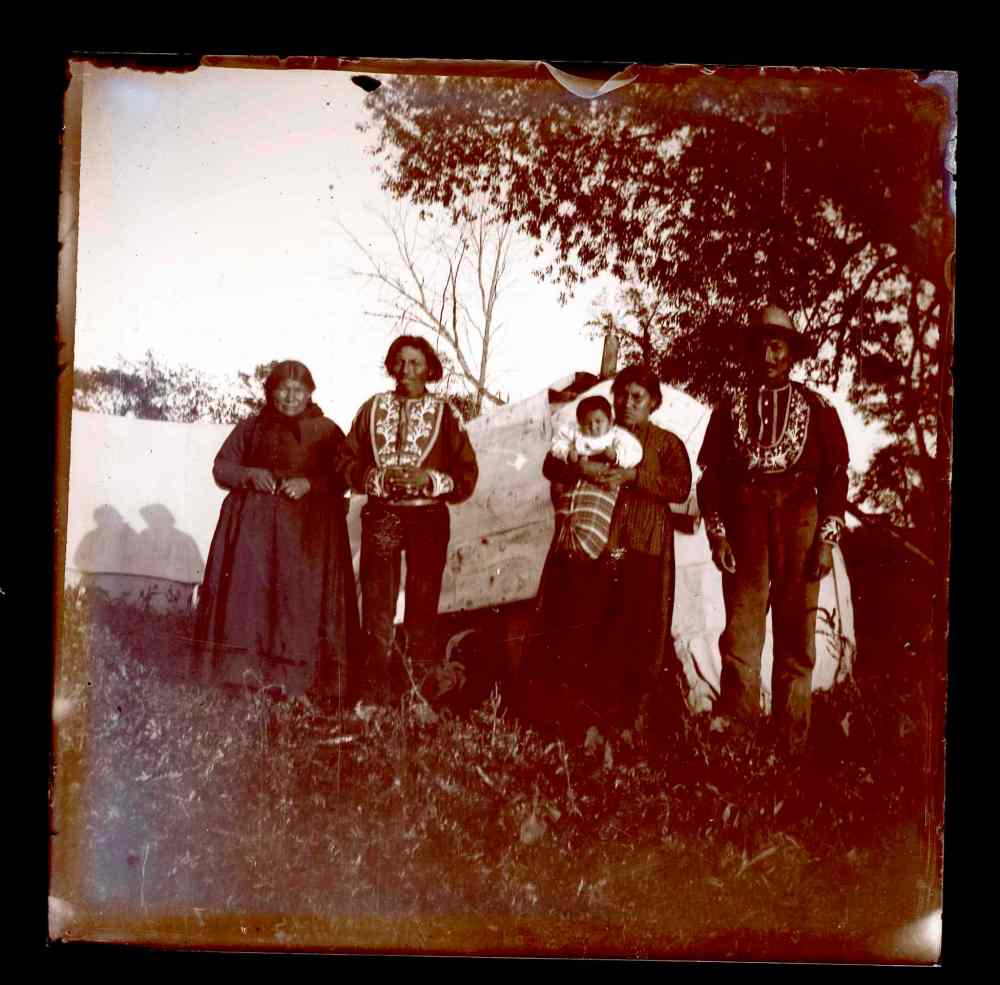
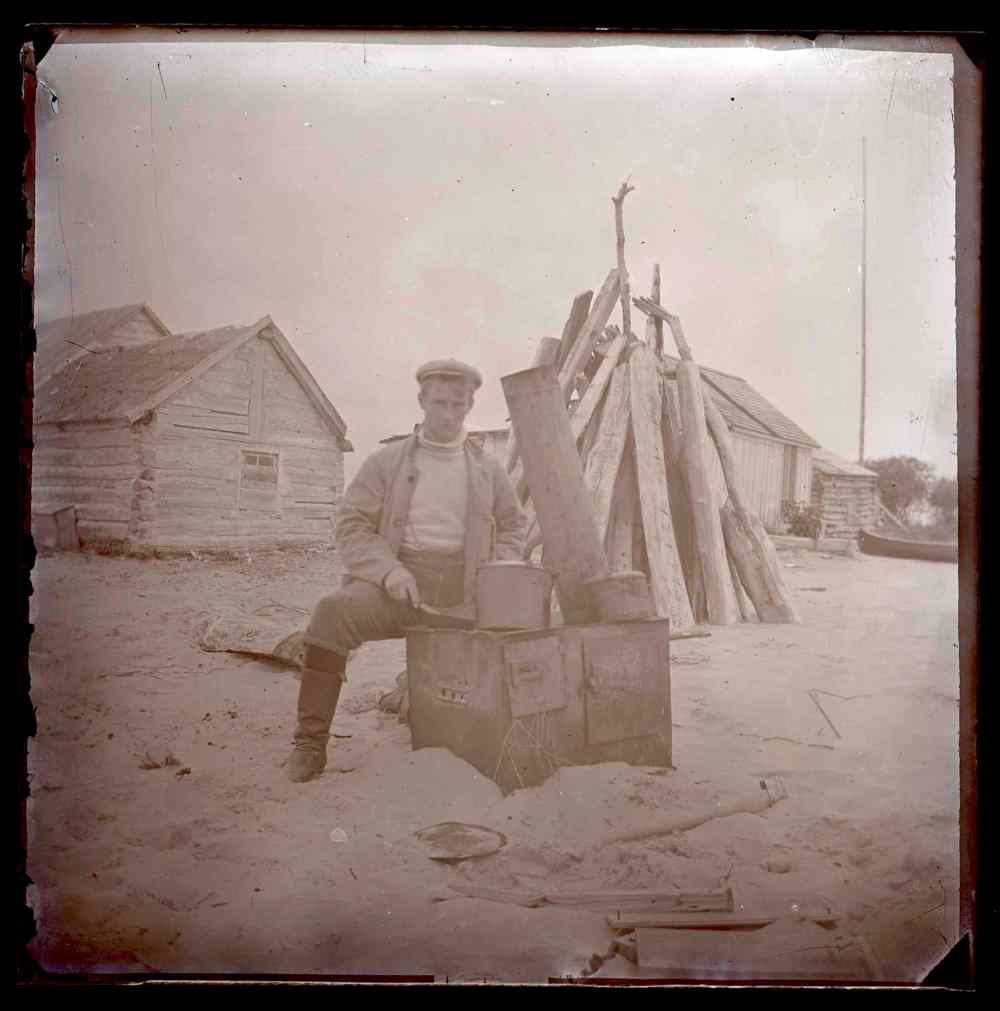
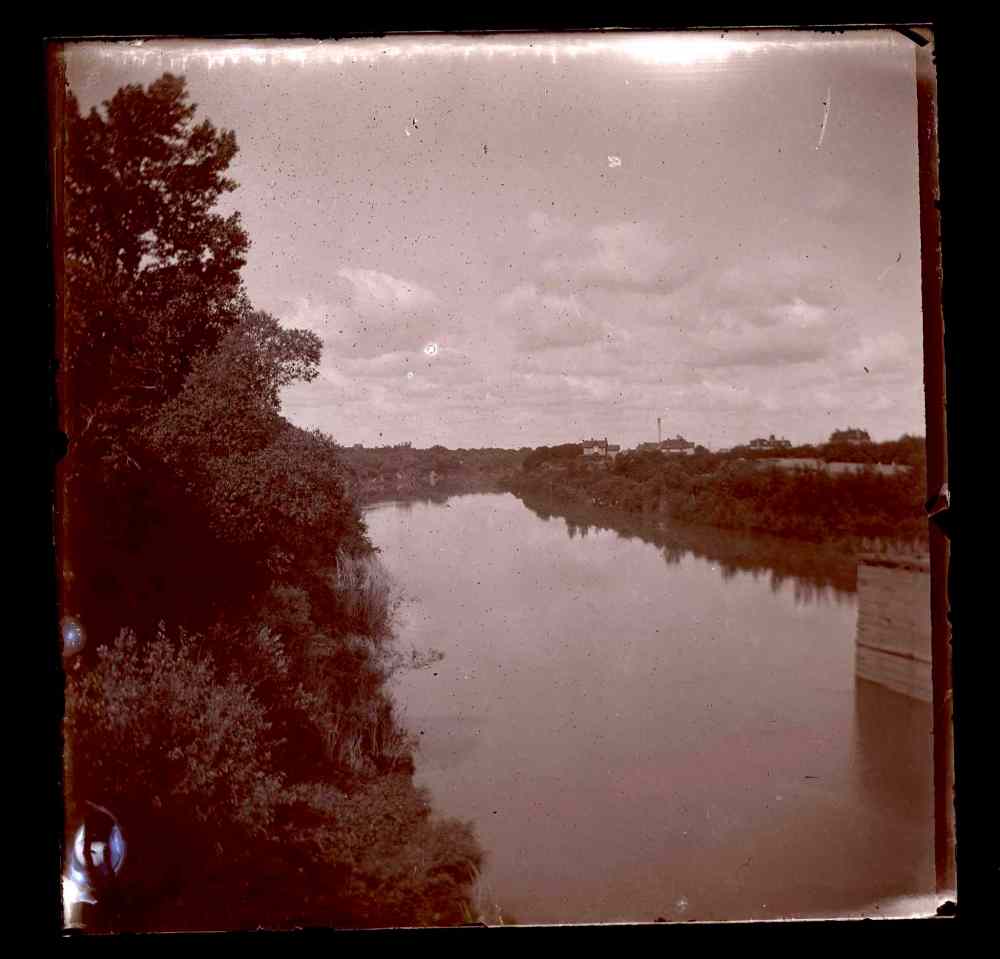
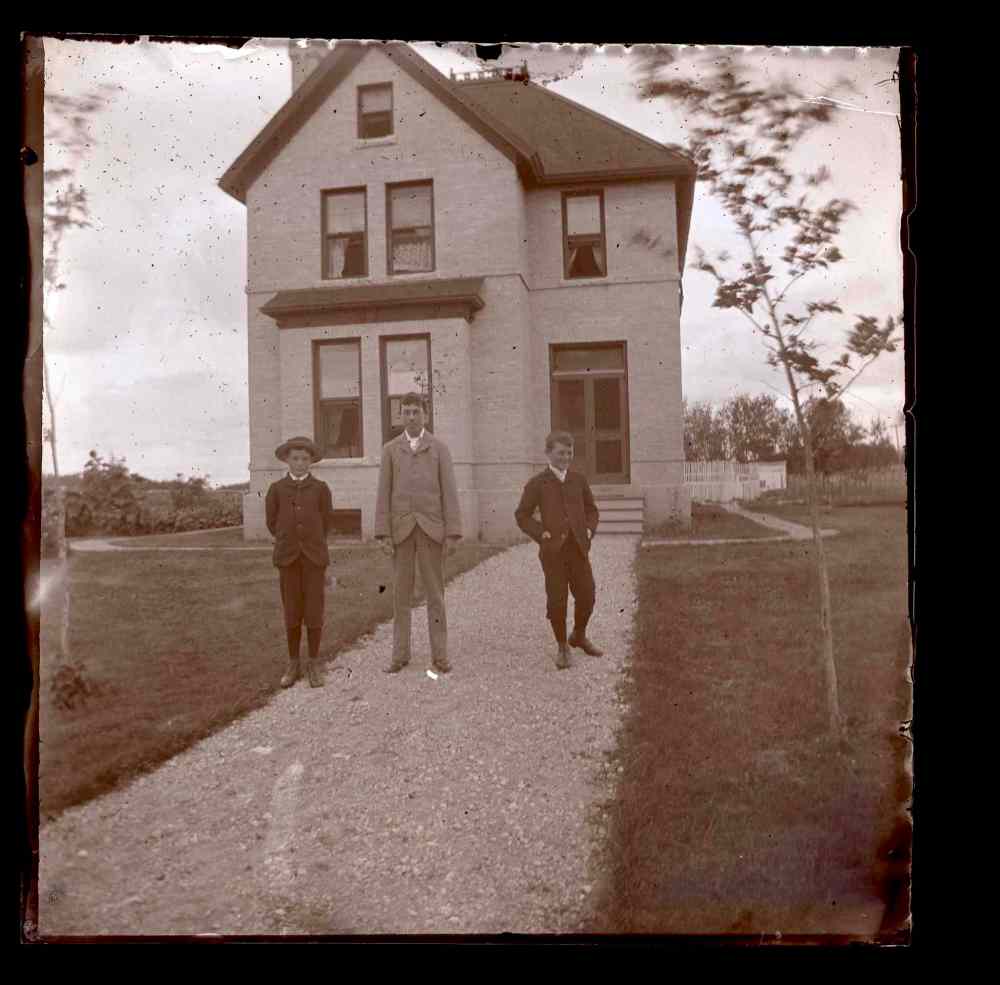
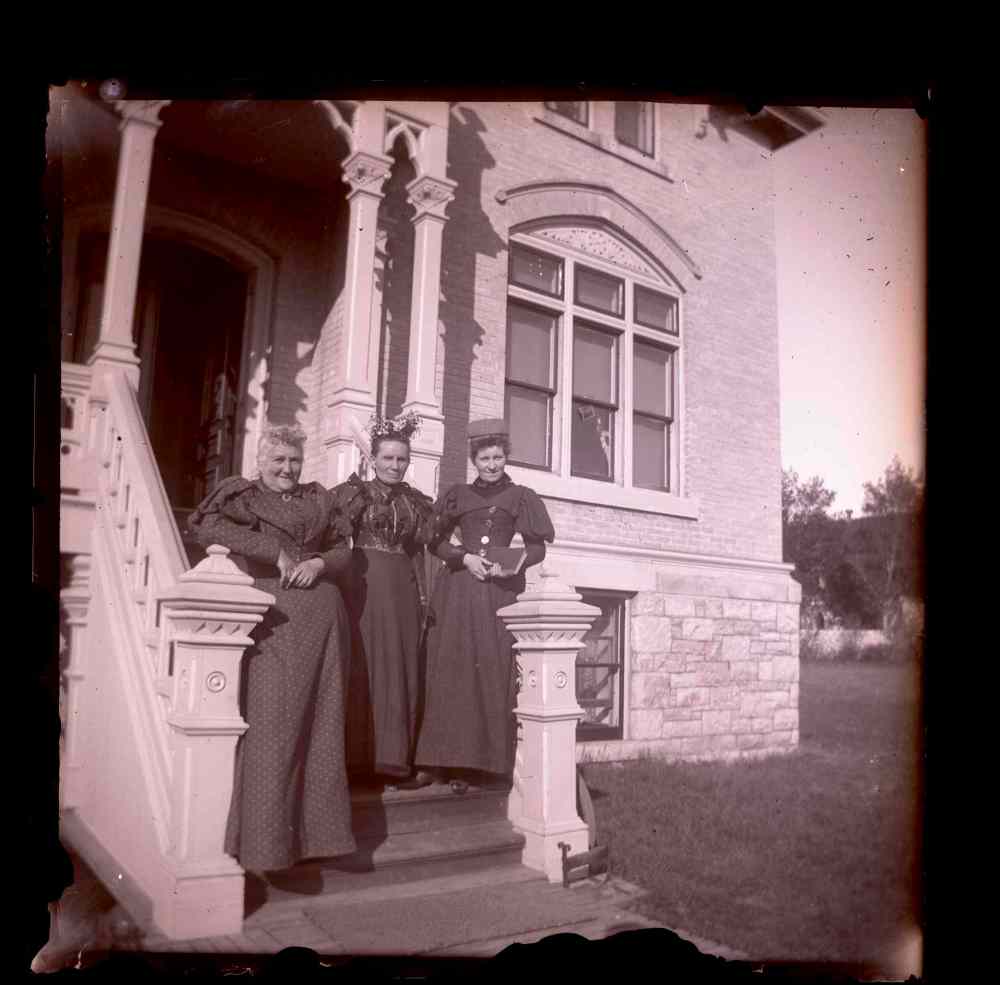
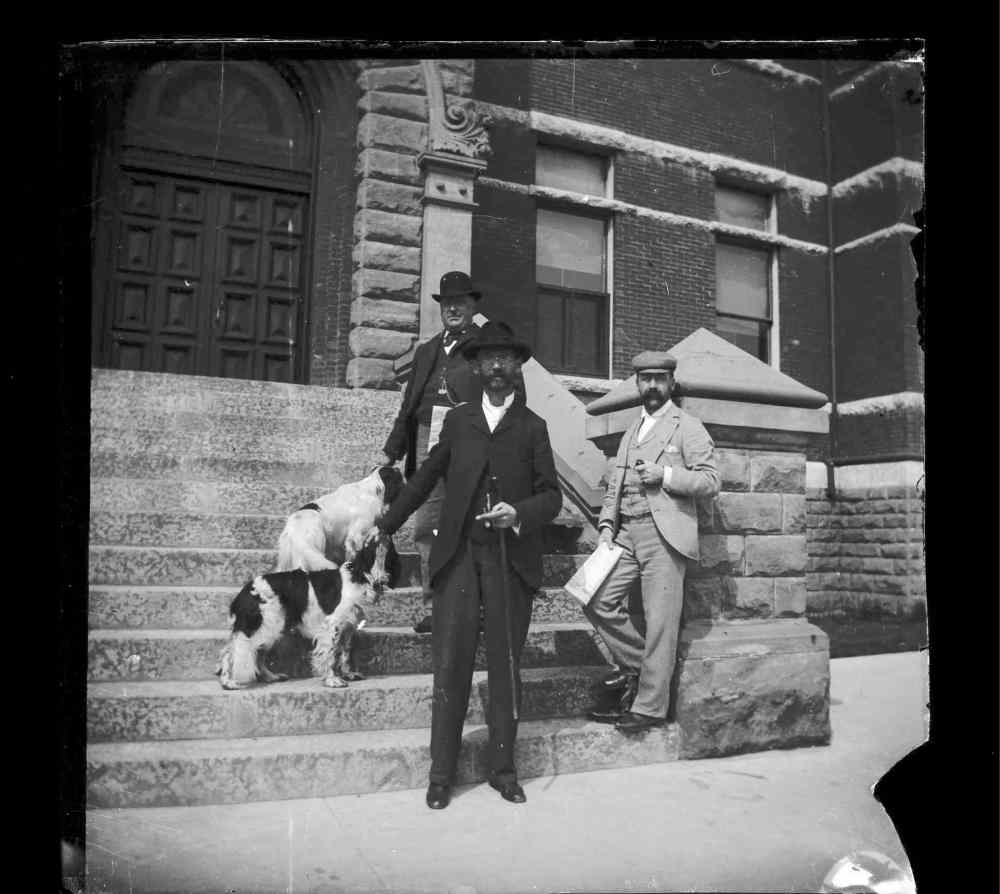
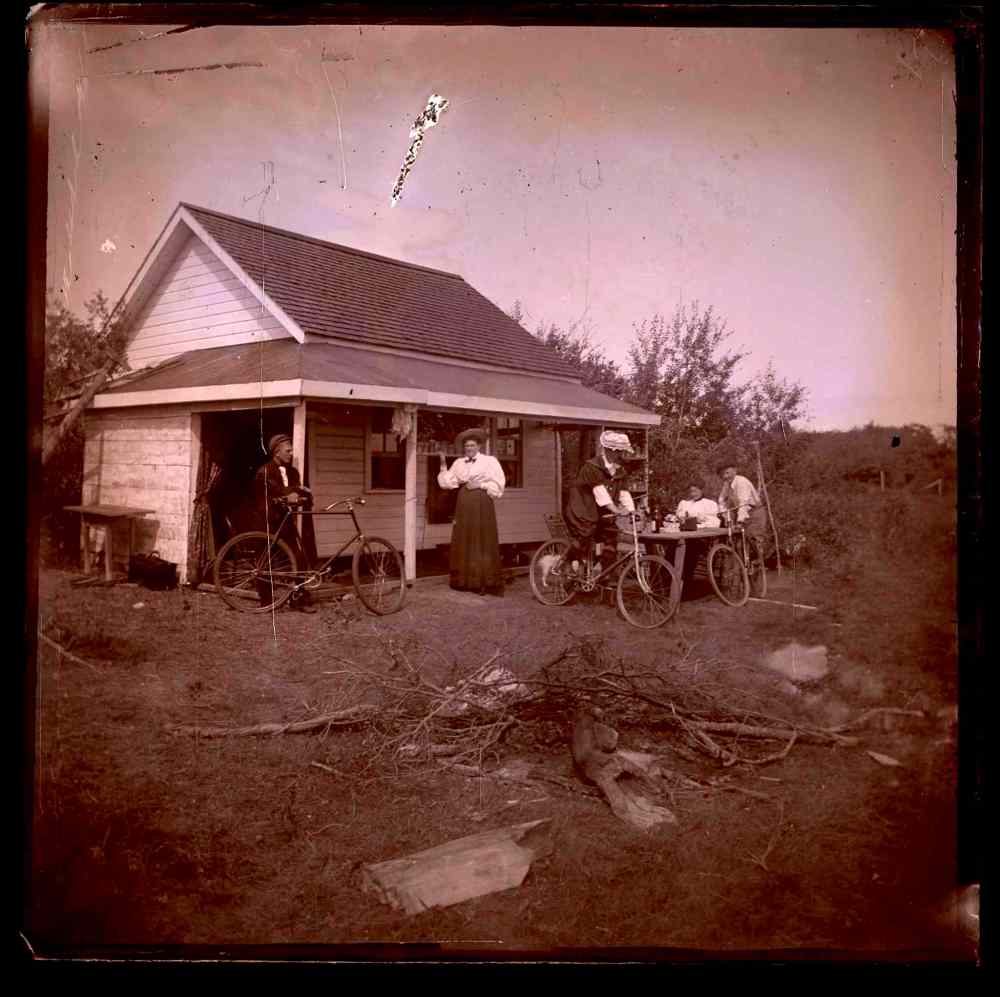
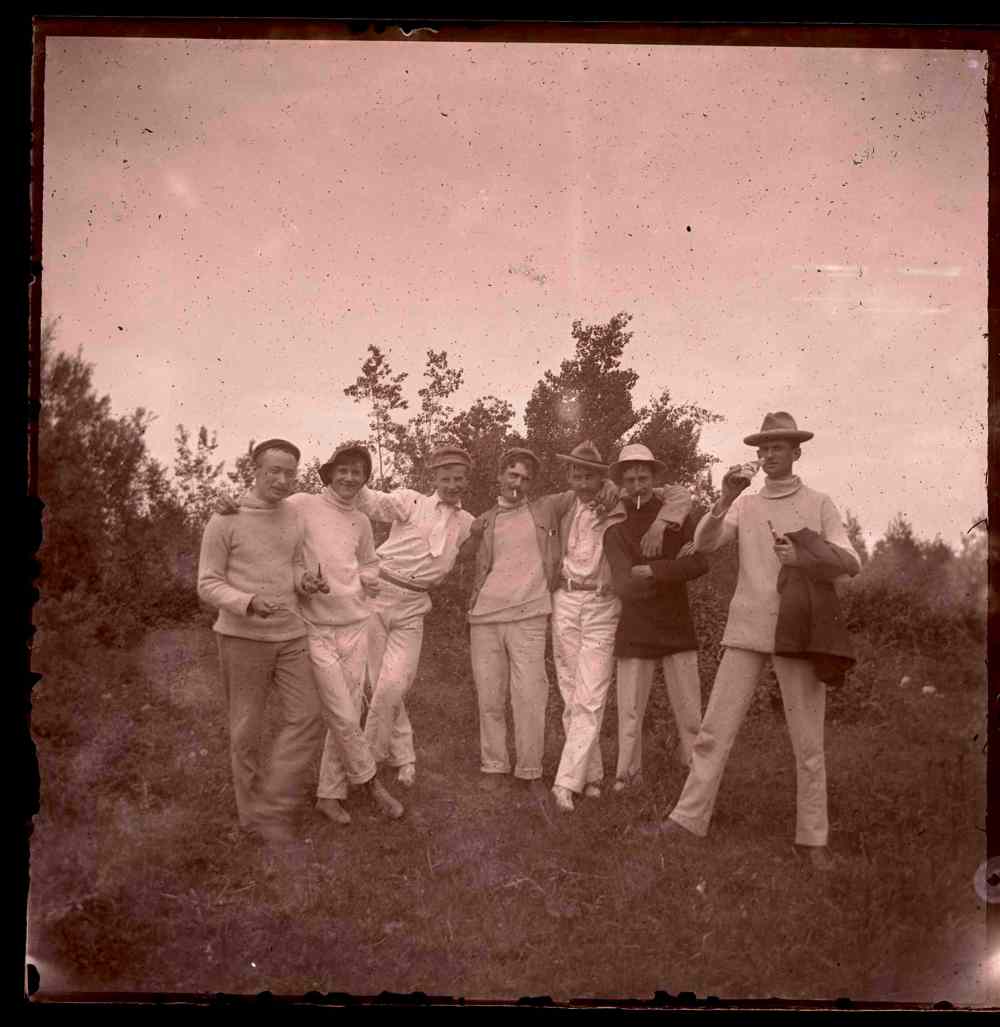
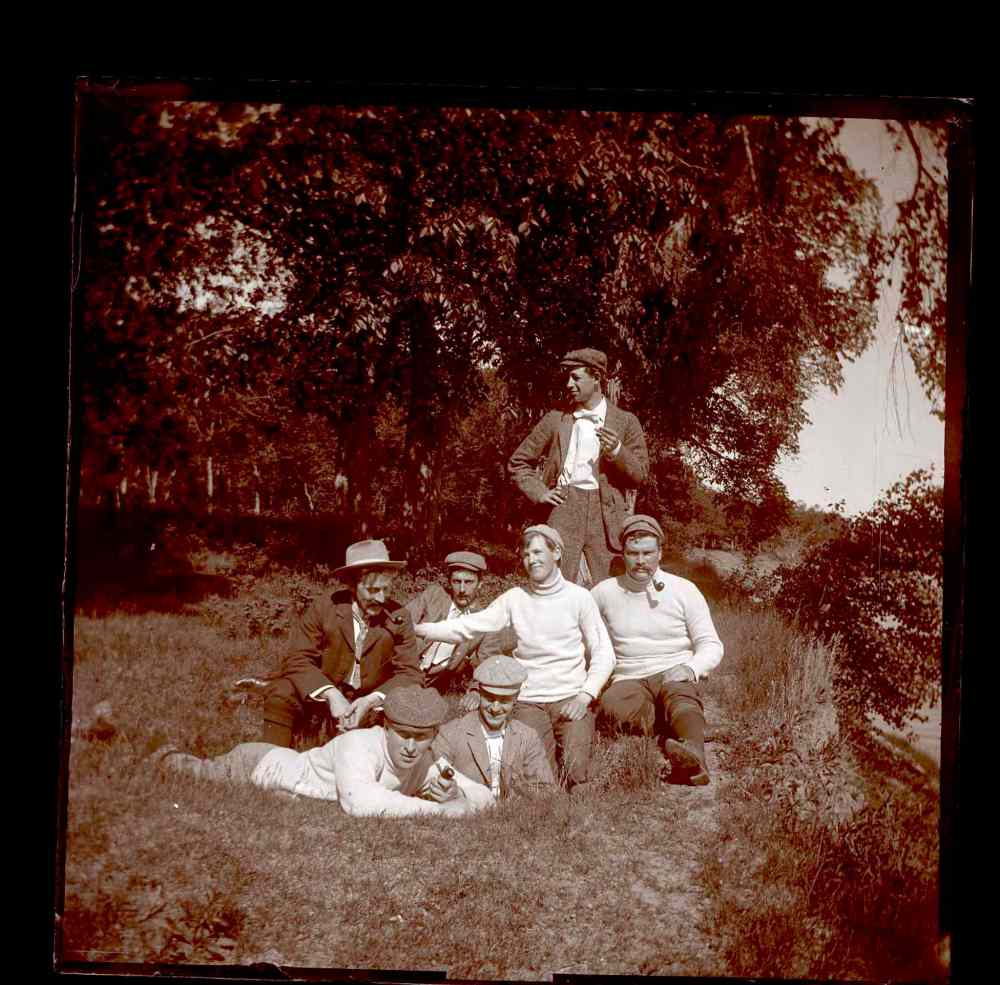
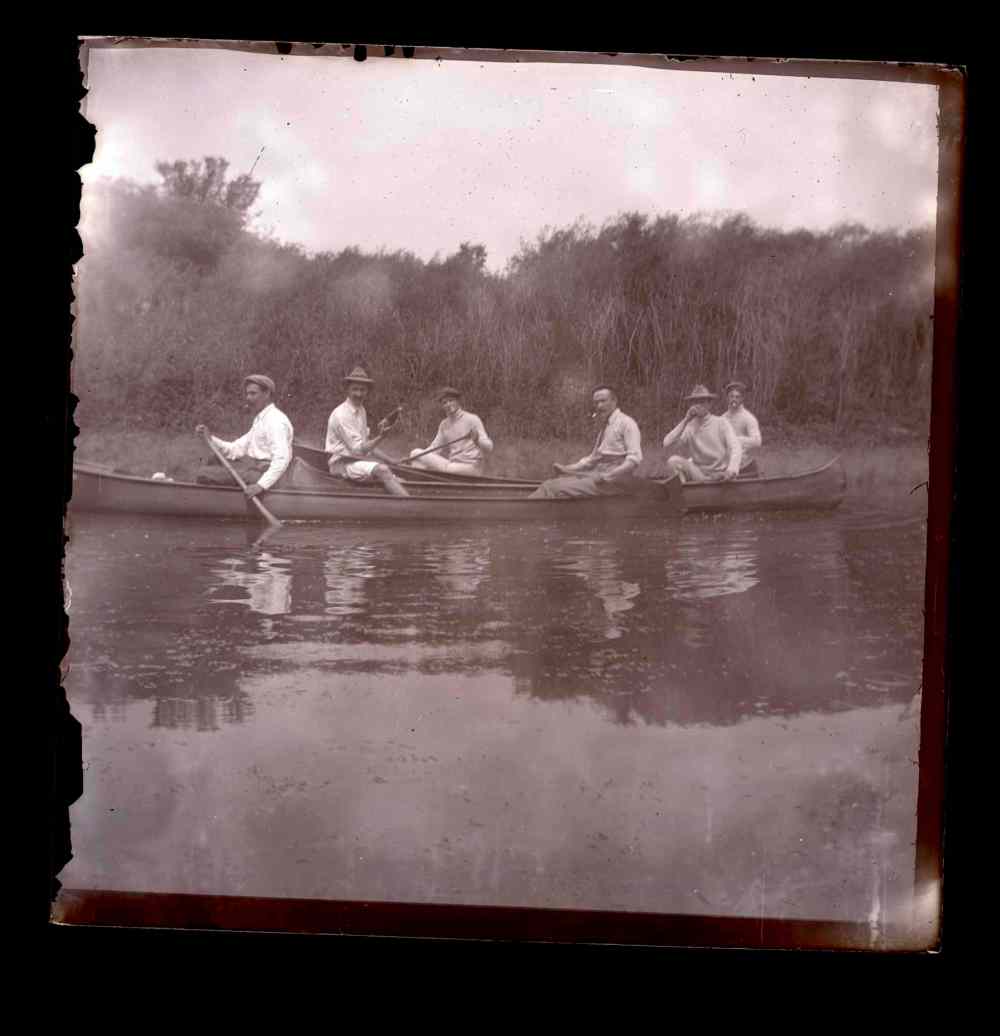
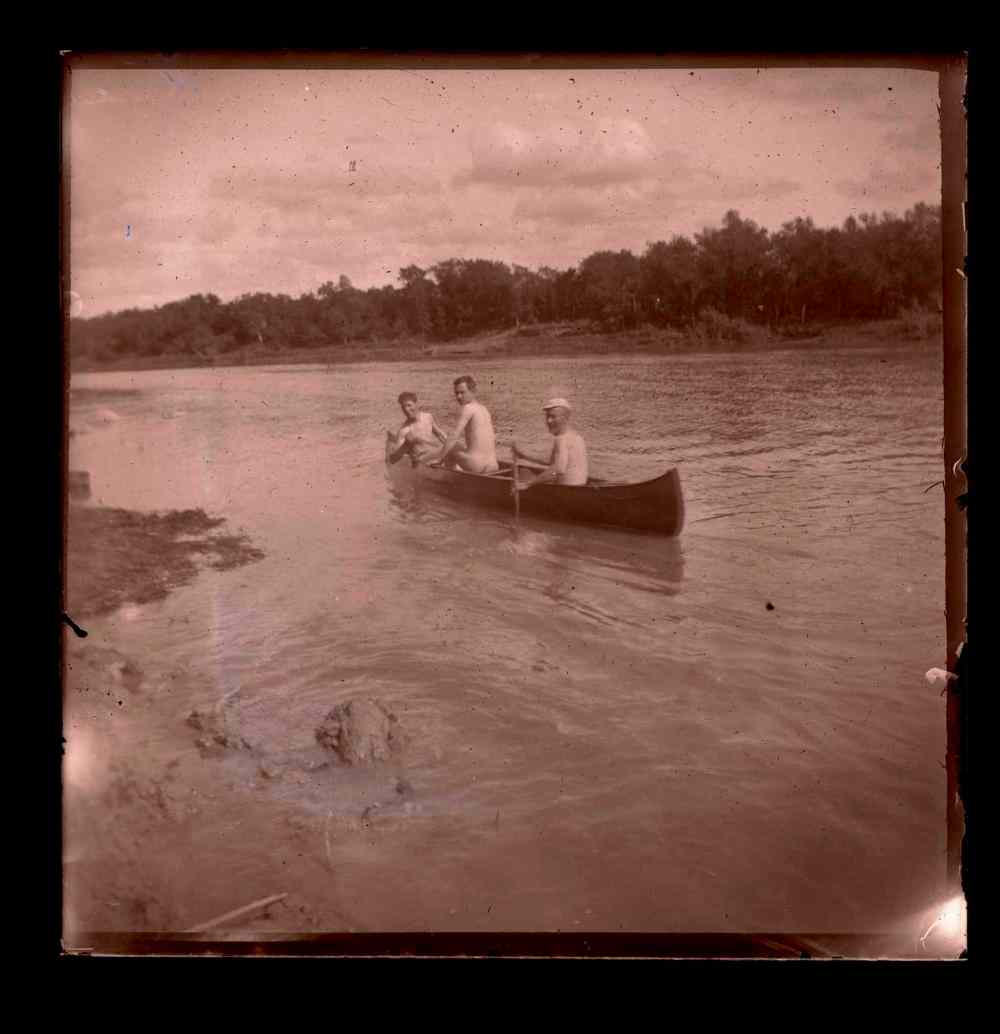
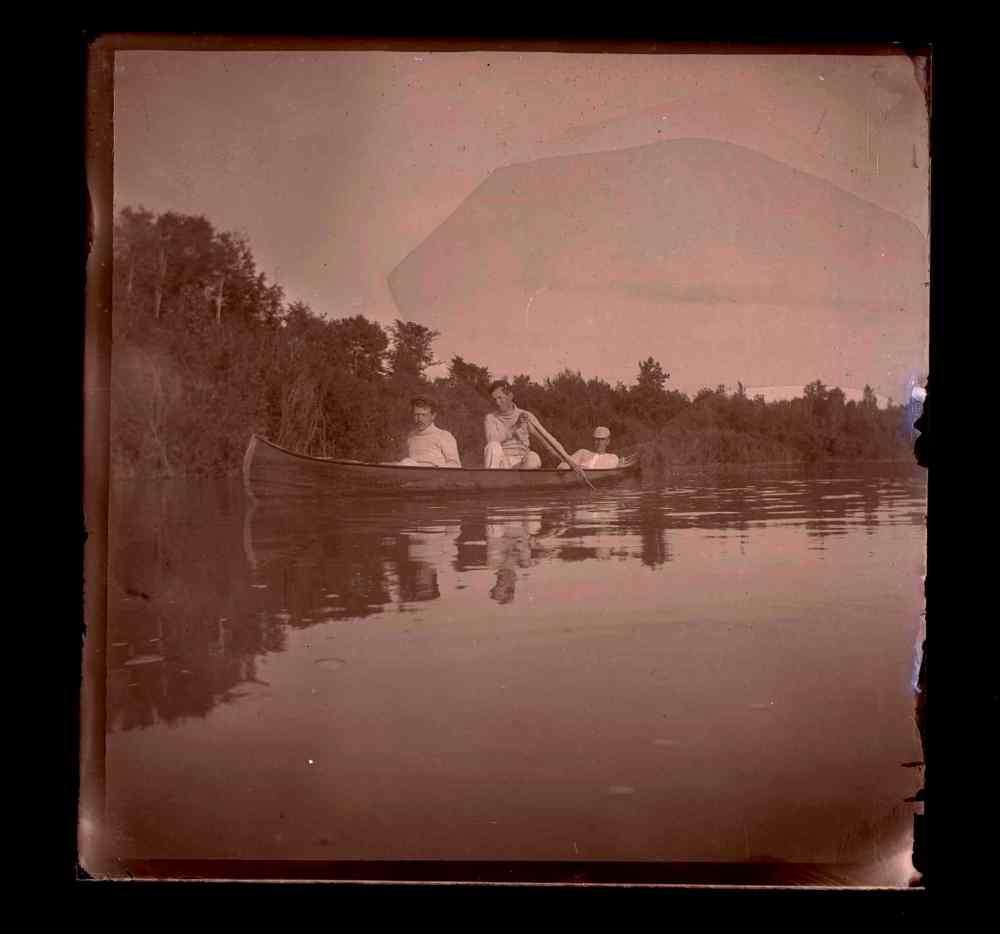
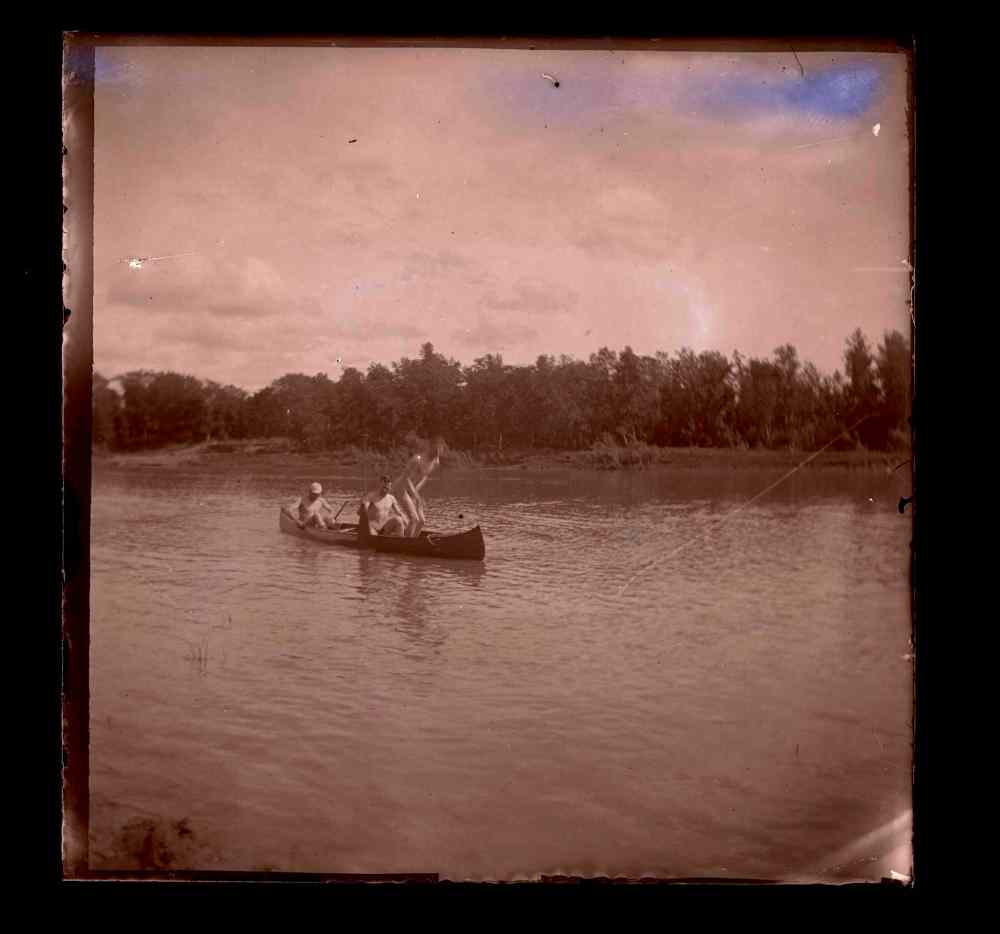
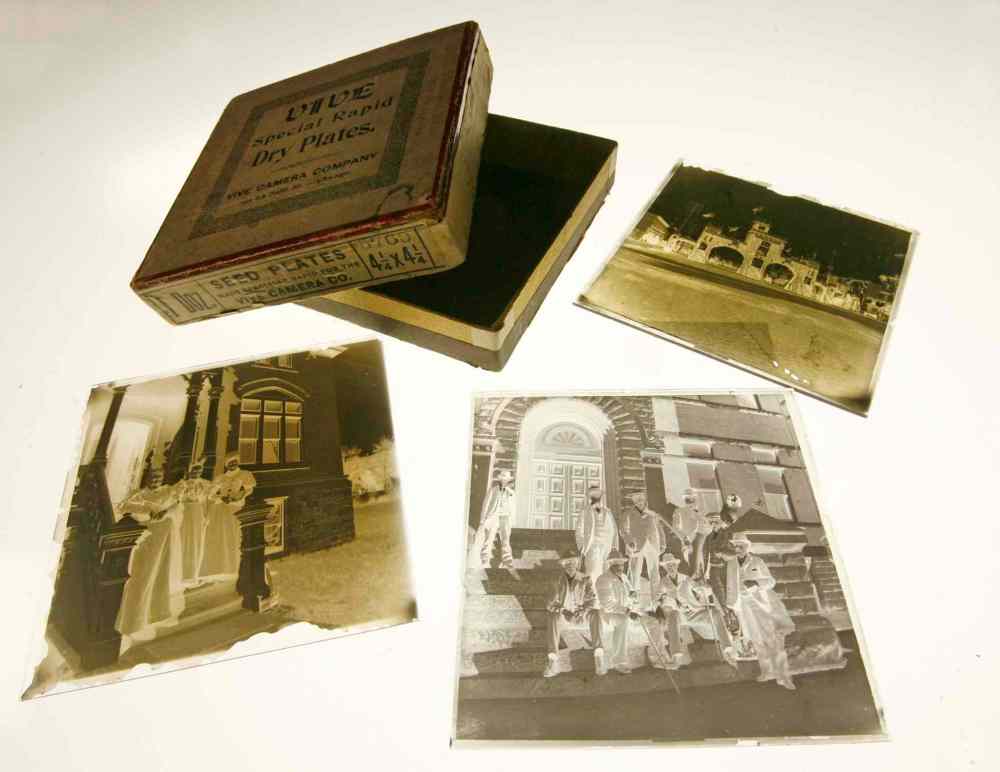
Glass negatives by photographer E.J.C. Smith, taken circa 1898. His photo store was located at 276 Smith Street in Winnipeg.
Wayne Glowacki/Winnipeg Free Press Glass negatives by photographer E.J.C. Smith, taken circa 1898. His photo store was located at 276 Smith Street in Winnipeg.
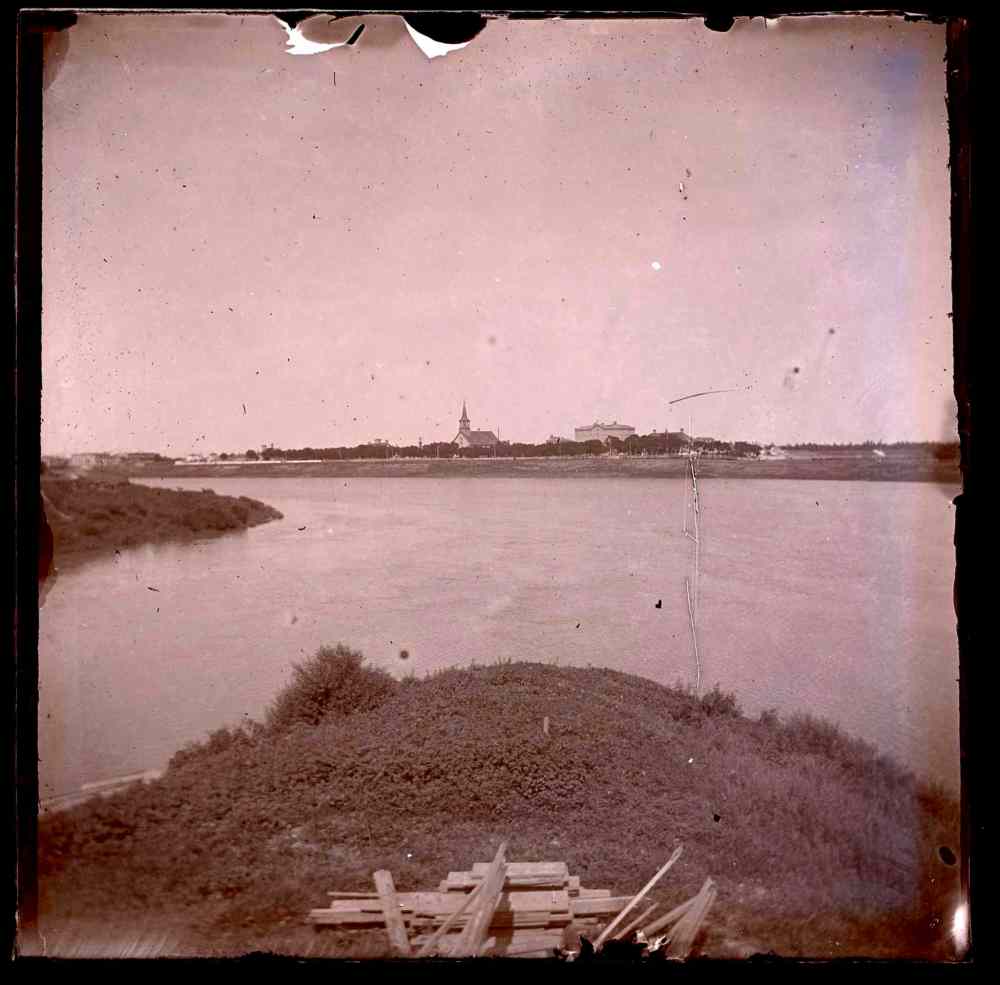
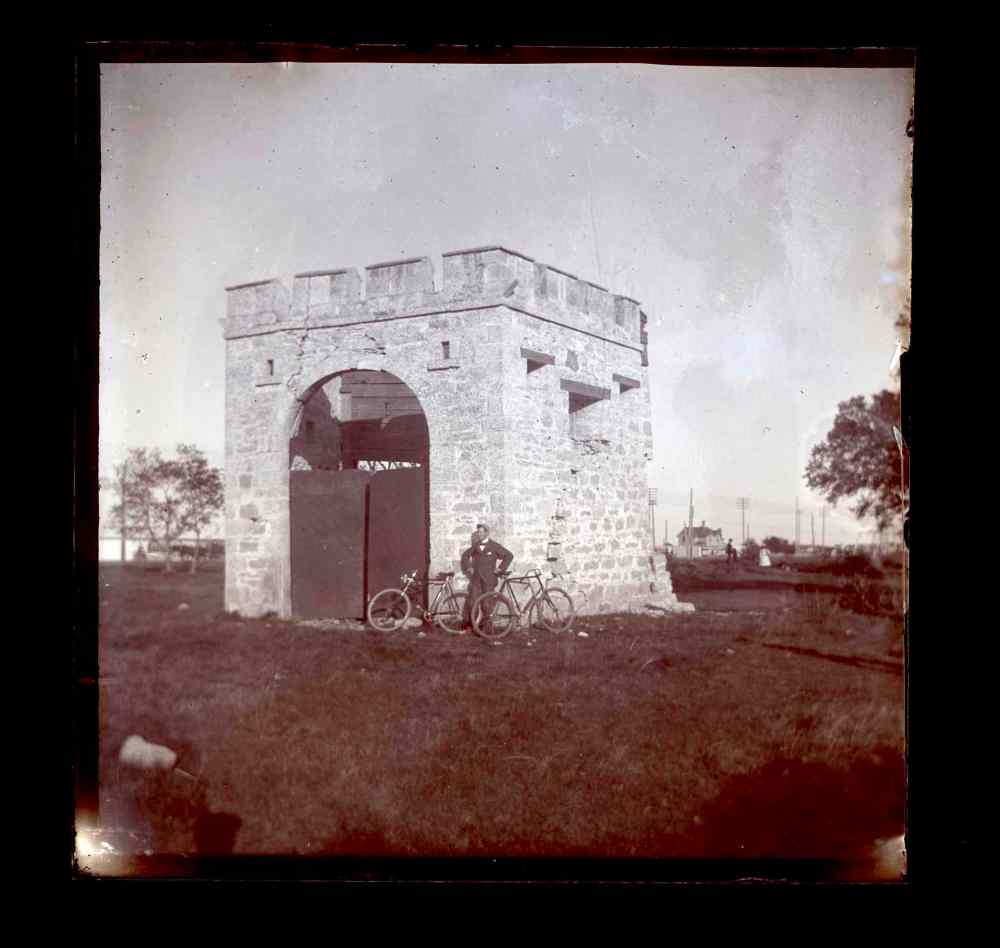
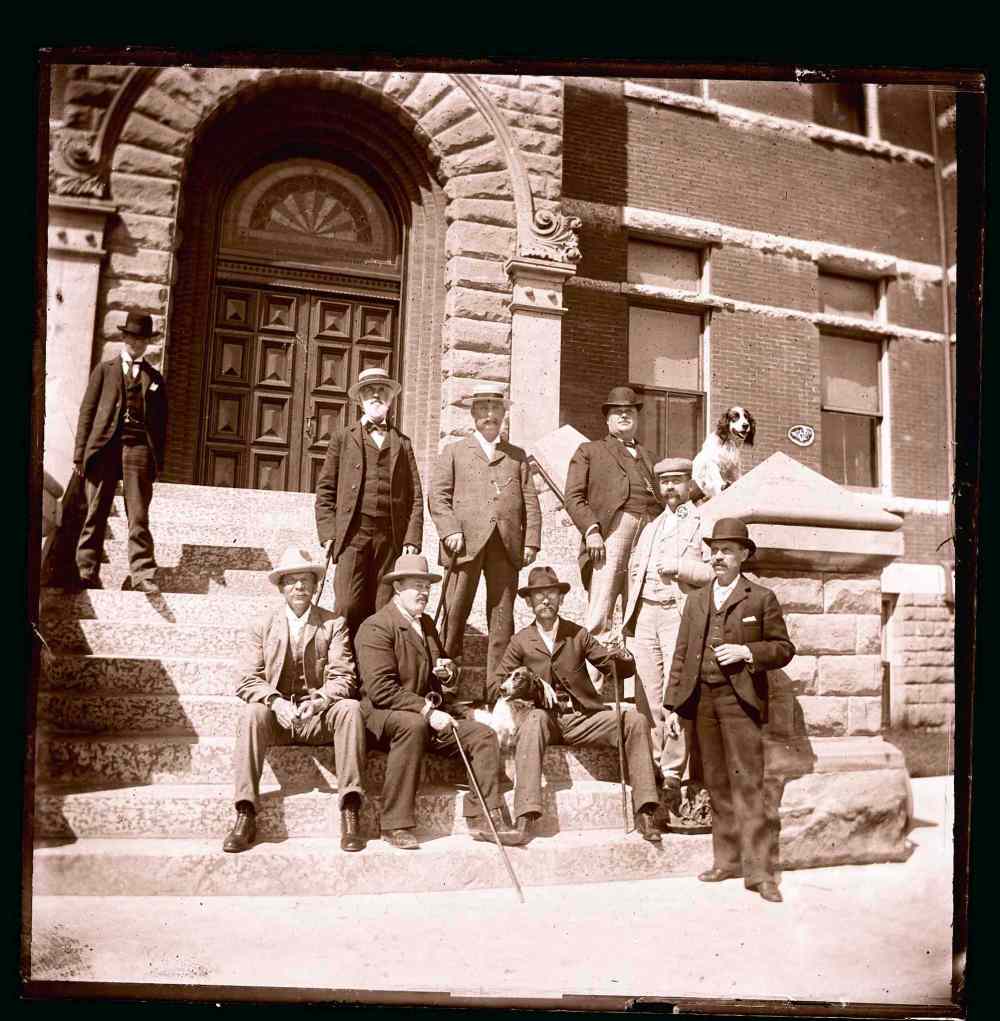
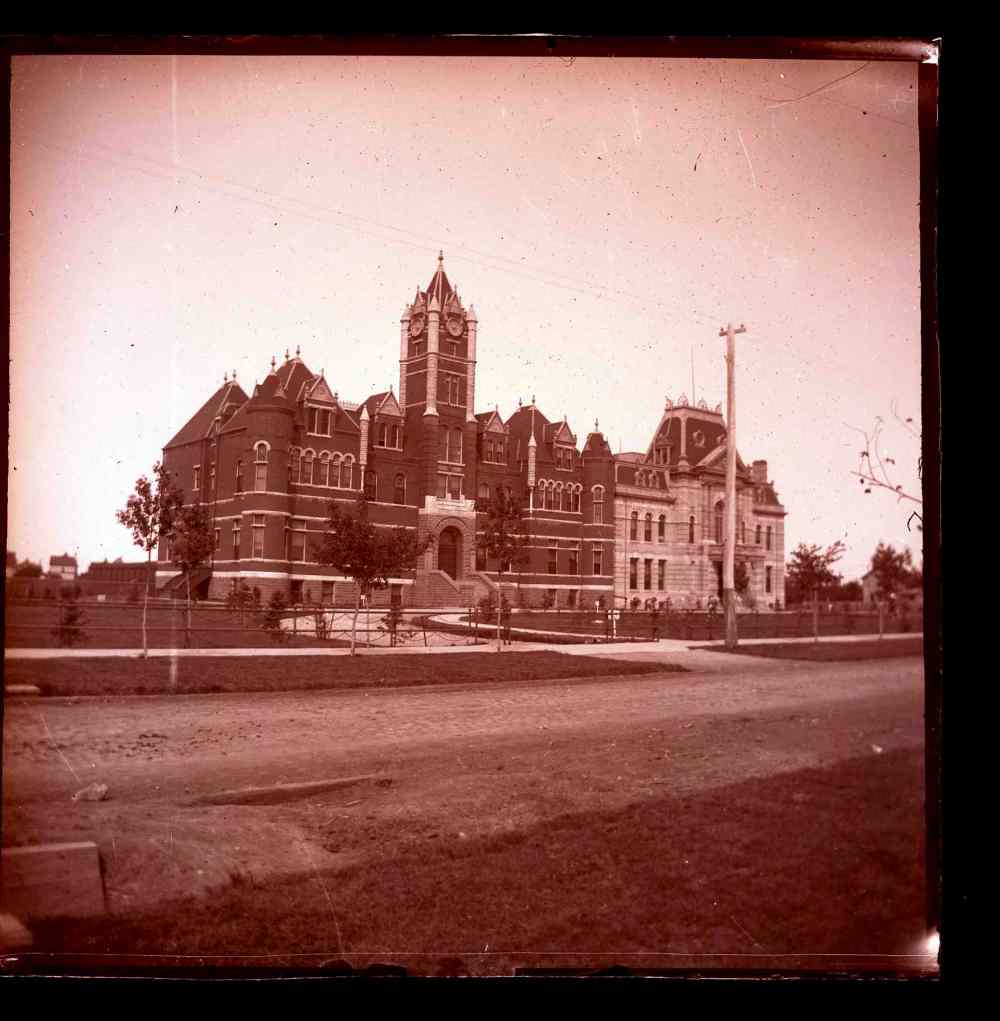
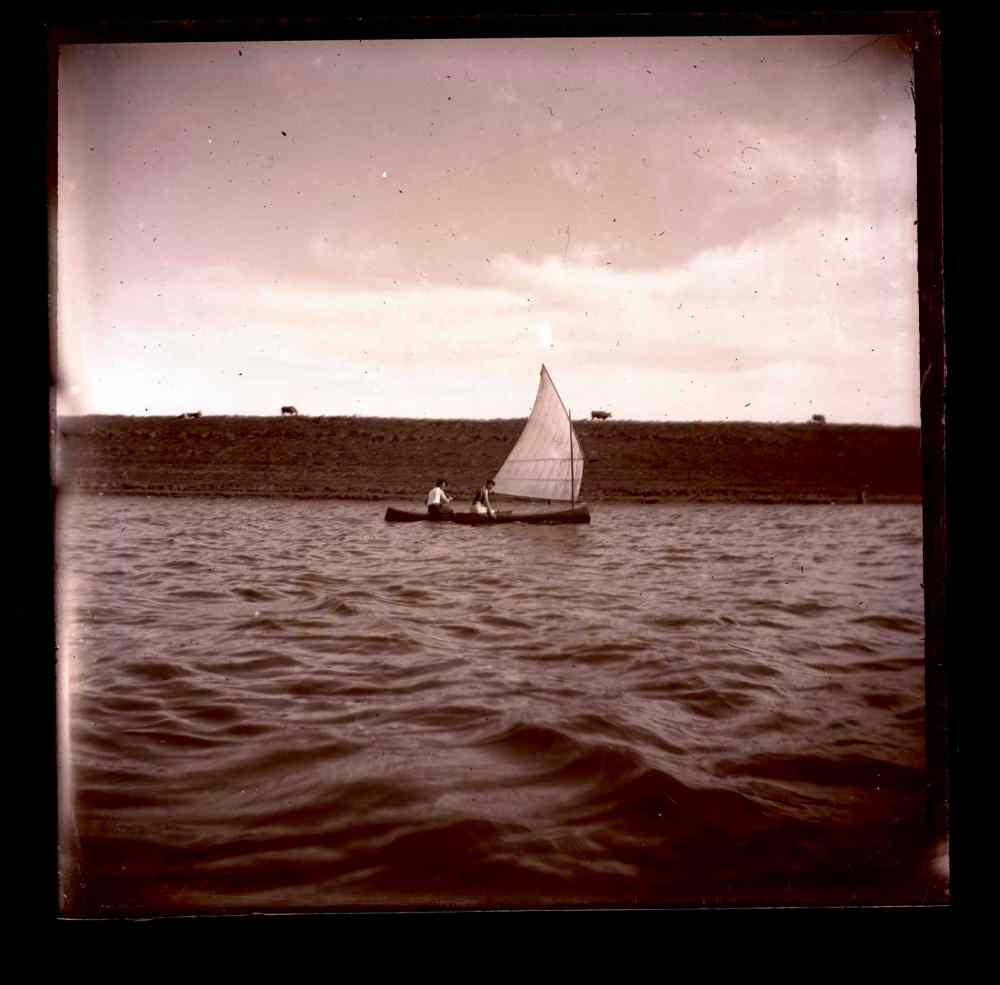
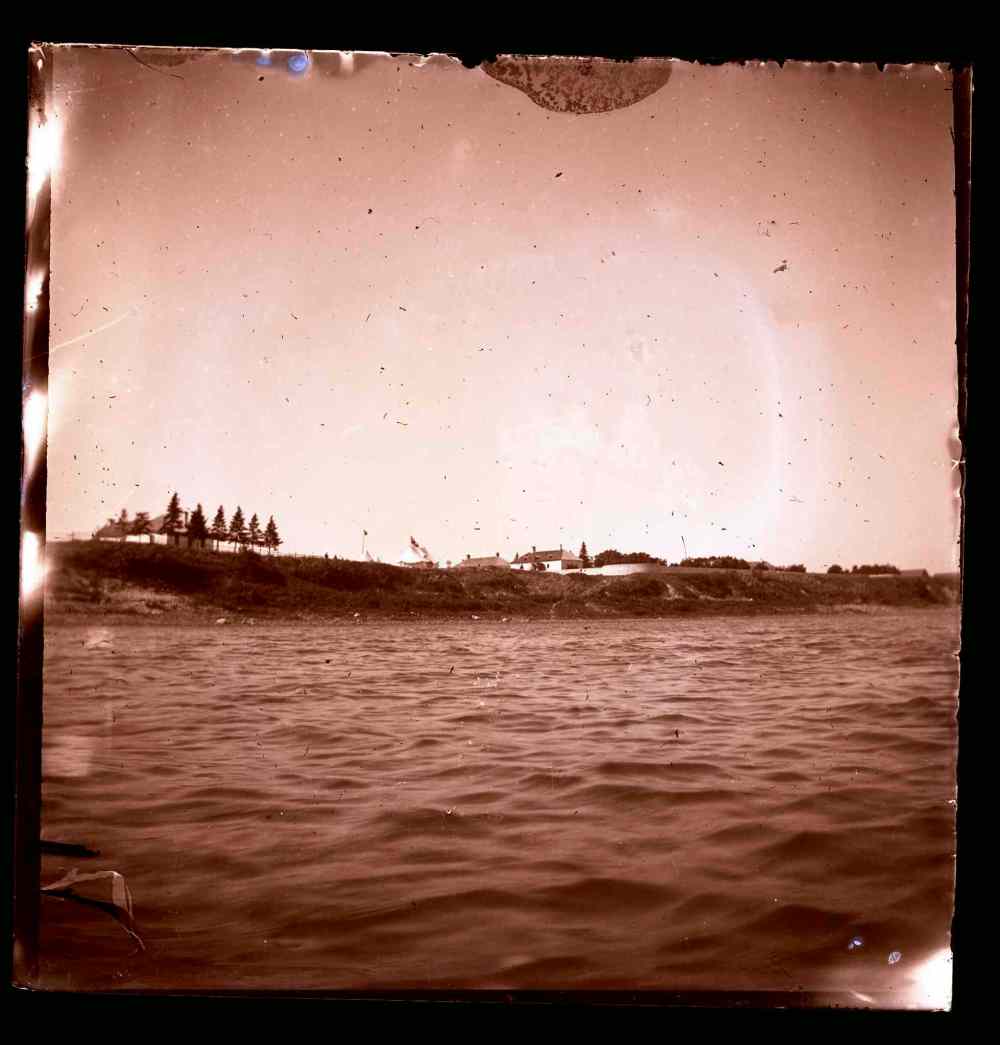
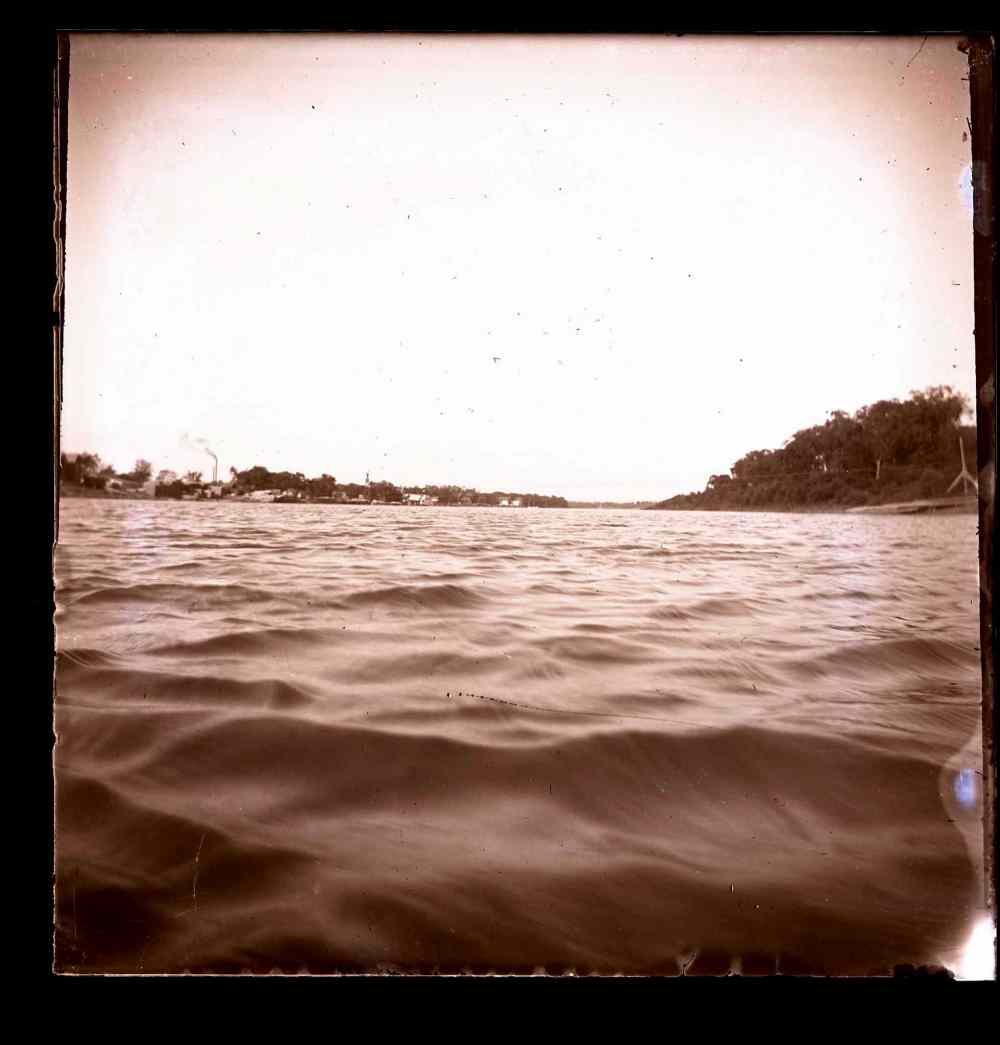
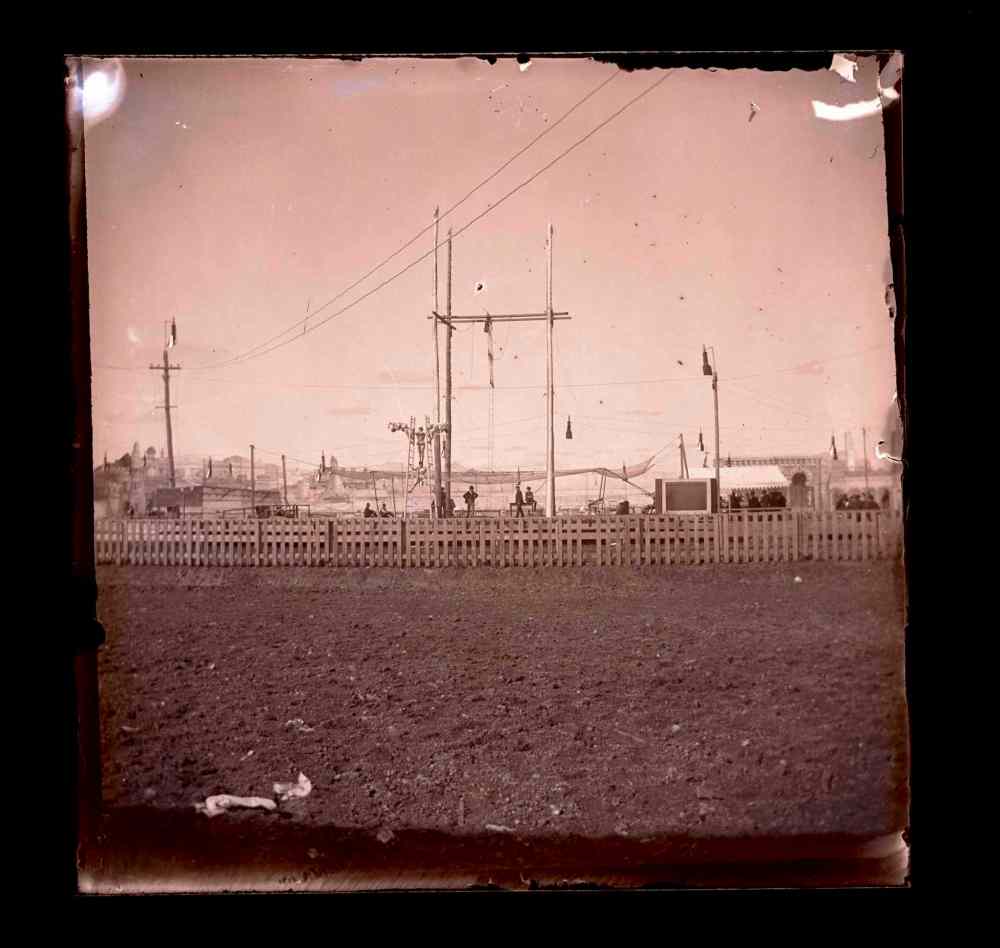
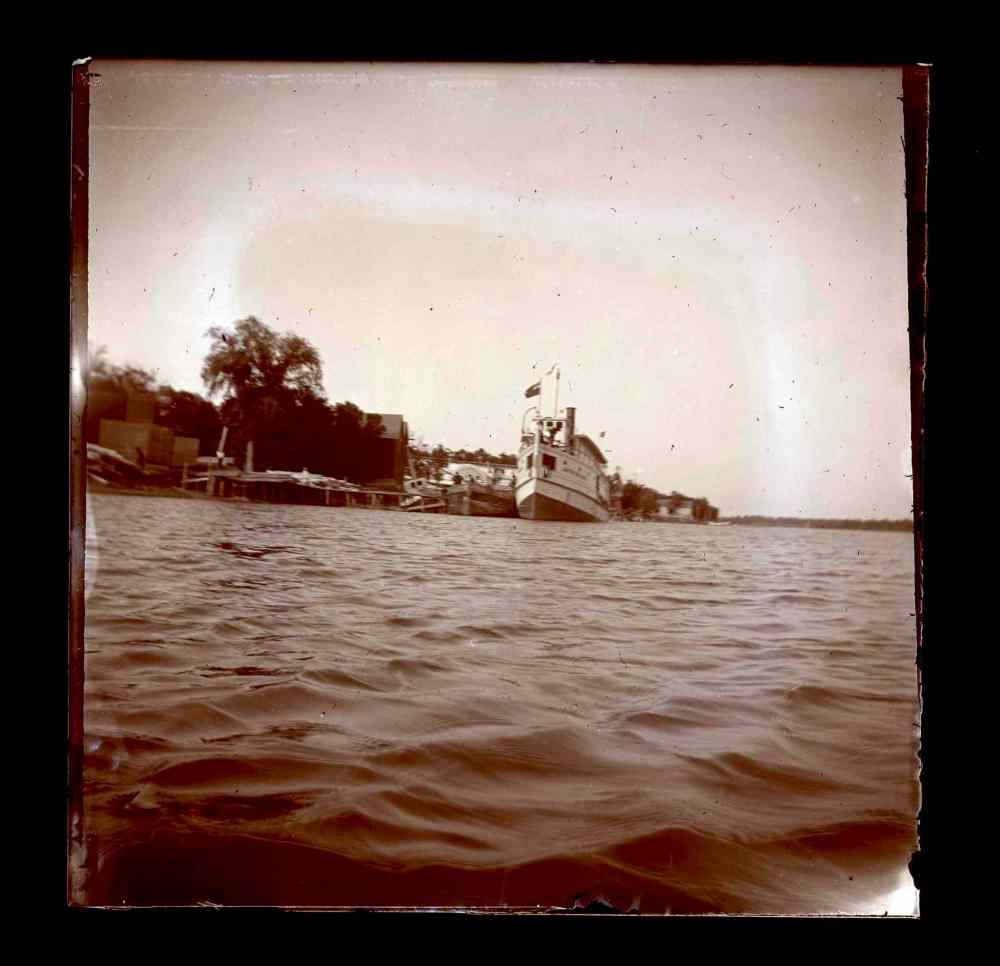
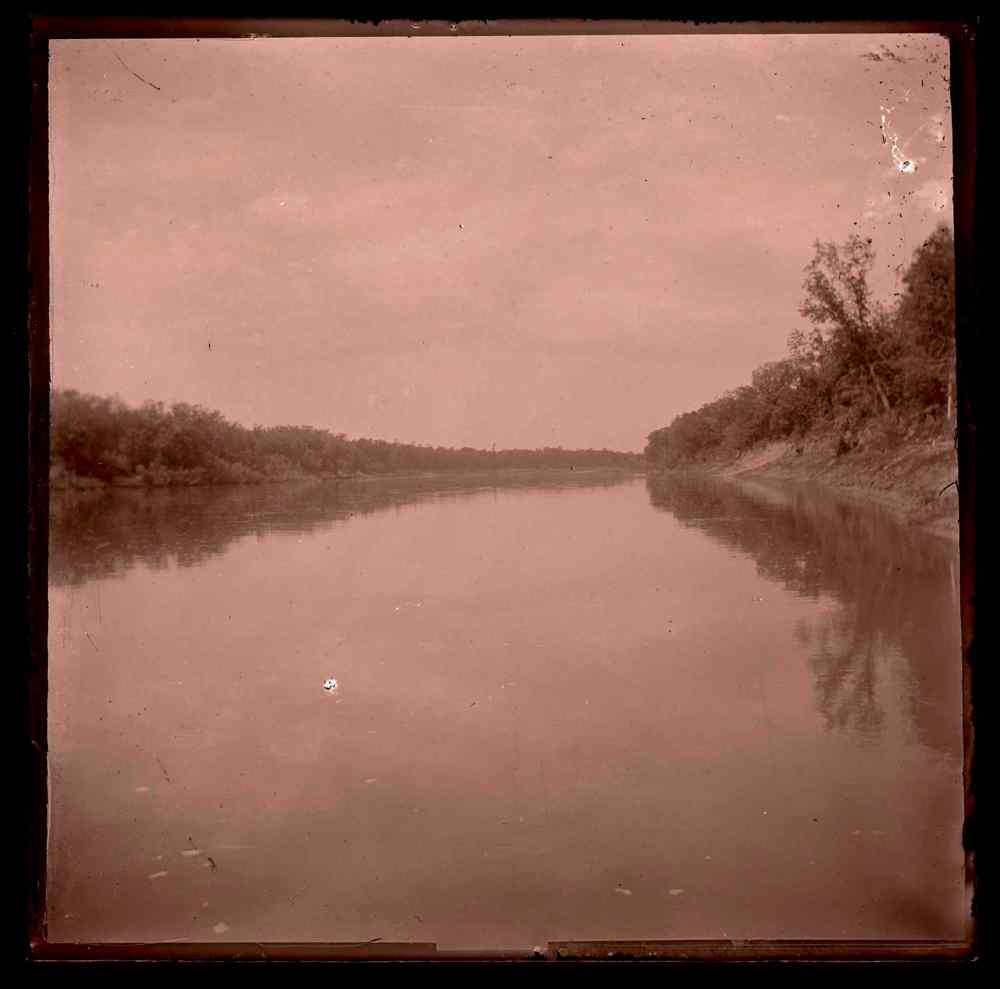
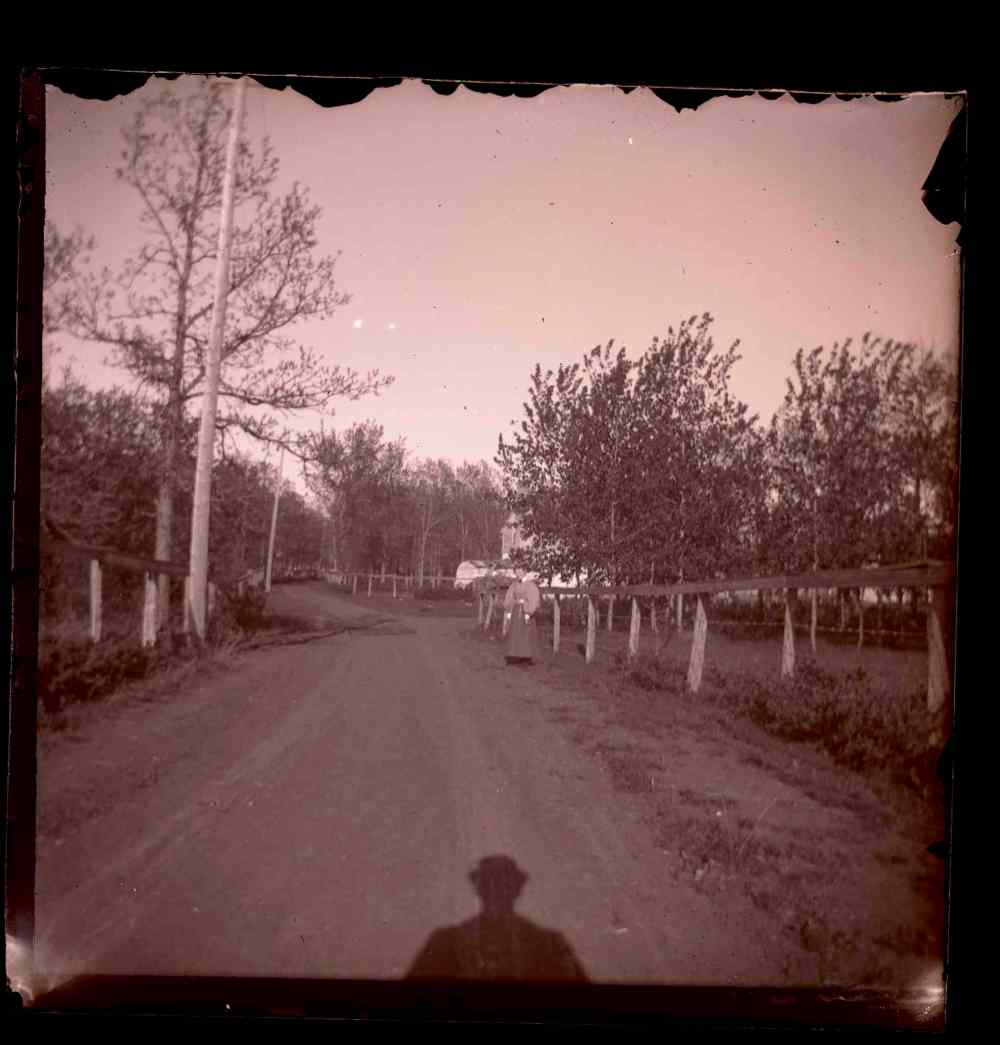
The glass negatives transport viewers to early life in Winnipeg, portraits of its citizens and even a canoe ride down the Red River. Often the background is as important as the main subject.
View from the Forks across the Red River at the original St.Boniface Cathedral on Taché before the basilica was built.
The negatives were found in faded boxes that bore red stamps — SMITH PHOTOGRAPHER 276 Smith Street, Winnipeg — and contained the four-and-a-quarter-inch square Vive Special Rapid Dry Plates made in Chicago.
E.J.C. Smith frequently placed advertisements in the Manitoba Free Press at the turn of the century selling the latest camera equipment from his shop or the want ad: “A1 Man Needed For Developing.” Unfortunately, it’s unclear if Smith was the photographer of these images.
It's easy to understand why most of the pictures were taken outdoors. The manual states the camera may require an exposure time of a minute or a minute-and-a-half when taking interior pictures by dull, cloudy window light.
The Vive Camera Company ended operations in 1908. The camera manual states: “No other camera is so simple and sure.”
Report Error Submit a Tip