

The nose knows
Blind tasting success more in the sniffing
Advertisement
Read this article for free:
or
Already have an account? Log in here »
To continue reading, please subscribe:
Monthly Digital Subscription
$0 for the first 4 weeks*
- Enjoy unlimited reading on winnipegfreepress.com
- Read the E-Edition, our digital replica newspaper
- Access News Break, our award-winning app
- Play interactive puzzles
*No charge for 4 weeks then price increases to the regular rate of $19.95 plus GST every four weeks. Offer available to new and qualified returning subscribers only. Cancel any time.
Monthly Digital Subscription
$4.99/week*
- Enjoy unlimited reading on winnipegfreepress.com
- Read the E-Edition, our digital replica newspaper
- Access News Break, our award-winning app
- Play interactive puzzles
*Billed as $19.95 plus GST every four weeks. Cancel any time.
To continue reading, please subscribe:
Add Free Press access to your Brandon Sun subscription for only an additional
$1 for the first 4 weeks*
*Your next subscription payment will increase by $1.00 and you will be charged $16.99 plus GST for four weeks. After four weeks, your payment will increase to $23.99 plus GST every four weeks.
Read unlimited articles for free today:
or
Already have an account? Log in here »
Hey there, time traveller!
This article was published 09/03/2013 (4689 days ago), so information in it may no longer be current.
Last week, I was one of around 60 contestants in the Manitoba Wine Tasting Championship, an event put on by The Winehouse (1600 Kenaston Blvd. — one of Winnipeg’s private wine stores). In our individual prescribed time slot, each contestant was given five wines (one white and four reds) to taste blind — that is, without knowing the grape, country, region, or vintage. It’s those qualities in the wine we had to guess — up to 10 points total awarded for guessing those characteristics of each wine.
The tasters with the eight highest scores were invited to a live tasting final taking place March 15 at The Winehouse, although the overall champion will be crowned from the initial round’s scores. And wouldn’t you know it, it just so happens I made it through to the final eight. While you always hope for the best, I honestly had no expectations of making it through.
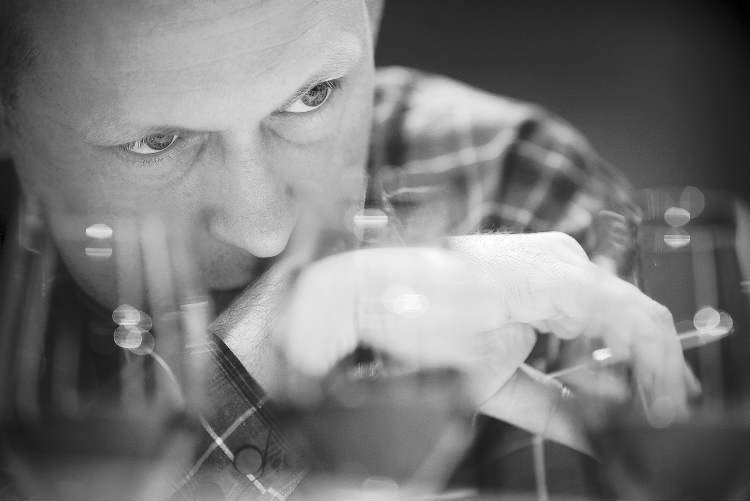
Blind tasting is a fun and humbling way to taste wine. Preconceived notions about a wine based on where it’s from, who made it or how much it costs go out the window.
For me, the key to distinguishing between wines made from different grapes isn’t so much in the tasting as it is in the sniffing. A wine’s aromatics reveal many more subtle differences than just tasting it. Yes, there are differences in flavours as well, but when it comes to nailing down whether a wine is a Cabernet Sauvignon or a Merlot, for example, the nose knows best.
Whether you’re getting together with some serious wine tasters or are throwing a BYOB dinner party, consider keeping the bottles concealed in brown paper bags and making it a blind tasting. You may just come away with bragging rights as the night’s best wine taster.
SILVER BEACH 2011 SAUVIGNON BLANC
(Marlborough, New Zealand — $16.99, Liquor Marts
and beyond)
For textbook Sauvignon Blanc, look no further than New Zealand — it’s their signature white wine grape. Green apple, lemon juice, lime rind and grapefruit aromas are rounded out by a modest tropical fruit component. It’s a light-bodied, crisp white offering fresh citrus fruit and light grassy notes on the palate, with medium acidity that doesn’t turn too sour. Try with grilled shrimp, chicken souvlaki, or soft cheeses. 86/100
CONO SUR 2011 VISIìN PINOT NOIR
(Colchagua Valley, Chile — around $20, private wine stores)
Cono Sur does a particularly great job with Pinot Noir in a country where big, robust reds are far more common. Sourced from a single vineyard with some of the country’s oldest Pinot Noir plantings (dating back to 1968), the Visión brings big floral, cherry, earth and cola aromas, with secondary spice and subtle hints of mushroom in there as well. A juicy, light-plus-bodied Pinot Noir, the cherry, toffee, spice and earthy notes work well together, offering complexity and delicacy while retaining a core of ripe red fruit. Try with smoked salmon, portobello mushroom burgers or pork tenderloin. Obtained at The Winehouse. 90/100
DELAS 2010 SAINT-ESPRIT CîTES-DU-RHîNE
(C¥tes-du-Rh¥ne, France — $17.99, Liquor Marts and beyond)
Ripe raspberry and strawberry aromas are pretty and pure on the nose, with cherry juice, spice and a hint of vanilla in there as well. This medium-plus bodied Rh¥ne Valley red blend is somewhat restrained in the fruit department on the palate, with modest cherry, cranberry and blueberry notes duking it out with pepper and black tea notes from medium tannin. This could use a skirt steak, chili or some big meat dish. 87/100
uncorked@mts.net Twitter: @bensigurdson
Sommelier
101
Whether you’re doing a extensive blind tasting with wine geeks or are just having fun trying out new wines with friends, there are a few key descriptors that apply to most examples of popular grape varieties. Here are some key aromatic/flavour components to look for, as well as some suggested food pairings in case you want to make a dinner party out of the whole thing.
White wine
CHARDONNAY
Dry, medium/full-bodied, red apple, peach, vanilla (oaked),
Food pairing: chicken dishes, salmon, lobster
SAUVIGNON BLANC
Dry, light-bodied, citrus (grapefruit, lime), grassy, herbal
Food pairing: light salads, grilled seafood, mild cheeses, Greek cuisine
RIESLING
Dry to off-dry to medium-sweet, lemon, red apple floral, petrol
Food pairing: sushi, ham/pork dishes, American Chinese cuisine
GEWúRZTRAMINER
Dry to off-dry, apricot, tangerine, spice
Food pairing: Thai cuisine, mild to medium-spicy Indian fare, wings
Red wine
CABERNET SAUVIGNON
Dry, full-bodied, blackcurrant, mint, anise, eucalyptus
Food pairing: beef dishes, ribs, steak
MERLOT
Dry, medium/full-bodied, plum, blueberry, cocoa,
Food pairing: casseroles, burgers, pasta in a red sauce
SYRAH/SHIRAZ
Dry, full-bodied, ripe cherry, black pepper, licorice, spice

Food pairing: lamb, spicier Mexican/Latin American fare, pizza
PINOT NOIR
dry, light-bodied, cherry, mushroom, earth, raspberry
Food pairing: salmon, mushroom risotto, pork tenderloin