

The value of Inuit oral history
Advertisement
Read this article for free:
or
Already have an account? Log in here »
To continue reading, please subscribe:

Digital Subscription
One year of digital access for only $205*
- Enjoy unlimited reading on winnipegfreepress.com
- Read the E-Edition, our digital replica newspaper
- Access News Break, our award-winning app
- Play interactive puzzles
*First annual payment billed as $205.00 + GST for one year. This annual subscription will automatically renew at $233.00 + GST every 52 weeks (10% off the regular annual price of $259.35). Offer available to new and qualified returning subscribers only. Cancel any time.
To continue reading, please subscribe:
Add Free Press access to your Brandon Sun subscription for only an additional
$1 for the first 4 weeks*
- Enjoy unlimited reading on winnipegfreepress.com
- Read the E-Edition, our digital replica newspaper
- Access News Break, our award-winning app
- Play interactive puzzles
*Your next Brandon Sun subscription payment will increase by $1.00 and you will be charged $17.95 plus GST for four weeks. After four weeks, your payment will increase to $24.95 plus GST every four weeks.
Read unlimited articles for free today:
or
Already have an account? Log in here »
Hey there, time traveller!
This article was published 13/09/2016 (3635 days ago), so information in it may no longer be current.
If the discovery of the wreckage of the two ships belonging to Sir John Franklin underscores anything, it’s the value of indigenous knowledge.
Over the weekend, the long-lost ship the HMS Terror was found at the bottom of an Arctic Ocean bay. Almost two years ago to the day, a search vessel discovered the location of Sir Franklin’s flagship, the HMS Erebus.
In both cases, the discoveries were aided by Inuit knowledge. The Guardian reported this weekend’s discovery was because of a tip from an Inuit crew member. Sammy Kogvik of Gjoa Haven said he and a friend had found a wooden object that looked like a mast sticking out of the ice on Terror Bay. He took a photo of it, but when his camera got lost, he took it as an omen of bad spirits. He pledged to keep the location a secret.
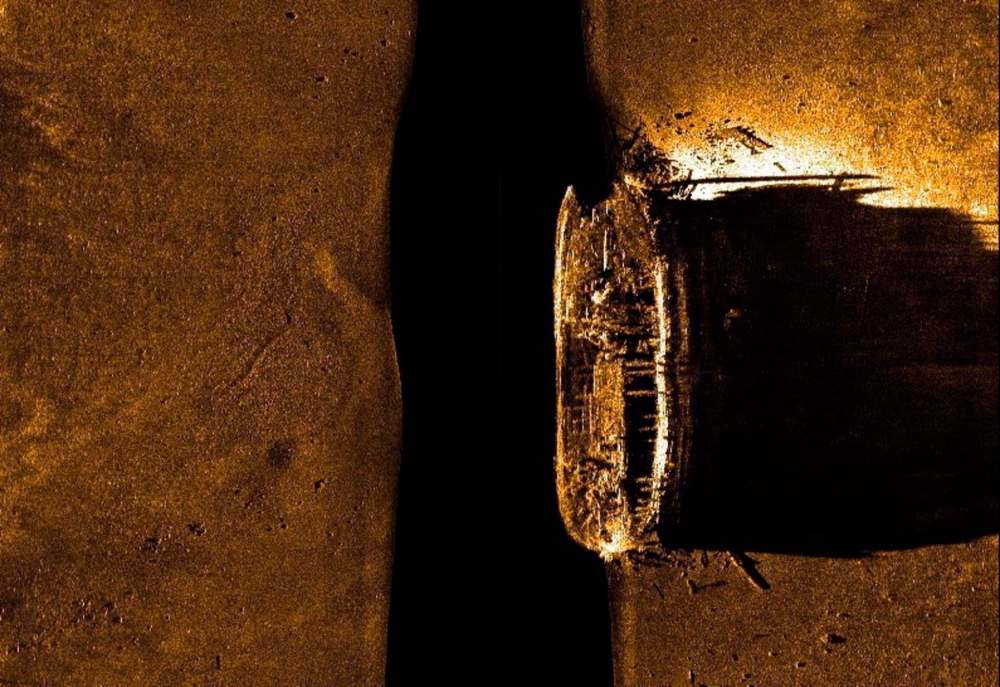
But, here’s the thing: when he told his story to one of his colleagues on board the expedition, it wasn’t dismissed as Inuit oral history often is; instead, it was taken seriously, and the crew made the decision to search the area Mr. Kogvik described.
The ship itself is in pristine condition and its discovery challenges our history books on polar exploration.
In 2014, when HMS Erebus was found, Inuit oral history guided explorers to its location. The Inuit for years had suggested one of their hunters saw the ship in that part of the passage, abandoned. It ended up being exactly where they said it would be.
The two ships disappeared in 1845 as the Franklin expedition attempted to search for the Northwest Passage. All 129 men on board both ships died.
The decision to search for the Franklin ships was a pet project of former prime minister Stephen Harper that began in 2008. He deserves credit for pressing for the search for the two and for raising the profile of the Arctic region. As prime minister, he visited the North more times than any of his predecessors, seeing the area as an issue of Canadian sovereignty and identity. Millions of dollars were poured into the Franklin project, which many discounted as an effort by the Prime Minister’s Office in militarization and branding.

But the discoveries are important for the future. For example, the fact that this area in the Arctic is now an integral part of Canada’s history could threaten the ability for any company to open a drilling platform there. One of the private partners in the search for Erebus was Shell Canada, who suggested it was a natural fit for partnering on the project given its strong presence in the North. Ironically, the discoveries may limit the company’s ability to extract oil.
Those decisions of course, remain up for debate. For now, Canada should be proud of the role it played in this important historical discovery, but more to the point, as author David Woodman points out in a CBC interview: “It took 200 years for our technology to get good enough to tell us that Inuit were telling us the truth.”