

Whistle blown on law
Advertisement
Read this article for free:
or
Already have an account? Log in here »
To continue reading, please subscribe:

Digital Subscription
One year of digital access for only $205*
- Enjoy unlimited reading on winnipegfreepress.com
- Read the E-Edition, our digital replica newspaper
- Access News Break, our award-winning app
- Play interactive puzzles
*First annual payment billed as $205.00 + GST for one year. This annual subscription will automatically renew at $233.00 + GST every 52 weeks (10% off the regular annual price of $259.35). Offer available to new and qualified returning subscribers only. Cancel any time.
To continue reading, please subscribe:
Add Free Press access to your Brandon Sun subscription for only an additional
$1 for the first 4 weeks*
- Enjoy unlimited reading on winnipegfreepress.com
- Read the E-Edition, our digital replica newspaper
- Access News Break, our award-winning app
- Play interactive puzzles
*Your next Brandon Sun subscription payment will increase by $1.00 and you will be charged $17.95 plus GST for four weeks. After four weeks, your payment will increase to $24.95 plus GST every four weeks.
Read unlimited articles for free today:
or
Already have an account? Log in here »
Hey there, time traveller!
This article was published 18/06/2012 (5143 days ago), so information in it may no longer be current.
The introduction of whistleblower legislation in various jurisdictions has been met with some scepticism. Can legislation really protect those who call out a boss or co-worker even when wrongdoing is proven? The Manitoba Ombudsman’s investigation into alleged misuse of public funds at the Assiniboine Community College shows some of those concerns are valid.
Ultimately, the process worked, in a manner. The ombudsman’s investigation confirmed reason to suspect financial mismanagement — three employees alleged another had been buying goods for personal use. The employee and an individual who had conducted an internal audit, which did not find wrongdoing, are no longer working at the college.
But the employees got no satisfaction after first complaining in 2009-10 through the college’s own whistle-blowing procedures. The ombudsman’s office reviewed those procedures and found they did not meet expected standards. Further, the ombudsman found the college’s internal audit was poorly conducted and insufficient to decide no wrongdoing occurred.
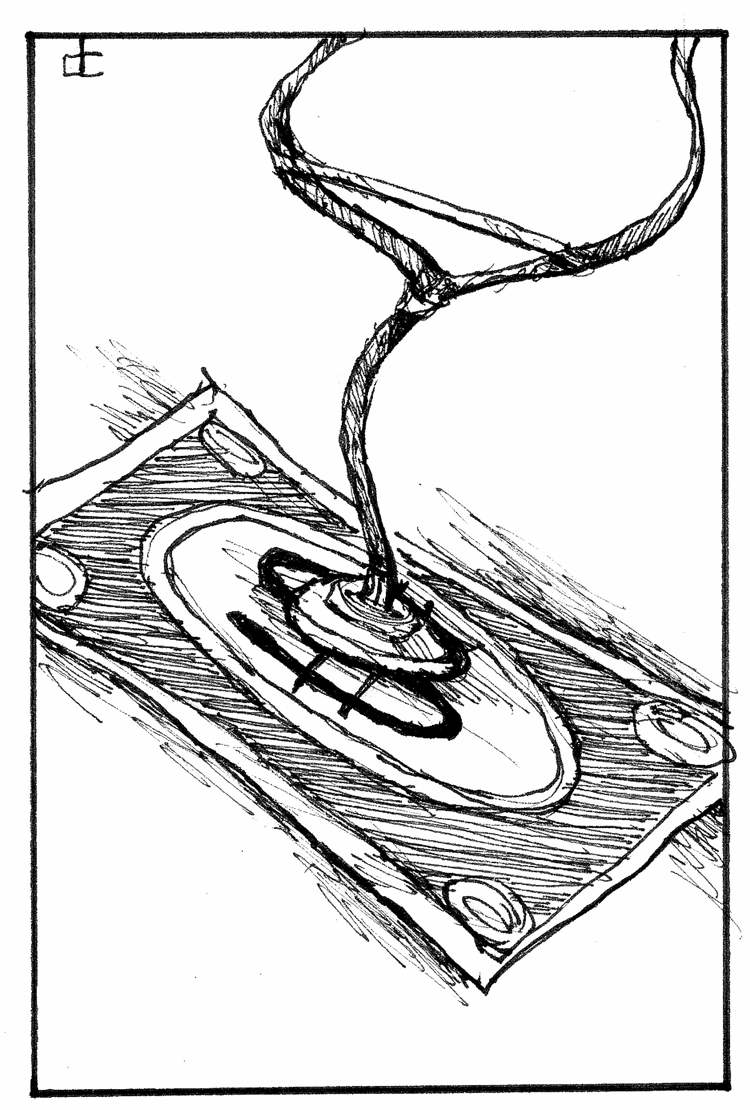
The ombudsman recommended, as well, a forensic audit by an external agency be launched. The fact, however, was the paper trail made a clear finding of wrongdoing impossible — “the evidence was trampled.” Some documents couldn’t be found and the goods purchased were gone. Although the employee had in some cases provided reasons for the purchases, the reasons were unrelated to the job, the ombudsman concluded. Yet, none of those reasons was questioned by those in authority.
The allegation was that the items bought over the years amounted in value to the tens of thousands of dollars. This raises the question, “How could the college not notice, eventually, something was amiss?”
The ombudsman’s account of the investigation under the Public Interest Disclosure Act, contained within its latest annual report, does not identify the institution (it accounts for complaints under categories) nor the details of the wrongdoing. The PIDA’s provisions for public reporting of investigations are limited, unless a special public interest is engaged, in which case the ombudsman can publish a special report.
Remarkably, Assiniboine Community College, which is bound to report publicly any disclosure under PIDA, says in its 2010/11 annual report an investigation did not conclude wrongdoing — not factually inaccurate, but a very different account of the affair than reported by the ombudsman.

There may be good reason to protect the identity of the alleged wrongdoer; this is not a criminal investigation. But there should be better public accountability for the losses to an institution that is publicly funded, and for the gross mismanagement that permitted loose financial controls to obscure or gloss over the wrongdoing.
More detailed information ought to be included in the ombudsman’s reporting of PIDA investigations that find reason to believe wrongdoing occurred. Finally, the experience of the ombudsman in this investigation should cause the provincial government to remind all public bodies immediately of their obligations under PIDA to have trustworthy disclosure protocols. It was only by the efforts of three diligent employees at the college, who resorted to the Manitoba Ombudsman for help, this matter finally was fully pursued.