Nine Inch Nails? Radiohead? It’s not your dad’s jazz collection
Advertisement
Read this article for free:
or
Already have an account? Log in here »
To continue reading, please subscribe:

Digital Subscription
One year of digital access for only $205*
- Enjoy unlimited reading on winnipegfreepress.com
- Read the E-Edition, our digital replica newspaper
- Access News Break, our award-winning app
- Play interactive puzzles
*First annual payment billed as $205.00 + GST for one year. This annual subscription will automatically renew at $233.00 + GST every 52 weeks (10% off the regular annual price of $259.35). Offer available to new and qualified returning subscribers only. Cancel any time.
To continue reading, please subscribe:
Add Free Press access to your Brandon Sun subscription for only an additional
$1 for the first 4 weeks*
- Enjoy unlimited reading on winnipegfreepress.com
- Read the E-Edition, our digital replica newspaper
- Access News Break, our award-winning app
- Play interactive puzzles
*Your next Brandon Sun subscription payment will increase by $1.00 and you will be charged $17.95 plus GST for four weeks. After four weeks, your payment will increase to $24.95 plus GST every four weeks.
Read unlimited articles for free today:
or
Already have an account? Log in here »
Hey there, time traveller!
This article was published 10/01/2011 (5757 days ago), so information in it may no longer be current.
The songbook is changing.
The Great American Songbook has its foundation in musical theatre, Broadway tunes by the likes of the Gershwins, Jerome Kern, Cole Porter… all the usual suspects. The compositions lent themselves to great instrumental and vocal interpretations by the jazz masters.
Those tunes aren’t on the endangered list, but younger players are adding rock songs and rap beats to an updated jazz canon.
And that is a good thing, as it introduces music into jazz performance and recording that has a resonance with younger audiences.
As author and National Public Radio jazz critic Kevin Whitehead says in his just released book Why Jazz?:
“Jazz is voracious, ingesting all kinds of nourishment. For decades, improvisers played new Broadway tunes as soon as the ink on the sheet music was dry… (and now) jazz musicians play reggae and hip hop and songs by Radiohead.”
Pianist Brad Mehldau has brought Radiohead into the mix. The Bad Plus has based its 10-year run (so far) on rock tunes, and Beatles’ tunes have been covered near and far by jazz musicians.
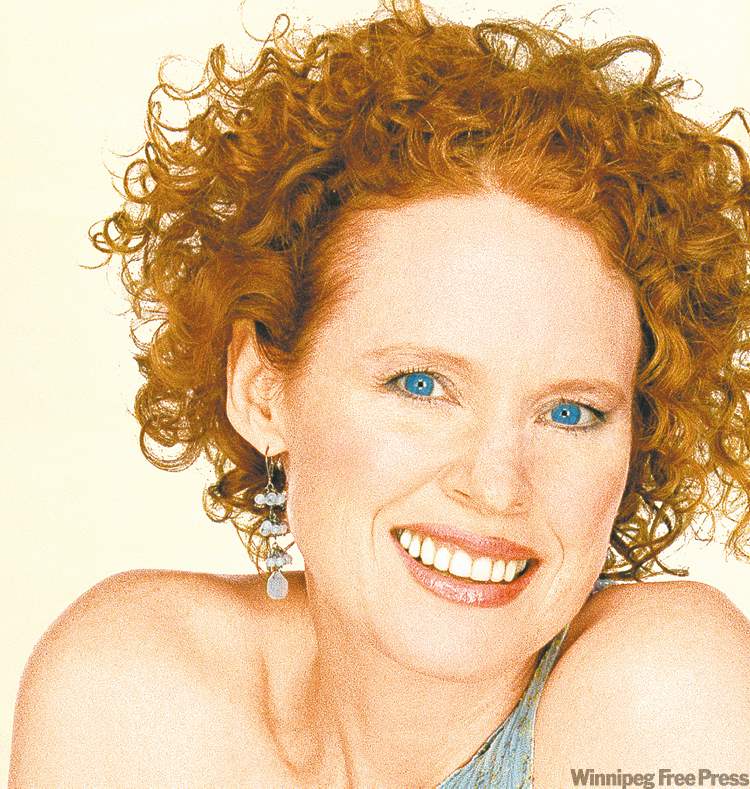
Pianist Lynne Arriale, on her new release Convergence, interprets the George Harrison classic Here Comes the Sun, Sting’s Sister Moon, Blondie’s Call Me, Nine Inch Nails’ Something I Can Never Have and, for jazz columnists of a certain age, the Rolling Stones’ Paint it Black.
“Jazz shouldn’t just be for jazz lovers,” Arriale says. “It’s all about music… about finding melodies that somehow resonate with listeners.”
The pianist, who is also an assistant professor of jazz piano and director of small ensembles at the University of North Florida, is a jazz musician at her core, but has been listening to a lot of folk and pop music, which “has made me think more about what makes a great melody.”
The pop/rock songs on Convergence seamlessly merge into the jazz in the deft hands of Arriale, bassist Omer Avital, drummer Anthony Pinciotti and tenor saxophonist Bill McHenry. Here Comes the Sun, as so many Beatles’ tunes, makes a natural move to jazz, while Paint it Black is a pleasant surprise, especially Avital’s interpretations of Brian Jones’s sitar lines on the original 1966 recording.
Convergence is simply a good jazz recording, without looking at the provenance of its tunes — which is the best way to expand the songbook.
Pianist Brad Mehldau, the 40-year-old jazz master, has a soft spot for the Beatles as well. He recorded Blackbird on his 1997 CD The Art of the Trio, Vol. 1, along with jazz chestnuts I Fall in Love Too Easily and Nobody Else But Me. The Fab Four returned on 2005’s Day Is Done with Martha My Dear and She’s Leaving Home. Singer-songwriter Paul Simon is represented on a couple of Mehldau discs with Still Crazy After All These Years and 50 Ways to Leave Your Lover.
He recorded Radiohead’s Exit Music (For a Film) in 1998 and Paranoid Android in 2004.
Mehldau, like all good pianists, always makes a song into something of his own, but his choice of pop material is a strong indication that a newer generation is putting its stamp on jazz.
Jason Moran, another great pianist of Mehldau’s stature, included Joga by Icelandic singer Bjork on 2000’s Facing Left. Closer to home, Winnipeg-based pianist and music professor George Colligan’s 2009 CD Come Together includes the Beatles’ tune as its title track.
Vijay Iyer, the pianist whose CD Solo made so many 2010 Top 10 lists, includes Human Nature, from Michael Jackson’s Thriller.
A younger example, trumpeter Christian Scott, in his late 20s, incorporates the art rock of Radiohead as well.
Or you can go back to another trumpeter Miles Davis and his 1985 album You’re Under Arrest, which featured his straightforward ballad interpretations of Human Nature and Cyndy Lauper’s Time After Time, both of which he would play in concerts for the rest of his life.
Davis who, of course, played many standards during his 50-year career, shocked the staid world of jazz in 1970 with the jazz-rock fusion of Bitches Brew that sent him and jazz on a different course. Davis was a musician who didn’t want to stand still, who always sought something new, so it is no surprise he embraced rock, funk and pop sounds. Despite the fears he generated, straight-ahead jazz is alive and well, if more open to newer sounds.
Of course, none of these newer additions to the songbook is going to bump Summertime or Night and Day from the standards go-to list, but they speak to a continued evolution in the genre, and suggest that jazz isn’t just for grey-haired listeners.
chris.smith@freepress.mb.ca