

Winnipeg Transit to add more diesel to its fleet
Being green vs. $$ is city's dilemma
Advertisement
Read this article for free:
or
Already have an account? Log in here »
To continue reading, please subscribe:
Digital Subscription
One year of digital access for only $1.44 a week*
- Enjoy unlimited reading on winnipegfreepress.com
- Read the E-Edition, our digital replica newspaper
- Access News Break, our award-winning app
- Play interactive puzzles
*Billed as $5.77 plus GST every four weeks. After 52 weeks, price increases to the regular rate of $19.95 plus GST every four weeks. Offer available to new and qualified returning subscribers only. Cancel any time.
To continue reading, please subscribe:
Add Free Press access to your Brandon Sun subscription for only an additional
$1 for the first 4 weeks*
- Enjoy unlimited reading on winnipegfreepress.com
- Read the E-Edition, our digital replica newspaper
- Access News Break, our award-winning app
- Play interactive puzzles
*Your next Brandon Sun subscription payment will increase by $1.00 and you will be charged $17.95 plus GST for four weeks. After four weeks, your payment will increase to $24.95 plus GST every four weeks.
Read unlimited articles for free today:
or
Already have an account? Log in here »
Hey there, time traveller!
This article was published 28/05/2011 (5478 days ago), so information in it may no longer be current.
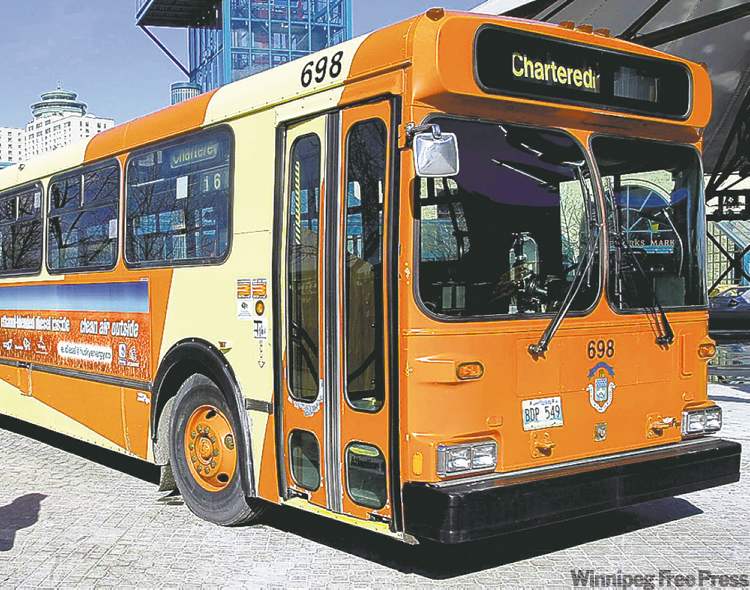
Winnipeg Transit plans to add an additional 10 diesel buses to its fleet in anticipation of a spike in ridership that will accompany the opening of the Southwest Rapid Transit Corridor.
The city’s transit department wants to purchase 40 new diesel buses this year at a cost of $15.4 million, or about $386,000 per bus. Winnipeg Transit director Dave Wardrop said the department usually only replaces 30 buses that have reached the end of their lifespan every year, and the additional 10 will help accommodate the increased bus service in the new rapid transit corridor.
Council’s public works committee will consider the proposal at a meeting on Tuesday.
The $138-million first phase of the rapid-transit corridor is slated to be complete later this year, and will create a 3.6-kilometre link between Queen Elizabeth Way near The Forks and Jubilee Avenue at Pembina Highway.
Wardrop said Winnipeg continues to use diesel buses since they’re the cheapest and most practical option at this point. The city tested two diesel-electric hybrid buses about five years ago, but Wardrop said they saved only a fraction of the fuel but cost about three times more than the average diesel bus.
Winnipeg expected to save between 20 to 30 per cent on fuel with the hybrid buses, but only saved about 4.4 per cent.
“We were using more fuel than expected with the hybrids,” Wardrop said, noting one hybrid bus can cost in excess of $1 million.
Last year, Winnipeg Transit purchased about 15.8 million litres of fuel for its diesel buses at a cost of $13.1 million.

Wardrop said the city fleet runs on low-sulfur clean diesel, and that one diesel bus still has environmental benefits since it takes several dozen cars off the road. He said the city continues to monitor new alternative fuel technology, but right now, Winnipeg can put more buses in service by using diesel.
“There’s no question that any time you take anywhere from 30 to 50 cars on the road and replace it with one bus operating that there’s a positive environmental impact,” he said.
Fort Rouge Coun. Jenny Gerbasi said she would like to see an environmentally friendly alternative to diesel, but the reality is Winnipeg needs more buses on the road. Gerbasi said it’s a dilemma many cities are faced with: to increase the number of buses on the road, or purchase a smaller number of buses that use cleaner fuel.
She said the rapid transit corridor is expected to increase ridership and Winnipeg needs additional buses to meet the current and future demand.
jen.skerritt@freepress.mb.ca