Crisp dialogue, good plot twists move new Preston mystery
Advertisement
Read this article for free:
or
Already have an account? Log in here »
To continue reading, please subscribe:

Digital Subscription
One year of digital access for only $205*
- Enjoy unlimited reading on winnipegfreepress.com
- Read the E-Edition, our digital replica newspaper
- Access News Break, our award-winning app
- Play interactive puzzles
*First annual payment billed as $205.00 + GST for one year. This annual subscription will automatically renew at $233.00 + GST every 52 weeks (10% off the regular annual price of $259.35). Offer available to new and qualified returning subscribers only. Cancel any time.
To continue reading, please subscribe:
Add Free Press access to your Brandon Sun subscription for only an additional
$1 for the first 4 weeks*
- Enjoy unlimited reading on winnipegfreepress.com
- Read the E-Edition, our digital replica newspaper
- Access News Break, our award-winning app
- Play interactive puzzles
*Your next Brandon Sun subscription payment will increase by $1.00 and you will be charged $17.95 plus GST for four weeks. After four weeks, your payment will increase to $24.95 plus GST every four weeks.
Read unlimited articles for free today:
or
Already have an account? Log in here »
Hey there, time traveller!
This article was published 12/11/2011 (5397 days ago), so information in it may no longer be current.
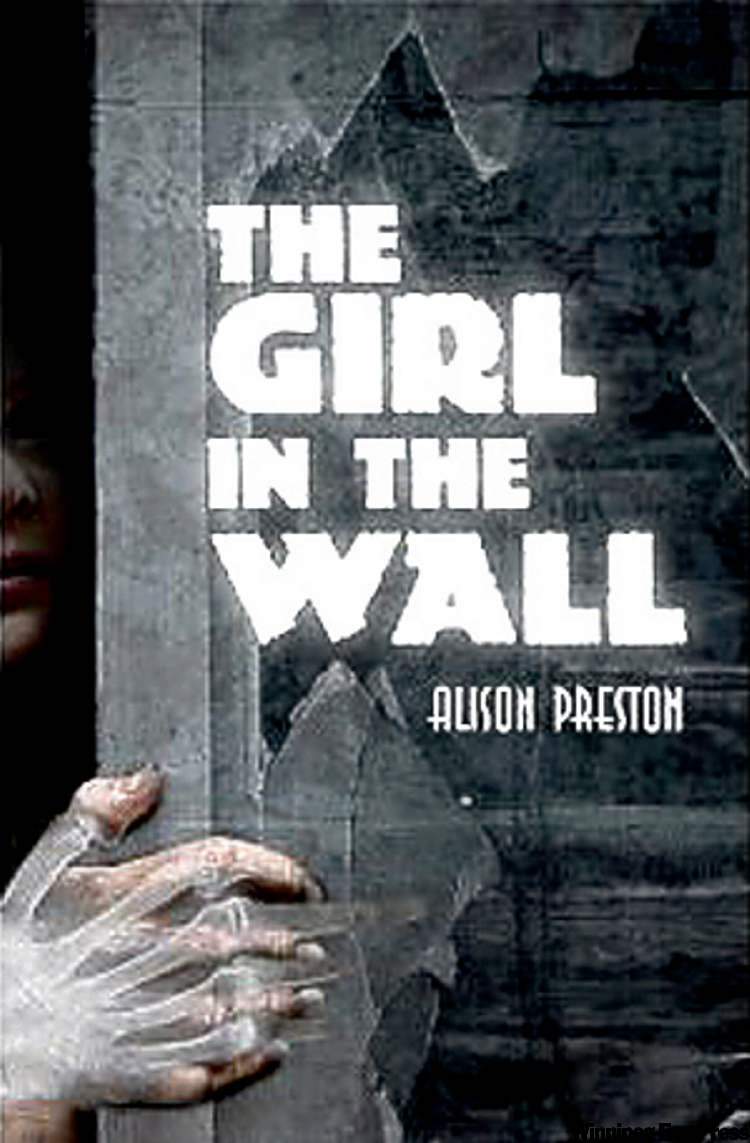
The Girl in the Wall
By Alison Preston

Signature Editions, 233 pages, $17
WINNIPEG’S Alison Preston returns with a new mystery, another entertaining expose of evil doings in the seemingly quiet Norwood Flats. This one finds her favourite character, Frank Foote, in mid-life-crisis mode, which contrasts nicely with the mawkishly humorous goings-on.
Like past Preston yarns, The Girl in the Wall varies in format from the usual mystery. The body suggested in the title isn’t discovered until midway through the book.
In fact, the novel is split into two distinct halves. The first is mostly presented from the point of view of Morven Rankin, or Mrs. Mortimer, as she eventually calls herself.
“Morven Rankin was born dead,” the novel begins. “It ran in the family.”
In case you think the protagonist is going to be dead throughout the book (as in Alice Sebold’s The Lovely Bones), Preston quickly establishes that baby Morven, like her mother and her grandmother, was brought back to life by alert nurses.
If this bizarre fact — that all three were dead at birth — doesn’t cause you to snicker, the narrator follows it up with this:
“You’d have thought by the time they got to Morven they would have been on the alert for the birthing emergency…. After all, it was 1949; the bikini had been invented.”
As Morven grows up, she seems “not quite right.” She has trouble at school and she has difficulty expressing emotions. Her half-brother George becomes her protector; she does a lot staring, but she’s a gentle sort. Preston does a fine job of making Morven a completely credible sympathetic character.
When Morven is 16 (in 1965), George gives her a camera, and she gets to be quite skilled at using it. On a visit to the hospital one day, she’s asked by a mother to take a photo of the woman’s newly dead baby boy. Morven gradually gains a reputation for this kind of photography and assumes the professional name of Mrs. Mortimer.
All is well until a strange young man named Jim Coulthard approaches her about being her business partner.
The second half of the novel begins many years later, in 2006. Frank is retired from the police force and he’s renovating a house. He tears away the last of the drywall and finds a skeleton in a nightgown, presumably that of a small woman.

While following Frank’s quest for the story behind the body, a quest that leads back to Mrs. Mortimer, we learn of his other tribulations: his worries about his growing kids, his thoughts about his dead wife, his “pathetic need to never let … go” of his police work. The state of Foote’s mind is as much a concern for the reader as the fate of Mrs. Mortimer. Tension mounts.
Except for brief sorties to the Women’s Pavilion and Wellington Crescent, the novel takes place in Norwood Flats. It’s like a self-contained village, where the characters walk everywhere (what a pleasant change from most contemporary mysteries!), from street to street, down to the river, over to the Red Top for coffee.
As in her previous efforts, like Sunny Dreams and Cherry Bites, Preston moves you swiftly through this tantalizing tale with crisp dialogue and good plot twists.
Dave Williamson is a Winnipeg novelist who grew up just south of Norwood Flats.