

Tories deny flip-flop on health cuts
Some refugees to keep benefits
Advertisement
Read this article for free:
or
Already have an account? Log in here »
To continue reading, please subscribe:

Digital Subscription
One year of digital access for only $205*
- Enjoy unlimited reading on winnipegfreepress.com
- Read the E-Edition, our digital replica newspaper
- Access News Break, our award-winning app
- Play interactive puzzles
*First annual payment billed as $205.00 + GST for one year. This annual subscription will automatically renew at $233.00 + GST every 52 weeks (10% off the regular annual price of $259.35). Offer available to new and qualified returning subscribers only. Cancel any time.
To continue reading, please subscribe:
Add Free Press access to your Brandon Sun subscription for only an additional
$1 for the first 4 weeks*
- Enjoy unlimited reading on winnipegfreepress.com
- Read the E-Edition, our digital replica newspaper
- Access News Break, our award-winning app
- Play interactive puzzles
*Your next Brandon Sun subscription payment will increase by $1.00 and you will be charged $17.95 plus GST for four weeks. After four weeks, your payment will increase to $24.95 plus GST every four weeks.
Read unlimited articles for free today:
or
Already have an account? Log in here »
Hey there, time traveller!
This article was published 03/07/2012 (5144 days ago), so information in it may no longer be current.
OTTAWA — The federal government has quietly backtracked on major cuts to health-care coverage for some refugees, a turnaround applauded by doctors and advocates even as the Tory government denies it.
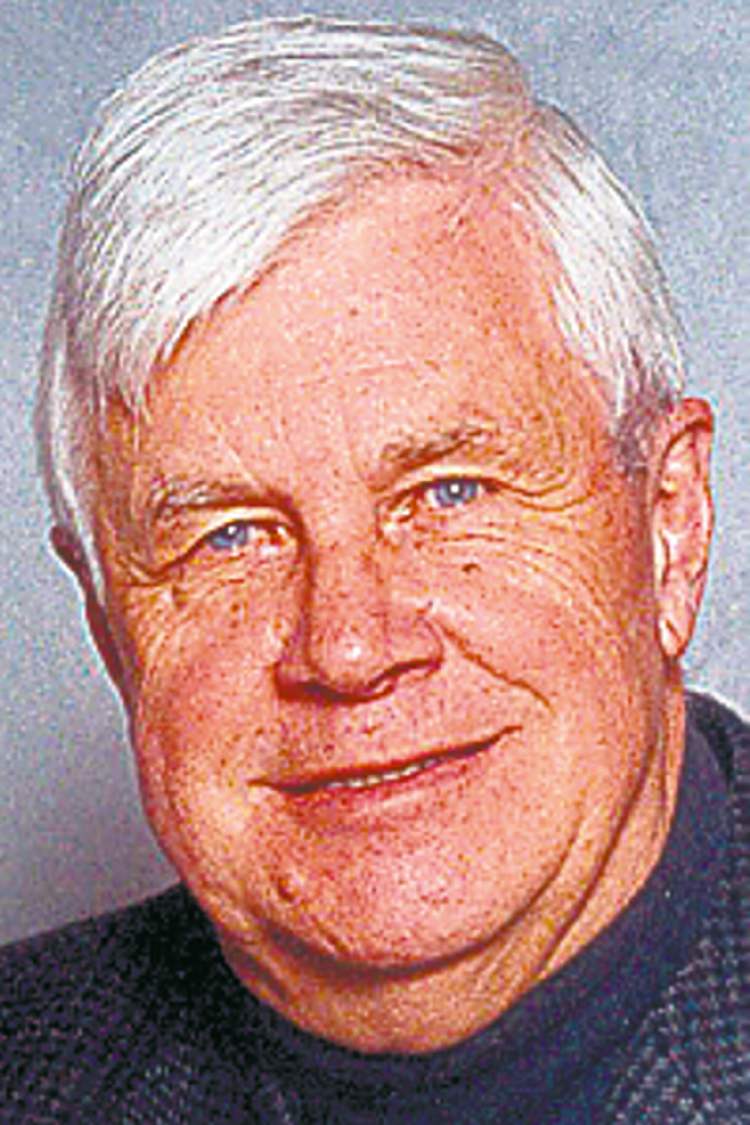
“It’s funny the way they slipped that through on a holiday weekend (issuing) no press release,” said Tom Denton, the executive director of Hospitality House Refugee Ministry in Winnipeg.
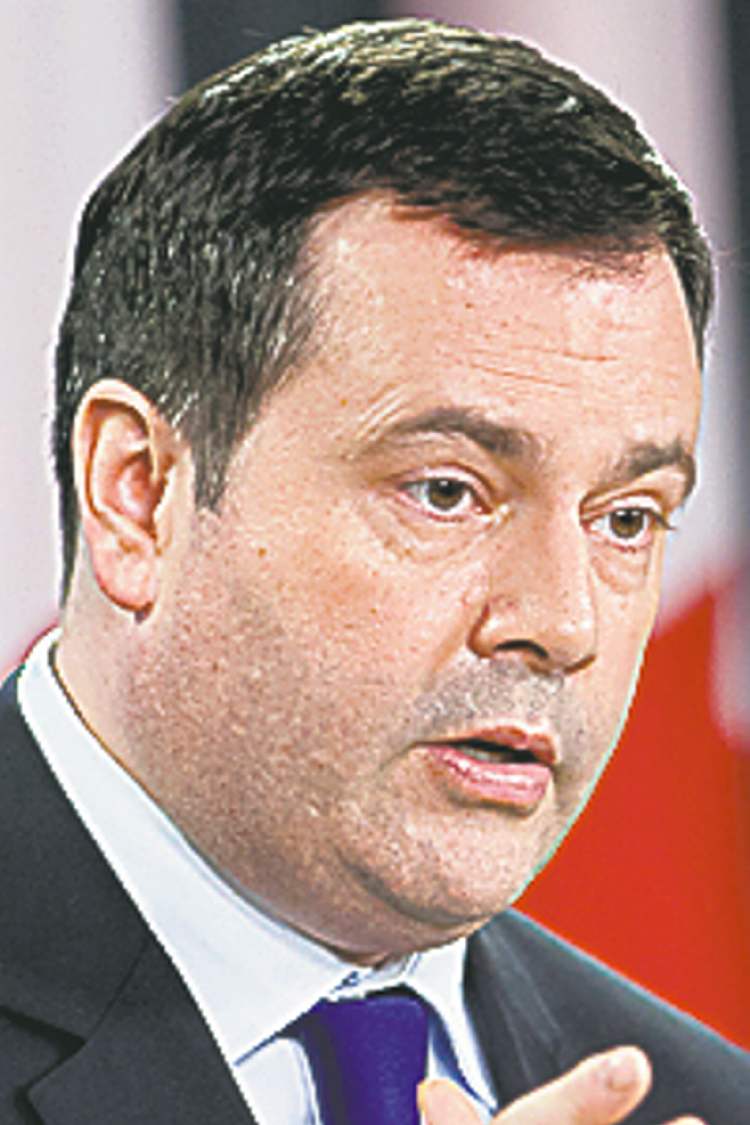
In April, Immigration Minister Jason Kenney announced reforms to the Interim Federal Health Program, which provides temporary health benefits to refugees until they qualify for provincial and territorial coverage.
Historically, the benefits included basic medical care as well as supplemental benefits such as pharmaceutical, vision and dental care, at a level similar to that provided by provinces to people on social assistance. It was given to most refugees, whether they came as part of a government resettlement program, were privately sponsored, or asked for asylum upon arrival in Canada. It also applied to rejected refugee claimants awaiting deportation.
When the changes were announced, a Citizenship and Immigration Canada news release said “the reformed program will end the coverage of supplemental health-care benefits,” something Kenney said was fair: “We do not want to ask Canadians to pay for benefits for protected persons and refugee claimants that are more generous than what they are entitled to themselves.”
The government said its cuts, which went into effect July 1, would save $100 million over five years.
Medical practitioners and refugee advocates denounced the move. Eight national groups — including the Canadian Medical Association — called on the government to cancel the cuts.
On Friday, Citizenship and Immigration’s website was changed to say supplemental benefits would not be cut for two groups of refugees, specifically those selected and resettled from abroad by the government and those privately sponsored refugees who receive federal financial assistance.
Cuts to health care for refugees sponsored by faith-based groups — such as the Anglican diocese, the Mennonite Central Committee and Hospitality House — remain in place.
Previously, the summary of changes to the Interim Federal Health Program (posted in April) showed all “protected persons” (including resettled refugees and successful asylum claimants) would lose their benefits.
There was no news release pointing to an eleventh-hour turnaround.
In an an email to Postmedia News, the minister’s press secretary firmly denied there had been any change and said government-assisted refugees were never expected to lose supplemental benefits.
“Minister Kenney has said multiple times that GARs would be treated the same as they are now,” including pharmaceutical coverage, spokeswoman Alexis Pavlich said.
But that flies in the face of the government’s approach prior to the cuts, Denton said.
“It’s nonsense that they never intended to do this,” Denton said.
Dr. Med Rashid, a Toronto physican with Doctors for Refugee Health added, “We’ve called them out on this many times, pointing out that GARs are affected, and we’ve never had a statement from them on it.”
Denton said the turnaround is welcome but to continue to cut benefits to church-sponsored refugees is cold-hearted.
“They’re going to continue to stick it to the churches,” he said.
He said he believes the Tories flip-flopped on some of the cuts because of pressure from doctors, nurses and other medical professionals.
“It was foolish to bring (government-assisted refugees) here and not give them medical help,” he said.

The government’s new web page makes it clear one thing hasn’t changed: rejected refugee claimants will get limited benefits, and then only when they have a condition that threatens public health, such as tuberculosis.
Rashid says Doctors for Refugee Health will continue to press for all the changes to be rescinded. “We’re going to applaud the government for their decision to back down on the cuts to refugee health,” said Rashid. “Even if they haven’t stated they’re doing it, we do feel they ought to be recognized for it.”
Denton said a lawsuit against the federal government launched by the Anglican diocese and Hospitality House will proceed. It argues Ottawa has a contractual obligation to provide supplemental health benefits to new refugees.
“I’m still hoping the government will see the illogical nature of this,” Denton said.
— Postmedia News, with files from Laurie Bailey
Related Articles
Chained to the Indian Act
Advertisement Advertise With Us
Advertisement Advertise With Us