

Mystery Ingredient: Cape Gooseberry
Advertisement
Read this article for free:
or
Already have an account? Log in here »
To continue reading, please subscribe:
Monthly Digital Subscription
$0 for the first 4 weeks*
- Enjoy unlimited reading on winnipegfreepress.com
- Read the E-Edition, our digital replica newspaper
- Access News Break, our award-winning app
- Play interactive puzzles
*No charge for 4 weeks then price increases to the regular rate of $19.00 plus GST every four weeks. Offer available to new and qualified returning subscribers only. Cancel any time.
Monthly Digital Subscription
$4.75/week*
- Enjoy unlimited reading on winnipegfreepress.com
- Read the E-Edition, our digital replica newspaper
- Access News Break, our award-winning app
- Play interactive puzzles
*Billed as $19 plus GST every four weeks. Cancel any time.
To continue reading, please subscribe:
Add Free Press access to your Brandon Sun subscription for only an additional
$1 for the first 4 weeks*
*Your next subscription payment will increase by $1.00 and you will be charged $16.99 plus GST for four weeks. After four weeks, your payment will increase to $23.99 plus GST every four weeks.
Read unlimited articles for free today:
or
Already have an account? Log in here »
Hey there, time traveller!
This article was published 11/08/2012 (4867 days ago), so information in it may no longer be current.
What is it?
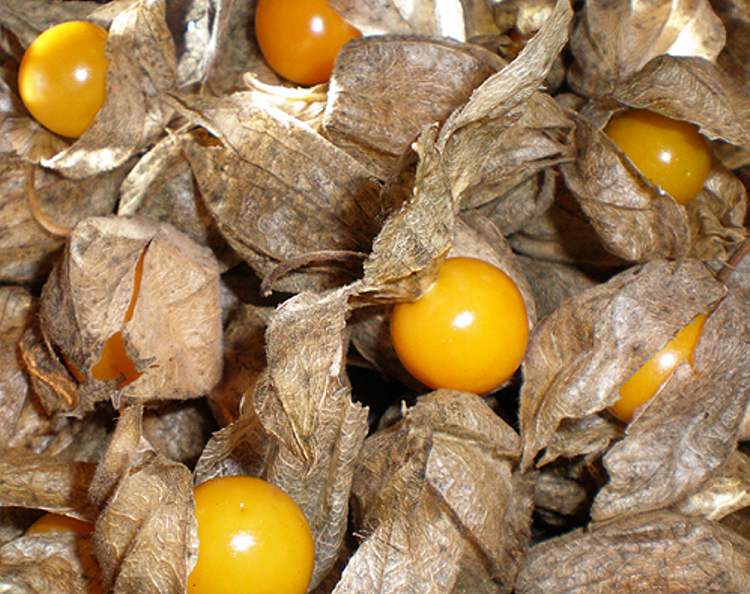
A pretty, gumball-sized berry, encased in its own little papery, parchment-like husk, which Australian settlers christened after the Cape of Good Hope in South Africa, whence the fruit originated. These nutritional nuggets are also known as the golden berry and are highly popular and widely cultivated in Hawaii, where they are known as poha berries.
Looks like:
The yellowy-orange berries look like tiny tomatoes, and similarly contain numerous small seeds. Each berry develops inside a protective, gauzy calyx, which makes the fruit popular in restaurants as an exotic garnish for desserts.
Tastes like:
Cape gooseberries are very juicy with a mildly tart, bittersweet taste. They’re a bit acidic, like a cherry tomato, with notes of citrus, pineapple and peaches.
Used in:
In Hawaii, the golden berries are used for both sweet and savoury dishes. Combined with couscous and cilantro, they make a nice accompaniment to scallops. In South American countries, they are used in savoury sauces and added to yogurt and ice cream, or dipped in chocolate for an exotic treat.

Found at:
Lucky Supermarket, 1051 Winnipeg Ave.