

New leases on life for First Nations
Seen as better alternative to private property
Advertisement
Read this article for free:
or
Already have an account? Log in here »
To continue reading, please subscribe:

Digital Subscription
One year of digital access for only $205*
- Enjoy unlimited reading on winnipegfreepress.com
- Read the E-Edition, our digital replica newspaper
- Access News Break, our award-winning app
- Play interactive puzzles
*First annual payment billed as $205.00 + GST for one year. This annual subscription will automatically renew at $233.00 + GST every 52 weeks (10% off the regular annual price of $259.35). Offer available to new and qualified returning subscribers only. Cancel any time.
To continue reading, please subscribe:
Add Free Press access to your Brandon Sun subscription for only an additional
$1 for the first 4 weeks*
- Enjoy unlimited reading on winnipegfreepress.com
- Read the E-Edition, our digital replica newspaper
- Access News Break, our award-winning app
- Play interactive puzzles
*Your next Brandon Sun subscription payment will increase by $1.00 and you will be charged $17.95 plus GST for four weeks. After four weeks, your payment will increase to $24.95 plus GST every four weeks.
Read unlimited articles for free today:
or
Already have an account? Log in here »
Hey there, time traveller!
This article was published 18/08/2012 (5122 days ago), so information in it may no longer be current.
Before Ottawa’s sudden interest in introducing the concept of private property to First Nations, some reserves in Manitoba have been finding success with another less-publicized option: leases.
Ottawa plans to move forward on legislation that would let reserves include private property, so people could take out mortgages and build their own homes. One of the federal government’s stated objectives is to help First Nations residents build up equity towards financial independence. A controversial question is whether First Nations property owners would then be able to sell to non-aboriginal buyers, endangering the geographical integrity of the First Nation.
But some Manitoba First Nations are already trying a system of leases they view as an alternative that’s safer than the introduction of private property.
The leases are made possible through federal legislation called the First Nations Land Management Act, a form of enabling legislation that lets reserve lands be developed outside the Indian Act.
The Opaskwayak Cree Nation in The Pas has used leases to build 663 homes in the past decade, and Long Plain near Portage la Prairie recently turned to it to design the shape of its proposed urban reserve on Madison Street in Winnipeg.
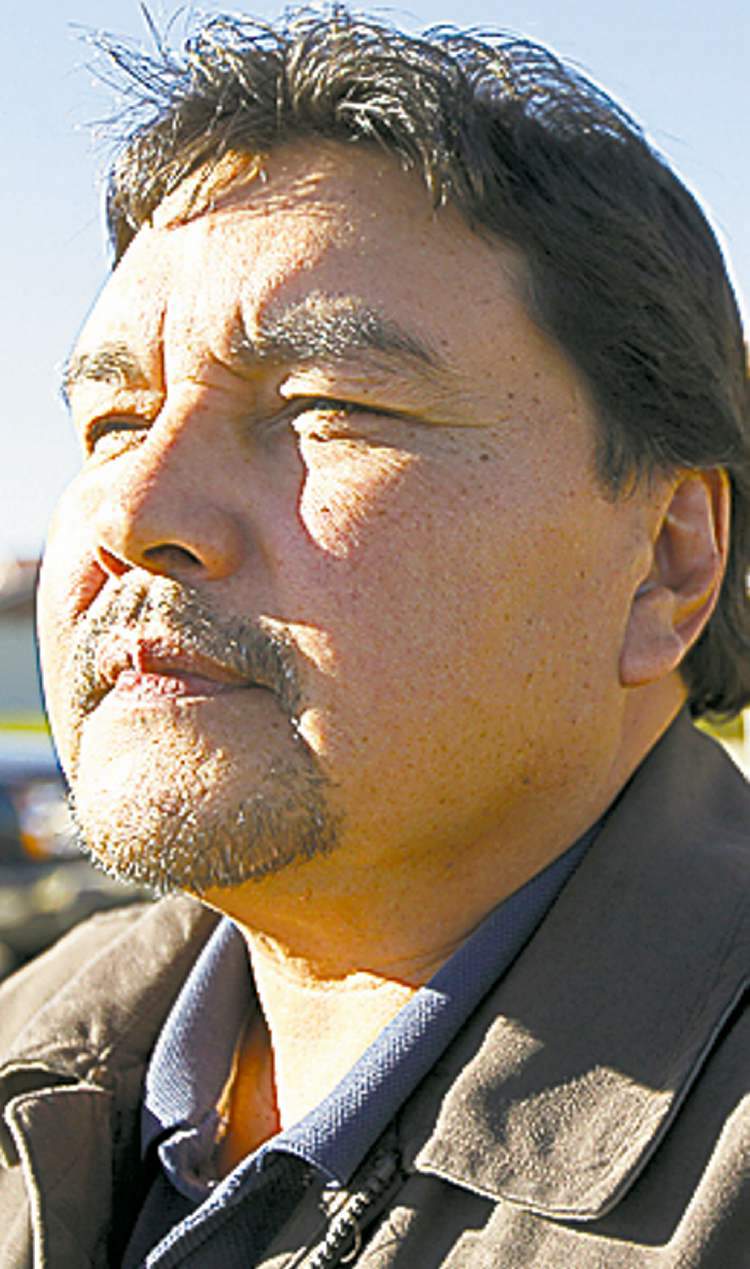
“We won’t have title to the land, but we will control it through leases we register with our land registry,” said Long Plain Chief David Meeches.
“In our view, the economic potential of this proposal, we see the Land Management Act as beneficial. It may work for us. I don’t see privatization of the land working. I don’t see how that will be beneficial… Down the road, you’d end up with a checkerboard First Nation.
“That’s a scary thought,” Meeches said.
First Nations also come under the control of provincial commerce laws once they opt out of the Indian Act. That adds to the appeal, making it easier to attract investors who want the security of knowing the rules of the game will stay the same on reserve land as anywhere else.
It’s not private property, but it’s an acceptable compromise for some chiefs.

“I think it is an alternative,” said Assembly of Manitoba Chiefs Grand Chief Derek Nepinak, who’d like to see the scheme made more widely available here.
“It’s regulation, but it’s band-based, band-built regulation, including zoning bylaws and so forth for commercial development. That creates a level of certainty that investors are happy with and we see it playing out time and again with communities,” the grand chief said.
Across the country, there will soon be more than 50 First Nations operating under this legislation rather than under Indian Act land management, according to the federal Aboriginal Affairs Department in Ottawa.
The legislation allows First Nations to set zoning rules, nail down property values and raise cash through a lease holdings, without risking their land.
alexandra.paul@freepress.mb.ca